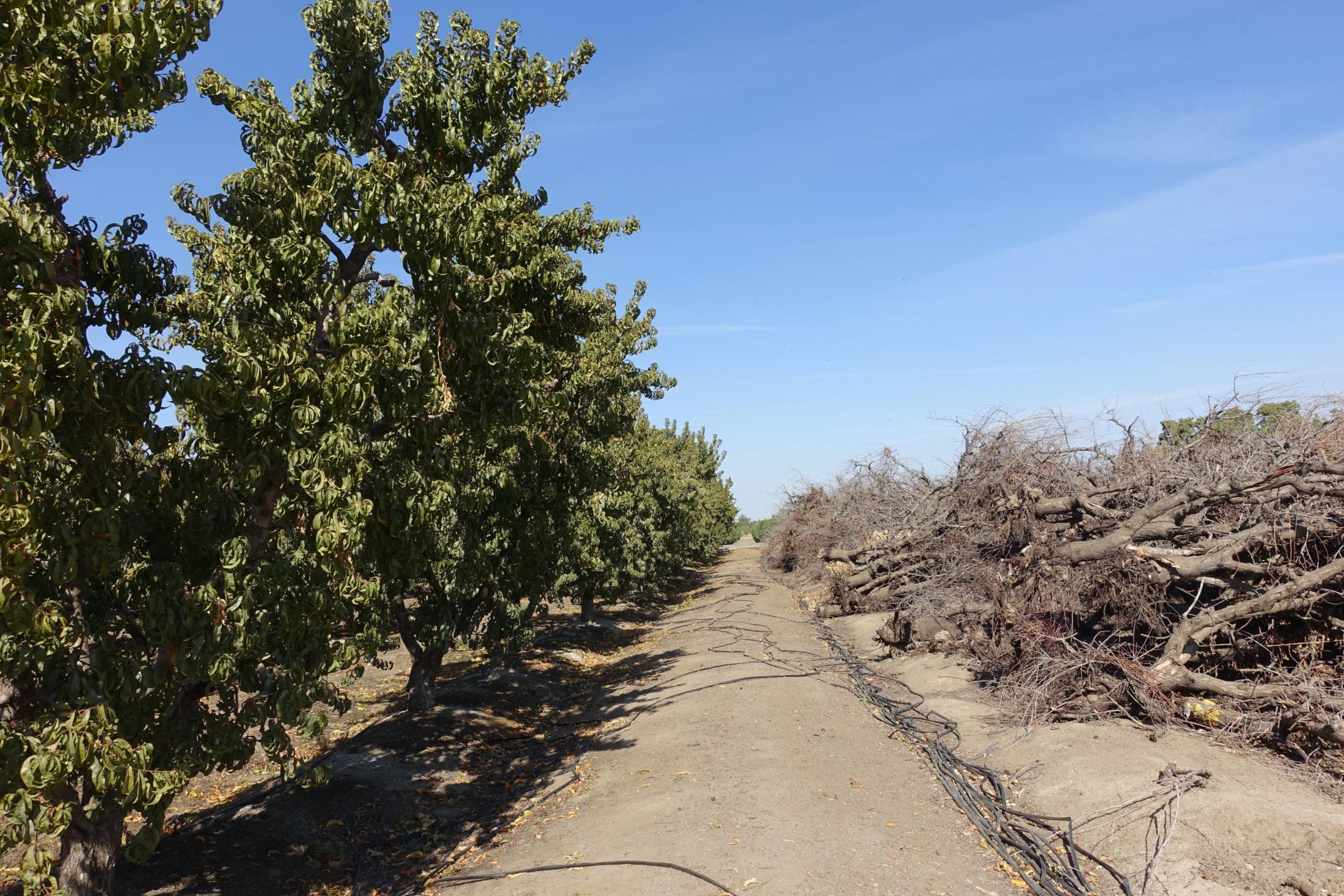
Many California growers are facing new requirements around the open burning of orchard and vineyard materials. Fortunately, state and local incentives are now available to help growers transition to cleaner alternatives that protect air quality while still managing field debris and cost effectively.
Here’s what growers should understand about the Ag Burn Alternatives Grant Program and how it can support orchard and vineyard redevelopment decisions.
What Is the Ag Burn Alternatives Grant Program?
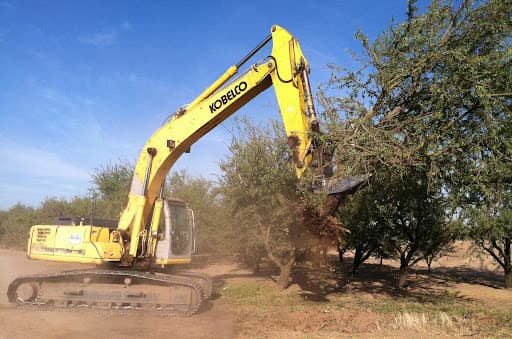
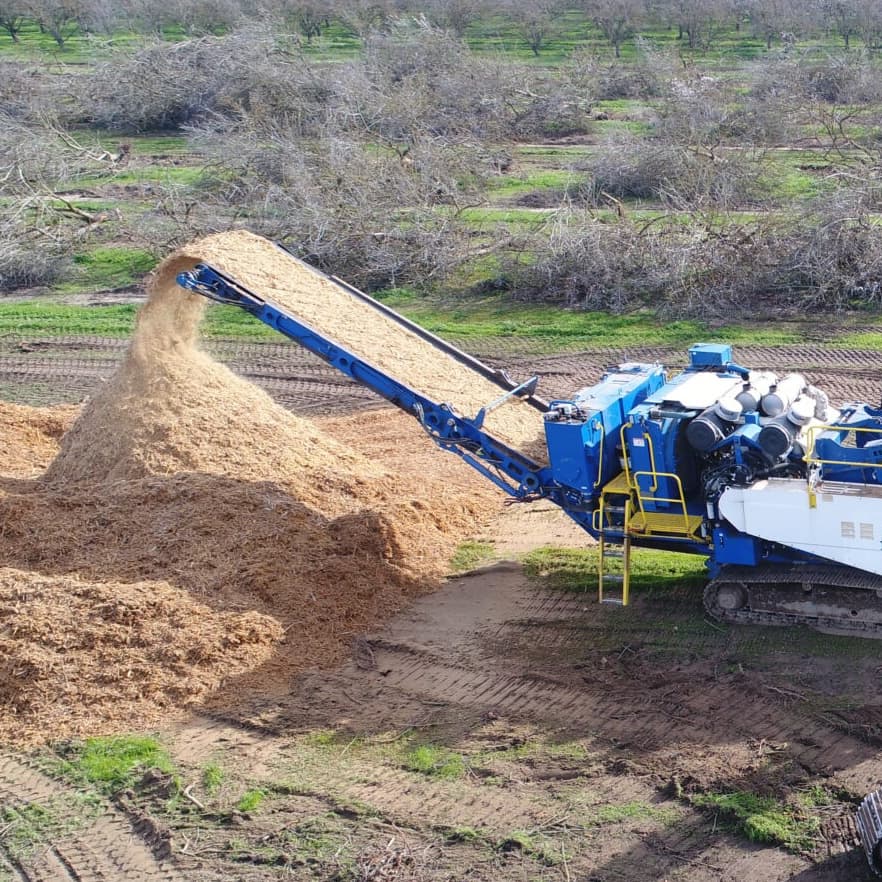
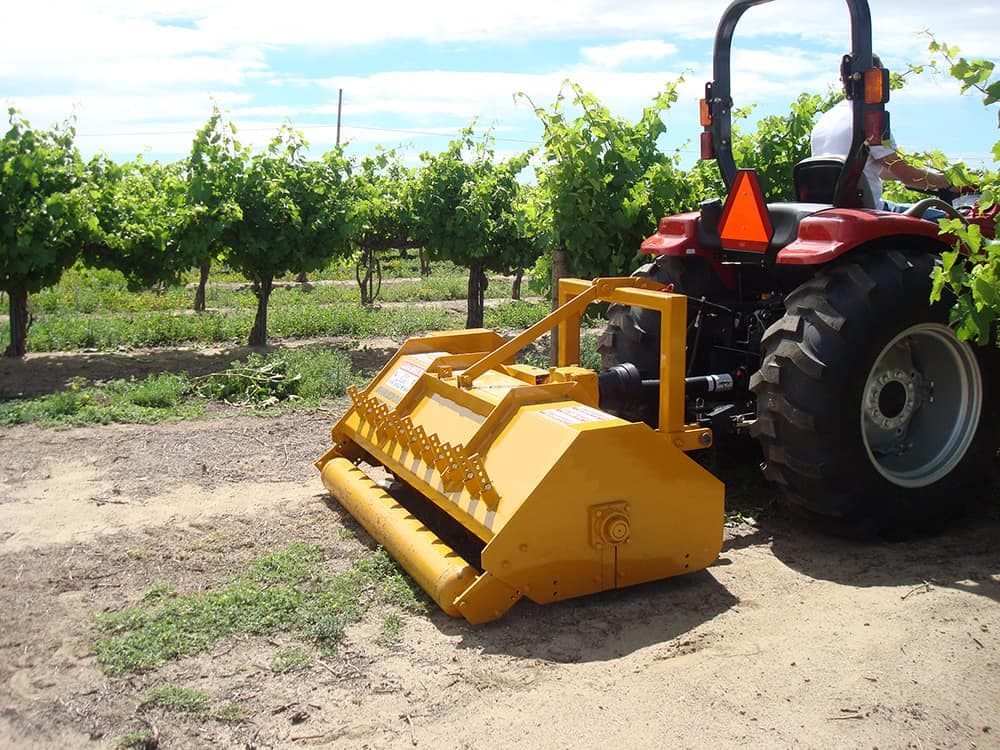
The Ag Burn Alternatives Grant Program provides financial incentives to agricultural operations in California’s San Joaquin Valley and surrounding districts to use alternatives to open burning when disposing of orchard and vineyard material. Growers can receive funding to chip, shred, and incorporate woody debris into the soil, or use it for other beneficial purposes rather than burning it.
The program is part of ongoing efforts to phase out open agricultural burning and improve air quality in the region. Funding supports multiple practices that help growers meet regulatory requirements while reducing particulate matter emissions.
Why This Matters to California Growers
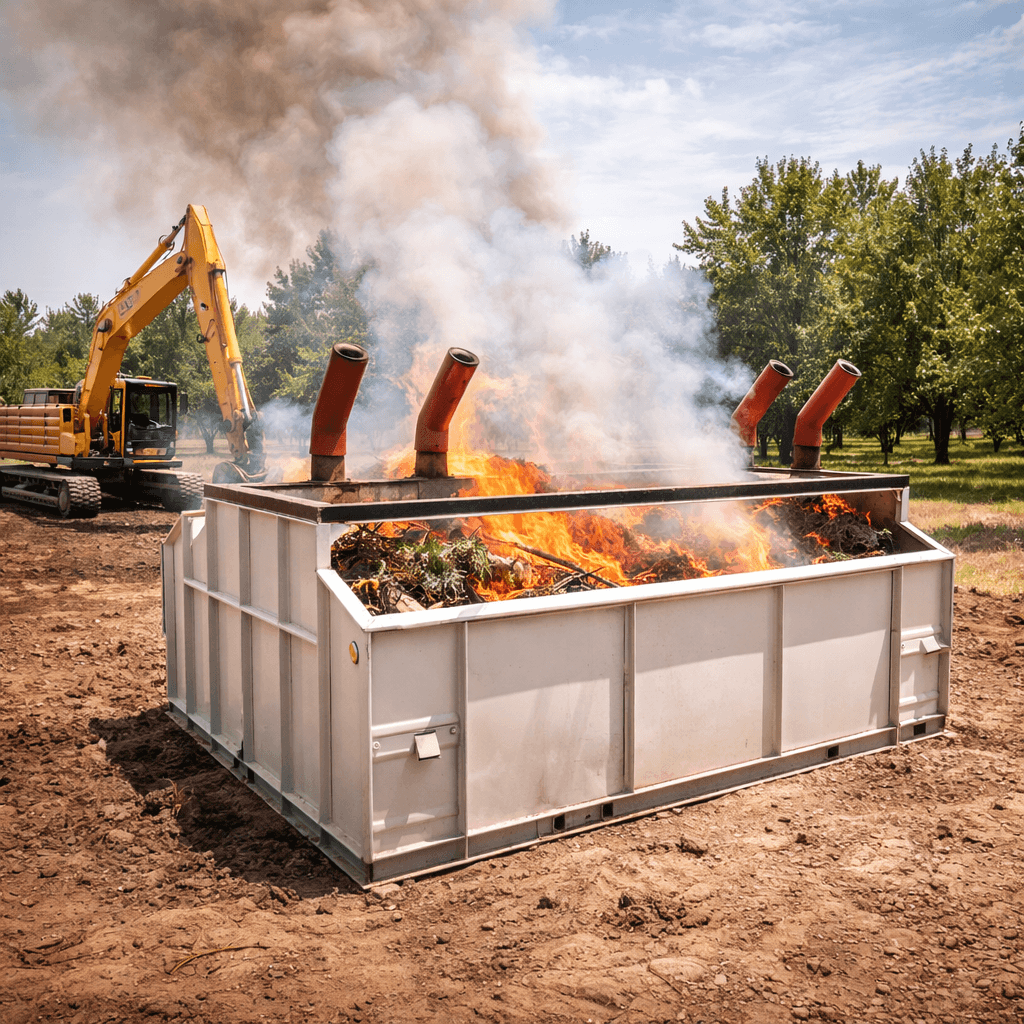
Open burning has traditionally been one of the quickest ways to dispose of woody waste after orchard and vineyard removals. However, it contributes significantly to seasonal air quality issues, particularly fine particulate matter, which affects public health.
Since the program’s relaunch and expansion, demand from growers has increased significantly as more operations look for cost effective compliance options and emission reduction strategies.
This grant is designed to make non-burn alternatives financially viable. For many growers, that means investing in practices with long-term soil benefits rather than short term disposal.
What Practices Are Eligible
The program provides incentives for:
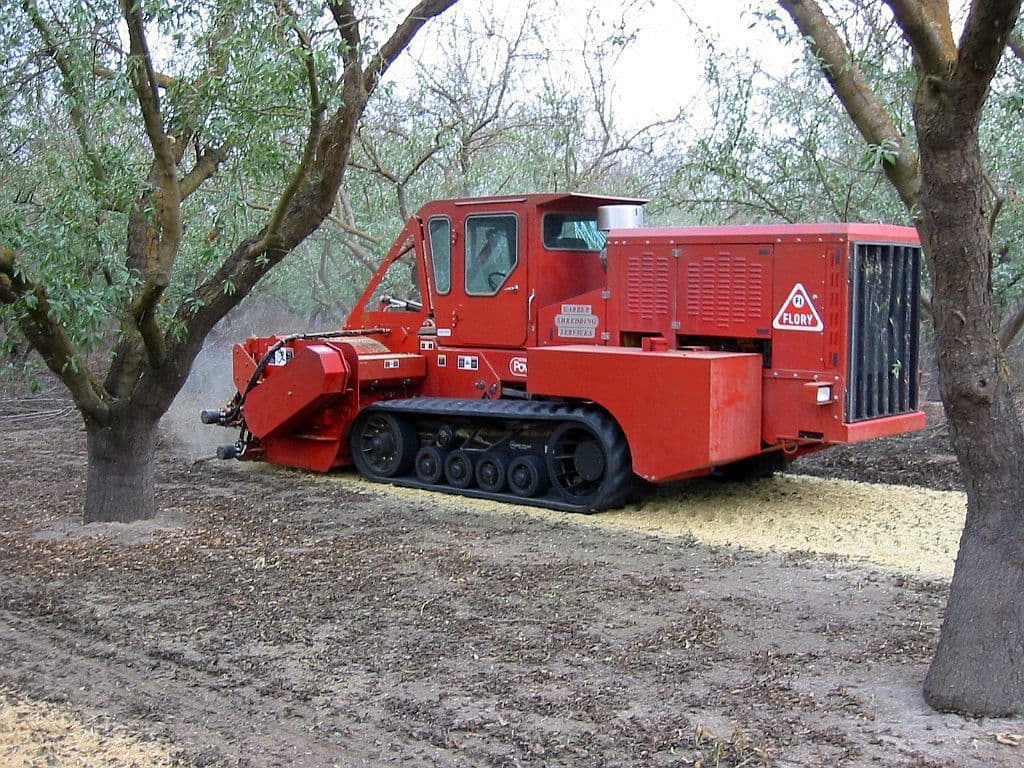
- Chipping or shredding orchard and vineyard removals
- Using chipped material for soil incorporation or beneficial off-site reuse
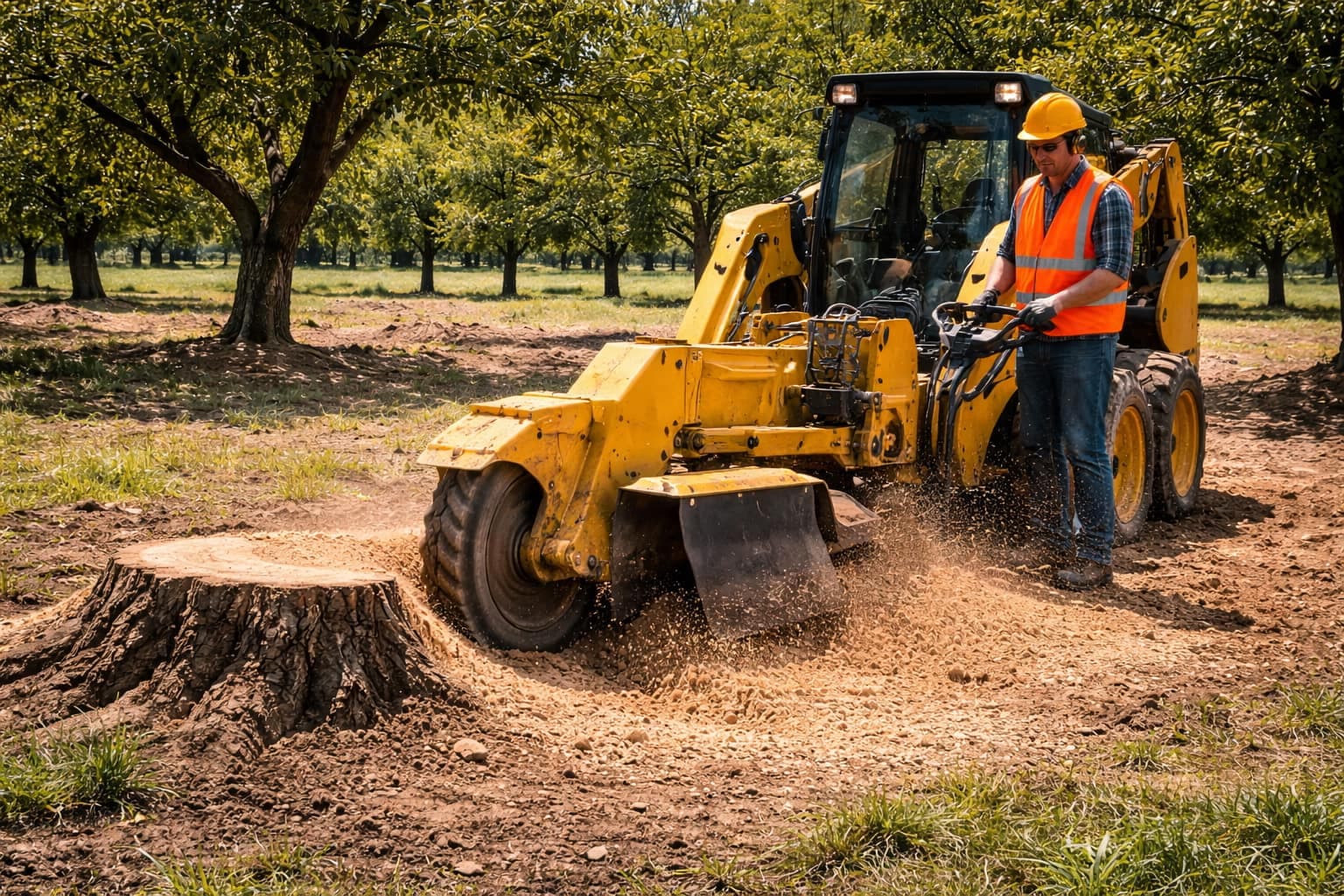
- Purchase of new chipping or grinding equipment in some cases
The chipping and shredding incentive typically ranges from a few hundred to over a thousand dollars per acre, depending on the crop type and how the material is used.
Some incentives are designed to help smaller operations with additional per-acre support and increased capacity to adopt cleaner practices.
Advantages Beyond Compliance
Switching from burning to alternatives offers several benefits for growers:
Improved soil health
Incorporating chipped orchard material can increase soil organic matter and moisture retention.
Air quality and community health
Reducing open flames reduces fine particulate emissions that affect farmworkers and nearby communities.
Regulatory alignment
The Ag Burn Alternatives program supports the statewide goal to phase out agricultural burning in the San Joaquin Valley and nearby air districts.
How to Apply
Growers interested in applying should check the local air district's website for eligibility guidelines, application deadlines, and program contacts. Applications generally require documentation of acreage, planned practices, and cost estimates. Quotes from service providers or equipment vendors may also be needed as part of the submission. You can apply by clicking here.
Planning Ahead
Even if you are not currently burning orchard or vineyard material, understanding and preparing for alternatives is critical. Regulations restricting open burning are increasing, and the transition toward cleaner disposal practices is accelerating.
Applying for incentives and making arrangements with chipper or grinder service providers early in the season can reduce the stress of last-minute planning and help ensure compliance while maintaining operational efficiency.
What This Means for Orchard and Vineyard Redevelopment
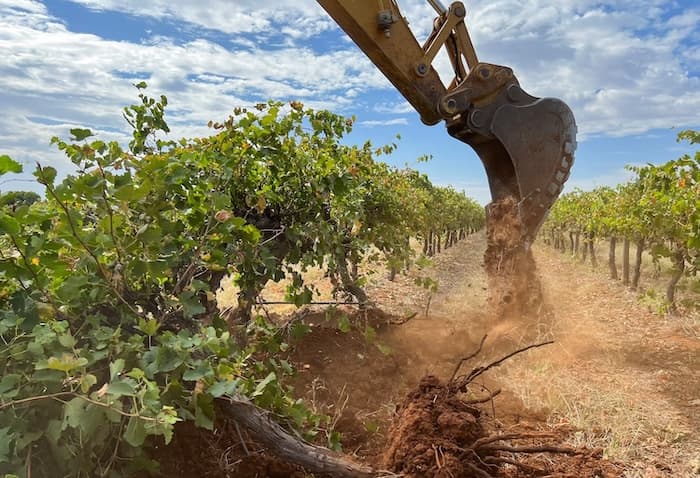
Whether you are removing an old orchard or thinning vineyard alleyways, the Ag Burn Alternatives Grant Program can lower the cost of managing woody waste while improving soil outcomes. Instead of paying solely out of pocket for chip and incorporation materials, incentives can offset a meaningful portion of the cost.
Working with experienced crews who understand how to comply with the grant requirements increases the likelihood of a successful application and better outcomes for your field redevelopment.
How Agnomy Can Help
Agnomy helps growers connect with qualified land development and orchard service providers who know how to implement chipping, shredding, and other alternative practices that qualify for incentives like the Ag Burn Alternatives Grant Program. Whether you need chipping crews, soil incorporation support, or coordination during orchard removal, Agnomy gives you visibility into service availability and helps plan work ahead of peak demand.
Instead of scrambling for providers after material is on the ground, you can book services early and align work with application deadlines and grant requirements.