← Back to Blog

Agnomy Journal

California Peach Harvest Guide: Prepare for a Successful Season

Best Practices April 27, 2026 · 1,394 words · 7 min read

California peach harvest is one of the most important seasonal windows for growers. Learn harvest timing, peach varieties, labor needs, common problems, orchard preparation, and the support services that help growers succeed.

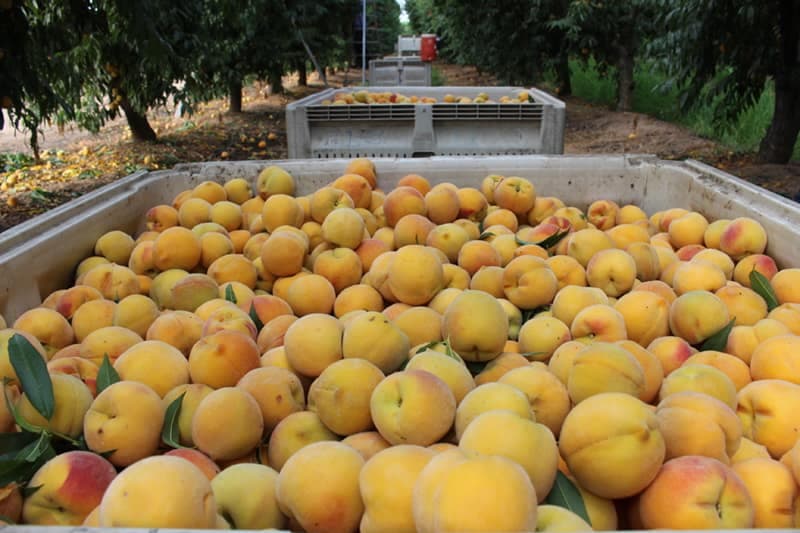
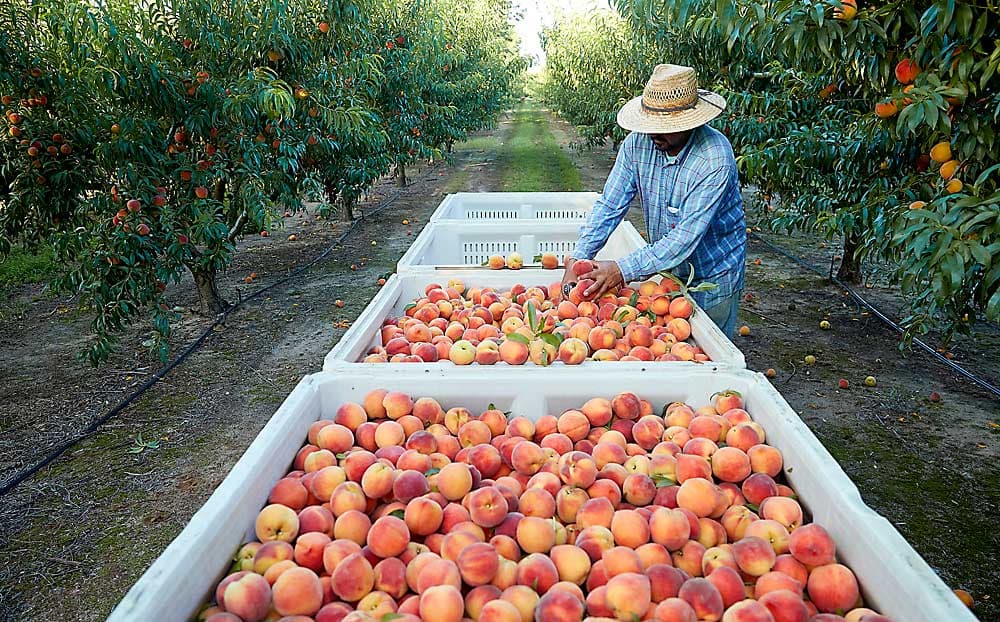
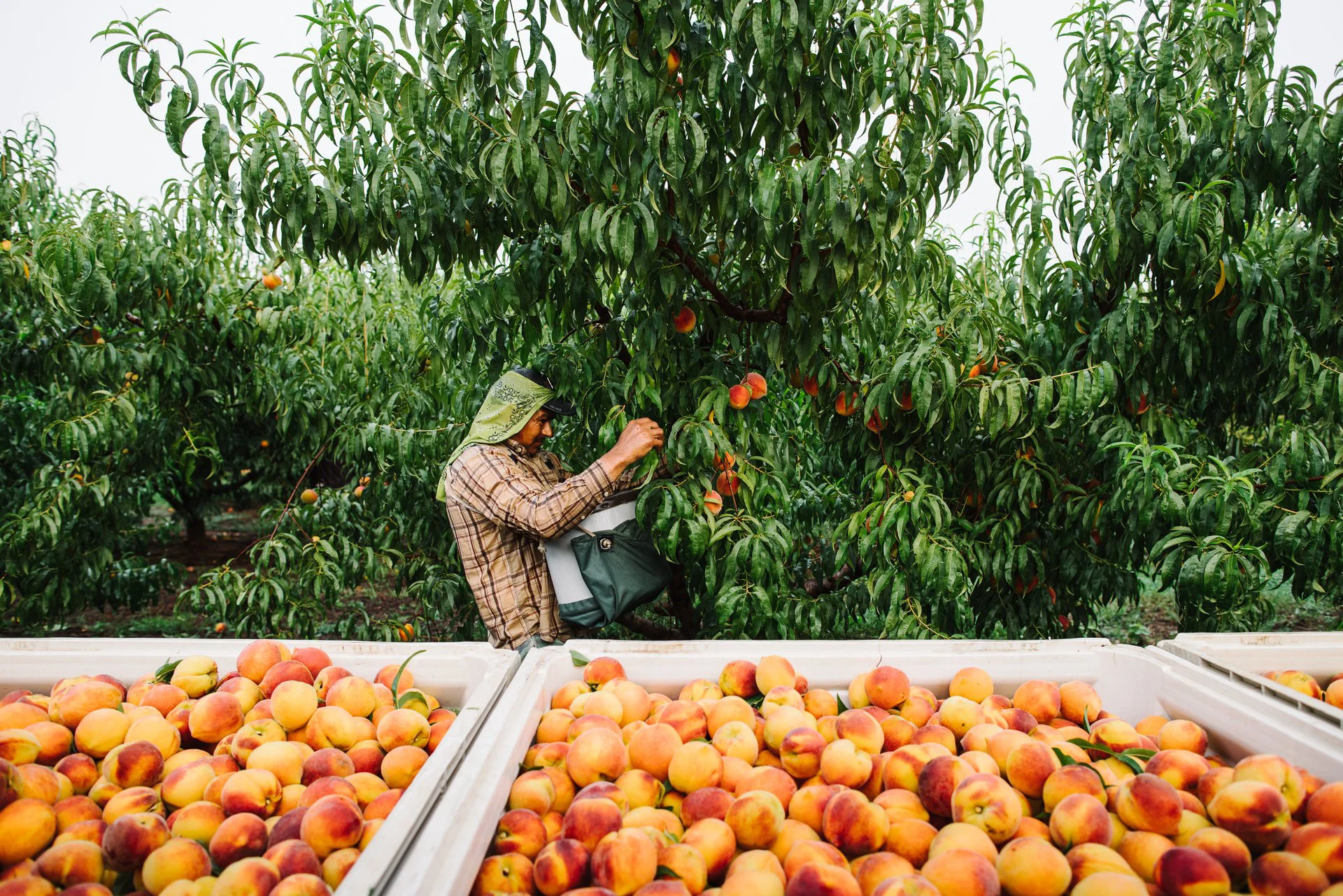
peach harvest crews California

If you’ve ever grown peaches here in California, you know harvest is one of the most critical and unpredictable times of the year. Whether you’re packing fresh fruit for the market or sending clings to the cannery, timing and execution can make or break your season. Fruit quality can shift overnight, labor gets tight quickly, and even a short delay can take a big bite out of your returns.

For growers, success starts long before the first bin hits the row. Getting the orchard ready, planning for labor, dialing in irrigation, thinning, lining up trucks, and making sure your post-harvest plan is set are the things that separate a smooth harvest from a stressful one. Doesn’t matter if you’re running a few acres with family or moving fruit off hundreds of acres; having the right support lined up early can save a lot of headaches.

California Peach Harvest Season

California produces peaches across multiple growing regions, with especially strong production in the Central Valley, where warm days and long growing seasons help drive quality and volume.

Harvest timing varies by region, weather, and variety, but generally follows this schedule:

  • Early varieties: May to June
  • Mid-season varieties: June to July
  • Late varieties: July to September
  • Cling peaches for processing: Summer harvest windows typically depend on contracts and maturity timing.

Most growers end up making several passes through each orchard, depending on how the fruit ripens, what the market is looking for, and how the sizing is coming along.

Main Types of California Peaches

California growers may produce several categories of peaches, each with distinct harvest needs and market demands.

Yellow Flesh Peaches

Popular for fresh market sales, with classic peach flavor and broad consumer demand.

White Flesh Peaches

Often sweeter, with lower acidity, and common in premium fresh markets.

Freestone Peaches

Fruit separates easily from the pit; common in fresh market channels and direct sales.

Clingstone Peaches

Fruit clings to the pit and is widely used for canning and processing markets.

Donut Peaches

Flat-shaped specialty peach varieties are often sold at premium pricing.

Nectarines

Though technically distinct, nectarine harvest often overlaps with peaches operationally and uses similar labor planning.

Pre Harvest Orchard Preparation

A good harvest starts months before anyone picks a peach. Getting the orchard ready means crews can move fast and your fruit stays in top shape.

Key Pre Harvest Tasks

  • Irrigation management to maintain fruit sizing without excess softness
  • Nutrition planning to support fruit finish and tree health
  • Weed control for clean row access
  • Mowing or orchard floor management
  • Bin staging and traffic flow planning
  • Road grading for truck and trailer movement
  • Ladder inspection and replacement
  • Crew housing and transportation planning where needed
  • Bird and pest management prior to ripening

If you get ahead early, you save yourself a lot of trouble once harvest is in full swing.

Peach Harvest Labor Needs

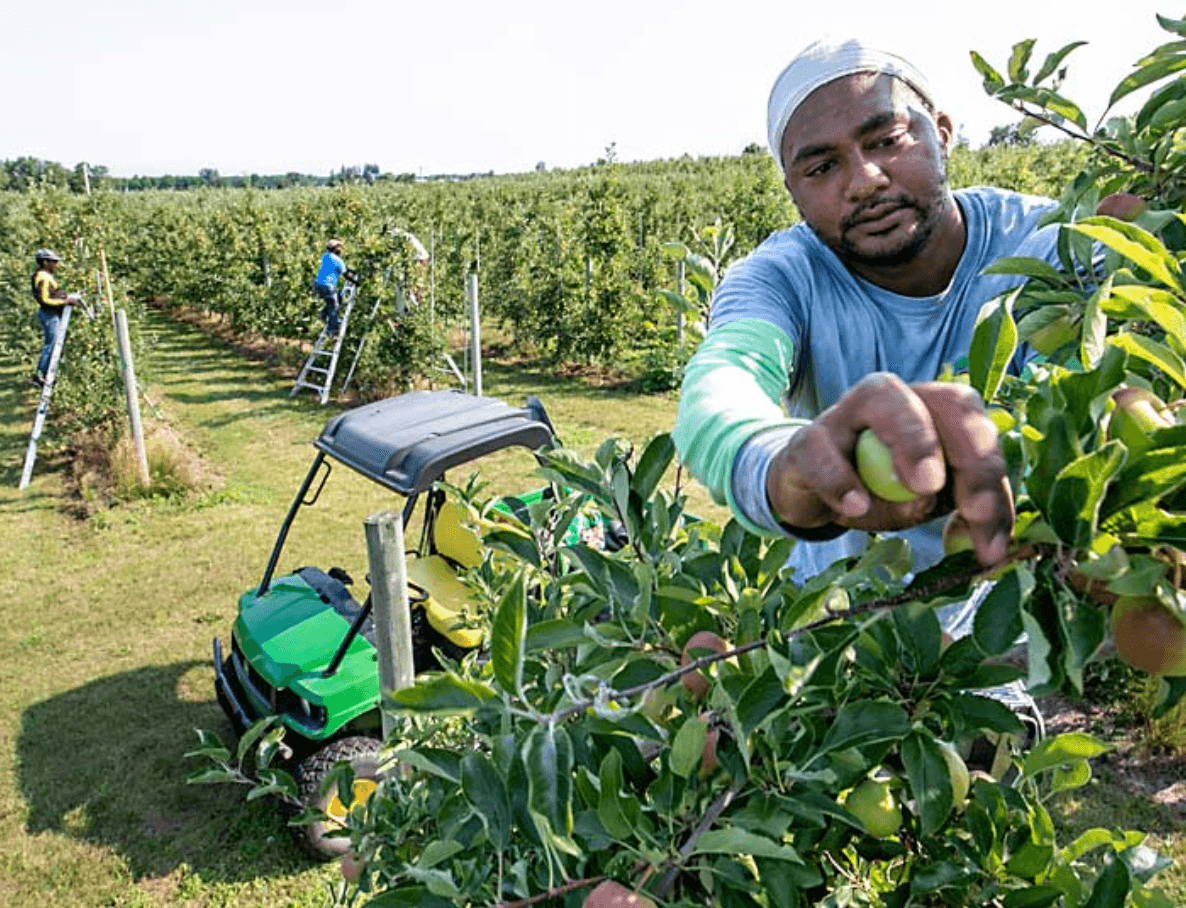
Peach harvest remains one of the most labor-intensive seasonal jobs in California agriculture, especially for fresh-market fruit, where careful handpicking, color selection, and gentle handling are critical. Unlike some crops that can be harvested quickly with fewer touches, peaches often require trained crews who understand maturity stages, bruise prevention, and how to move efficiently through orchard rows without sacrificing quality.

A successful harvest operation usually depends on multiple roles working together simultaneously. When any one position is short-staffed, delays can quickly impact picking pace, fruit condition, and shipping schedules.

Common peach harvest labor roles include:

  • Picking crews for selective hand harvest
  • Bucket or bag pickers moving fruit from tree to bin
  • Ladder crews for upper canopy fruit access
  • Bin handlers and stackers
  • Tractor shuttle operators moving full bins from the field
  • Quality control staff checking fruit maturity and condition
  • Supervisors or foremen managing crew pace and safety
  • Packing shed labor for sorting and packing support
  • Loadout staff coordinating trucks and outbound shipments

Finding dependable seasonal labor remains one of the biggest challenges during California peach harvest, especially during compressed ripening windows when orchards need crews immediately.

Equipment Often Needed During Peach Harvest

Even if you’re picking by hand, you need all the right gear lined up, or you’ll be stopped before you start.

Common Harvest Equipment

  • Ladders
  • Picking bags or buckets
  • Orchard bins
  • Bin trailers
  • Forklifts
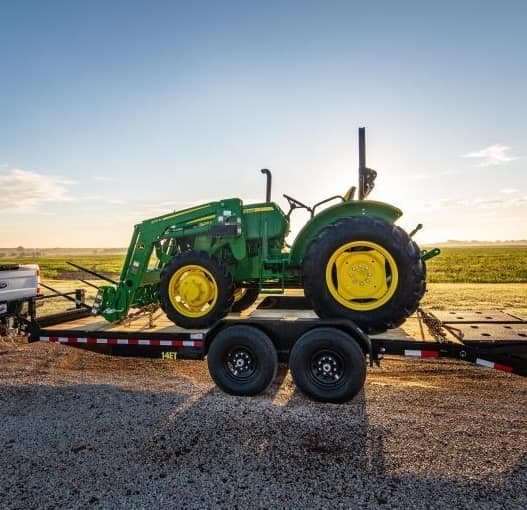
  • Flatbed hauling
  • Shade trailers
  • Mobile restrooms
  • Water stations
  • Radios / communication tools
  • Reefer transportation for fresh fruit where required

Get your gear in place before the season starts, or you’ll waste time and lose fruit when things get busy.

Harvest Timing and Fruit Quality

Peaches are highly sensitive to harvest timing, and picking at the proper maturity stage is one of the biggest factors in fruit quality and market returns. Fruit harvested too early may lack proper color, sugar development, and overall eating quality, while fruit picked too late can soften quickly, bruise more easily, and lose shelf life during shipping and retail handling. Because peaches can change rapidly in warm weather, harvest timing often becomes a day-by-day decision during the peak season.

Growers and field managers closely monitor several maturity indicators before sending crews into a block. Ground color, firmness levels, soluble solids, fruit size, and market requirements all help determine when fruit is ready. Weather also plays a major role, as heat spikes can accelerate ripening and compress harvest windows, while cooler conditions may slow maturity and allow more flexibility.

Most years, you’re not picking the whole orchard at once. A few passes let you get the ripe peaches and let the rest size up and color. It’s extra work, but it’s how you get the best fruit and the best return.

Common Peach Harvest Problems in California

Every season brings its own set of headaches, labor running short, heat waves racing the fruit, uneven ripening, or a surprise storm that can knock you back. Even if you do everything right, something unexpected always seems to pop up when timing is tight.

Operational challenges can compound quickly once fruit is ready. Bin shortages, trucking delays, lack of backup crews, soft fruit claims, and sudden market price swings can all affect profitability within days. Growers who plan ahead with labor backups, hauling options, equipment readiness, and harvest support partners are often in the strongest position when timing windows tighten and quick decisions matter most.

How Agnomy Helps During Peach Harvest

California harvest moves fast. Growers need solutions, not phone tag.

Agnomy helps growers connect with verified agricultural service providers for seasonal labor, hauling, equipment support, orchard maintenance, and operational needs during critical harvest windows.

Services That May Help Peach Growers

  • Harvest labor crews
  • Bin hauling
  • Flatbed transportation
  • Orchard mowing
  • Equipment operators
  • Irrigation repair
  • Mobile restroom rental
  • Cleanup crews
  • Farm management support

When harvest timing is tight, speed and reliability matter.

Final Thoughts

Peach harvest rewards the folks who get ahead of the chaos. If you’ve got labor, equipment, and backup plans lined up early, you’ll be ready when the fruit starts coming off the trees.

Doesn’t matter if you’re in freestones for the fresh market or clings for the cannery, harvest is where all your work gets put to the test. Having good support lined up keeps your fruit in shape and helps you make the most of your season.

Connect with Agnomy to find verified agricultural service providers ready to help during California peach harvest season.


When does peach harvest start in California?

California peach harvest typically begins in May with early varieties and can continue into September depending on region, weather, and late-season varieties. Processing cling peaches are commonly harvested during summer windows. 

What types of peaches are grown in California?

California growers commonly produce yellow peaches, white peaches, freestone peaches, clingstone peaches, donut peaches, and nectarines depending on market demand and region.

Why is labor so important during peach harvest?

Peaches are often hand harvested and require careful picking to prevent bruising. Skilled crews help maintain fruit quality, improve picking speed, and reduce delays during short maturity windows.

What equipment is needed during peach harvest?

Common harvest equipment includes ladders, bins, trailers, forklifts, picking bags, flatbeds, water stations, and refrigerated transportation for fresh market fruit.

How do growers know when peaches are ready to pick?

Growers monitor fruit color, firmness, sugar levels, fruit size, weather conditions, and market timing. Many orchards are picked in multiple passes to capture peak maturity.

What are common peach harvest problems in California?

Growers often face labor shortages, trucking delays, heat waves, uneven ripening, bin shortages, weather damage, and sudden market price changes during harvest season.

How can growers find peach harvest support services?

Many growers use modern ag service platforms like Agnomy to connect with verified providers for labor crews, hauling, equipment support, orchard maintenance, and urgent seasonal needs.

Get ag insights delivered to your inbox

Join California growers who stay ahead with Agnomy updates, industry news, and service recommendations.

Free updates. No spam. Unsubscribe anytime.

Agnomy
Written by

Agnomy

Ag Services Specialists

The Agnomy team brings hands-on farming and agricultural service experience to every article, sharing practical insights that help growers and providers navigate seasonal challenges, field operations, and modern farm management.

About Us →

Get Started

Ready to simplify your ag services?

Whether you grow or provide services, Agnomy connects you with the right people.