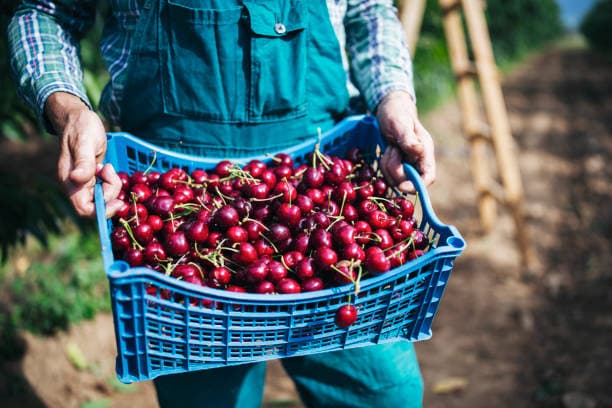
Cherry harvest in California is one of the tightest, most timing-sensitive windows in agriculture. Unlike other crops, cherries don’t give you flexibility. Once they hit peak maturity, you have days, not weeks, to get them picked, packed, and moving.
Most of the state’s crop comes from the Central Valley, areas like Lodi, Stockton, and Modesto, and up through the northern districts. Harvest typically starts in late April in the southern regions and pushes north into June.
What matters most is hitting the window:
Too early → poor sugar levels, weak pricing
Too late → soft fruit, cracking risk, lost shelf life
For growers, cherry harvest services with skilled cherry picking crews and timing is everything.
What It Takes to Get Through Cherry Harvest
Labor: The Biggest Constraint
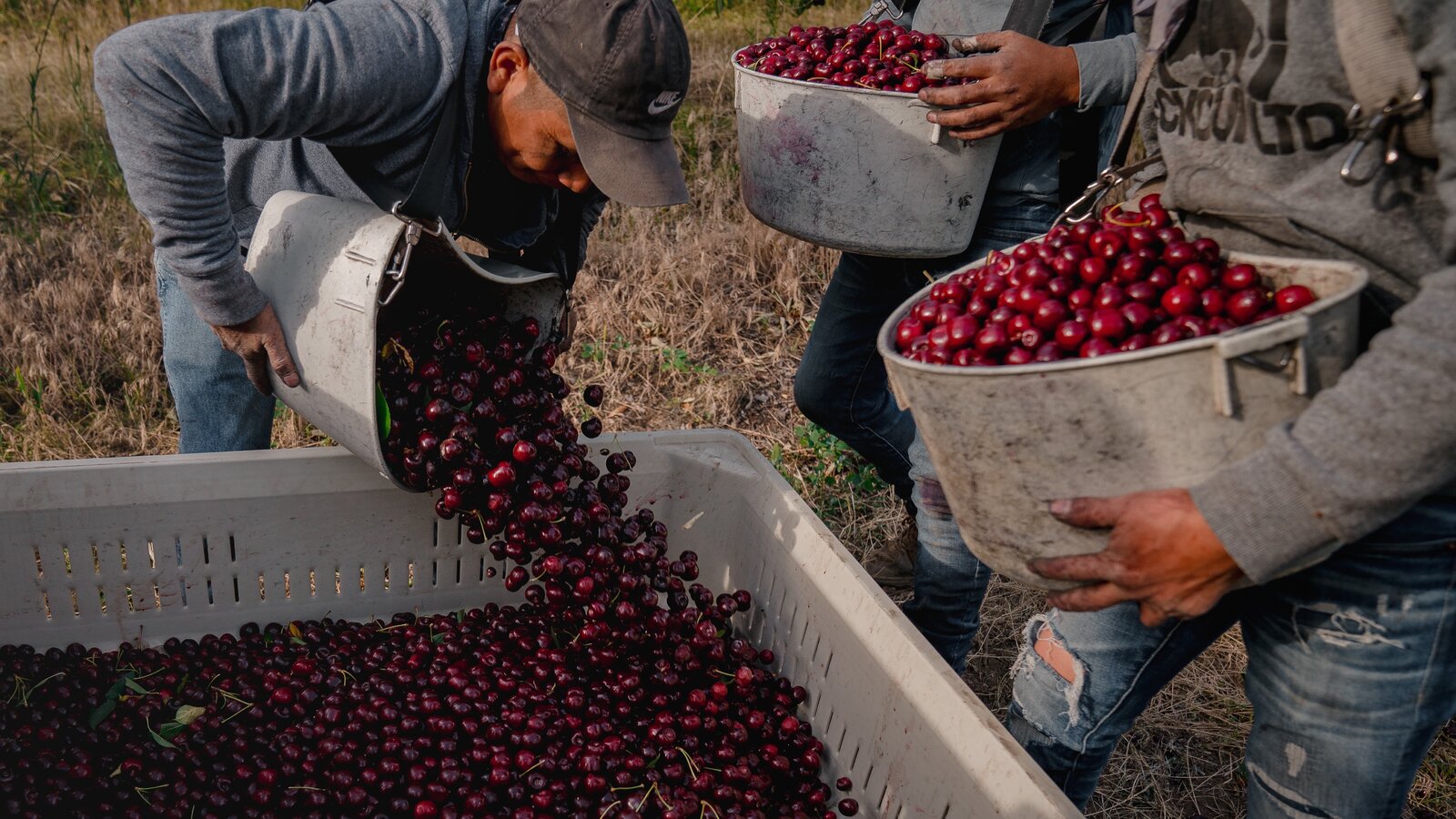
Cherries are still largely hand-harvested. That means:
What growers should focus on:
Lock in crews early
Have backup options
Use platforms/tools that expand your access beyond word-of-mouth
Cherry Equipment & Logistics
Cherry harvest is more than just picking; it’s a full operation.
You need:
Picking buckets and harness systems
Orchard ladders or platforms
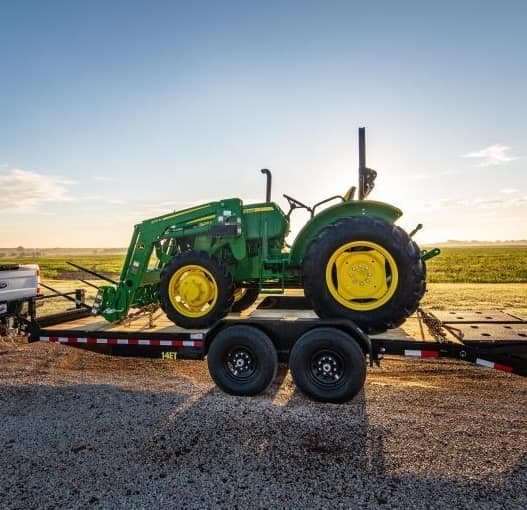
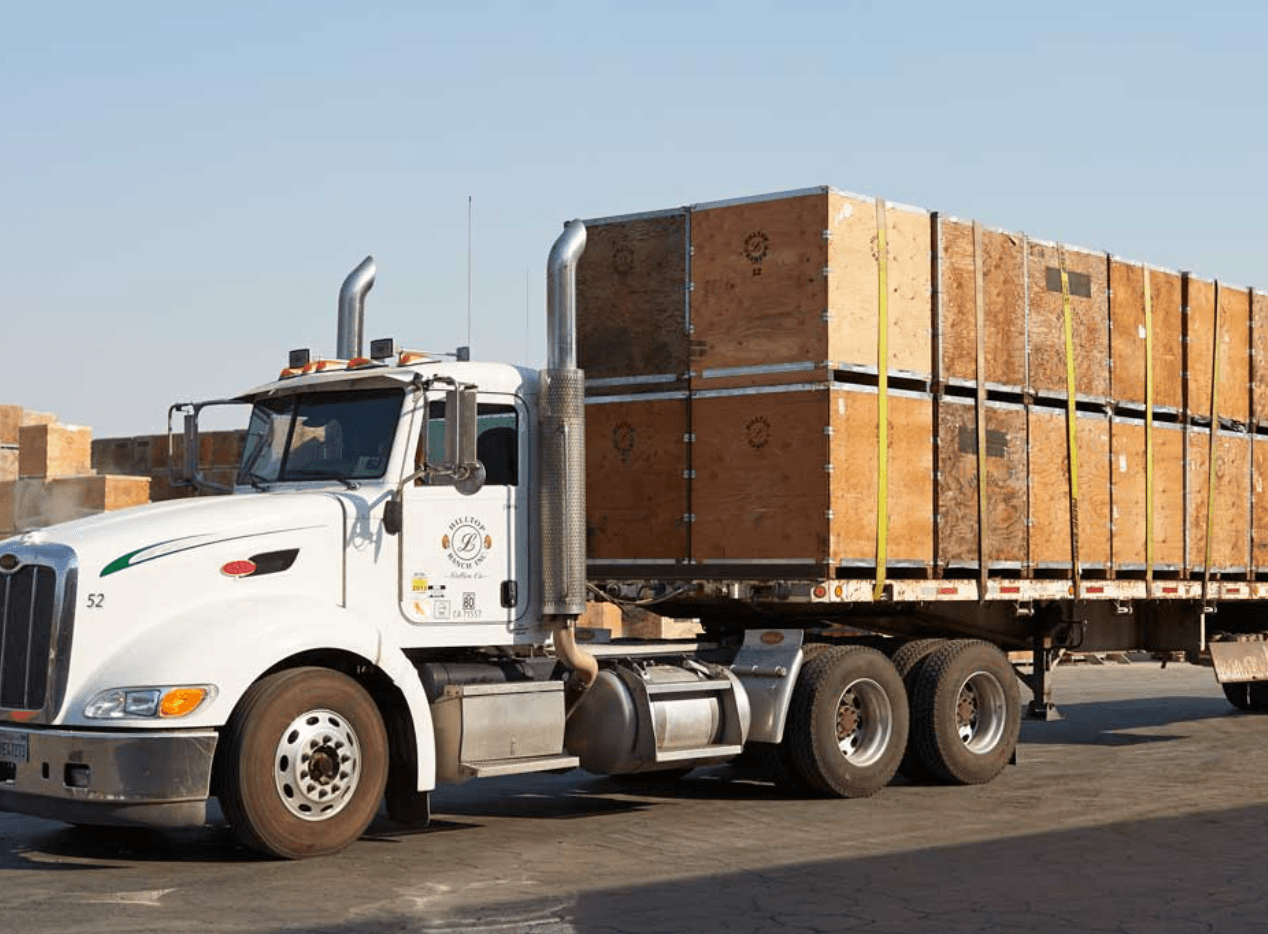
Field bins and transport
Quick turnaround to packing facilities
Cherry Packing & Cooling
Cherries are extremely perishable.
Critical steps:
Rapid hydrocooling after harvest
Sorting and grading for size, firmness, and color
Packing for domestic or export markets
Any delay here reduces packout quality and price.
Cherry Harvest Techniques That Make a Difference
Selective Picking
Not all fruit matures evenly. Multiple passes may be required:
First pick → premium fruit
Second/third picks → remaining maturity
This increases labor needs but improves overall returns.
Gentle Handling
Cherries bruise easily. Good crews:
Pick with stems intact
Avoid overfilling buckets
Minimize drops and transfers
Small mistakes here show up later at the packing house.
Weather Awareness
Rain during harvest is one of the biggest risks.
Rain → fruit cracking
Heat spikes → soft fruit
Wind → drop and damage
Growers need to stay ahead of the weather and adjust picking schedules quickly.
2026 California Cherry Harvest Outlook
Going into the 2026 season, a few key trends are shaping expectations:
1. Continued Labor Pressure
Labor availability is still tight across the Central Valley. Wages remain elevated, and competition for experienced crews is strong.
2. Weather Volatility
Recent seasons have shown more unpredictable spring weather. Rain events during harvest windows are becoming a bigger concern, especially for early varieties.
3. Market Pricing Sensitivity
Cherry pricing remains highly sensitive to:
Timing of peak volumes
Export demand (especially early fruit)
Overall crop size
Early, high-quality fruit typically captures premium pricing, while delayed or lower-quality fruit sees sharp drops.
4. Shift Toward Efficiency
More growers are focusing on:
Better scheduling coordination
Faster crew deployment
Reducing downtime between picks
The difference between a smooth harvest and a missed window often comes down to coordination, not demand.
Tips for a Successful Cherry Harvest
Book harvest crews early—don’t wait until fruit is ready
Line up packing logistics before first pick
Monitor weather daily during harvest window
Plan for multiple picks if needed
Move fruit quickly to cooling and packing
Have backup labor options ready
Where Cherry Growers Lose Money
Most losses during cherry harvest don’t come from yield; they come from timing.
Common issues:
Waiting too long to secure crews
Relying on one labor source
Delays getting fruit to cooling
Missing peak maturity windows
Avoiding these comes down to one thing: access and coordination.
Finding Cherry Harvest Crews in California
By the time cherries are ready, most growers are already feeling the pressure to line up labor and keep things moving.
It’s not about tracking down a contact, it’s about finding crews that are actually available and ready to step in during a very tight window.
What matters most:
Quick turnaround on availability and pricing
The ability to coordinate and schedule without delays
That access is what separates a smooth harvest from one that falls behind. When timing is this tight, even small delays can mean missing peak quality and top market pricing.
Final Takeaway
Cherry harvest moves fast, and it does not give second chances. The growers who stay ahead are the ones who already have everything lined up before the fruit turns.
Crews secured ahead of time
Packing and logistics ready to go
Weather watched daily
Backup plans in place
Because once you start picking, you are on the clock—and every hour matters.