Agriculture Input Costs Are Rising in 2026: What California Growers Should Watch This Spring
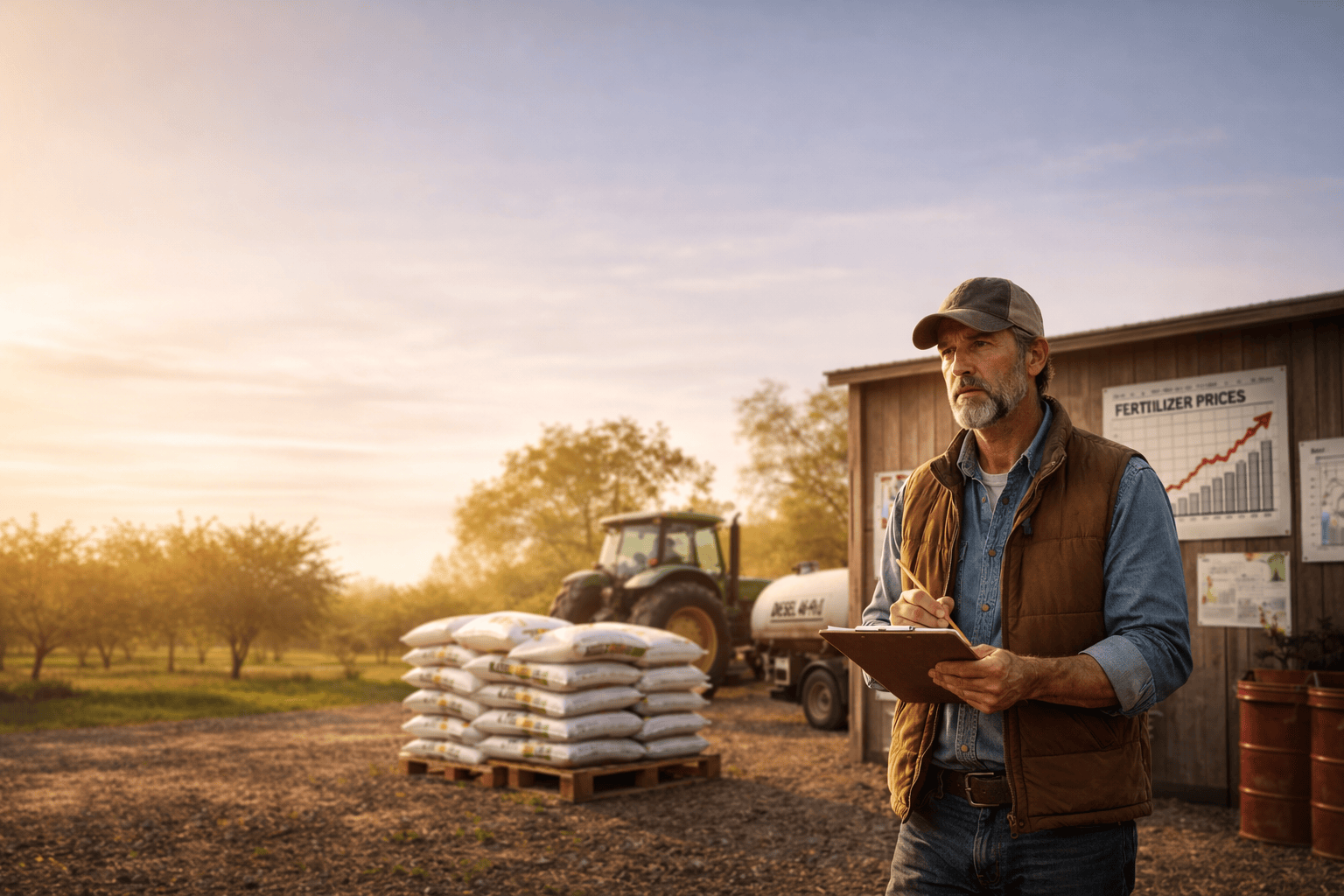
Right now, the biggest headache for growers isn’t getting their hands on inputs; it’s figuring out what they’ll cost by the time they actually need them. With everything going on in the Middle East and the pressure building around the Strait of Hormuz, we’re already starting to see it ripple into fuel, fertilizer, and chemical markets. And I’ve been around long enough to know, when those early signs show up, you pay attention.
And it couldn’t be coming at a worse time. Spring isn’t planning season; growers are already out there doing the work. Fertilizer’s going out, spray programs are running, equipment’s in the field every single day. If prices jump right now, growers aren’t absorbing that down the road. They’re absorbing it this week.
Nitrogen Fertilizer (Highest Risk Right Now)
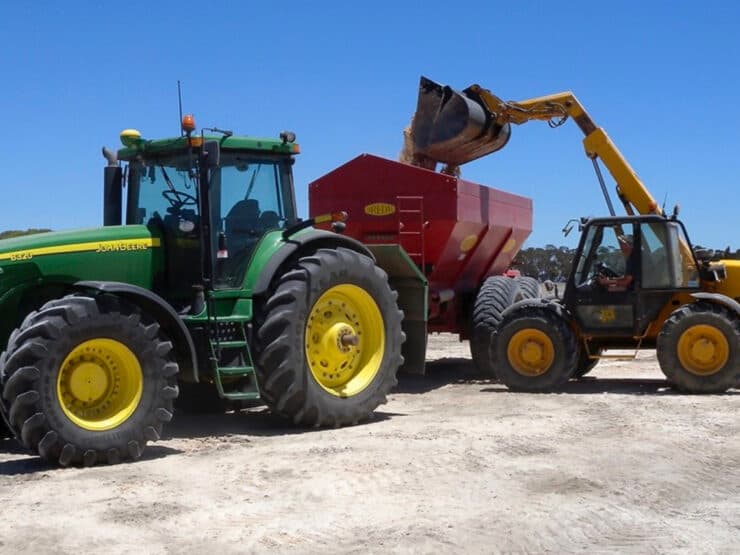
Nitrogen is the most exposed input in this situation. It’s closely tied to global energy markets, and a large share of production and export flows runs through regions now under pressure. We’re already seeing prices move, and there’s real potential for additional spikes if disruptions continue.
For California growers, this lines up directly with active application timing. Almonds, vineyards, and other crops are in the middle of nutrient demand, so this isn’t something you can delay or work around easily.
What’s driving risk:
- Global nitrogen exports tied to disrupted shipping routes
- Rising natural gas costs are impacting production
- Export restrictions are tightening supply (including China)
Where it hits locally:
- Almond fertigation programs are happening now
- Vineyard nutrition ramping up
- Limited flexibility to delay applications
Sulfur (Quiet Risk, But Very Real)
Sulfur is one of those inputs that flies under the radar until it becomes a problem. Right now, it’s exposed because it moves through the same global systems as fuel and fertilizer, and it’s tied to refining and energy production.
For California, this matters more than most regions because sulfur is used both as a nutrient and as a key crop protection material, especially in vineyards and orchards during early season disease pressure.
What’s driving risk:
- Sulfur is tied to oil refining and global energy flows
- Disruptions in the same regions as the fertilizer supply
- Increased demand as alternatives get more expensive
Where it hits locally:
- Vineyard mildew control programs
- Almond and orchard spray materials
- Early-season applications where timing matters
Diesel (Immediate Impact Across Every Operation)
Diesel is already moving, and it’s one of the fastest ways cost pressure shows up on the farm. Unlike fertilizer, there’s no substitution; every operation depends on it.
California growers are especially exposed because prices are already elevated, and local supply constraints add another layer of risk on top of global market pressure.
What’s driving risk:
- Crude oil disruptions tied to Middle East conflict
- Shipping risk through the Strait of Hormuz
- Regional refining and distribution constraints
Where it hits locally:
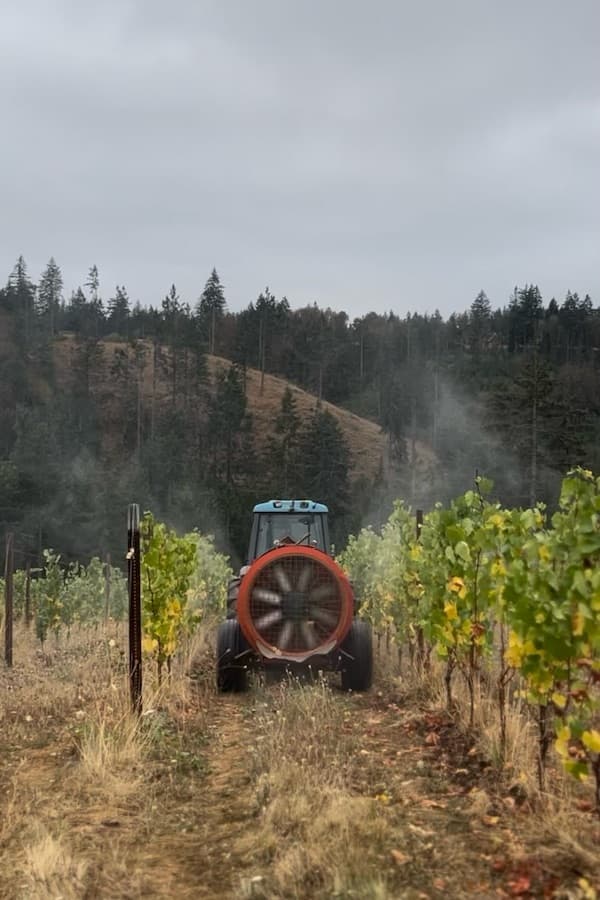
- Every tractor and spray pass
- Irrigation pumping and equipment operation
- Harvest and logistics
- Trucking and material movement
Crop Protection Products (Fungicides, Chemicals, Adjuvants)
Crop protection costs don’t always spike immediately, but they follow energy markets closely. Most of these products rely on petrochemical inputs, energy-intensive manufacturing, and global supply chains.
We’re already seeing pressure building in plastics, polymers, and chemical production, which tends to flow downstream into higher costs for growers over time.
What’s driving risk:
- Rising petrochemical and polymer prices
- Higher manufacturing and transportation costs
- Supply chain disruptions in global chemical markets
Where it hits locally:
- Fungicide programs in almonds, grapes, and cherries
- Increased cost per acre on spray applications
- Adjuvants and tank mix materials
Potassium and Blended Fertility Programs (Watch Closely)
Potassium isn’t the headline risk like nitrogen, but it doesn’t operate in isolation either. When fertilizer markets tighten, everything tends to move together, especially blended products.
For orchards, potassium applications often continue through spring and into early summer, so any pricing movement in the broader fertilizer market can still impact overall input costs.
What’s driving risk:
- Spillover from the nitrogen market increases
- Rising freight and distribution costs
- Dealer repricing based on replacement cost
Where it hits locally:
- Orchard fertility programs extending into May/June
- Blended fertilizer applications
- Overall, per-acre nutrient cost increases
The Bigger Picture: It’s All Connected
This isn’t about one input moving; it’s about everything stacking at once. Fuel, fertilizer, and chemicals all feed into each other, and when one moves, the rest usually follow.
That’s what makes this different. It’s not a single cost increase; it’s pressure across the entire operation during peak season.
How it compounds:
- Fuel increases → higher cost per pass
- Fertilizer increases → higher per-acre input cost
- Chemical increases → higher protection costs
- Logistics issues → delays and availability risk
What Growers Should Be Thinking About Right Now
This isn’t a panic situation, but it is a timing situation. The growers who stay ahead of it will manage it better than those who react late.
With how fast things are moving, small delays in decision-making can quickly turn into higher costs.
What matters over the next 30–90 days:
- Lock in pricing where it makes sense
- Confirm availability before you need it
- Stay ahead of key application windows
- Avoid last-minute purchasing on critical inputs
- Watch fuel closely when planning work
Final Thought
The problem isn’t demand; it’s timing, coordination, and cost pressure showing up all at once. This season is less about whether you can get the job done and more about what it costs to get it done.
Right now, the biggest risks are clear: nitrogen, sulfur, diesel, and everything connected to them.