We are looking at five to seven days of rain across Northern California. For orchard and vineyard growers, that kind of forecast brings mixed feelings. Rain in February can be a blessing, but it can also create challenges that follow us well into the season.
After years of farming almonds, walnuts, and grapes in this region, I have learned that February rain is not something to fear but something to manage.
Here is how I look at it.
The Good Side of February Rain
First, we need to recognize the value of rainfall this time of year.
Soil Moisture Recharge
February rain helps recharge the soil profile before trees and vines move into full vegetative growth. For orchards coming out of dormancy and vineyards preparing for budbreak, deep soil moisture reduces early season irrigation pressure.
If the rain is steady and not overly intense, it can improve root zone moisture without causing runoff. This is especially important after dry winters or when groundwater levels need support.
Reduced Early Irrigation Costs
Good February rainfall can delay the first irrigation set. That saves fuel, electricity, and labor. In orchards, adequate soil moisture going into bloom supports strong flower development and early fruit set. In vineyards, moisture helps support uniform budbreak and early shoot growth.
Rain now can reduce stress later.
Salt Leaching
For operations dealing with salinity, winter and early spring rain can help leach salts below the root zone. That is one of the few times nature does the work for us.
The Risk Side of Extended Rain
Now for the part that requires attention.
Five to seven days of wet conditions are different from one clean storm.
Disease Pressure in Orchards
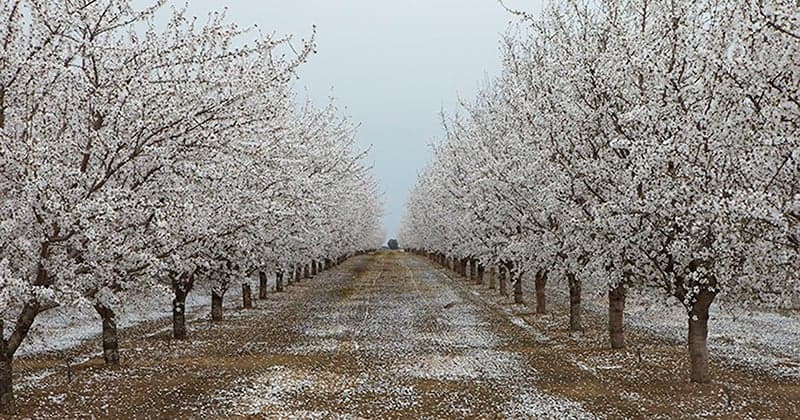
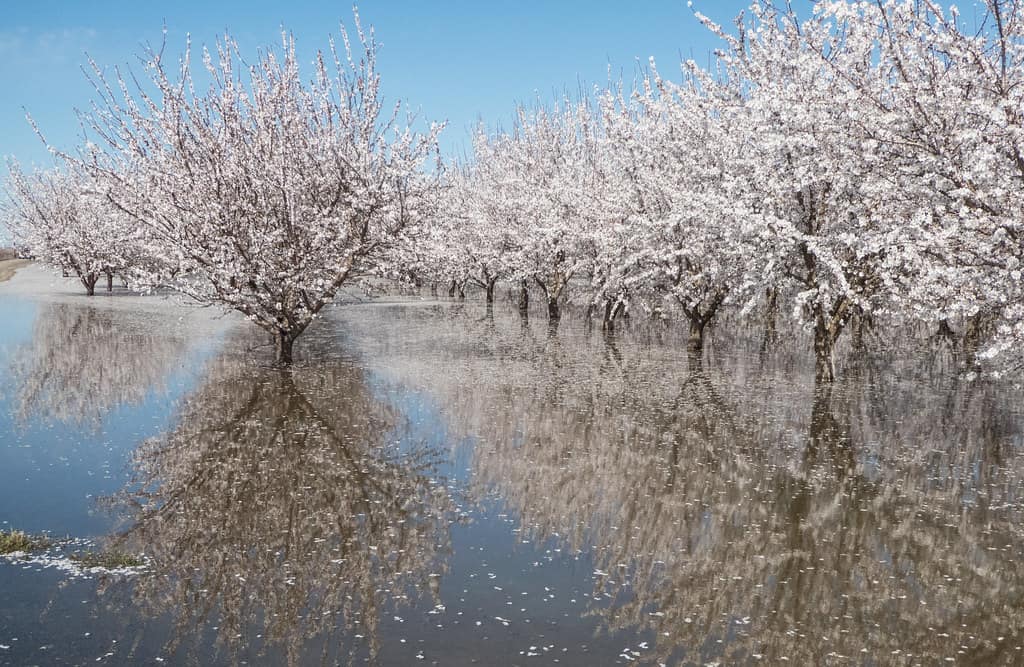
For almonds and other tree crops that are at or near bloom, extended wet conditions increase the risk of fungal diseases such as brown rot and blossom blight. Open flowers combined with moisture create ideal infection conditions.
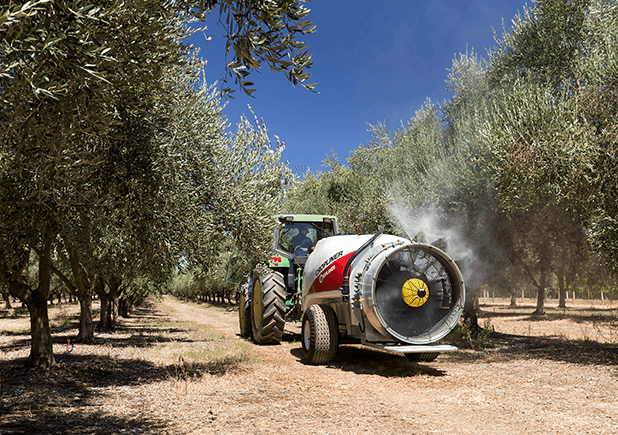
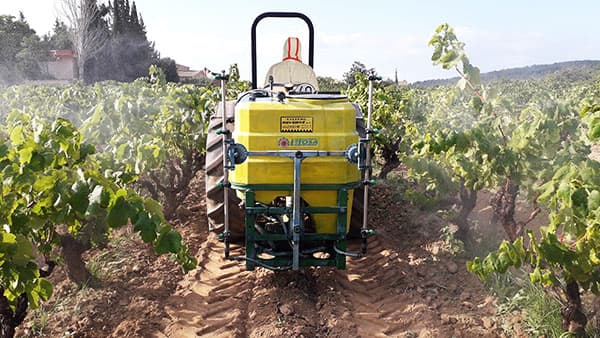
If rain is in the forecast, fungicide timing becomes critical. Sprays must go out before infection windows, not after. Waiting until the rain stops can be too late.
In walnuts and other dormant orchards, prolonged wet soil can also increase the risk of root disease if drainage is poor.
Bloom Interruption
For almonds especially, rain during bloom can disrupt pollination. Bees do not fly well in wet, cold conditions. If bloom overlaps with several days of rain, pollination efficiency can drop.
That does not mean the crop is lost, but it does mean growers need to watch fruit set carefully once the weather clears.
Soil Compaction and Field Access
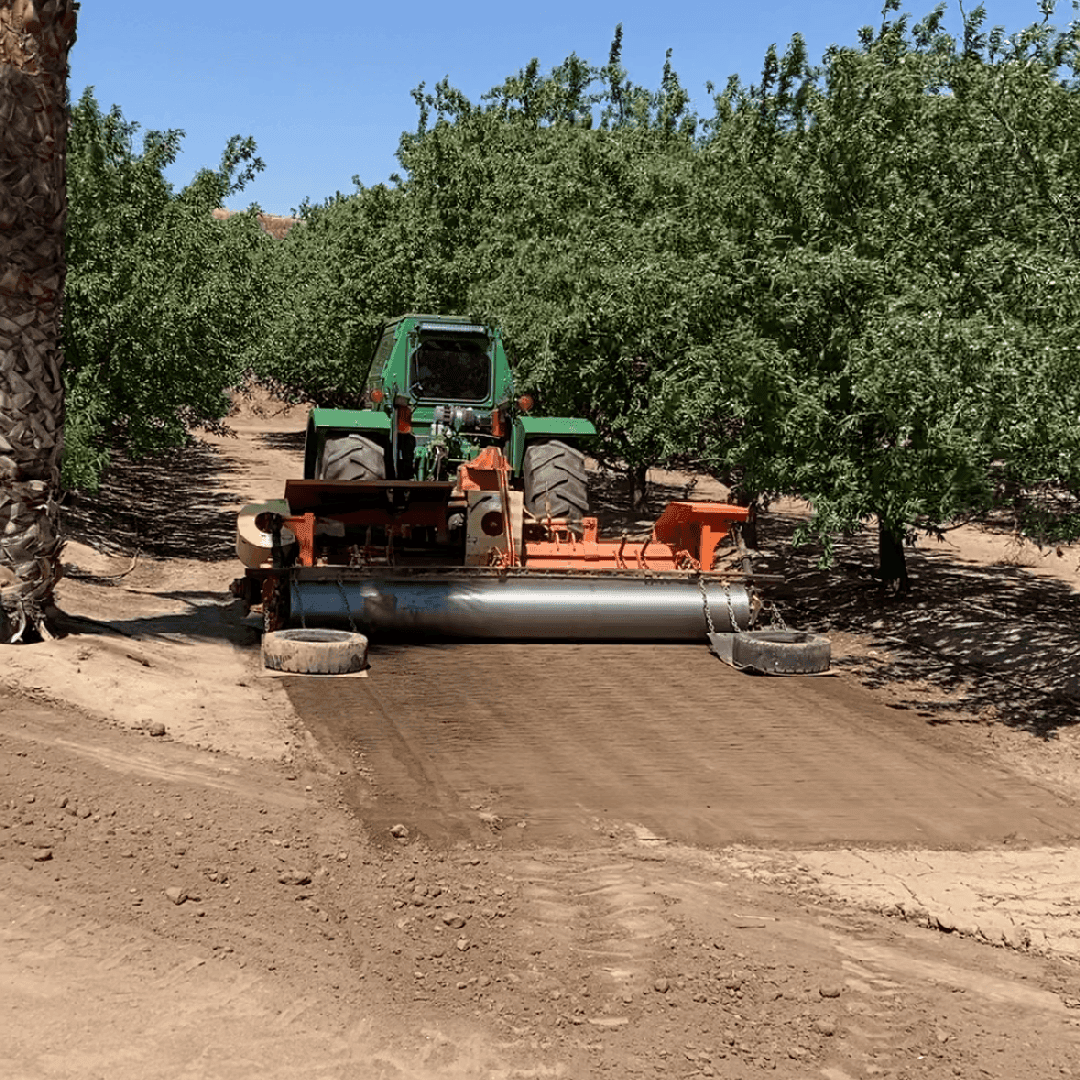
One of the biggest practical issues with extended rain is access. Heavy equipment in wet orchards or vineyards causes compaction that affects root health for years.
If you cannot get into the field without leaving ruts, it is usually better to wait. Short term impatience can create long term soil problems.
What Orchard Growers Should Be Watching
If you farm almonds, walnuts, or other orchard crops in Northern California right now, here are the priorities.
Monitor disease models and weather forecasts daily.
- Make sure fungicide applications are timed ahead of infection windows.
- Coordinate closely with your applicator so you don't scramble.
- Avoid running heavy equipment on saturated soils.
- Check drainage areas for ponding and clear blockages.
After the rain, walk blocks and assess bloom quality and early set. An uneven set often tells the story of what happened during the weather event.
What Vineyard Growers Should Focus On
In vineyards, February rain can be helpful if the soils are dry, but it also requires attention.
Watch for standing water in low areas. Grapevines do not tolerate prolonged saturated roots well.
- Inspect drainage ditches and outlets.
- Delay soil work or cultivation until the ground is fit.
- Review fungicide plans as budbreak approaches.
If rain extends into early bud development, disease risk increases, particularly in blocks with a history of mildew pressure.
A Balanced View
Rain in February is not bad. In many cases, it is needed. The key difference between benefit and damage is preparation and response.
Growers who know their soil types, drainage patterns, and disease history can manage extended rain with minimal impact. Those who ignore it or react too late often see the consequences weeks later.
The weather is outside our control. Preparation is not.
Planning and Coordination Matter Most
When a five to seven day storm pattern shows up, the biggest risk is not just the rain itself. It is the bottleneck that follows.
Everyone needs spraying done at once. Crews are stretched thin. Equipment gets backed up. Timing windows shrink.
This is where early scheduling and visibility into service availability make a difference. Knowing who is available and lining up work before the storm hits reduces panic once the weather clears.
Agnomy helps growers coordinate orchard and vineyard services so critical work is not left to last minute calls. When the weather creates pressure, planning keeps operations steady.
Rain will always be part of Northern California farming. Managing it well is what separates average seasons from strong ones.