Old orchards do not last forever. Declining yields, disease pressure, outdated spacing, or a shift in crop economics eventually force growers to decide to remove and replant. Orchard redevelopment is a significant investment, and doing it right from the start can save years of frustration and lost production.
This guide walks through the whole orchard redevelopment process in California, from removing an old orchard to preparing the ground and planting a new one. These are the steps growers typically follow to set up a new orchard for long-term success.
Evaluating the Existing Orchard
Before any equipment enters the field, the first step is evaluation. Growers need to understand why the orchard is being removed and what challenges may exist below the surface.
This includes reviewing tree age, production history, disease presence, such as replant disease or nematodes, irrigation layout, soil compaction, and rootstock performance. Soil sampling and root zone evaluation at this stage can help guide later decisions on fumigation, amendments, and crop selection.
Tree Removal and Orchard Clearing
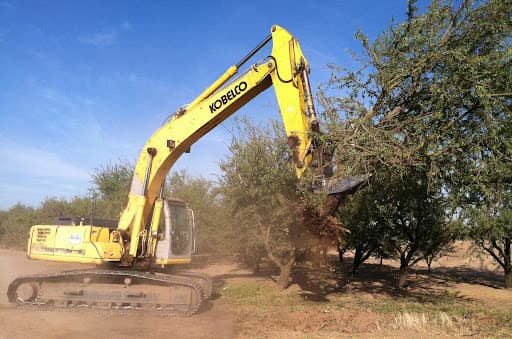
Once the decision is made, proper orchard removal is critical. This step typically involves pushing or pulling trees, removing trunks and large root systems, and clearing surface debris.
Incomplete removal can leave large roots in the soil, which interfere with ripping, fumigation, and future root development. The goal is to remove as much woody material as possible to avoid regrowth, disease carryover, and uneven ground conditions.
Timing matters. Many growers schedule orchard removal during dry conditions to minimize compaction and allow equipment access.
Stump Grinding and Root Removal
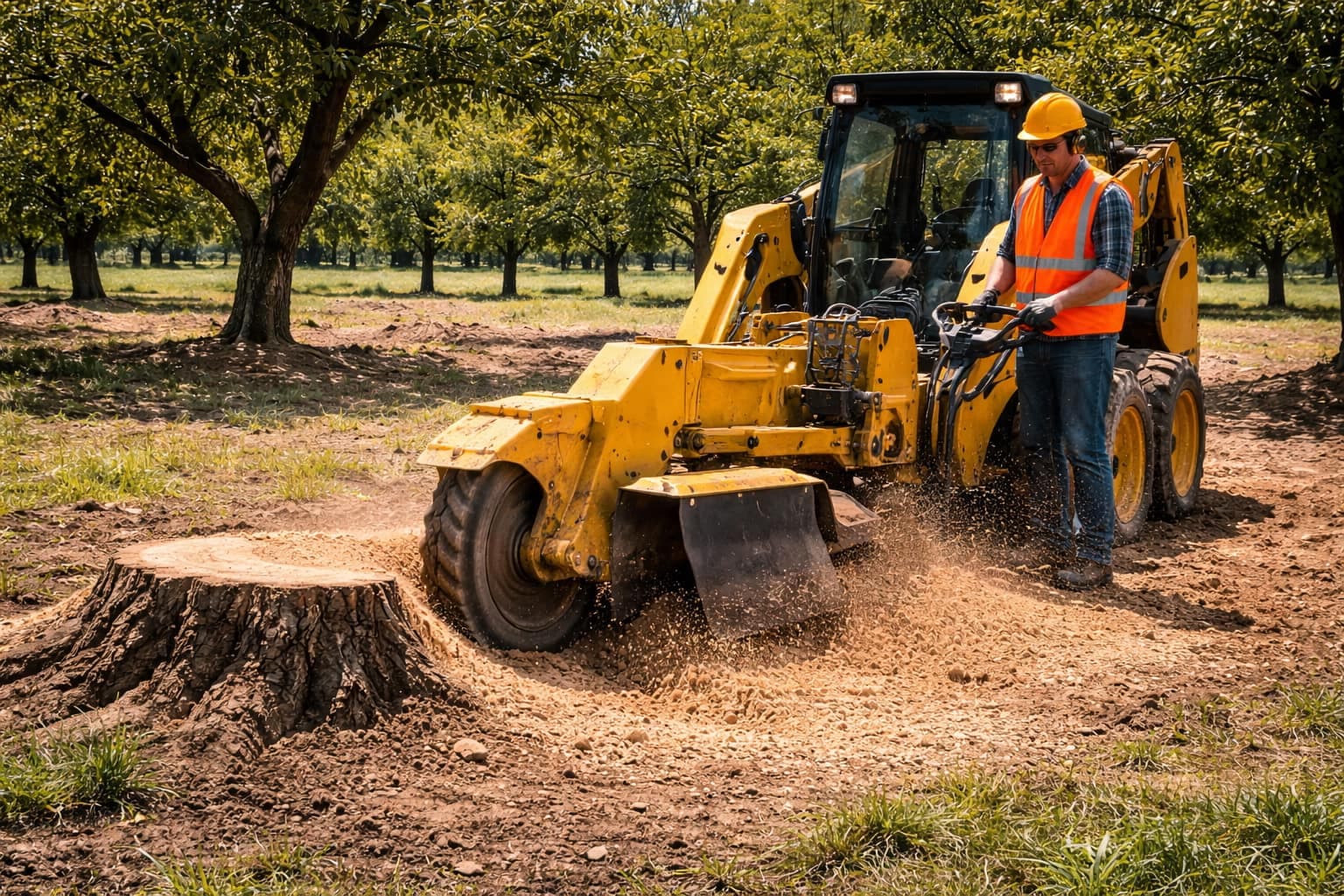
After trees are removed, stumps and remaining roots need to be addressed. Stump grinding is often used to reduce surface material, but deeper root removal may still be required depending on crop type and replant spacing.
Roots left behind can cause settling, interfere with irrigation installation, and contribute to replant disease. Thorough root removal allows for better soil preparation and more uniform tree growth after planting.
Debris Disposal and Field Cleanup
Orchard removal generates a large volume of organic debris. Disposal methods vary by region and regulation, but may include chipping, hauling, biomass processing, or approved disposal sites.
Clean fields are essential before moving into soil work. Remaining wood debris can clog equipment, disrupt ripping depth, and interfere with planting accuracy.
Deep Ripping and Soil Preparation
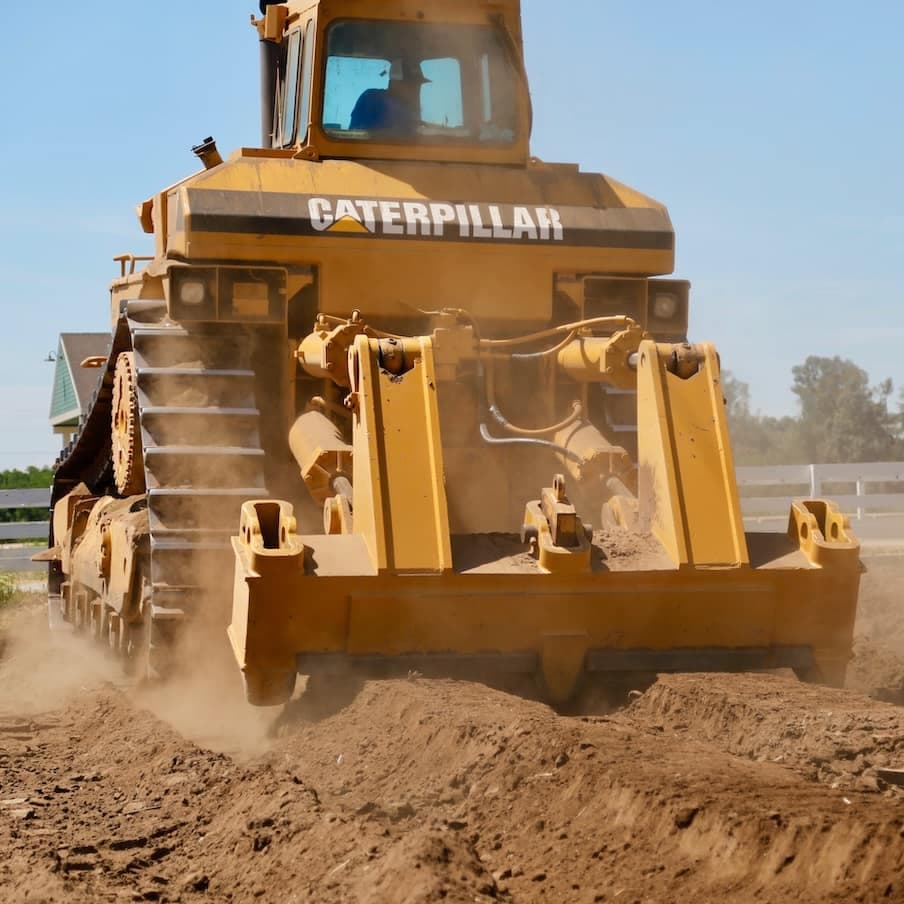
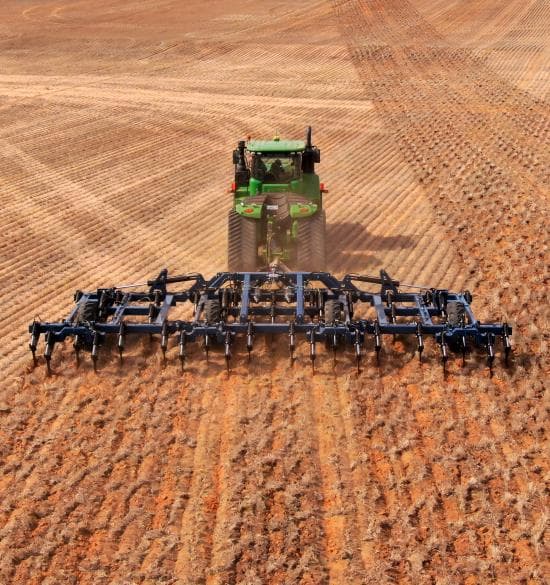
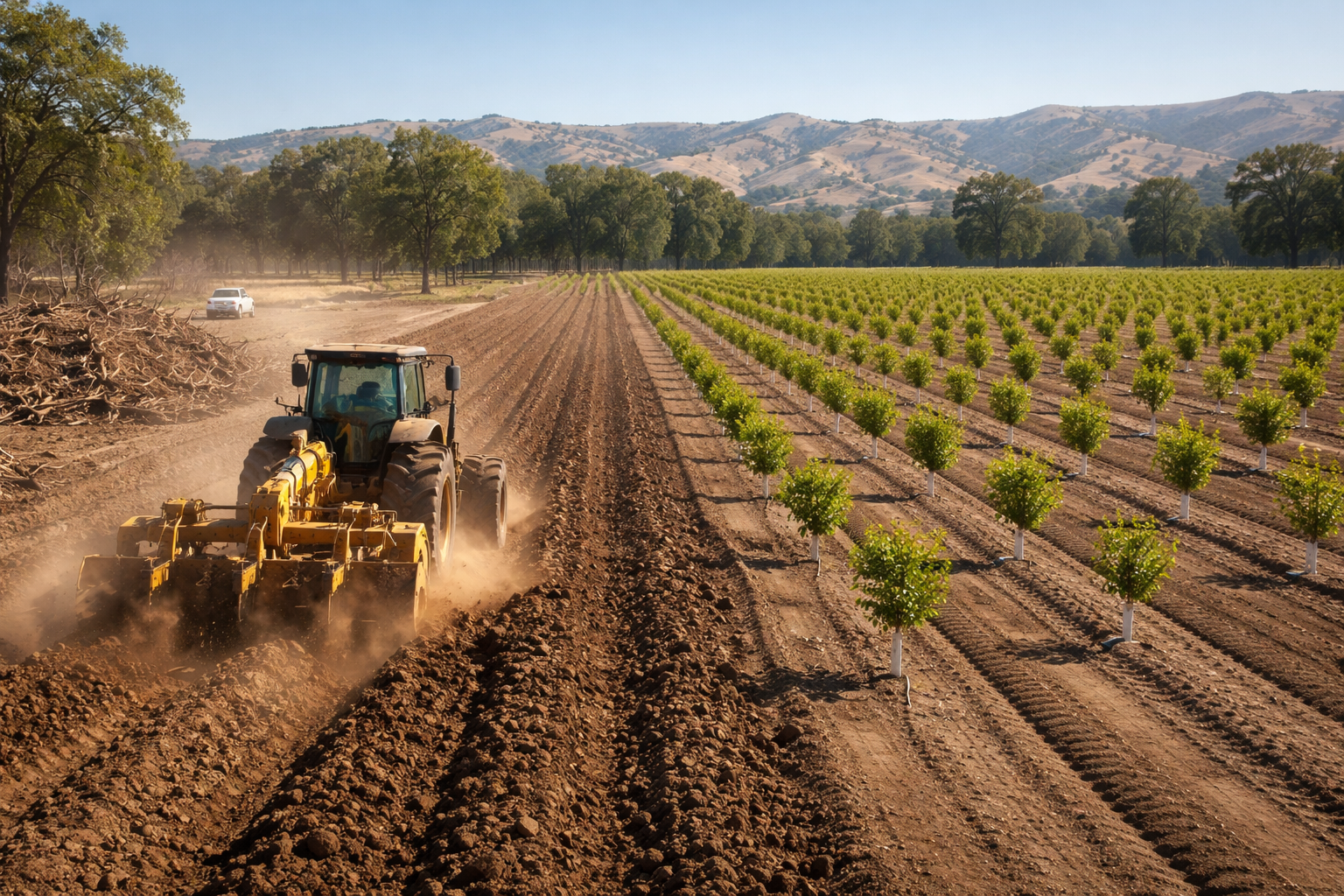
Once the field is clear, deep ripping is commonly performed to break up compaction from years of equipment traffic and old root channels. This improves drainage, root penetration, and overall soil structure.
Many growers combine ripping with soil amendments such as gypsum, compost, or lime, depending on soil test results. Proper soil preparation at this stage directly impacts early tree establishment and long term orchard performance.
Orchard Fumigation or Soil Treatment
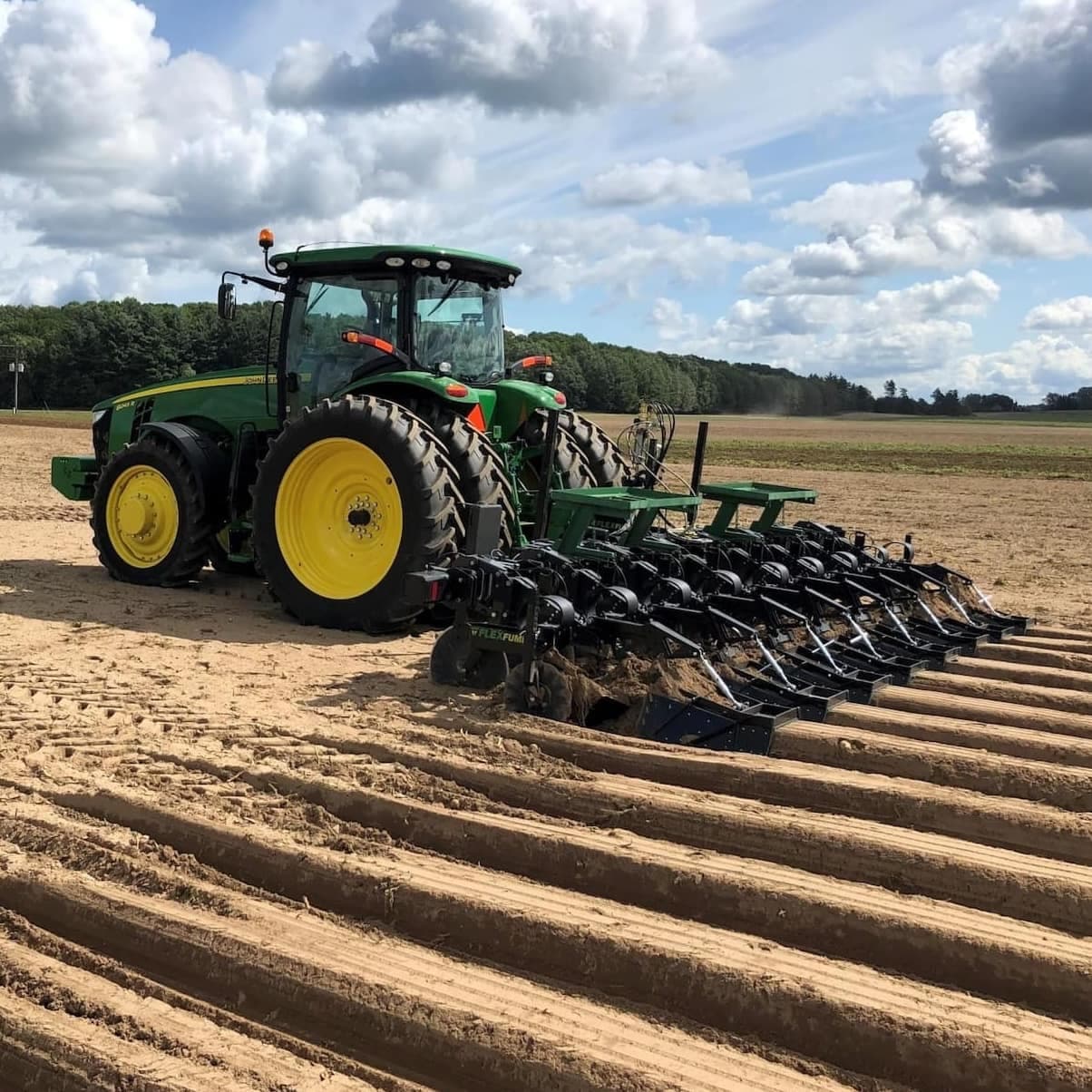
In some cases, especially when replanting the same crop type, soil fumigation or treatment may be recommended to manage nematodes, fungal pathogens, or replant disease.
This step must be carefully timed and coordinated with regulatory requirements and planting schedules. Not all orchards require fumigation, but when needed, skipping it can lead to weak establishment and uneven growth.
Land Grading and Irrigation Installation
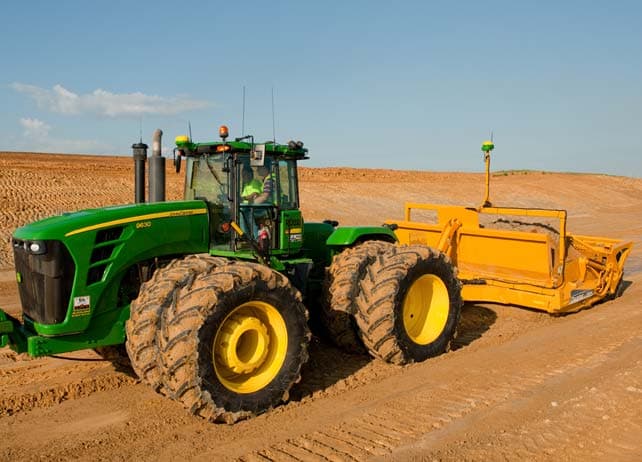
After soil treatment, final grading ensures proper drainage and uniform field elevation. This is also when permanent irrigation systems are installed or updated.
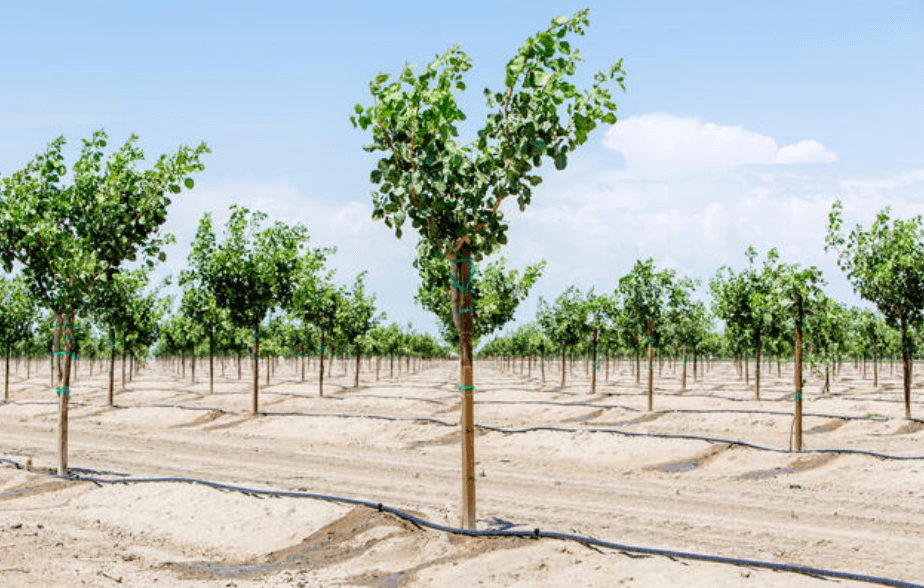
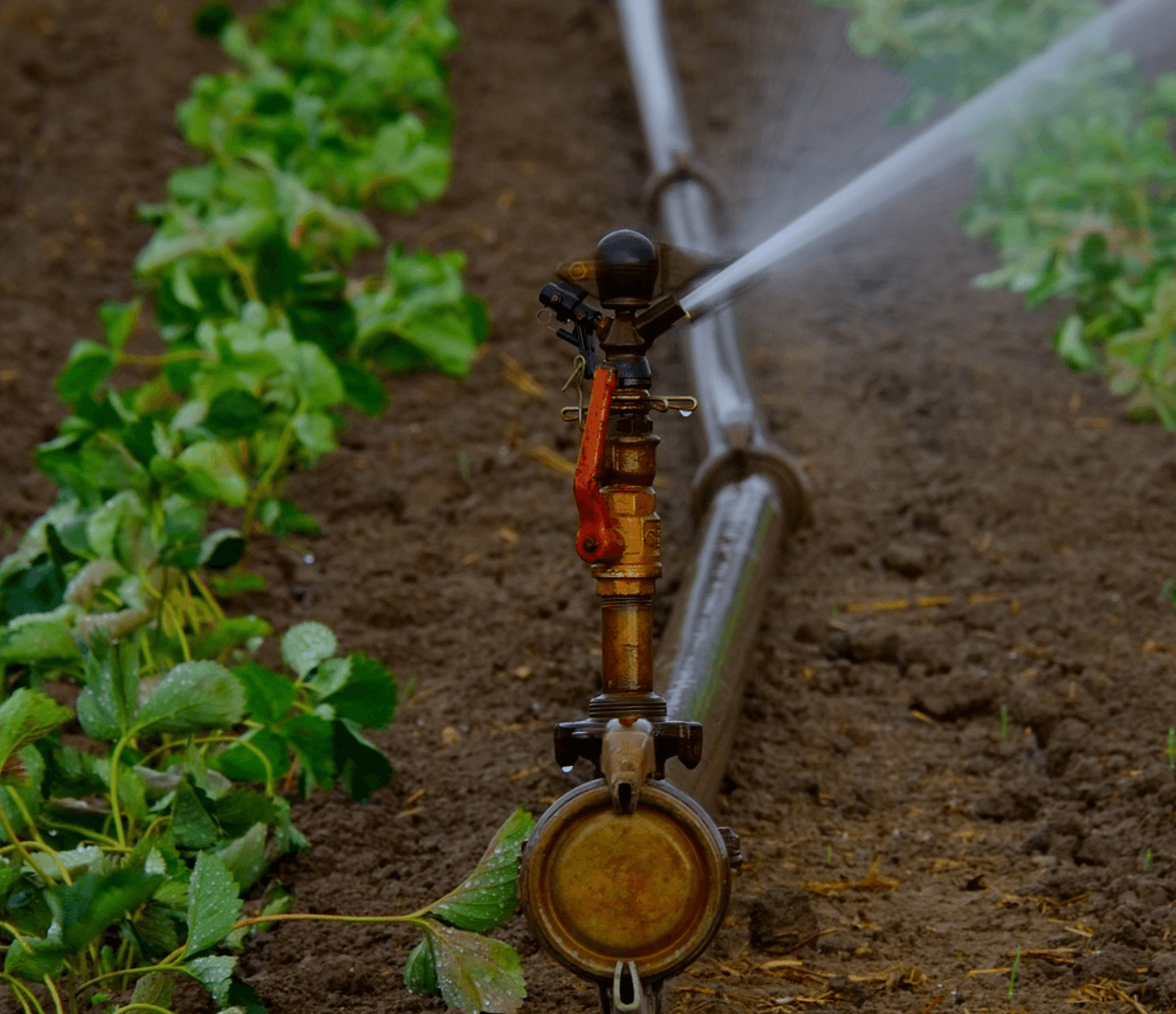
Modern orchard redevelopment often includes converting older irrigation layouts to drip or micro systems designed for new spacing and water efficiency. Getting irrigation right before planting avoids costly rework later.
Tree Selection and Orchard Layout
With the ground prepared, growers finalize tree selection, rootstock choice, spacing, and row orientation. These decisions are influenced by soil type, water availability, equipment access, and long term management goals.
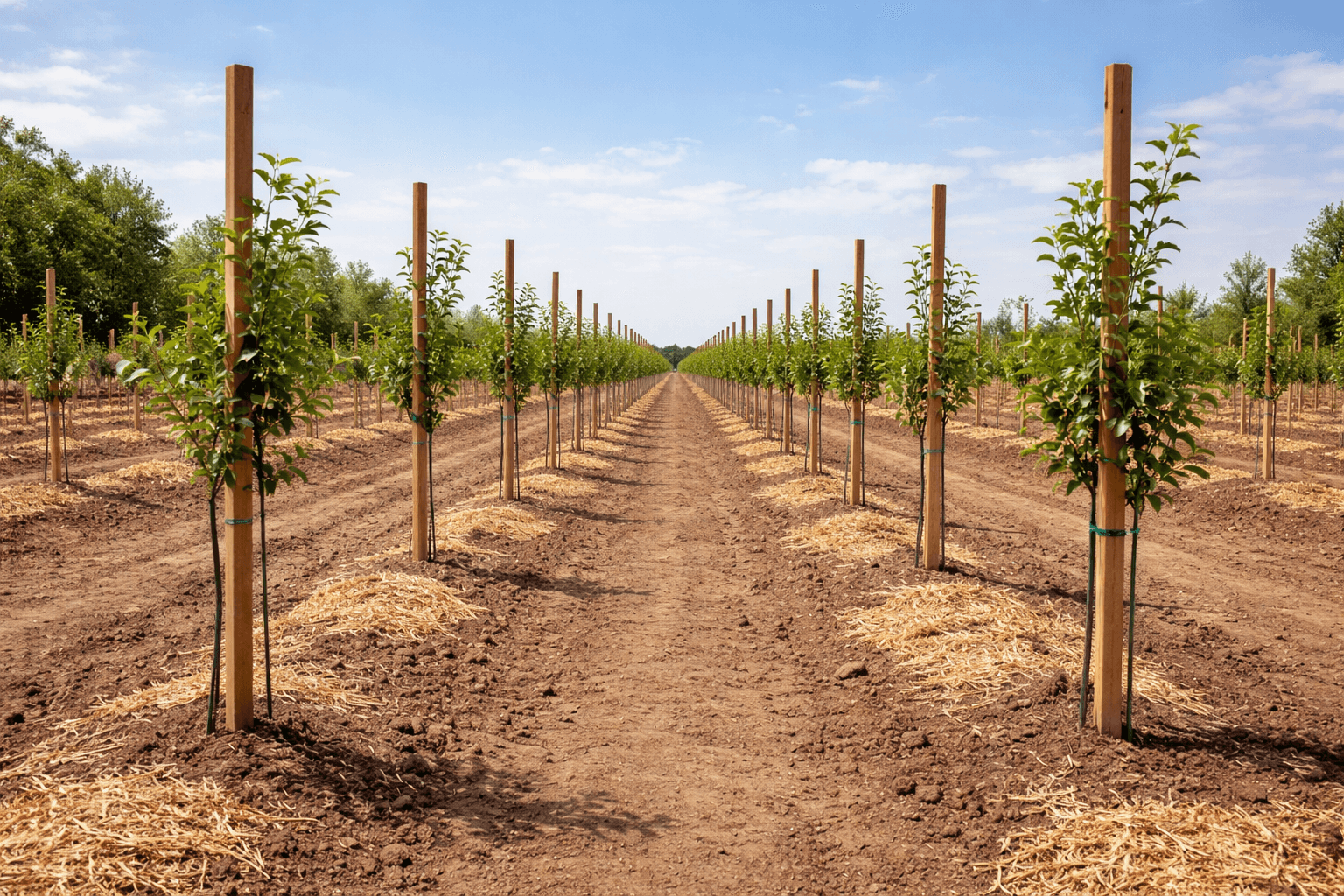
Accurate staking and layout ensure straight rows, consistent spacing, and efficient future operations such as pruning, spraying, and harvest.
Planting and Early Orchard Establishment
Planting marks the transition from development to production. Proper planting depth, root handling, staking, and initial irrigation are critical in the first season.
The early establishment period sets the tone for tree health, canopy development, and productivity for decades. Mistakes at planting are difficult and expensive to correct later.
Planning the Full Orchard Development Process
Orchard redevelopment is not a single job. It is a coordinated sequence of specialized services that must happen in the correct order. Removal, soil work, treatment, irrigation, and planting all depend on timing, equipment availability, and experienced operators.
Growers who plan the entire process early are better positioned to avoid delays, control costs, and achieve uniform orchard establishment.
How Agnomy Helps With Orchard and Land Development
Agnomy helps California growers source qualified land development and orchard service providers for every step of the redevelopment process. From orchard removal and debris disposal to soil preparation, ripping, fumigation, irrigation installation, and planting support, Agnomy connects growers with local professionals who understand orchard operations and timing.
Instead of relying on word of mouth or last-minute availability, growers can find and coordinate orchard development services in one place, helping ensure new plantings get off to a solid start.