Late January into early February is that critical transition window on the California farm, the point where winter work winds down, and pre-bloom readiness kicks into high gear. If you’re growing almonds, grapes, prunes, walnuts, or stone fruit, the decisions you make in the next few weeks will echo through bloom and into fruit set.
1. Bud Swell Is No Longer a Theory — It’s Close Reality
By this time of year, buds on permanent crops are beginning to swell, especially on lower elevations and warmer blocks. While full bud break usually doesn’t hit until late February or March in most Central Valley and foothill vineyards, those initial pushes signal that trees and vines are gearing up for growth.
2. Frost Risk Is Still Real — Get Your Plans Locked Down
Even though we’re close to spring, frost, especially radiational frost, can still hit hard if temperatures dip overnight during bud swell or early bloom. Experienced growers know that surviving these early cold snaps often means planning with:
- Active protection systems like wind machines and irrigation strategies
- Passive measures such as soil preparation and cover crop management
- Monitoring weather data daily, leading into February and March
Frost protection isn’t just about having equipment; it’s about having a decision tree and a crew ready to act when temperatures drop below thresholds critical for your crop.
3. Sprayer & Equipment Readiness — Don’t Wait for Bloom
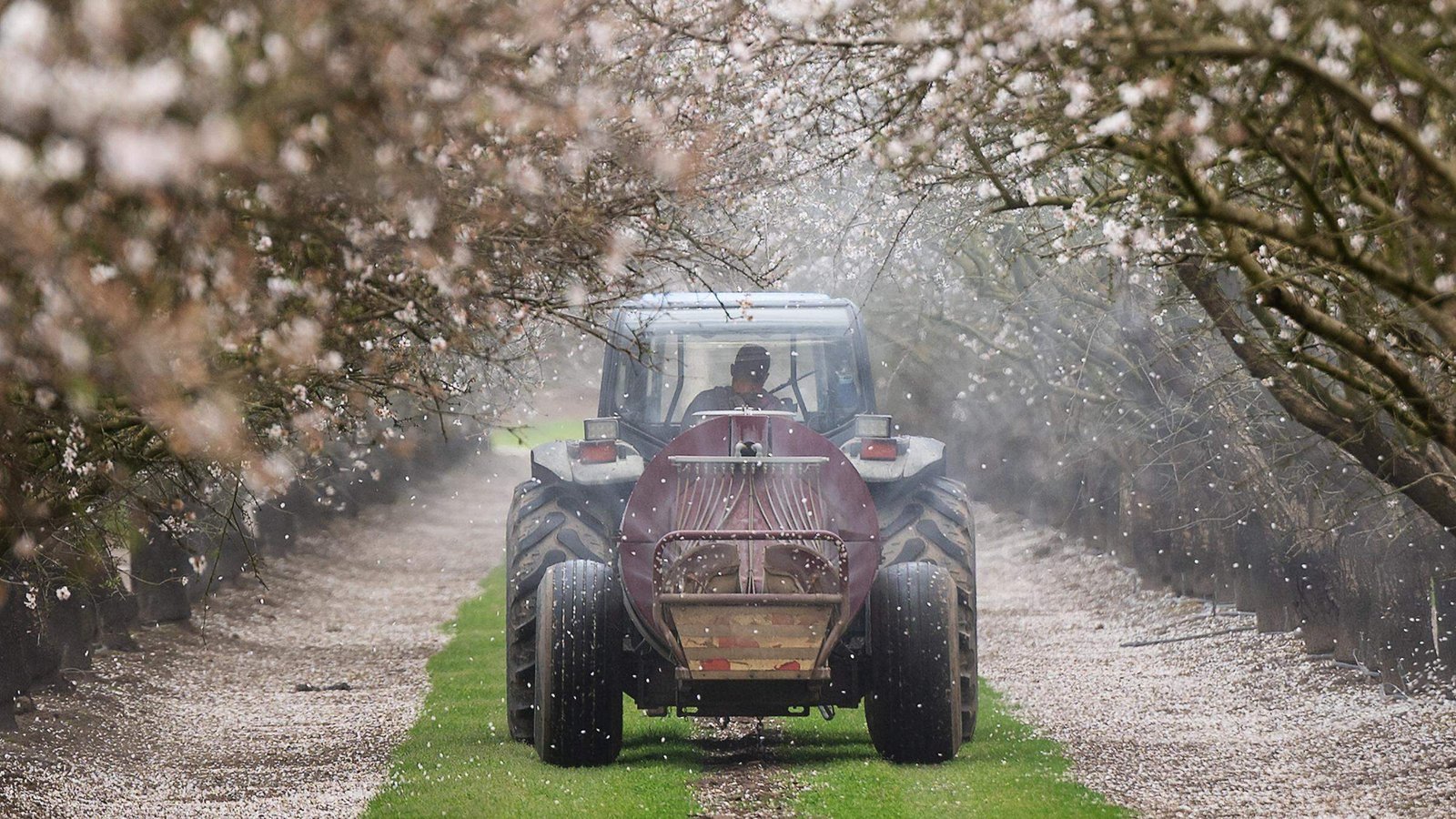
This is the time I always double-check the sprayer calibration, nozzle inventory, pump performance, and tank agitation. Early fungicide or oil applications, timed correctly and in compliance with label instructions, help reduce overwintering disease inoculum before canopy closure. If your fleet isn’t ready now, you’re working against the clock once buds open wider.
4. Ground Prep, Soil Temps & Early Root Activity
Although most of these crops remain dormant above ground, root systems are waking up. Soil temperature and moisture are key to foundation health:
- Ensure good soil contact and drainage.
- Minimize compaction by scheduling heavy traffic when soils are firm.
- Keep an eye on ground cover; dense covers can affect soil warming but help with moisture and erosion control through early spring.
The balance between soil warming and frost risk is one I’ve spent years dialing in.
5. Final Pruning Tweaks — If You Haven’t Finished
In some blocks, you might still be wrapping up dormant pruning. Just remember, delaying cuts too late can expose you to bud break before pruning is done, OR conversely, delay bud swell slightly to avoid frost exposure. Winter pruning strategy still matters at this stage.
Bottom Line From the Tractor Seat
Late January and early February aren’t “downtime” months; they’re preparation months. What you finalize now in frost planning, equipment prep, soil and cover crop management, and early disease planning will set your orchard or vineyard up for a stronger bloom, better fruit set, and fewer curve balls when warmer weather hits.
Talk to your PCA, check your blocks daily, and don’t let complacency sneak in just because it’s still technically winter. This is where we earn the season.