February is a critical planning month for California agriculture. While winter conditions still linger in many regions, experienced growers know that what gets planned and prepared now directly impacts how smooth the spring season runs. From planting schedules and soil prep to equipment readiness and labor planning, late February is about getting ahead of the curve before the pace accelerates.
Across the Central Valley, coastal production regions, and orchard-heavy areas, farmers are finalizing decisions that will shape the next several months of work. Here’s what California growers should be focused on as February comes to a close.
Finalize Spring Planting Schedules
By late February, most growers are locking in planting timelines for early spring. Even if fieldwork hasn’t fully started, this is the window to confirm crop rotations, seed orders, and planting sequences.
Cool-season crops such as leafy greens, brassicas, carrots, and onions are already underway in many regions, while row crop and specialty producers are preparing ground and coordinating equipment availability. Orchard and vineyard operations are also aligning post-dormant work with upcoming bloom and early growth stages.
Clear planting schedules now help avoid bottlenecks when labor, equipment, and field access all compete for attention in March.
Complete Soil Testing and Nutrient Planning
Late winter is one of the best times to review soil test results and finalize nutrient management plans. Fertility decisions made before spring growth begins can improve uptake efficiency and reduce unnecessary inputs later in the season.
February is ideal for:
- Reviewing soil sample results
- Planning pre-plant fertilizer applications
- Adjusting nutrient programs based on crop type and field history
- Coordinating application timing with irrigation schedules
Early planning gives growers flexibility and avoids rushed decisions once fields are active.
Inspect and Prepare Equipment
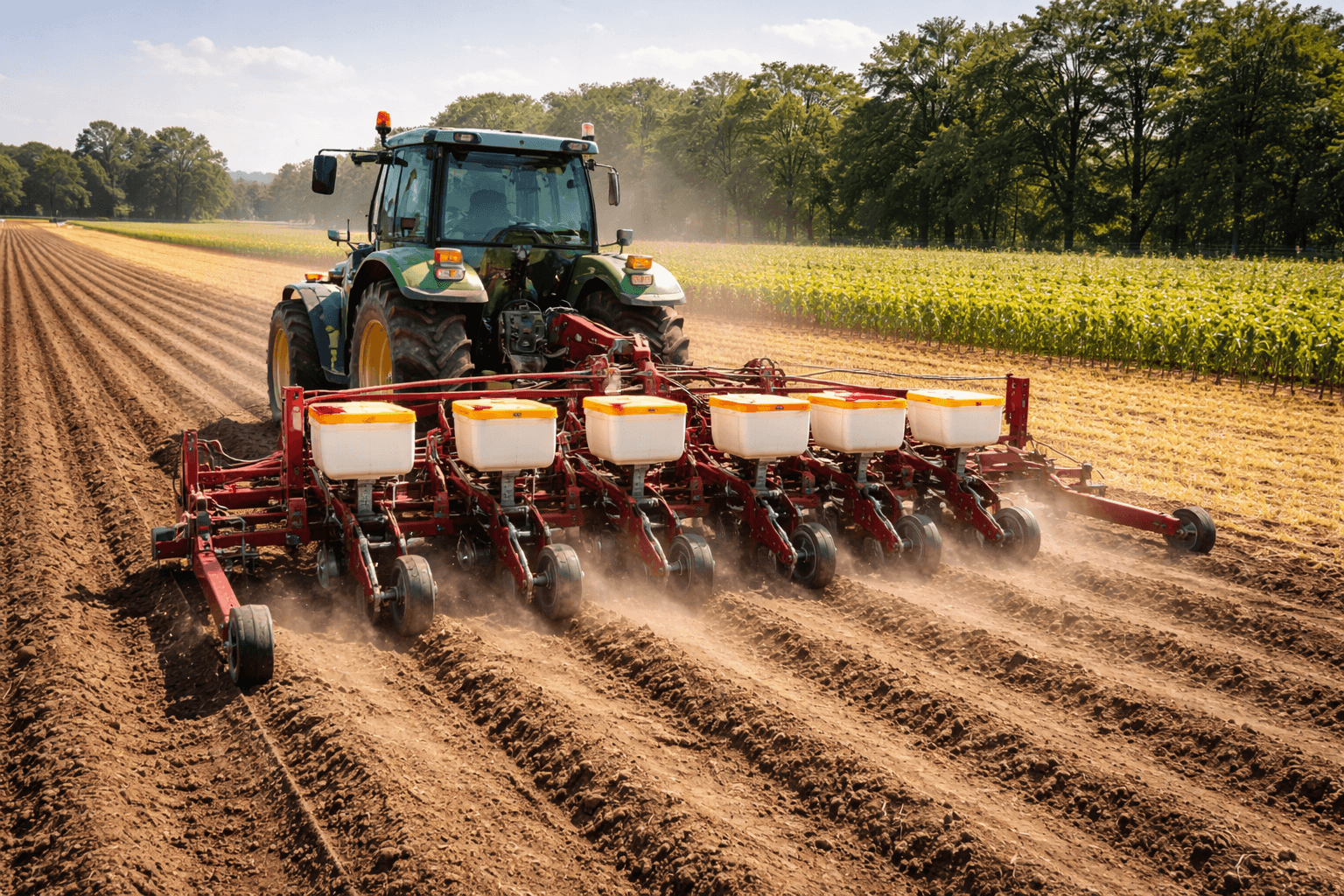
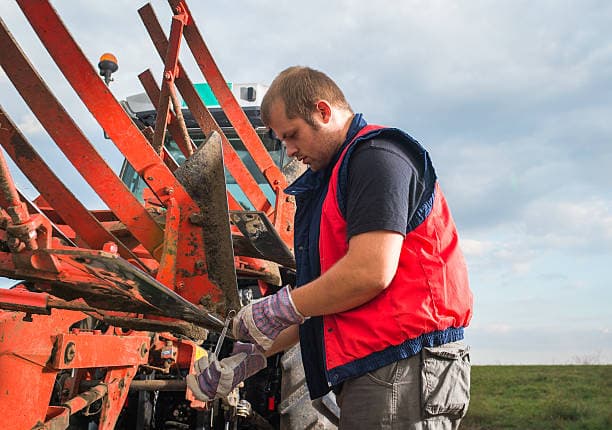
As spring demand approaches, equipment availability tightens quickly. February is when many growers search for equipment maintenance, repairs, and custom service availability.
Key areas to focus on include:
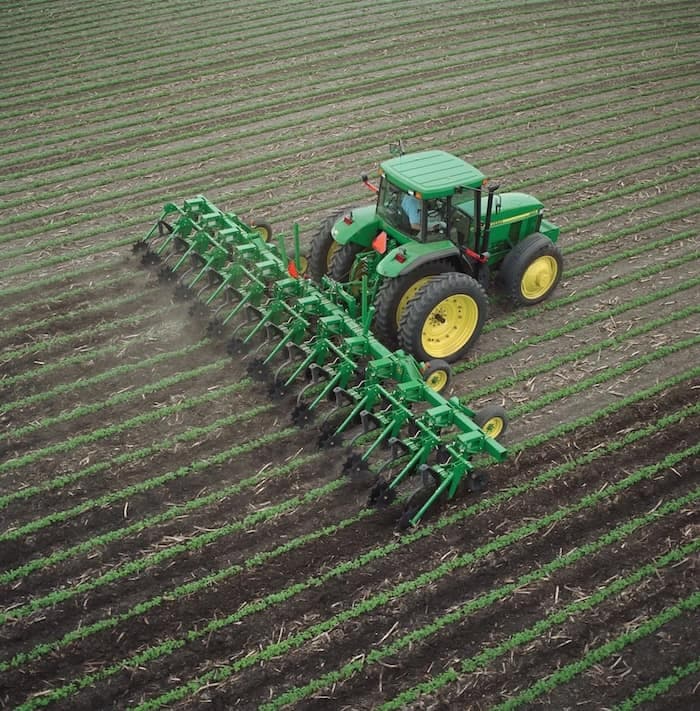
- Tractors, planters, and cultivation equipment
- Irrigation systems, including drip lines, valves, and pumps
- Sprayers and spreaders
- Harvest support equipment is scheduled later in the season
Scheduling maintenance and lining up service providers now helps prevent delays when everyone else is trying to book at the same time.
Pest and Disease Monitoring Prep
Even before crops are fully active, February is an important time for pest and disease planning. Orchard and field scouting programs are often set up now to catch early pressure before it becomes costly.
Growers should be thinking about:
- Early-season pest monitoring plans
- Disease pressure history from prior seasons
- Preventative treatments and timing
- Scouting schedules once temperatures begin to rise
Being proactive in February reduces surprises later when conditions favor rapid pest development.
Labor and Compliance Planning
Late February is also when many growers begin planning seasonal labor needs. With spring work approaching, this is the time to assess crew availability, compliance requirements, and safety planning.
This includes:
- Forecasting labor needs by operation type
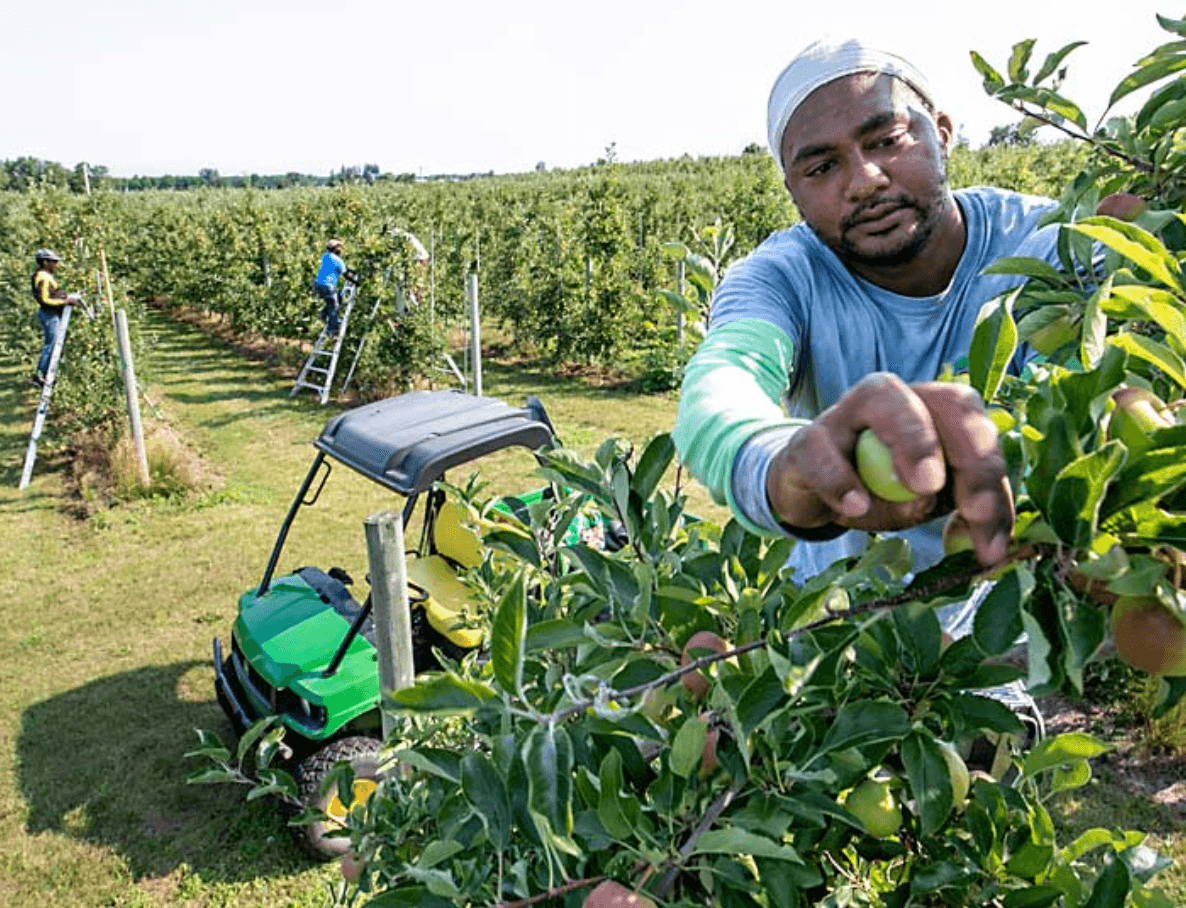
- Confirming worker availability for planting, pruning, or field prep
- Reviewing safety training requirements
- Planning compliance steps ahead of peak workload
Getting labor plans in place early helps avoid rushed hiring and operational gaps.
Industry Events and Planning Momentum
February also brings major industry events, such as the World Ag Expo in Tulare, which often influences equipment purchases, technology adoption, and service planning. Many growers use this time to evaluate new tools, connect with providers, and plan upgrades for the season ahead.
Even for those not attending, February is when conversations about efficiency, automation, and workflow improvements typically begin.
Getting Ahead Before Spring Accelerates
The most successful farming operations use late February to reduce uncertainty. Planning planting schedules, confirming service availability, and preparing systems now allows growers to focus on execution once spring hits full speed.
Whether managing orchards, row crops, or specialty production, February preparation often determines how smoothly the season unfolds.
Find Agricultural Services When You Need Them
As growers move from planning to execution, having reliable access to agricultural services becomes essential. Agnomy helps California farmers connect with verified ag service providers for equipment work, field services, labor support, and seasonal operations, all in one place.
Connect with one of Agnomy’s verified service providers to request a quote and get prepared for the season ahead.
Frequently Asked Questions
What should California farmers be doing in late February?
Late February is ideal for finalizing planting schedules, reviewing soil and nutrient plans, preparing equipment, planning labor needs, and setting up pest monitoring programs ahead of spring growth.
Is February too early to plan spring fieldwork?
No. February is one of the most important planning months. Waiting until March often limits options for labor, equipment availability, and service scheduling.
What crops are typically planted or prepared in February in California?
Cool-season vegetables, early specialty crops, and orchard operations are common focuses, while many growers also prepare ground for spring planting.
Why is early equipment planning important?
Spring demand creates scheduling bottlenecks. Planning maintenance and service needs in February helps avoid delays once peak season begins.