Agriculture technology is no longer a Silicon Valley concept sitting on the sidelines. In 2026, it will become operational technology used directly in the field by farms of all sizes. Growers are moving from curiosity to adoption as they look for tools that deliver real value, improve efficiency, and help manage rising costs and ongoing labor pressure. From AI-driven decision tools to autonomous equipment and connected sensors, these are the technologies California farmers are actively researching and planning around right now.
AI and Generative Tools Are Turning Data Into Decisions
One of the biggest shifts in agricultural technology this year is the use of artificial intelligence on farms. AI is no longer limited to background data processing. It is becoming a practical advisor that helps growers interpret information and make decisions faster.
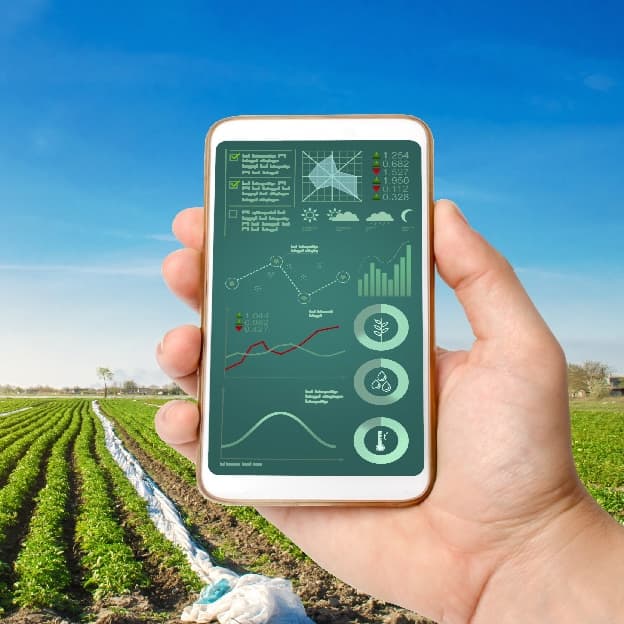
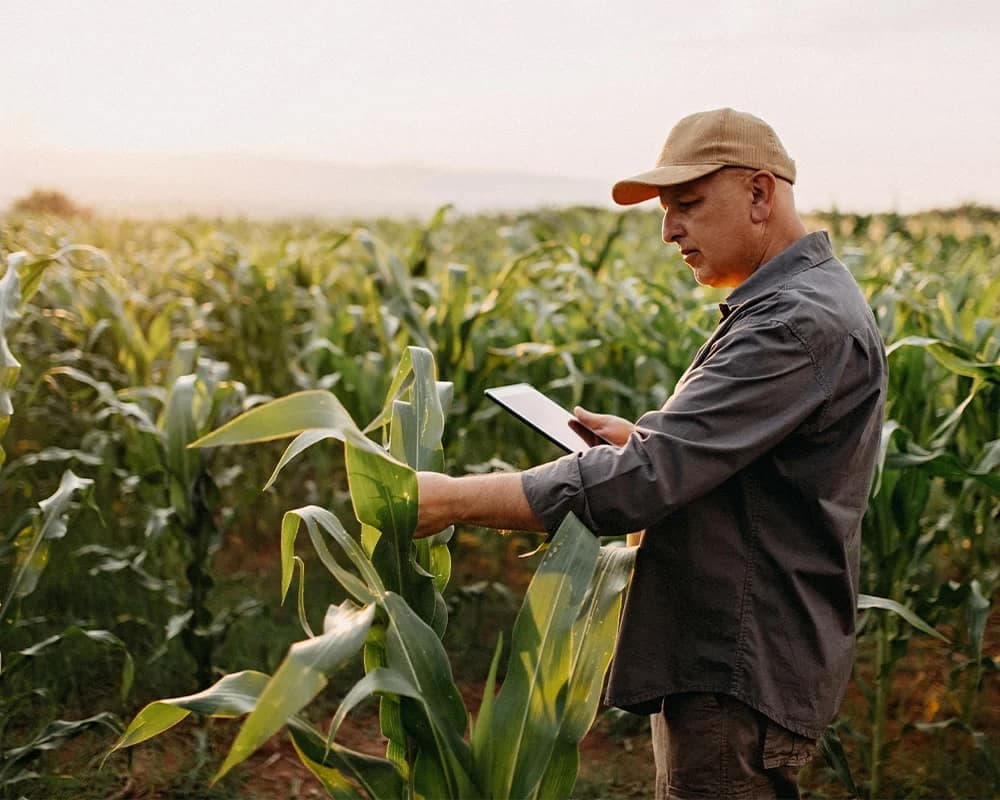
In 2026, ag tech platforms are integrating generative AI directly into farm management systems. These tools help translate sensor data, weather models, and historical field performance into clear recommendations that growers can act on. Instead of sorting through charts and dashboards, farmers can interact with systems that answer direct operational questions such as which fields need irrigation priority or how upcoming weather patterns may affect disease risk.
Instead of wading through dashboards of moisture charts and yield models, farmers can ask the system questions like:
- “Which field should I prioritize irrigation this week?”
- “How might weather patterns influence disease risk next month?”
AI tools like this are already influencing farm strategy before planting even begins.
Precision Agriculture Platforms Are Driving ROI Focused Adoption
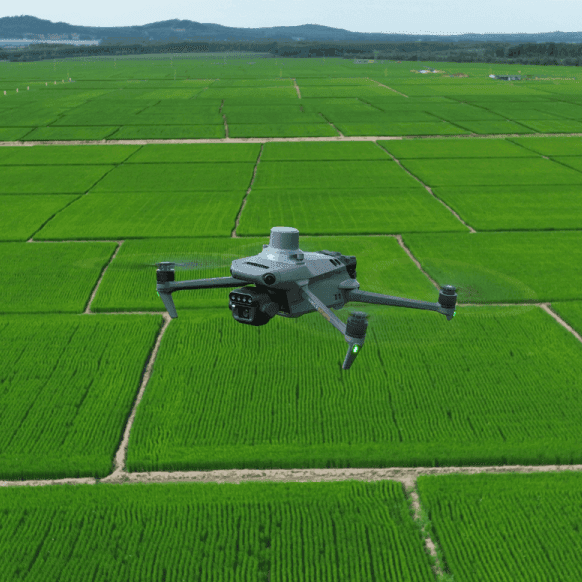
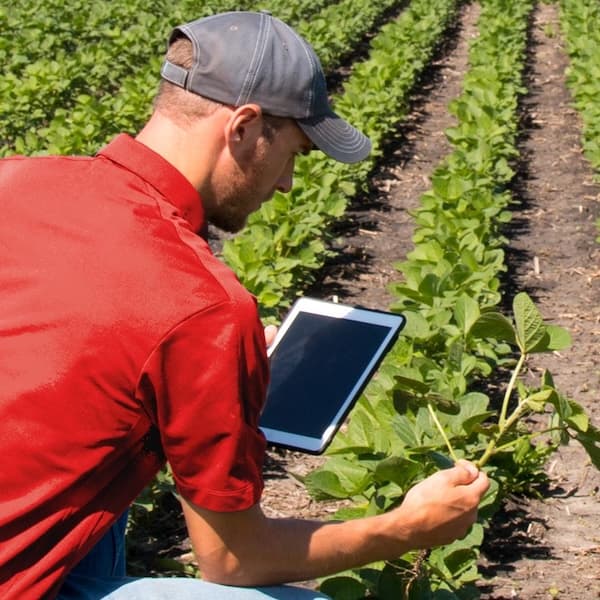
Precision agriculture has moved well beyond early adopters. In 2026, more farmers are using sensors, drones, satellite imagery, and variable-rate tools because these technologies clearly reduce input costs and improve yields. This is especially important in California, where margins are tight and efficiency matters.
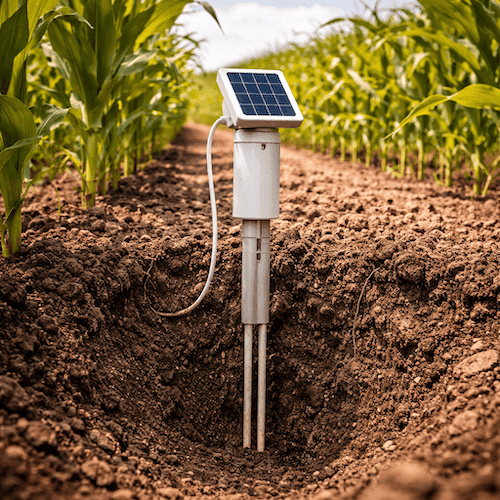
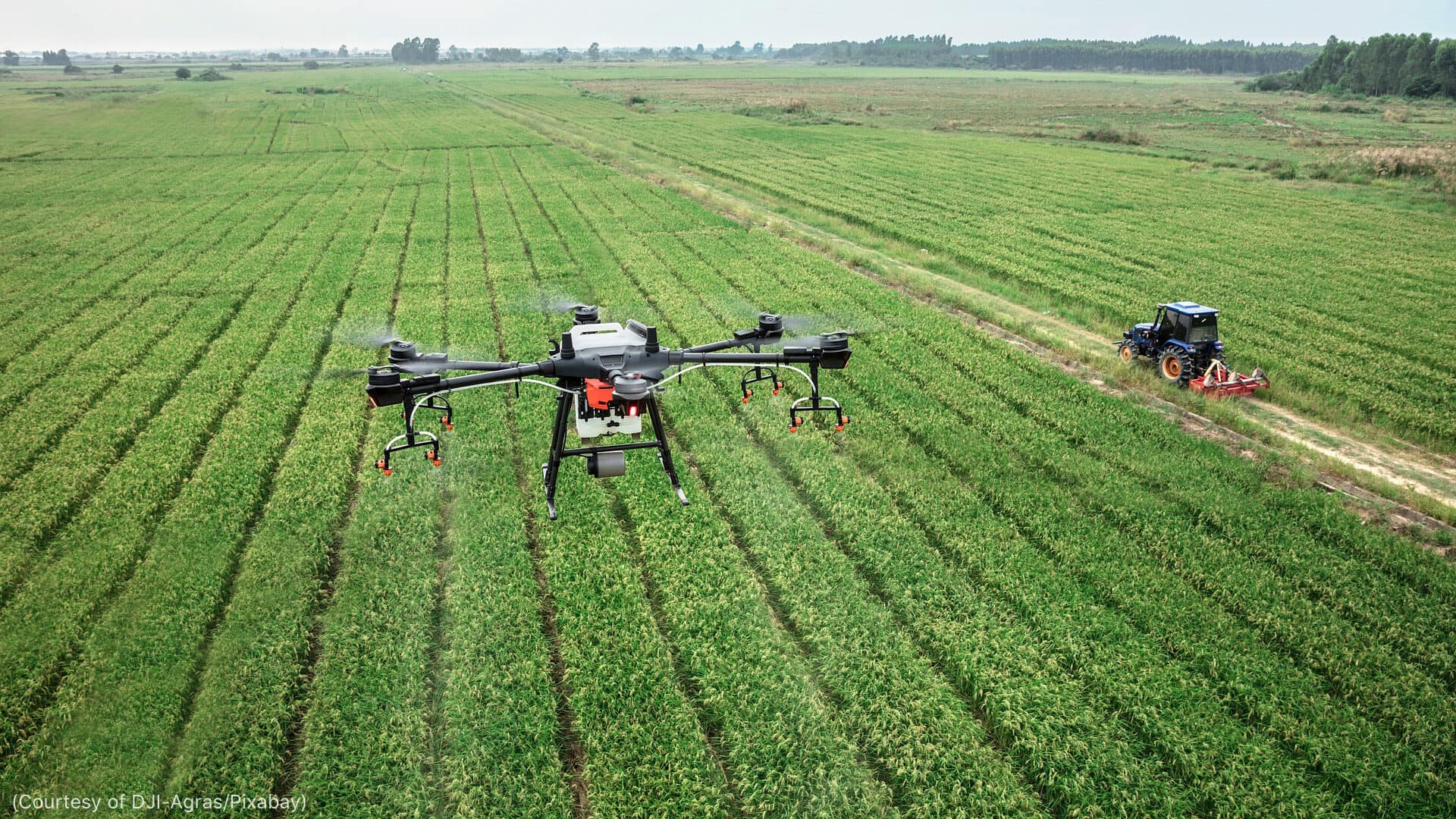
Growers are increasingly looking for real-time soil moisture and nutrient insights, targeted spraying through drone technology, field-wide crop health visibility, and predictive alerts that help guide yield performance. These tools are no longer viewed as experimental. They are becoming trusted planning and management tools across diverse production regions.
Farmers are increasingly seeking:
- Real-time soil moisture and nutrient analytics
- Targeted spraying and sensing via drones
- Crop health maps at scale
- Predictive alerts tied to yield performance
In California’s diverse production regions, these tools are becoming practical planning partners rather than experimental toys.
Autonomous Equipment and Robotics Are Becoming More Visible
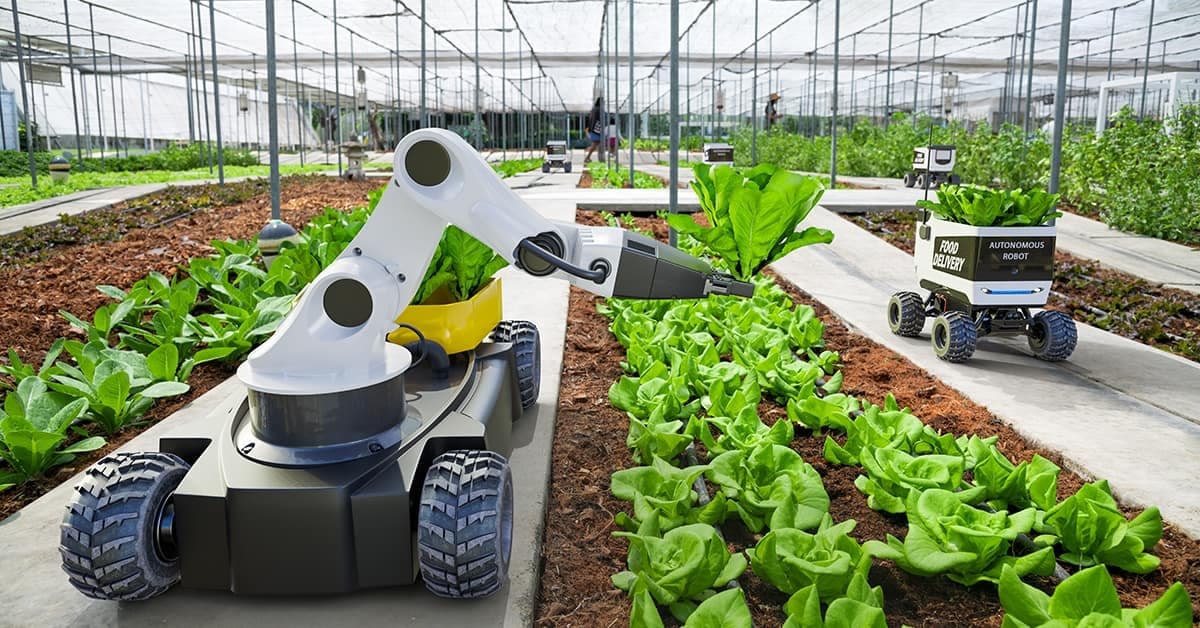
Labor shortages and rising wages continue to push interest in automation. In 2026, autonomous equipment and robotics are becoming more noticeable across fields, orchards, and vineyards.
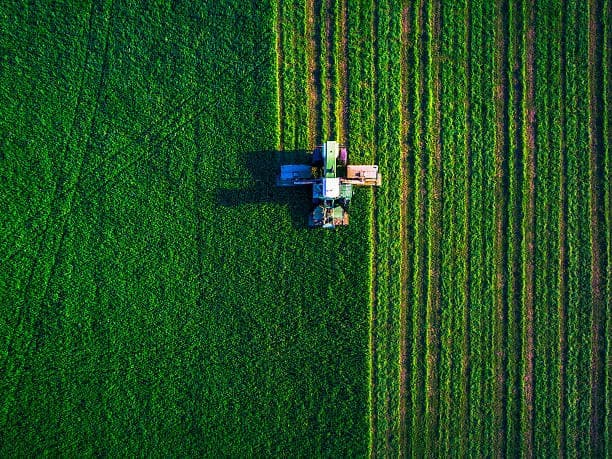
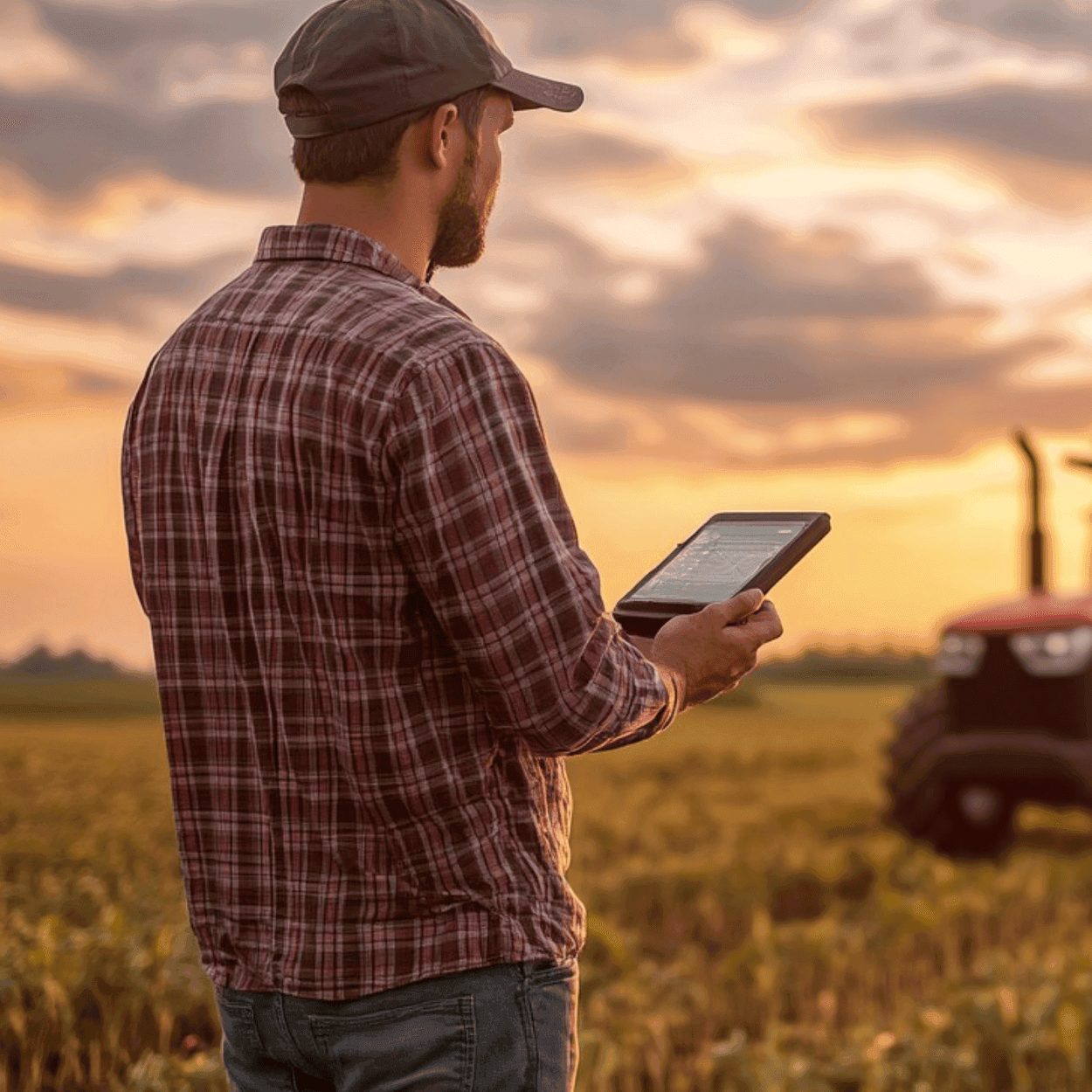
Self-guided tractors, automated weeding and spraying systems, and both ground and aerial drones are being used to support crop monitoring and field operations. Advances in imaging and artificial intelligence are allowing robots to perform tasks such as targeted weeding, seeding, and input application with minimal supervision.
Key developments include:
- Self-guided tractors and field vehicles
- Automated weeding robots and sprayers
- Ground and aerial drones supporting crop monitoring
These technologies are especially relevant for high-value crops where labor is costly, specialized, or increasingly difficult to source.
Connectivity and IoT Are Finally Delivering Real Integration
For years, the promise of agricultural technology depended on reliable connectivity, which many rural operations lacked. In 2026, improvements in rural networks and open data systems are making it easier for devices and platforms to work together in real time.
Connected sensors, machines, and applications can now communicate more reliably, enabling precision irrigation control, continuous livestock monitoring, automated greenhouse climate adjustments, and fully integrated farm management systems. Connectivity is turning isolated data points into a cohesive ecosystem that supports better planning, forecasting, and risk management.
This trend is enabling:
- Seamless precision irrigation control
- Continuous livestock monitoring
- Automated climate adjustments in greenhouses
- Integrated farm management solutions
Connectivity turns isolated data streams into an ecosystem that supports better planning, forecasting, and risk mitigation.
Sustainability, Technology, and Carbon Strategies Are Gaining Momentum
Sustainability focused technology is becoming a core part of farm planning rather than an optional add on. Regulatory pressure, water constraints, and market expectations are driving growers to look for tools that reduce resource use while improving long term viability.
In 2026, farmers are exploring digital measurement and reporting platforms for carbon programs, soil health monitoring tools, water efficient irrigation systems, and analytics that support regenerative practices. These technologies help operations document performance, improve efficiency, and stay competitive as sustainability requirements continue to expand.
Emerging areas include:
- Digital MRV platforms for carbon credit tracking
- Soil health monitoring tools
- Water-saving irrigation tech
- Regenerative agriculture analytics
This isn’t just “nice to have,” it’s a strategic advantage as buyers and regulators demand measurable environmental performance.
What This Means for California Growers
California growers face a unique combination of crop diversity, labor challenges, and water constraints. These agtech trends are not theoretical. They directly influence how planting schedules are built, how irrigation and labor are managed, how inputs are applied, and how long term farm strategies are developed.
- Planting and irrigation schedules
- Labor allocation and service needs
- Input management and sustainability reporting
- Long-term farm planning
Technology is no longer optional. It is becoming a practical tool for competing, adapting, and operating more efficiently in a changing agricultural landscape.
Next Steps for Farmers
Growers looking ahead to the coming seasons should focus on identifying AI enabled decision tools that fit their workflows, evaluating precision platforms that reduce variable costs, and considering automation where labor gaps create the most pressure. Integrating connected sensors can provide real time visibility, while sustainability focused technology can add both operational and market value.
These agtech trends are accelerating because they deliver measurable results. Farms that begin testing and adopting now are positioning themselves ahead of those that wait.
Looking at aerial options? See our guide to agricultural drone services in California for costs, licensing, and how to hire a licensed operator.