Almond harvest is coming fast, and this year growers have a lot to watch. USDA’s 2026 forecast puts the California almond crop at 2.70 billion pounds, with about 1.39 million bearing acres and an average yield of 1,940 pounds per acre. That is down about 1% from last year, but it is still a large crop that will require strong execution through harvest, hulling, shipping, and marketing.
The biggest thing growers should be thinking about now is timing. Some industry reports have pointed to early heat and the possibility of an earlier harvest in certain areas. If harvest starts sooner than normal, equipment, labor, sweepers, shakers, hauling, and huller schedules all need to be lined up early.
Current Crop Forecast
USDA’s official estimate is 2.70 billion pounds. Blue Diamond’s May estimate was very close, around 2.69 billion pounds, with a range of 2.675 to 2.72 billion pounds. When estimates are this close together, it tells us the industry has a fairly clear view of crop size going into harvest.
That does not mean everything is settled. Final crop size still depends on summer weather, nut fill, water management, pest pressure, and harvest conditions. A lot can happen between now and pickup.
Growers should be watching:
Hull split timing
Heat stress during nut sizing
Irrigation cut off timing
Mite and navel orangeworm pressure
Huller and processor capacity
Labor and equipment availability
What Pricing and Market Conditions Look Like
The almond market appears to be more balanced than the last few years. Industry updates point to steadier demand, firmer prices, and improving buyer confidence heading into the new crop cycle.
Key market points:
Crop estimate is steady, not oversized
Bearing acreage is slightly down
Demand appears more stable
Prices have shown signs of firming
Grower margins still depend on execution
Weather and Northern California Harvest Conditions
Northern California growers are dealing with the normal summer concerns. Heat, dry conditions, irrigation pressure, and fire risk all matter heading into harvest. Hot weather can push hull split and move harvest timing forward, while poor air quality or fire conditions can create delays during critical windows.
This is where planning matters. If the crop moves early, growers do not want to be calling around last minute for shaking, sweeping, pickup, trucking, or huller coordination.
What to prepare for:
Earlier than normal harvest timing in some blocks
Heat driven irrigation stress
Dust and air quality concerns
Fire weather risk
Equipment availability tightening
Shorter decision windows once hull split begins
Labor, Equipment, and Harvest Services
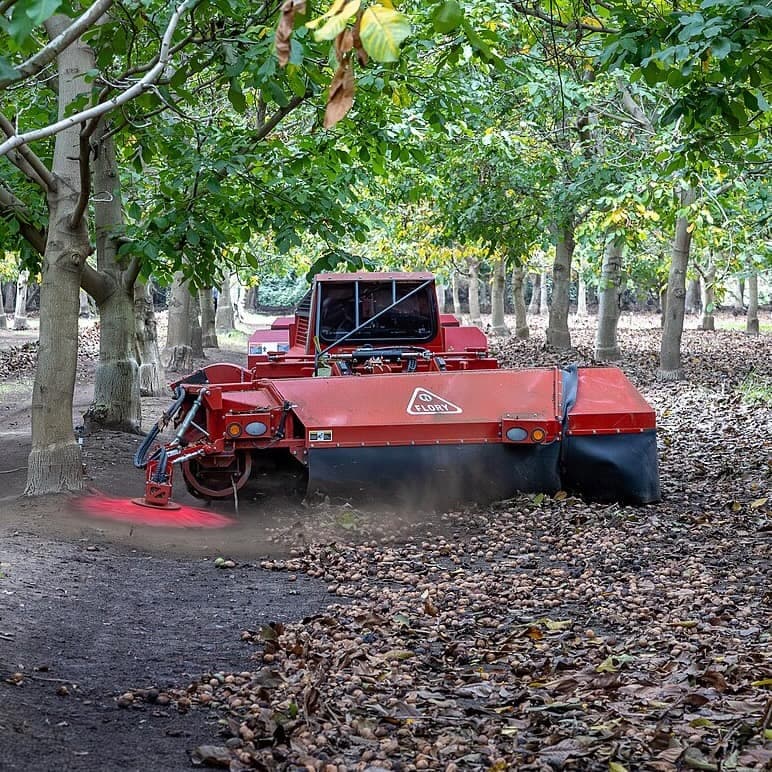
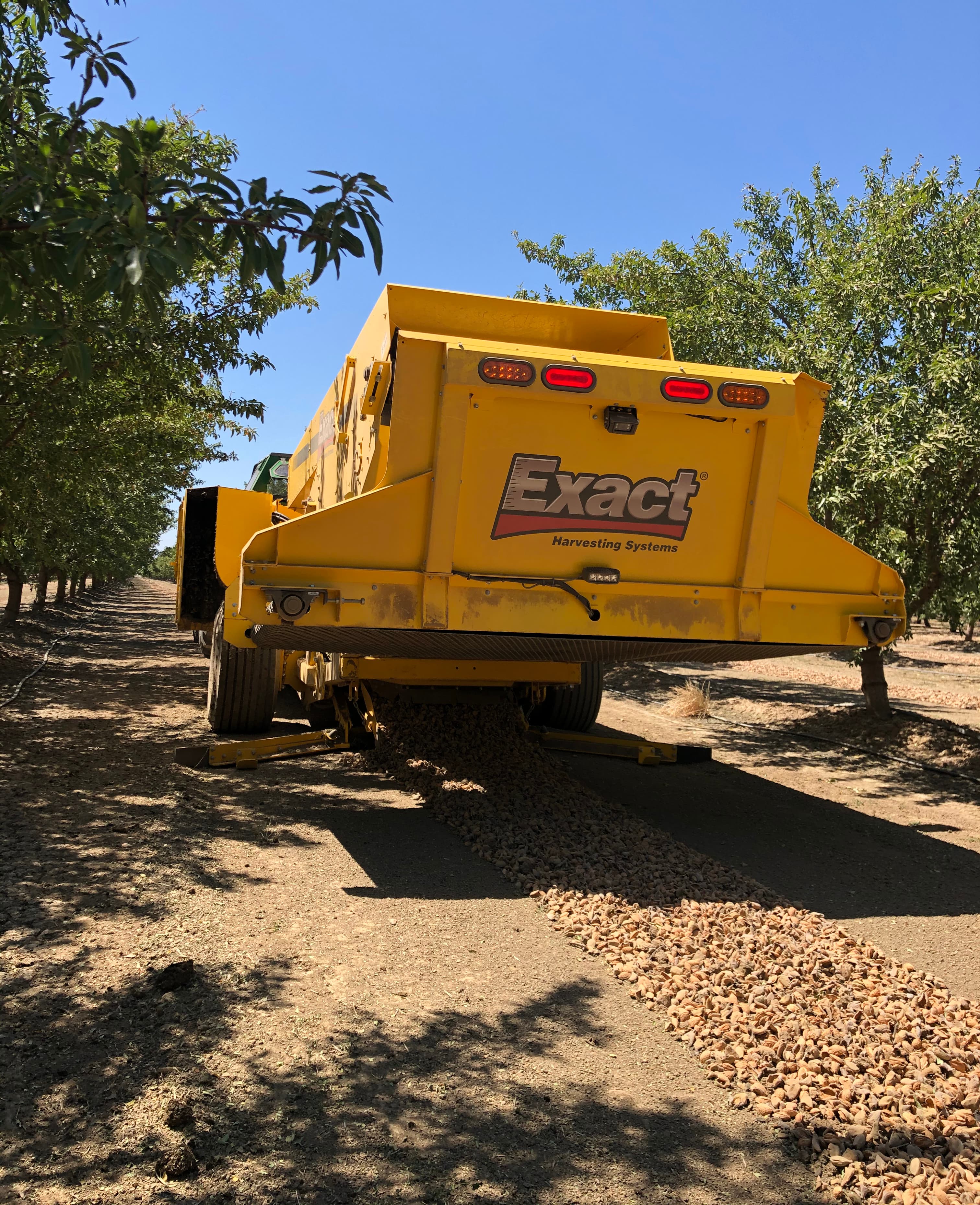
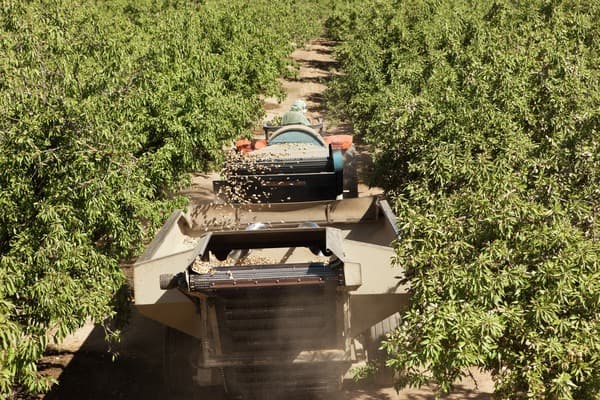
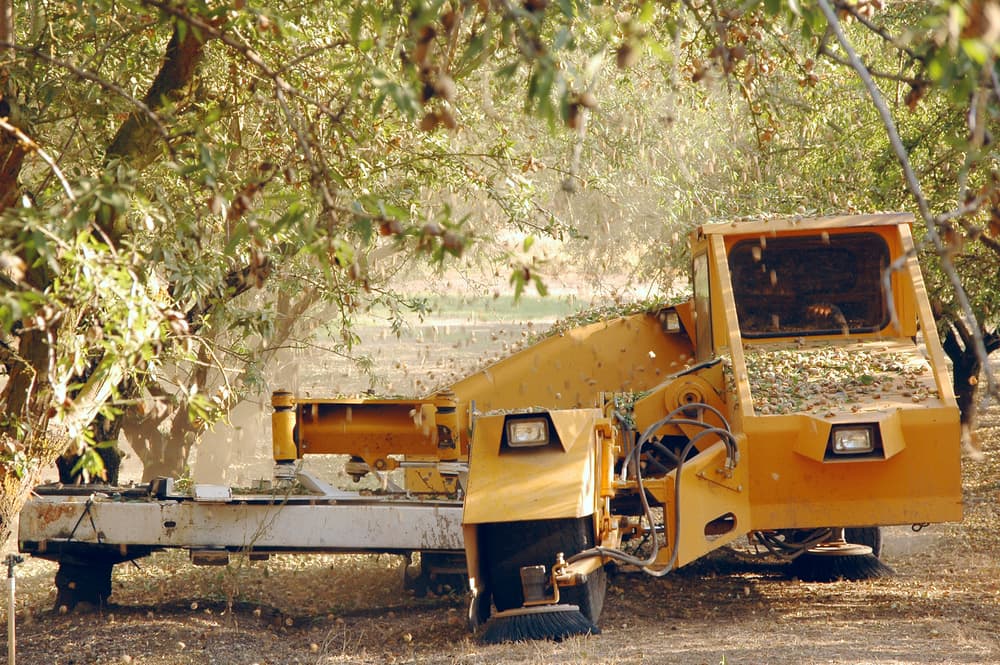
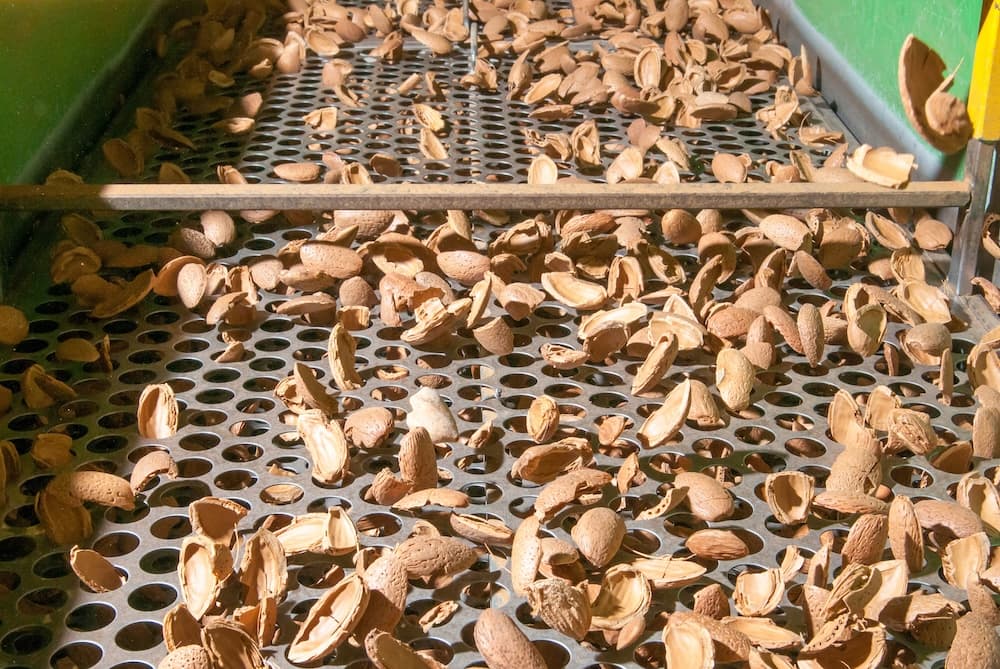
Almond harvest takes coordination. Shakers, sweepers, pickups, bankouts, trucks, trailers, hullers, and labor all need to move in the right order. If one piece is late, everything behind it is pushed back.
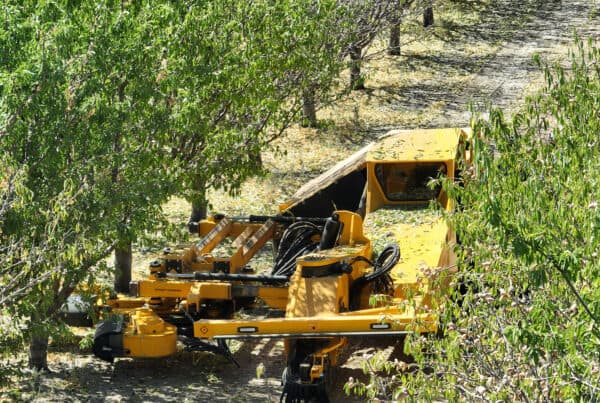
Many growers are already relying more on custom harvest services because equipment is expensive, operators are in short supply, and timing is too important to miss.
Common services growers need:
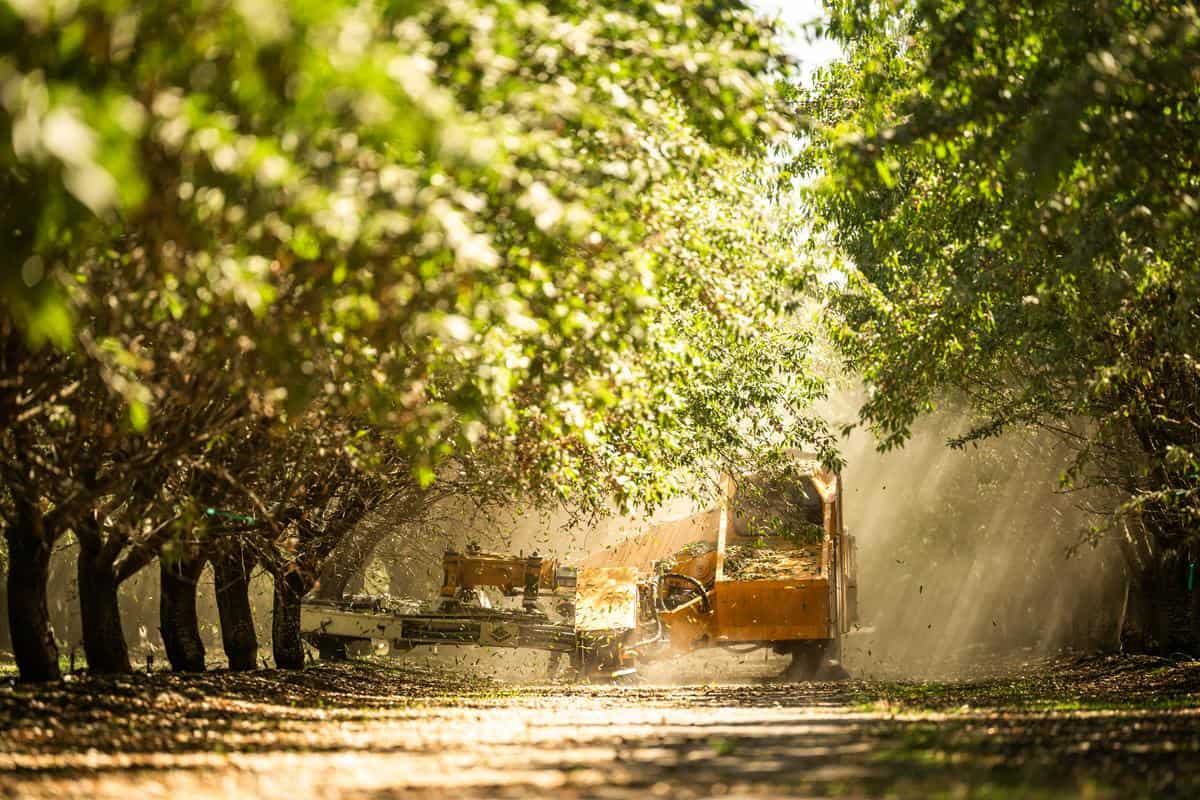
Almond shaking
Sweeping and pickup
Bankout carts and trucking
Huller hauling
Equipment operators
Orchard floor prep
Irrigation repairs before harvest
Final Thought
This year’s almond crop estimate gives growers a good starting point, but the season will still come down to execution. A 2.70 billion pound crop needs clean harvest timing, good quality, strong logistics, and disciplined cost management.
The growers who are ready early will have the best chance to avoid delays once harvest starts moving.
Need Almond Harvest Services?
Agnomy helps growers find trusted agricultural service providers for almond harvest, hauling, equipment support, irrigation repair, orchard work, and more.
Find providers, request quotes, and keep harvest moving when timing matters most.