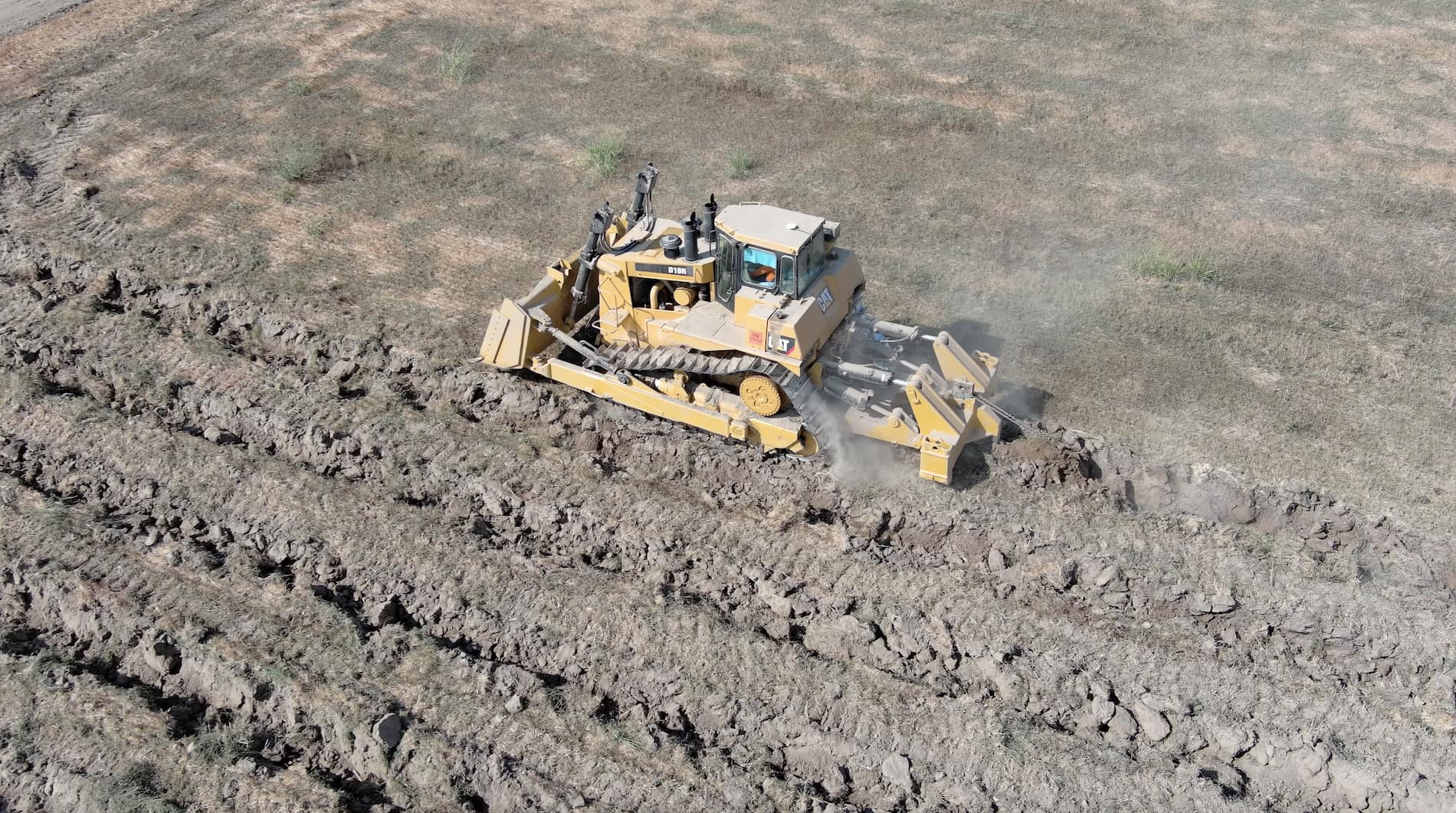
There comes a point when keeping an old orchard going no longer makes sense.
Production may be declining. Trees may be missing throughout the block. A variety may no longer fit the market. Disease problems may be getting harder to manage. The orchard design may not work well with newer equipment, or the grower may simply have decided that the ground needs to produce something different.
Taking the trees out is the obvious part.
What happens between the old orchard and the new one is where many important decisions get made.
Removing trees, dealing with the wood, pulling roots, ripping the ground, fixing drainage, preparing irrigation, leveling the site, and laying out the next planting all become part of one larger redevelopment project. If another orchard or vineyard is going back into the ground, what happens during this window can affect that planting for years.
Learn From the Orchard You're Taking Out
An old orchard can tell you quite a bit about the ground underneath it.
Were there sections where trees consistently struggled? Areas that stayed wet? Trees that never developed like the rest of the block? Hard ground? Salinity problems? Disease? Nematodes? Uneven irrigation?
Those problems should not automatically be blamed on old trees.
If the underlying issue is still in the ground, planting new trees on top of it may simply start the same problem over again.
UC IPM recommends sampling for nematodes when planting or replanting an almond orchard, particularly when the previous crop was an orchard or vineyard. Nematode populations can also vary significantly across a field, so representative sampling matters.
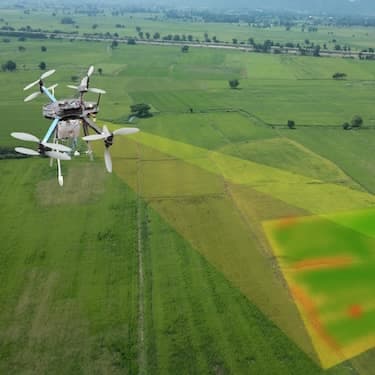
That is why soil testing and site evaluation should happen early in the process, not after all the dirt work is finished.
You are not just trying to find out whether the soil is "good." You are trying to identify problems that may affect the next planting while you still have the opportunity to address them.
Orchard Removal Is More Than Pushing Trees Over
Once the redevelopment plan is taking shape, the physical removal begins.
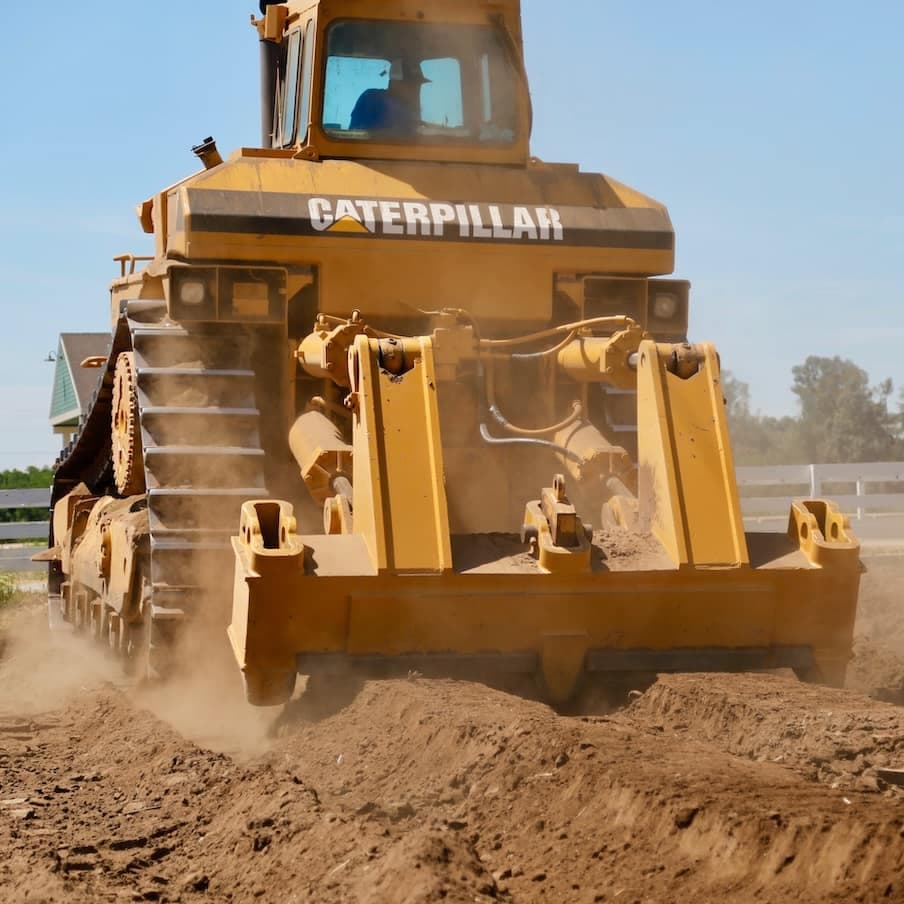
Depending on the orchard, equipment, and disposal method, that can involve pushing or pulling trees, removing stumps, handling large roots, stacking material, grinding trees, chipping wood, and preparing the biomass for whatever happens next.
This is heavy equipment work.
Excavators, dozers, loaders, grinders, rippers, tractors, and trucks may all become part of the job depending on acreage and the removal method.
The orchard's condition matters too. Removing a relatively clean block of mature trees differs from working through an orchard with diseased material, large root systems, irrigation infrastructure, or trees that have already fallen apart.
The important thing is to think beyond getting the trees onto the ground.
You need a plan for what happens to them afterward.
What Do You Do With an Entire Orchard of Wood?
That has become a much bigger part of orchard removal in California.
Historically, growers had several common options for orchard biomass, including burning or sending wood to biomass facilities. Air-quality restrictions and changes in the biomass market have pushed the industry toward other alternatives.
One option receiving considerable attention is whole orchard recycling.
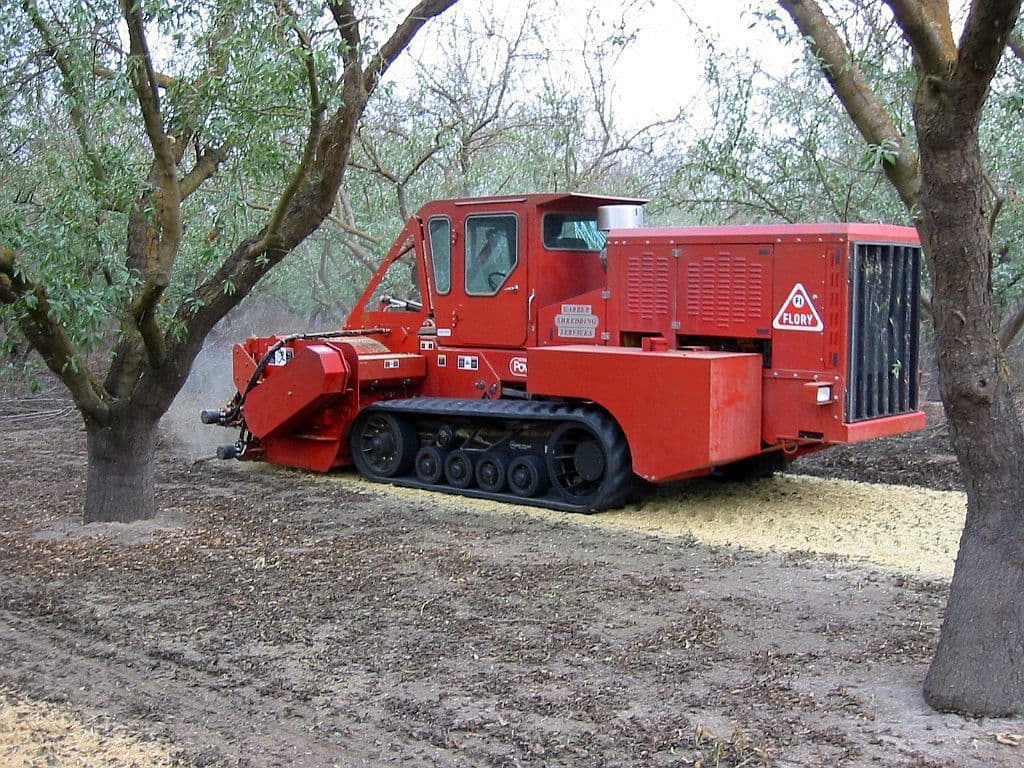
Whole orchard recycling generally involves grinding or chipping the removed trees, spreading the material across the orchard and incorporating it back into the soil before the next orchard is planted.
That can mean putting a substantial amount of material back into the ground. UC research reports that approximately 30 to 60 tons of wood chips per acre may be incorporated when an orchard is recycled.
Instead of treating the old orchard entirely as something that needs to be hauled away, the trees become part of preparing the soil for the next one.
Whole Orchard Recycling Has Produced Some Interesting Results
At one research site, nine years after recycling an almond orchard, researchers reported increases of 58% in total soil carbon, 42% in organic matter, 19% in soil aggregation, and 32% in water-holding capacity compared with conventional push-and-burn removal. Soil microbial activity also increased.
That does not mean every orchard should automatically be recycled.
Soil type, equipment availability, incorporation costs, disease concerns, and the amount of material involved all matter. UC notes that much of the experience has been in sandy-loam soils in the northern and central San Joaquin Valley, with less information available for heavier soils and some other production areas.
There can also be nutrient-management considerations. Incorporating a large amount of woody carbon can temporarily tie up available nitrogen as soil microbes begin breaking the material down.
Whole orchard recycling is another option growers should evaluate as part of the removal plan, not something to decide after the trees are already piled up.
There May Be Assistance Available for Orchard Removal
For growers in the San Joaquin Valley, it is also worth checking available programs before starting removal work.
The San Joaquin Valley Air Pollution Control District's Ag Burn Alternatives Grant Program currently includes an orchard and vineyard removal option. The program provides incentives for eligible commercial agricultural operations to chip material from orchard or vineyard removals and use it for approved alternatives including soil incorporation, on-site agricultural land application, and certain off-site beneficial uses.
Valley Air District Ag Burn Alternatives Grant Program
The important part is to investigate programs before work starts. Grant programs have eligibility requirements, application procedures, and project rules, and growers should not assume completed work will qualify.
If you're already planning to remove an orchard, checking available assistance should be one of your first calls, not your last.
Getting the Trees Out Doesn't Mean the Ground Is Ready
Once the visible trees are gone, land preparation begins.
This is where growers can learn how much of the old orchard remains beneath the surface.
Stumps and major roots may need additional removal. Growers may need to knock down old berms. Growers may need to remove or redesign irrigation lines. Compacted areas and old traffic patterns may need attention.
Then there is what is happening deeper in the soil.
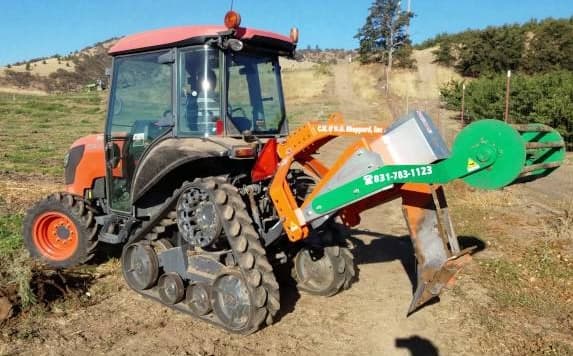
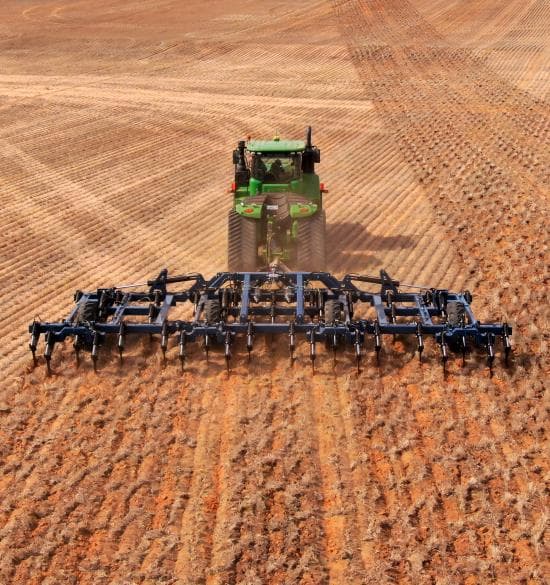
Hardpan or other restrictive layers can limit root development and drainage in the new planting. UC guidance recommends ripping or backhoeing restrictive hardpan before planting where those conditions exist.
That is where deep ripping can become an important part of orchard redevelopment.
But ripping should have a reason.
The goal is not simply to pull the biggest ripper available through every acre. It is to identify restrictive soil conditions and prepare the root zone for the crop that will occupy the ground for the next couple of decades.
Ripping Is the Time to Fix Problems You Won't Easily Reach Later
Once new trees, irrigation lines, and permanent infrastructure are installed, doing major dirt work becomes much harder.
That makes redevelopment one of the few opportunities growers get to really work the entire site.
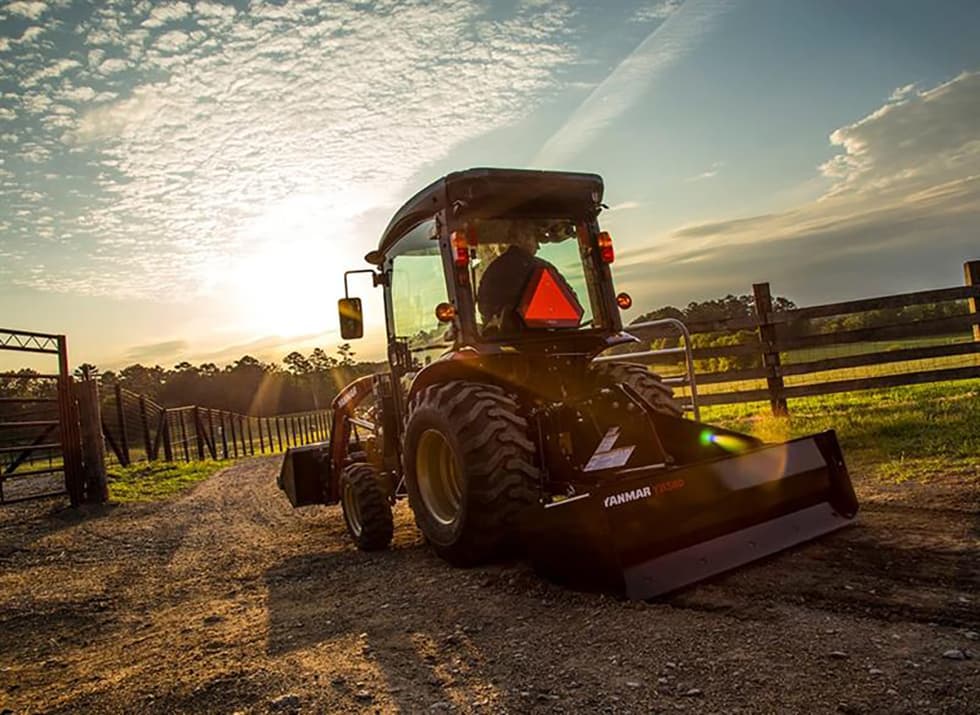
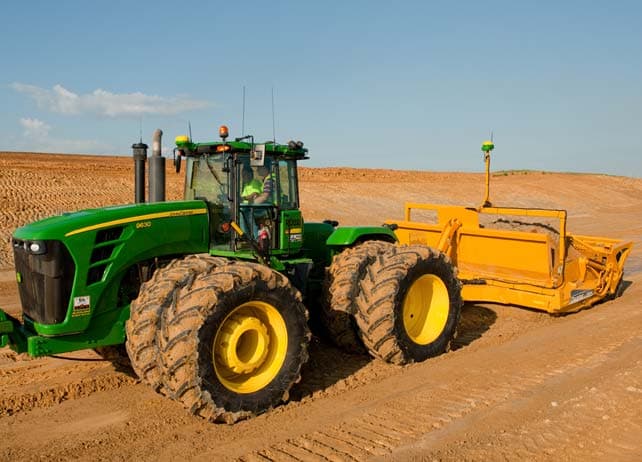
Depending on field conditions, preparation may include deep ripping, cross-ripping, disking, root removal, grading, land leveling, berm construction, and drainage improvements.
The exact sequence depends on the soil and what you're planting.
A field with deep sandy soil may need very different preparation from ground with clay layers, compaction, or drainage problems. Likewise, land going back into almonds may be prepared differently from land being converted into pistachios, walnuts, prunes or a vineyard.
This is one area where spending some time evaluating the soil before calling the heavy equipment can save a lot of unnecessary work.
Replant Disease and Nematodes Need to Be Considered Before Planting
Replanting permanent crops deserves additional attention because the next orchard is entering soil that supported another long-lived crop for years.
Nematodes are one concern. UC IPM recommends sampling before replanting and using those results to decide on site preparation, rootstocks, and whether preplant treatment is warranted.
Specific disease concerns also depend on what was previously planted and what is going back in.
For example, UC IPM recommends removing infected trees, stumps, and substantial roots when dealing with Armillaria root rot before replanting. Prevention matters because no post-plant fungicides currently eliminate the disease.
This is another reason growers should keep track of where trees struggled in the old orchard.
The problem you see above ground may tell you where to look below it.
This Is Also the Time to Rethink Irrigation
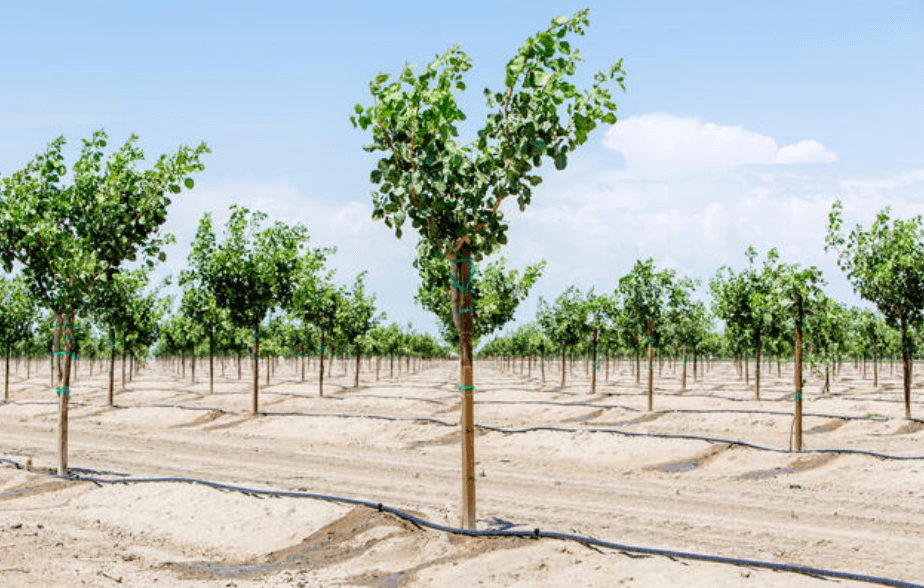
Removing an orchard creates an opportunity to redesign irrigation rather than automatically putting everything back where it was.
Maybe the old system had pressure problems. Maybe certain areas received too much or too little water. Maybe the new crop needs a different configuration. Pumping capacity, filtration, mainlines, submains, valves, and emitter layout all deserve another look.
The new orchard layout and irrigation design should really be developed together.
Row direction, tree spacing, and irrigation infrastructure affect each other. Designing those systems before planting can save you from working around decisions already locked into the ground.
This is also a good time to think about future maintenance and equipment access.
A new orchard is a chance to fix the things that annoyed you about the old one.
Layout Matters More Than It Looks on Planting Day
When the ground is empty, an extra foot here or a slightly different row direction may not seem important.
Once you plant thousands of trees, those decisions become permanent.
Orchard layout needs to consider the crop and rootstock, but it should also consider how the orchard will actually be farmed.
How will shakers move through it? Where will harvest equipment turn? Where will trucks enter? Will spraying equipment fit comfortably? Where will irrigation infrastructure sit? Will future topping or hedging equipment have enough room?
The orchard is not just a collection of trees.
It is a production system that people and equipment have to work in for years.
Then Comes Planting
By the time trees or vines arrive, a lot of the most important redevelopment work should already be finished.
The old crop has been removed. Biomass has been handled. Soil problems have been identified. Necessary ripping and grading are complete. Irrigation is planned. Rows are laid out, and the site is ready to receive the new planting.
For bare-root fruit and nut trees, UC guidance generally identifies the dormant period during winter or early spring as the appropriate planting window and stresses protecting roots from drying before planting.
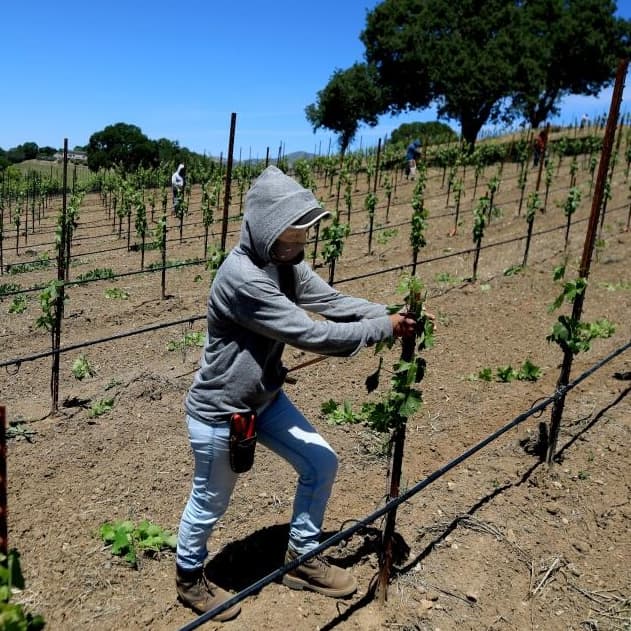
Planting itself can involve surveying and marking rows, augering or digging holes, placing trees, staking, tying, installing tree protection, and getting irrigation operating quickly enough to establish the planting.
After months of heavy equipment and dirt work, planting is when the redevelopment project finally starts looking like an orchard again.
Orchard Redevelopment Is Really a Chain of Different Jobs
One reason these projects can get complicated is that rarely does one contractor do everything.
A typical redevelopment may involve some combination of:
Tree protection
Road and access work
The sequence matters because one job often has to be completed before the next contractor can start.
That is why planning the whole redevelopment instead of treating every job separately can make the project much easier to manage.
Don't Rush From Old Trees to New Trees
When an orchard stops producing what it should, it's natural to want to remove the old trees and plant new ones as quickly as possible.
Every year without production costs money.
But an orchard or vineyard may stay in the ground for decades.
The redevelopment period is a rare opportunity to fix soil restrictions, change the layout, redesign irrigation, address disease or nematode problems, and prepare the site around the equipment and production system you expect to use in the future.
Taking a little more time between the old orchard and the new one can be worth considerably more than getting trees planted a few weeks sooner.
Planning an Orchard or Vineyard Redevelopment?
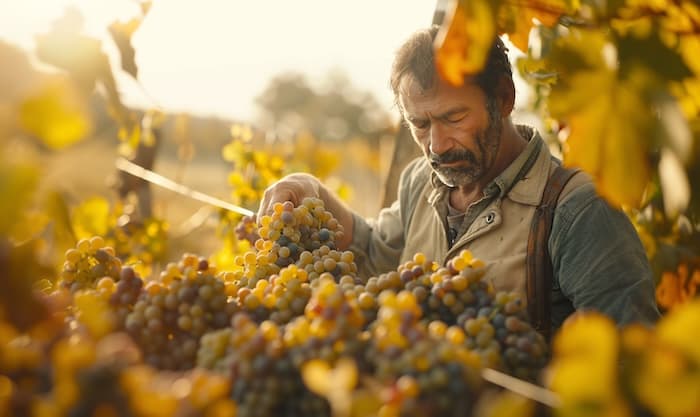
Whether you're taking out an old almond orchard, removing walnuts, redeveloping pistachio ground or converting a vineyard or orchard to something new, there are usually several different agricultural services involved before the next crop goes into the ground.
Agnomy helps growers find service providers for orchard and vineyard removal, grinding, whole-orchard recycling, excavation, deep ripping, land preparation, grading, irrigation work, orchard planting, and other redevelopment services.
The best time to line up those services is before the first tree comes out.