Harvest gets most of the attention in an orchard, but once the crop is off, another important part of the season begins. This is when growers can take a better look at what happened during the year and what the orchard needs before next season. Trees may have gotten too tall, rows may be closing in, limbs may have been damaged during harvest, and dead or diseased wood may be easier to identify.
For many orchards, that means some combination of topping, hedging, mechanical pruning, or hand pruning. But the important part is deciding why the orchard needs pruning in the first place. Almonds, pistachios, walnuts, prunes and other orchard crops do not all respond to pruning the same way, and simply cutting more wood does not necessarily mean a better crop.
Topping, Hedging and Pruning Aren't the Same Thing
Growers sometimes use topping, hedging, and pruning interchangeably, but they can describe very different orchard operations.
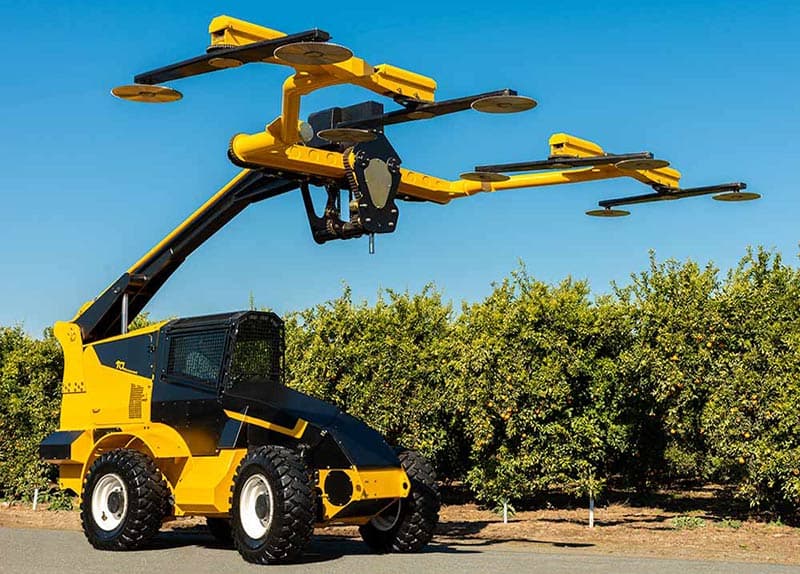
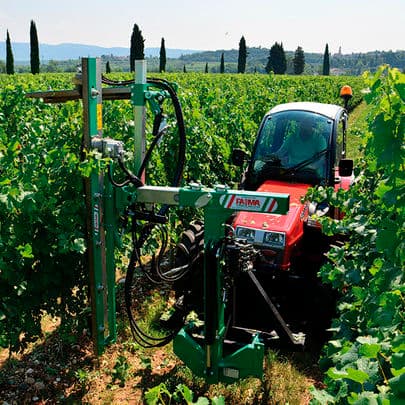
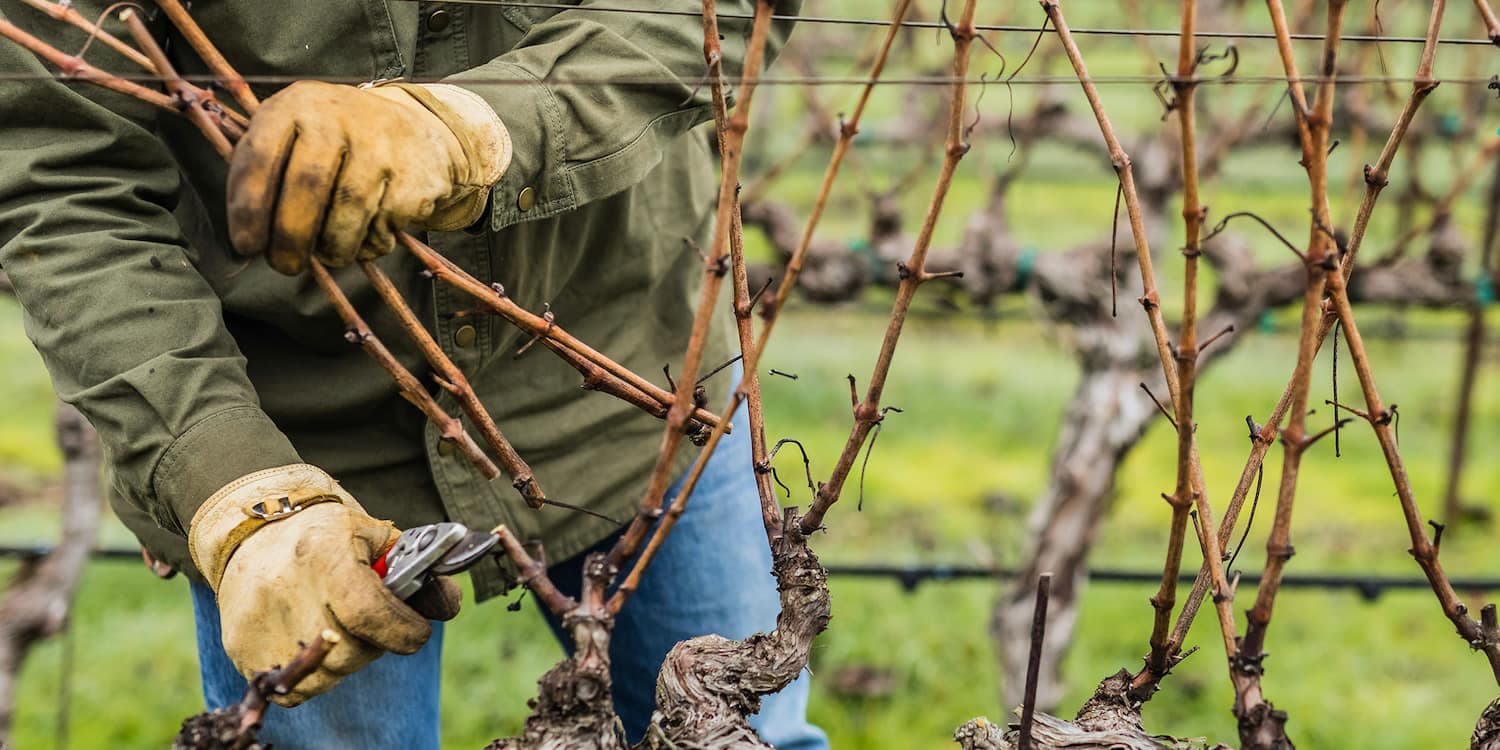
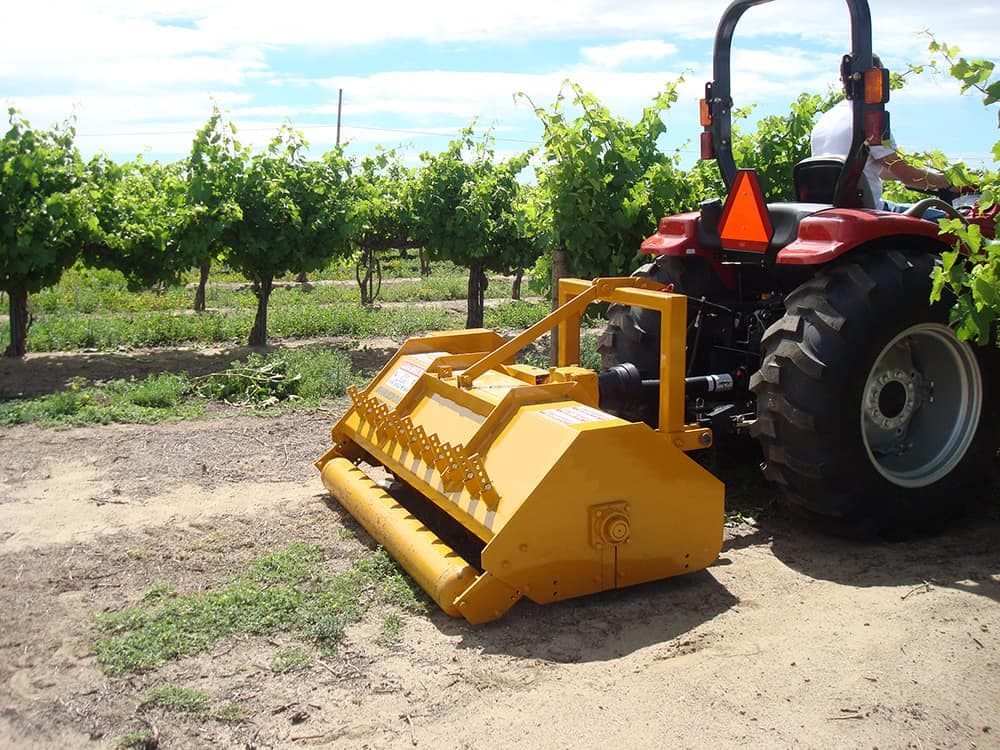
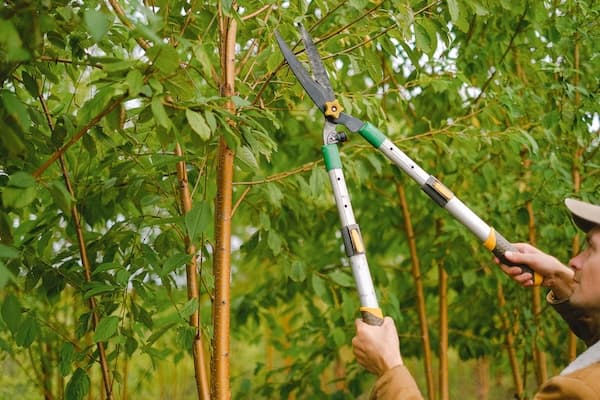
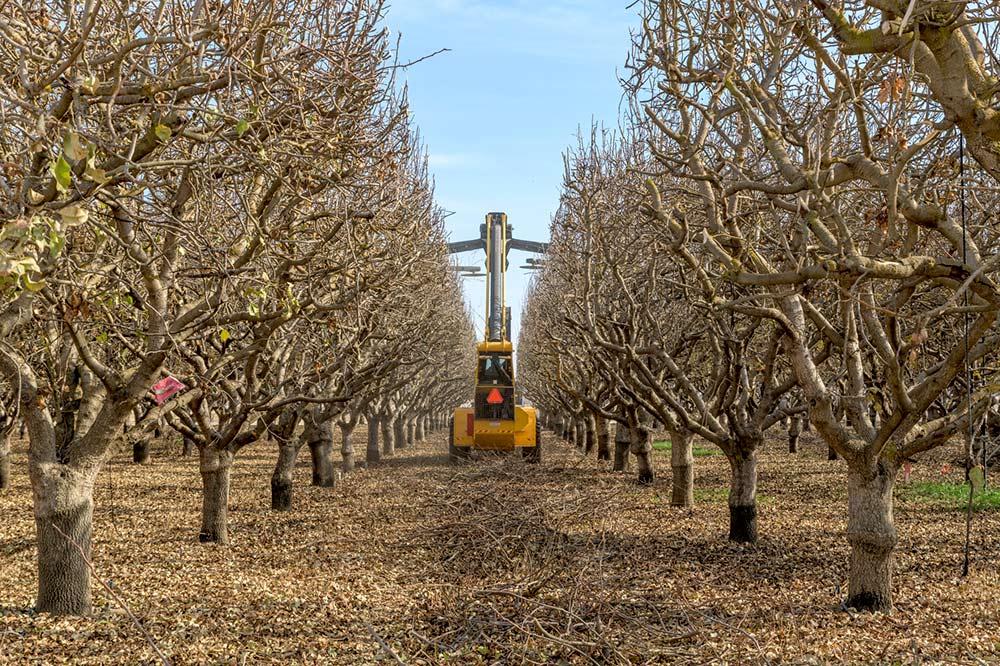
Topping generally refers to mechanically cutting the upper portion of the canopy to control tree height. Hedging uses mechanical saws along the sides of orchard rows to control canopy width and maintain the space between rows. Hand pruning is much more selective, allowing crews to remove individual limbs based on tree structure, disease, damage, or the productive canopy.
Related services also include skirting lower limbs, removing dead wood, training young trees, and cleaning up brush after pruning. On some farms, several of these operations are used together. A mechanical crew may establish the orchard's general dimensions before a hand crew comes through to make selective cuts.
The right combination depends on the crop, orchard age, spacing, equipment, and what the grower is trying to accomplish.
Why Growers Top Orchard Trees
One of the most obvious reasons to top an orchard is tree height. As trees mature, excessive height can make spraying, monitoring, pruning, and other orchard operations more difficult. Keeping trees within a manageable envelope can also matter for mechanical harvesting and the equipment moving through the orchard.
But topping should have a purpose beyond simply making the orchard look uniform. UC Cooperative Extension notes that tower pruners can control tree size in almonds by selectively cutting back taller branches. At the same time, UC research cautions that aggressive topping and hedging of older almond orchards can reduce yield.
That is an important distinction. The goal is not necessarily to make shorter trees. The goal is to maintain an orchard structure that works with the crop, equipment, and production system.
Why Orchard Hedging Is Used
Tree height is only one dimension of an orchard canopy. Width matters too.
As mature trees fill their allotted space, branches can begin extending farther into row middles and neighboring trees. That can interfere with equipment, reduce working space, and create problems for mechanical harvest systems. Hedging gives growers a way to bring that canopy back into a manageable footprint without individually hand pruning every tree.
This is especially important in orchards designed around mechanical harvesting. UC's pistachio guidance notes that orchard spacing must provide enough room for mechanical harvest equipment and catch frames. As closely spaced pistachio orchards mature, substantial pruning and sometimes tree thinning can become necessary to maintain productivity and equipment access.
Hedging programs can also vary considerably. Some growers hedge both sides, some alternate sides or rows, and others may only hedge periodically. How aggressively an orchard is hedged matters just as much as whether it is hedged at all.
Pistachios Are a Good Example of Mechanical Canopy Management
Pistachios are probably one of the clearest examples of where topping and hedging become part of managing a mature commercial orchard.
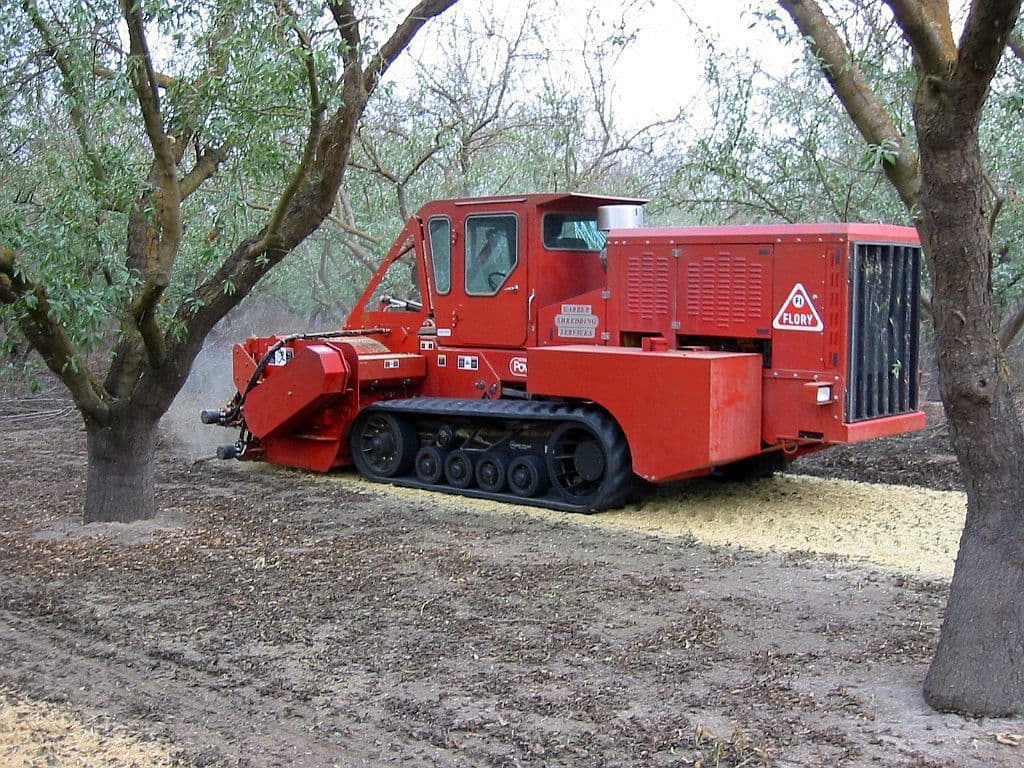
UC production guidance describes mature pistachio operations using mechanical topping and hedging along with selective hand pruning. A UC cost study for mature pistachios describes mechanical topping and hedging every other year, followed by hand pruning to maintain a canopy that can be effectively shaken during harvest. The prunings are then stacked and commercially shredded, with the material eventually incorporated into the orchard floor.
Canopy management can also serve a production purpose. UC research has found that mechanical topping can help mitigate alternate bearing in mature Kerman pistachios, although the response depends on how and when you prune.
This is where experience matters. There is a big difference between maintaining a mature canopy and trying to reshape an entire orchard in one aggressive pass. You need to consider the amount of wood removed, timing, tree age, crop load, and existing orchard structure.
Almonds Need a Different Conversation
Almonds are a good example of why growers should not assume that a pruning program that works for one nut crop automatically makes sense for another.
Long-term UC almond trials have shown that routinely pruning mature almond trees does not necessarily increase production. In one Kern County trial, cumulative yields through the eleventh leaf were actually highest in the unpruned treatment across the Nonpareil, Carmel and Monterey varieties compared with several annual, alternate-year and mechanical pruning treatments.
That research helped change how California almond growers think about pruning. UC has noted that minimal pruning has become common in almond production as growers have looked for ways to reduce unnecessary labor and production costs without sacrificing yield.
That does not mean an almond orchard never needs pruning. Broken limbs, dead or diseased wood, equipment interference, tree structure, and specific canopy problems can all create legitimate reasons to prune. The important part is knowing what problem you're trying to solve before spending money cutting wood.
Prunes, Walnuts and Other Orchards Have Different Needs Too
Prunes provide another interesting example. Traditionally, California prune production has relied heavily on hand pruning to thin fruitwood, maintain tree size and shape, and manage production. As labor has become more expensive and difficult to source, some growers have moved toward mechanical topping and hedging.
UC research has evaluated mechanical pruning to reduce pruning costs and keep trees within their allotted space. One UC report estimated savings of roughly $330 to $400 per acre from mechanical hedging compared with hand pruning under the conditions studied. The same research notes that even mechanically pruned orchards may still require hand work for suckers, dead wood, and diseased limbs.
Walnuts present another set of considerations. Post-harvest is an important time to look for dead and infected branches, particularly where Botryosphaeria and Phomopsis cankers are a concern. UC IPM recommends identifying infected wood and pruning to reduce disease inoculum when appropriate, while paying close attention to dry weather because pruning wounds can provide infection sites.
The bigger point is that there is no universal "orchard pruning program." The crop matters, the orchard matters, and the reason for making the cut matters.
Disease and Orchard Sanitation Should Be Part of the Conversation
Post-harvest canopy work is not only about tree dimensions. It is also an opportunity to look more closely at orchard health.
Dead limbs, diseased wood, broken branches, and harvest damage can become much easier to identify once the crop is off. In walnuts, for example, UC IPM recommends looking for dead and infected branches associated with Botryosphaeria and Phomopsis cankers after harvest. Diseased limbs may need to be cut back into healthy wood, and dead material may need to be shredded, chipped, or otherwise removed or destroyed as part of the sanitation program.
Timing matters here too. UC recommends pruning certain infected walnut wood during dry conditions because pruning wounds themselves can become entry points for disease. That is another reason growers should avoid thinking of post-harvest pruning as simply bringing in a crew as soon as the last load leaves the orchard.
A good post-harvest orchard evaluation should look at both the physical canopy and the health of the wood that will carry next year's crop.
The Different Orchard Pruning Services Growers Can Hire
For growers looking for outside help, "orchard pruning" can actually mean several different services. Knowing what work is needed makes it much easier to find the right crew and equipment.
Mechanical topping uses specialized saw equipment to control orchard height and can cover significant acreage much faster than hand crews.
Mechanical hedging cuts the sides of orchard rows to manage canopy width, maintain row middles, and keep trees within the desired orchard footprint.
Hand pruning gives growers much more selective control over individual branches and is commonly used for structural pruning, fruitwood management, and situations where mechanical equipment cannot make the appropriate cut.
Dead and diseased wood removal focuses on sanitation and tree health rather than overall canopy dimensions.
Young orchard training establishes tree structure during the early years of an orchard and is very different from maintaining a mature bearing orchard.
Skirting and clearance pruning remove or shorten lower branches that interfere with equipment or orchard operations where appropriate.
Then comes the work that happens after the cutting is finished.
Don't Forget About the Brush
Anyone who has pruned a large orchard knows the job is not finished when the saws stop.
Depending on how heavily the orchard is pruned, there can be a considerable amount of brush left in the row middles. That material has to be handled before normal orchard operations can continue.
Some operations stack and shred the prunings in the orchard. Others chip material, incorporate it into the orchard floor, or haul larger wood away. Disease pressure can also influence how material should be handled. UC's walnut disease guidance, for example, specifically addresses removing, shredding, or destroying diseased wood to reduce inoculum.
That means a topping or hedging job may actually involve several agricultural services: the pruning equipment itself, hand labor, brush stacking, shredding, chipping, hauling, and potentially additional orchard-floor work afterward.
Mechanical Pruning vs. Hand Pruning
There is no clear winner between mechanical and hand pruning. They solve different problems.
Mechanical pruning is fast and can make economic sense across large acreage when the objective is controlling the overall dimensions of the canopy. A topper or hedger can cover ground far faster than a hand crew and can reduce dependence on seasonal labor.
Hand pruning is slower and generally more expensive, but it lets the crew decide which individual branches should come out. That matters when the objective involves tree structure, specific fruitwood, disease removal, or correcting problems that a mechanical saw cannot distinguish.
Many commercial orchards use some combination of the two. Mechanical equipment handles the broad canopy work, while hand crews take care of the cuts that require more judgment.
When Should Orchard Pruning Be Done?
Post-harvest is an important evaluation and planning period, but that does not mean every orchard should be cut immediately after harvest.
The appropriate timing depends on the crop, the reason for pruning, weather, disease pressure, and the type of cut being made. Pistachio hand pruning, for example, is commonly performed during the dormant season. UC production guidance describes contract crews pruning from roughly mid-November through February in the production system studied.
Disease can also change the timing. UC IPM recommends pruning walnut branches affected by certain canker diseases during dry periods to reduce the risk of infection through pruning wounds.
So rather than thinking, "Harvest is over, it's time to prune," I think the better approach is: Harvest is over, it's time to evaluate the orchard and decide what work needs to happen before next season.
Don't Prune Just Because the Neighbor Is Pruning
This may be one of the most useful takeaways from the discussion.
UC almond guidance makes a point that probably applies well beyond almonds: before pruning, growers should examine the reason they're doing it and what they expect the practice to accomplish. Research has repeatedly shown that pruning for pruning's sake does not guarantee additional production.
Before bringing a crew or mechanical pruner into an orchard, I would be asking a few basic questions. Are we trying to control height? Are the rows becoming too crowded? Is the canopy interfering with harvest or spray equipment? Are we removing damaged or diseased wood? Are we managing fruitwood or correcting tree structure?
If there is a clear answer, then the grower can choose the right service for the job. If there isn't, cutting more wood may just mean spending more money.
Post-Harvest Is When Next Season Starts
Once harvest is finished, it is easy to feel like the season is finally winding down. In reality, much of next year's orchard starts being shaped in the months that follow.
Pruning, orchard sanitation, mummy removal, brush shredding, irrigation work, orchard-floor management, equipment repairs, and other jobs begin stacking up. Some happen immediately after harvest, while others occur later in the dormant season.
This is also where specialized agricultural service providers add real value. A grower may only need a mechanical topper or hedger for a few days each year. Another orchard may need a hand crew followed by a shredder. A larger operation may own some of the equipment but still need extra capacity to finish everything on time.
It is the same shift we've been seeing throughout agriculture. Farms do not necessarily need to own every machine or maintain a full-time crew for every specialized job. Sometimes it makes more sense to bring in the right equipment and people when the work needs doing. We discussed that broader change in Why Agriculture Is Becoming a Service Economy:
https://agnomy.com/blog/farming-as-a-service-agricultural-services
Need Orchard Topping, Hedging or Pruning?
Orchard work doesn't stop when harvest is finished. Depending on the crop and what the trees need, that can mean mechanical topping, hedging, hand pruning, tree training, sanitation, brush shredding, chipping or other post-harvest work.
Agnomy helps growers find agricultural service providers for the work their orchard needs, while giving contractors and service businesses a place to make their equipment, crews and capabilities available to growers looking for help.
Find orchard services on Agnomy:
Provide orchard pruning, topping, hedging, or other agricultural services? List your services on Agnomy: