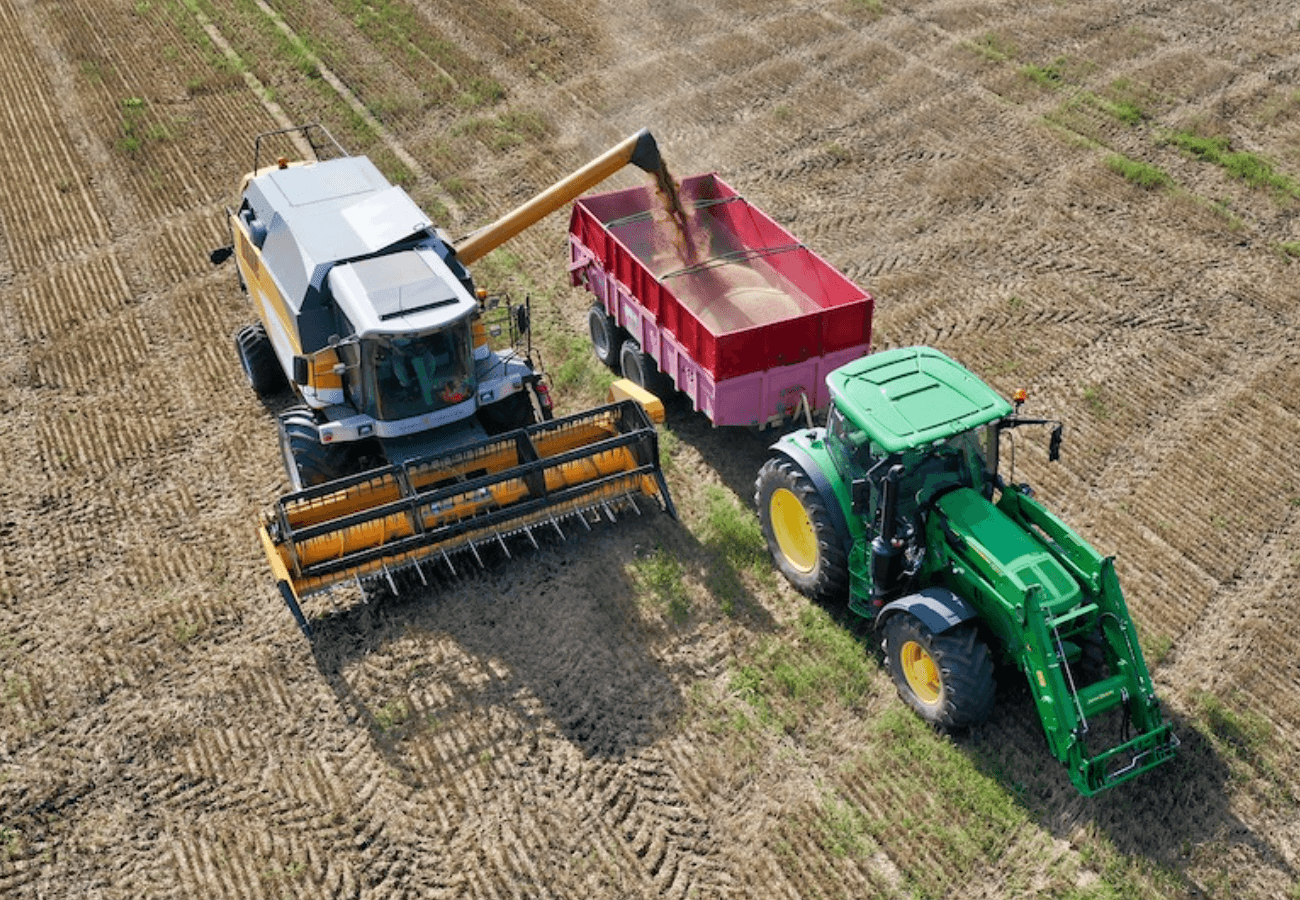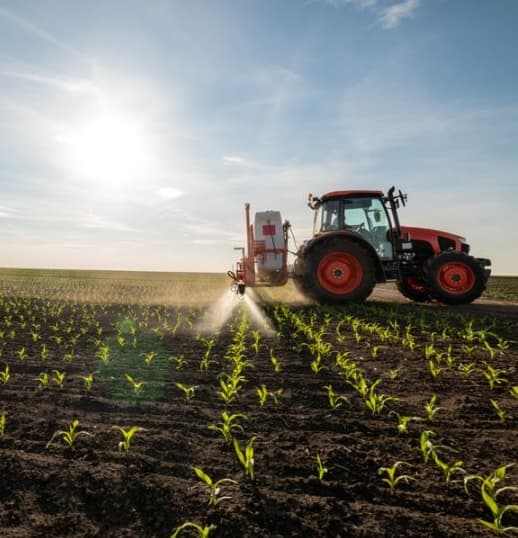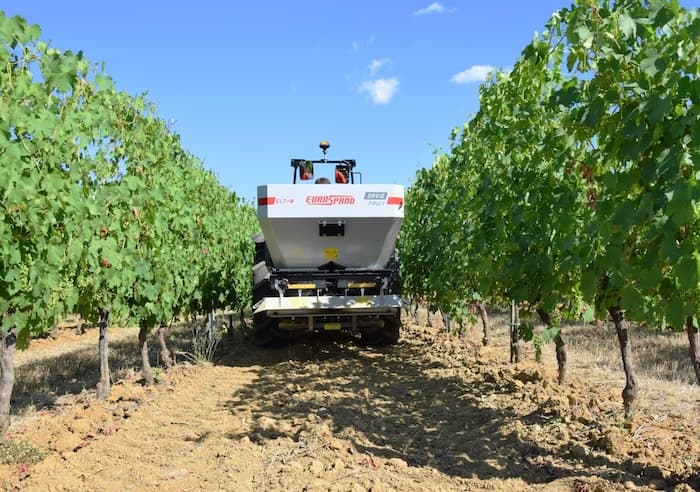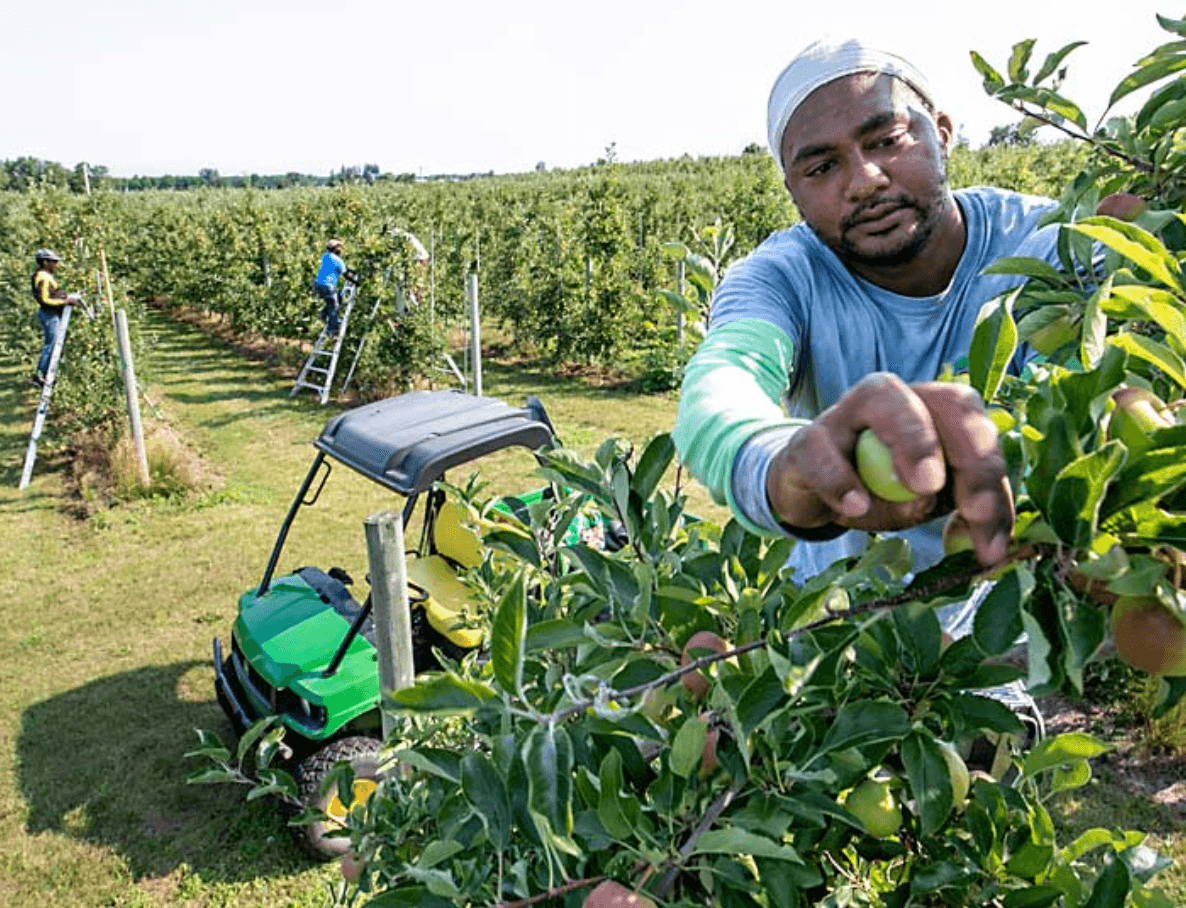
Farming has always required a mix of equipment, labor, experience, and good timing. What's changed is how expensive and specialized each piece has become.
Over the years, I’ve watched more growers move away from the idea that a farm has to own every machine, employ every type of worker, and handle every job internally. Instead, more operations are focusing on the parts of the business they do best and bringing in specialized agricultural service providers for everything from harvesting and spraying to irrigation, trucking, land preparation, and newer technology-enabled services.
That shift isn’t happening because farmers suddenly don’t want to do the work. It’s happening because agriculture's economics are changing. Equipment is expensive, financing still costs real money, labor remains difficult to secure, and modern agricultural technology increasingly requires specialized operators and maintenance.
In many cases, hiring the right service at the right time simply makes more business sense than trying to build every capability inside the farm.
Farm Equipment Has Become a Much Bigger Investment
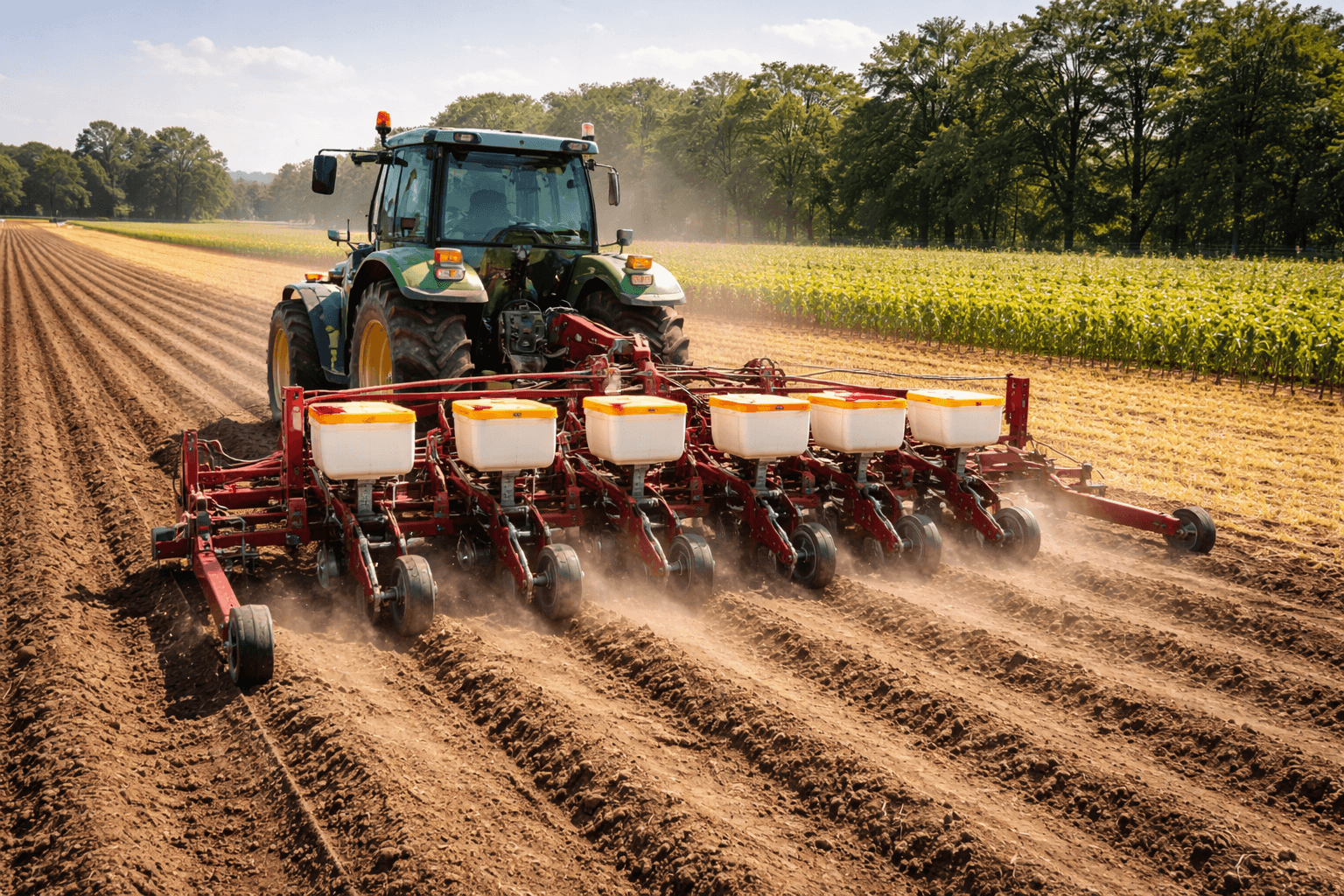
Agriculture has always required expensive equipment, but the level of investment today is different. A modern tractor, sprayer, harvester, or specialized implement can cost hundreds of thousands of dollars in capital before it completes a single acre of work.
The purchase price is only the beginning. Farmers also have to account for financing, depreciation, insurance, repairs, parts, fuel, storage, transportation, software, and eventually replacement. When equipment is used every day, those costs are easier to justify. When a machine only works a few weeks each season, the calculation becomes much harder.
That is one reason growers have become more selective about what they own. Many are asking a more practical question: how many hours per year will this machine actually work, and would those dollars be better used elsewhere in the operation?
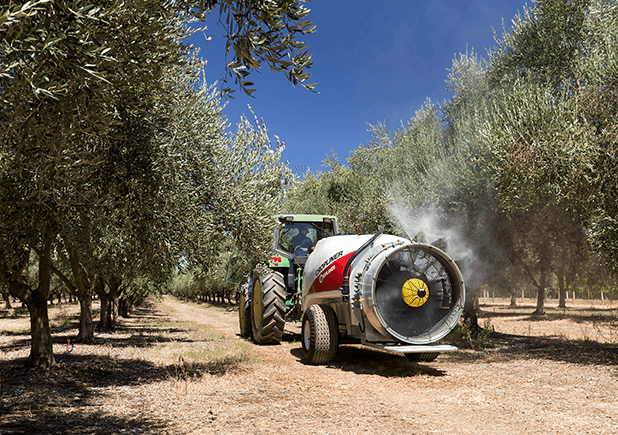
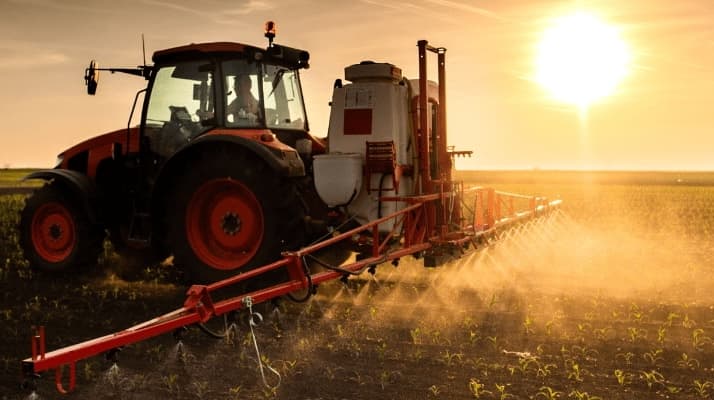
For specialized equipment, hiring a custom operator can offer several advantages:
No large upfront equipment purchase
No long-term depreciation on a lightly used machine
Maintenance and repair responsibility stays with the provider
Access to newer equipment without replacing your own fleet
Experienced operators are usually included with the service
Owning equipment will always make sense for certain jobs. The change is that growers are becoming more disciplined about deciding which equipment actually deserves a permanent spot in the yard.
Labor Continues to Push Farms Toward Services
Labor is probably the other major part of this shift. USDA continues to describe hired farm labor as a critical part of U.S. agriculture, while Farm Bureau says continued shortages are limiting growers’ ability to find the workers they need. Labor costs have also continued rising, adding more pressure to already tight farm margins. (Economic Research Service)
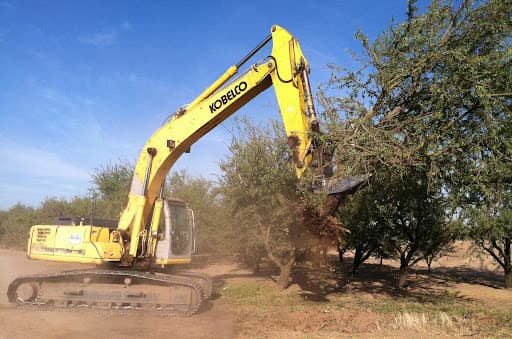
The challenge isn’t only finding enough people. Many jobs now require operators with specific experience, licenses, certifications, or technical knowledge. A grower may need a crew for harvest, a licensed applicator for spraying, an experienced excavator operator for land development, or a technician who understands a modern irrigation controller.
Building all of those skills internally can be difficult, especially when the work is seasonal.
Using service providers gives farms access to labor and expertise when they need it without having to maintain every specialized position year-round. That is especially valuable during harvest and other narrow operating windows when several jobs may need to happen at once.
Modern Equipment Requires More Specialized Knowledge
One of the biggest changes in agriculture is that equipment itself is becoming more capable and more complicated.
Today’s machines may include GPS guidance, cameras, sensors, variable-rate controls, telemetry, machine vision, automation, and software that would have been unusual on a farm twenty years ago. Those technologies can reduce inputs, improve accuracy, lower labor requirements, and help growers operate more sustainably.
The tradeoff is that they also require more specialized operation and maintenance.
This is creating a new category of agricultural service businesses built around technology. Instead of every grower buying and learning to operate the newest equipment, specialized providers can invest in the technology and spread that investment across many farms.
Examples already becoming more common include:
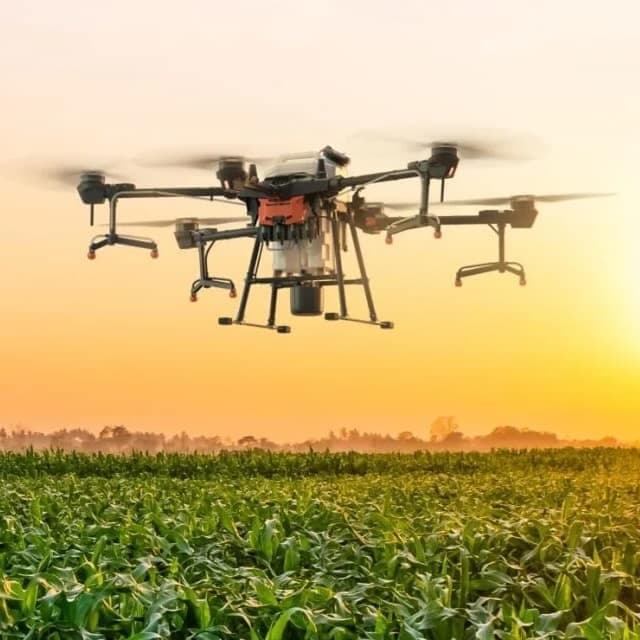
Agricultural drone spraying and scouting
Precision irrigation installation and management
GPS and laser land leveling
Camera-guided precision spraying
Autonomous and semi-autonomous equipment operation
Robotic and laser weed control
Soil and crop sensor installation
Precision mapping and field analytics
The technology still benefits the grower. The difference is that the grower doesn’t necessarily have to own or operate it.
Custom Farming Has Always Existed. The Scope Is Getting Bigger.
None of this means outsourcing is new to agriculture.
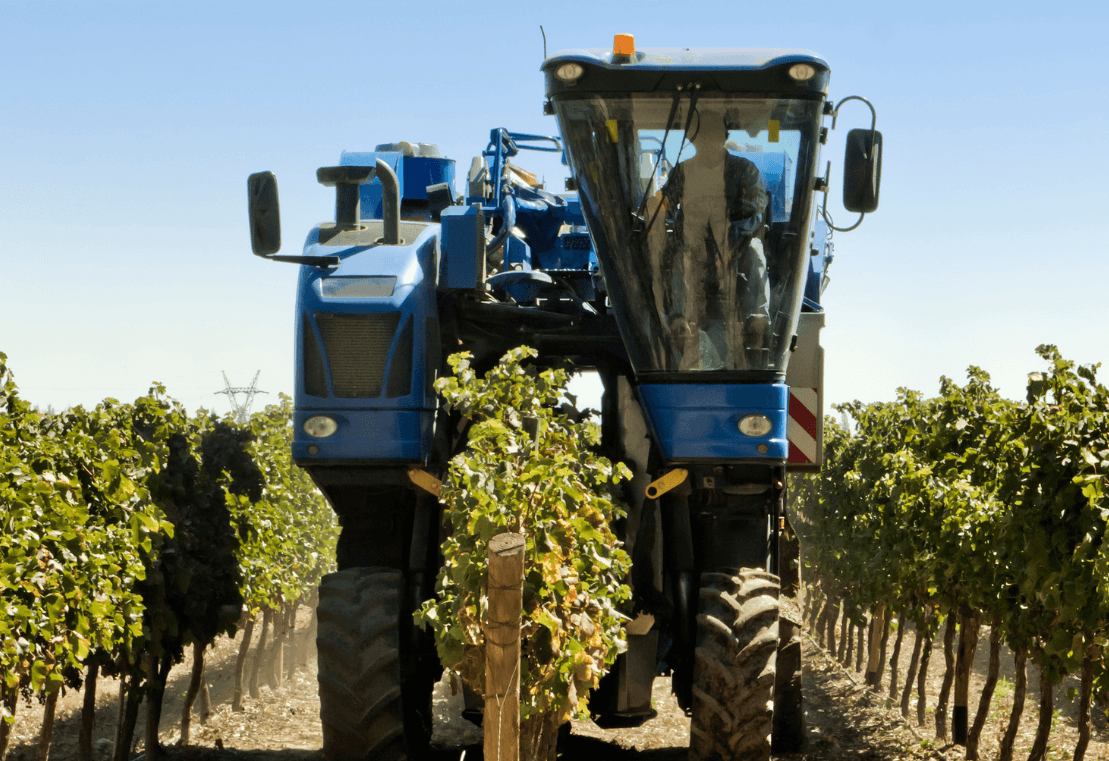
Custom harvesting, spraying, trucking, hay baling, land leveling, manure spreading, and countless other agricultural services have been part of farming for generations. Farmers have always hired neighbors and specialized operators when it made sense.
What is changing is the range of work available as a service.
A custom operator used to primarily provide a machine and an operator. Today’s agricultural service company may provide equipment, technology, software, specialized labor, data, logistics, reporting, and ongoing support as one complete package.
That makes services useful to more farms and for more types of work.
Recent custom-rate surveys also show that this sector is becoming more professionalized. The University of Nebraska’s 2026 survey found custom rates generally increasing, reflecting higher machinery replacement, labor, repair, insurance, fuel, and capital recovery costs. That matters for growers to understand because service providers face many of the same cost pressures farms do. (Department of Agricultural Economics)
Timing Is Becoming More Valuable Than Ownership
A piece of equipment sitting in the yard has value because you can use it whenever you want. That flexibility is one of the strongest arguments for ownership.
But ownership only solves the timing problem if you also have the labor, operator, parts, and time available to run it.
Agriculture increasingly operates in narrow windows. Weather changes quickly. Harvest maturity doesn’t wait. Spray conditions can disappear in a day. Irrigation problems during extreme heat have to be addressed immediately.
In those situations, the most important question often isn’t who owns the equipment. It’s who can get the work done when it needs to happen.
A strong network of agricultural service providers gives growers additional capacity when their own operation is stretched thin. It also creates backup options when equipment breaks, employees are unavailable, or several jobs need to happen at once.
That flexibility can be worth considerably more than having another machine parked in the yard.
Tight Farm Margins Are Making Every Investment More Important
Farming economics are forcing growers to scrutinize every expense. USDA currently forecasts U.S. farm production expenses at approximately $477.7 billion for 2026. At the same time, growers in many sectors continue dealing with high fuel, fertilizer, labor, insurance, financing, and equipment costs. (Economic Research Service)
That environment changes how capital gets allocated.
Instead of buying equipment because “we’ve always owned one,” growers are increasingly evaluating whether ownership produces an acceptable return. Capital not tied up in a specialized machine can be used for land, irrigation improvements, crop inputs, technology, debt reduction, or simply maintaining operating liquidity.
This doesn’t mean hiring a service is always cheaper. Custom operators also have costs and need to make a profit. The point is that the decision is becoming more intentional.
Growers increasingly have to compare:
Cost per acre of ownership versus custom work
Expected annual equipment utilization
Financing and depreciation
Repair and replacement risk
Availability of qualified operators
Value of keeping capital available elsewhere
Those are business decisions, not farming philosophies.
The Service Model Is Also Creating New Agricultural Businesses
This shift has another side that I think is just as important.
As growers outsource more specialized work, it creates opportunities for agricultural entrepreneurs.
Someone entering agriculture doesn’t necessarily need to buy farmland anymore. They may build a business around drone applications, precision irrigation, robotic weed control, custom harvesting, agricultural trucking, land preparation, equipment repair, or another specialized service.
That model can be particularly attractive for younger people who understand technology but may not have access to land.
Instead of trying to become a farmer in the traditional sense, they can become part of the agricultural infrastructure that farms rely on.
For AgTech companies, this service model is important too. Some of the most advanced agricultural technologies are expensive enough that selling one machine to every farm may never be realistic. Putting those technologies in the hands of service providers allows one machine and one trained operator to serve dozens of growers.
That could become one of the most practical ways new AgTech reaches the field.
Farming as a Service Is Becoming a Real Market
The term “Farming as a Service” may sound like another technology phrase, but the underlying idea is something farmers already understand.
Instead of owning every capability, farms access equipment, labor, technology, and expertise as needed.
Market researchers now estimate the global Farming as a Service market at roughly $6 billion in 2026, with North America representing the largest regional share in some estimates. Those projections should always be taken as directional rather than farm-level economics, but they show that the service model is becoming a recognized part of the broader agricultural industry. (Grand View Research)
The interesting part isn’t the market size. It’s what is driving it.
Higher equipment costs, specialization, automation, labor shortages, and pressure to improve utilization all push agriculture toward the same conclusion: not every farm needs to own every resource it uses.
Relationships Still Matter
Even as agriculture becomes more digital, I don’t think the relationship between growers and service providers matters less. If anything, it becomes more important.
The best custom operators become part of the operation. They know the ranches, understand the expectations, know how the grower likes the work done, and show up when timing matters.
Technology can help growers discover those providers, compare services, communicate, schedule work, and keep records organized. It can’t replace the trust that develops after someone does good work season after season.
The future of agricultural services isn’t about replacing those relationships.
It’s about making them easier to build.
Where Agnomy Fits Into a Service-Based Agriculture Economy
This shift is a big part of why we’re building Agnomy.
Growers need an easier way to discover agricultural services, understand what’s available, request quotes, schedule work, and manage the job once it begins. Service providers need tools to reach growers, manage customers, schedule teams, send invoices, collect payments, and operate their businesses more efficiently.
Those two needs belong in the same system.
As agriculture becomes more specialized, the industry needs better infrastructure connecting the people who need work done with the businesses equipped to do it.
That is the idea behind Farming as a Service and, ultimately, behind Agnomy.
The farm of the future may own fewer specialized machines, rely on more trusted partners, and have access to far more technology than farms do today.
The important part hasn’t changed.
The work still has to get done.