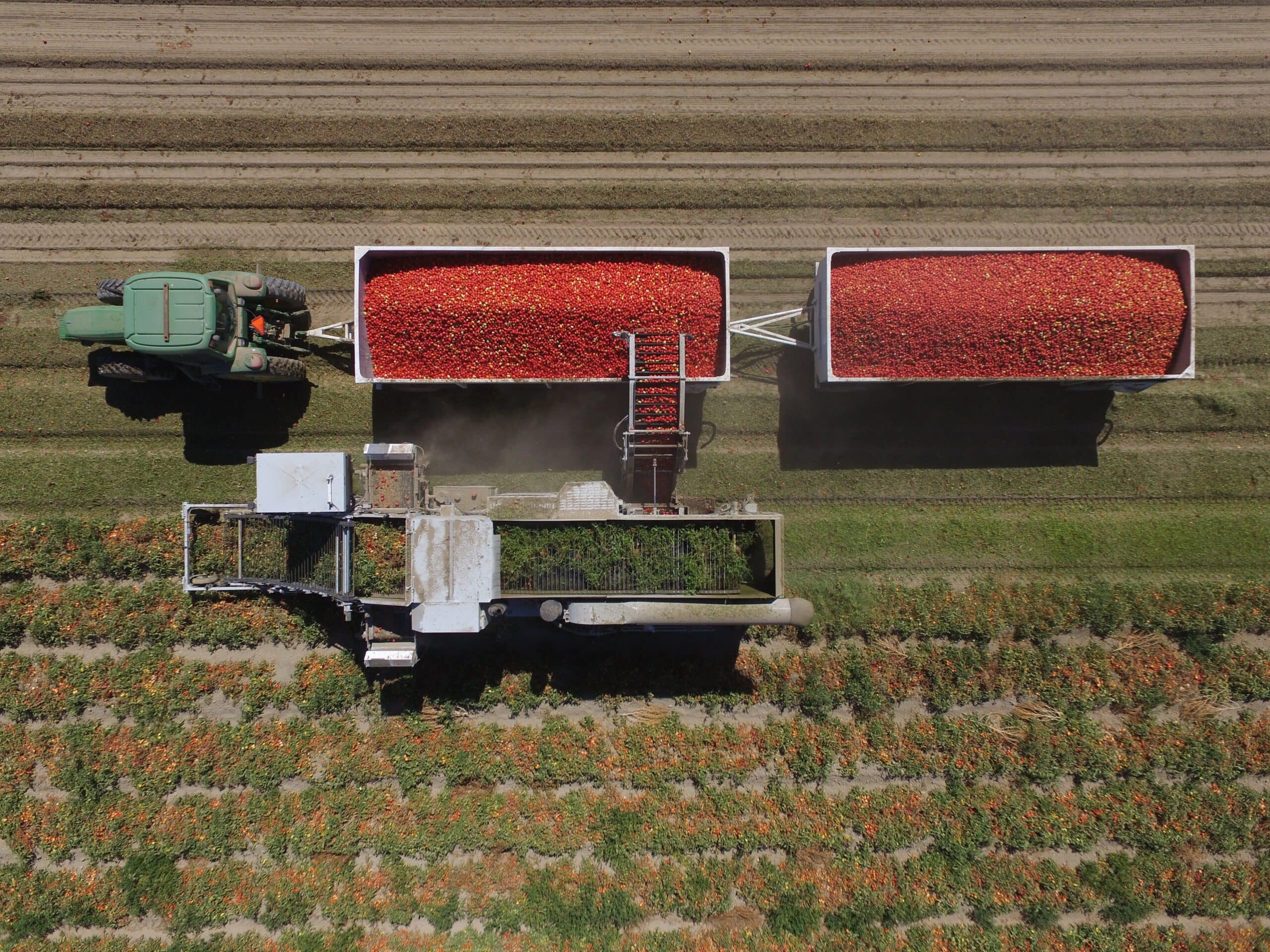
California’s processing tomato harvest is underway, and this season is shaping up differently from the last few years. As growers, we are coming into harvest with fewer contracted acres, a smaller production target, and a market that is still working through the large crop produced last season.
USDA’s May update estimates that California processors have contracts for 9.9 million tons of processing tomatoes from 185,000 planted acres. The expected average yield is about 53.5 tons per acre. That is only slightly higher than the 9.8 million-ton estimate released in January, but it remains well below the 11 million-ton forecast for the 2025 season.
For growers, the number that matters most is not only how many tons California produces. It is how those tons move through the plants, what quality looks like, and whether the contract price is enough to cover the cost of getting the crop through harvest.
California Is Planning for a Smaller Tomato Crop
The acreage reduction was intentional. California processors entered 2026 planning for 185,000 contracted acres, down roughly 10 percent from the 205,000 acres projected during the prior season. Contracted production is also expected to be about 11 percent lower than the 11 million tons forecast last August.
Part of the pullback comes from the strength of the 2025 crop. Production finished above early expectations, with reports of strong yields and quality across both conventional and organic acreage. That helped rebuild inventories, but it also meant processors did not need to contract the same volume again this year.
The current USDA outlook includes:
9.9 million contracted tons
185,000 planted acres
About 53.5 tons per acre
Roughly 10 percent fewer contracted acres than last year
A production target aimed at bringing supply closer to demand
A smaller crop is not necessarily bad for the industry. The goal is to produce enough to meet market demand without creating another year of excess inventory.
The 2026 Contract Price Is $104.50 Per Ton
The California Tomato Growers Association reached a 2026 price agreement with the major processing companies for $104.50 per ton. The agreement includes Conagra, Campbell’s, Morning Star, Ingomar, Stanislaus Food Products, Los Gatos Tomato Products, Escalon Premier Brands, Tomatek and San Benito Foods.
That price is below the $109 base price growers received in 2025 and below the higher contract levels seen during the recent inflation cycle. The reduction indicates efforts to rebalance processor inventories and buyer demand, but growers are still dealing with the high costs of labor, irrigation, fuel, fertilizer, equipment, insurance, and financing.
What growers are weighing this year:
Whether yields can make the contract price work
Harvest and trucking costs
Quality premiums and deductions
Processor delivery schedules
The cost of delays or rejected loads
A price can look reasonable on paper, but profitability still comes down to tons per acre, field efficiency, quality, and how smoothly harvest moves.
Demand Is Steady, but the Industry Is Rebalancing Supply
Domestic demand for processed tomato products remains relatively steady, while export activity has shown encouraging signs. Industry analysis has estimated domestic demand near 9.4 million raw ton equivalents for 2026. California remains the dominant supplier of processing tomatoes in the United States and produces more than 90 percent of the nation’s processed tomato crop.
The bigger concern entering this season was inventory. Record global production during 2023 and 2024 created more product than the market could comfortably absorb. Global production declined in 2025, and California increased its share of the worldwide processing crop to an estimated 26.4 percent. That gives California an important position in the market, but it also means our crop has a major effect on global supply.
Important market signals include:
Lower California contracted acreage
Stable domestic demand
Improving balance between supply and use
Continued importance of export demand
Currency, tariff, and global competition risks
This year is less about chasing maximum production and more about restoring balance to the market.
The Warm Spring Moved the Crop Along Quickly
California had an unusually warm spring, and crop development moved quickly in several growing regions. Morning Star’s June update described the early crop outlook as favorable but identified weather as one of the main variables that could still affect yield potential.
Heat can help tomatoes reach maturity, but too much heat can cause problems. Extreme temperatures can reduce fruit set, increase sunburn, accelerate uneven maturity, and place greater pressure on irrigation systems. Once harvest starts, high temperatures also reduce the time growers and processors have to move fruit without damaging quality.
Growers should continue watching:
Fruit maturity and color
Heat forecasts
Irrigation uniformity
Sunburn and fruit breakdown
Field access and harvest scheduling
Processor shipment timing
A warm season can produce a good crop, but it gives us less room to recover when labor, equipment, or transportation falls behind.
Harvest Schedule and Processing Capacity Have to Stay Aligned
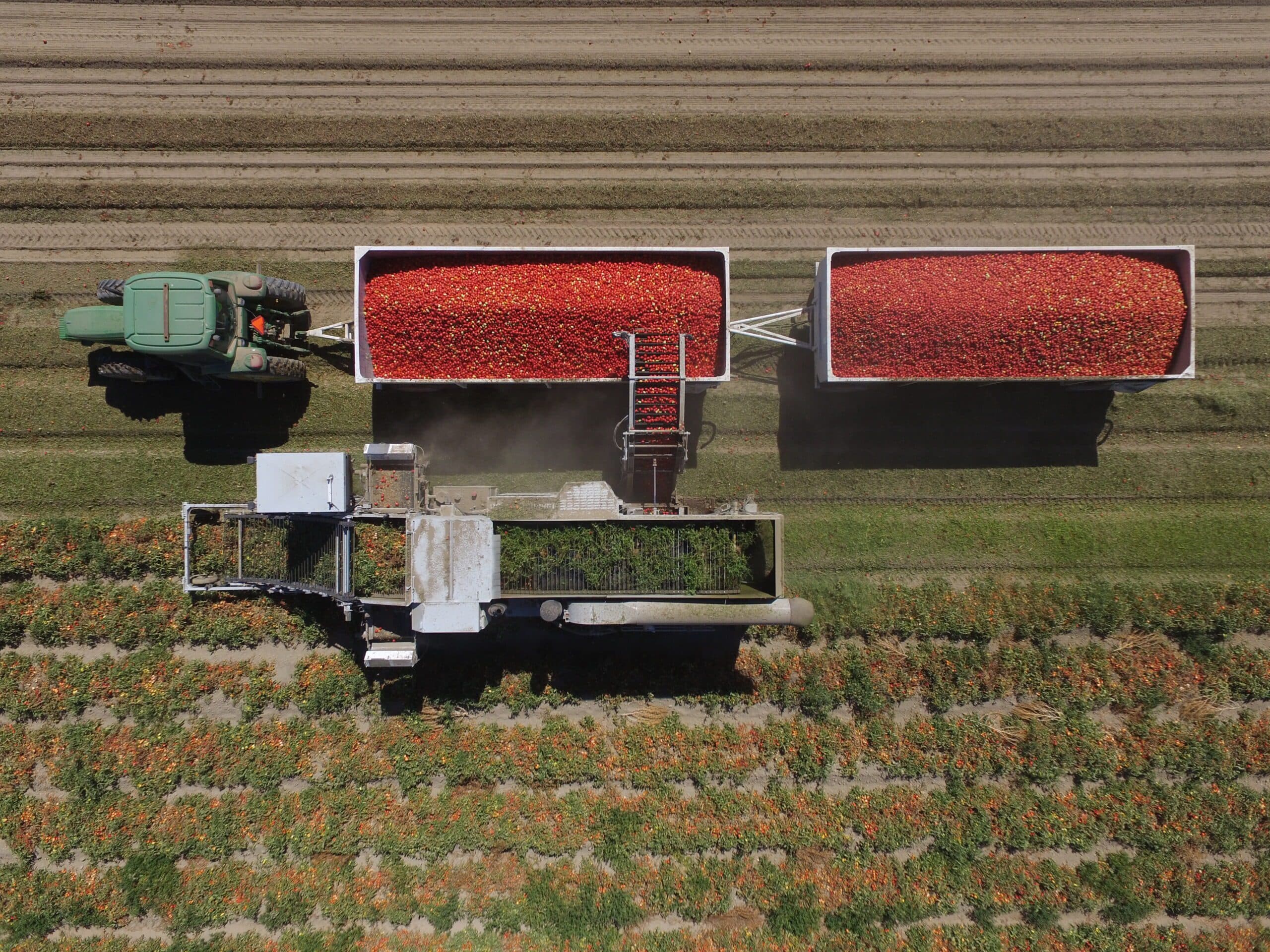
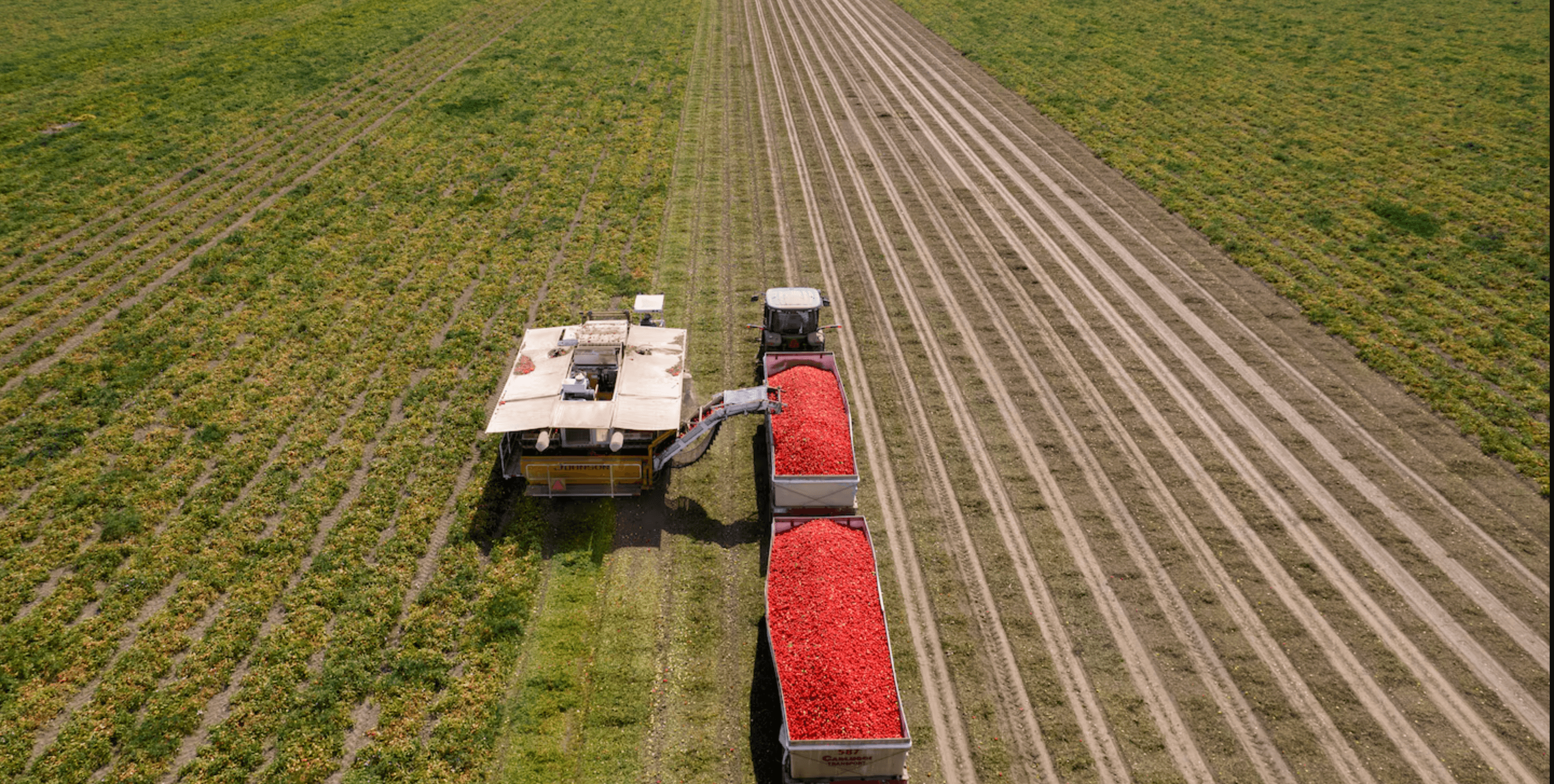
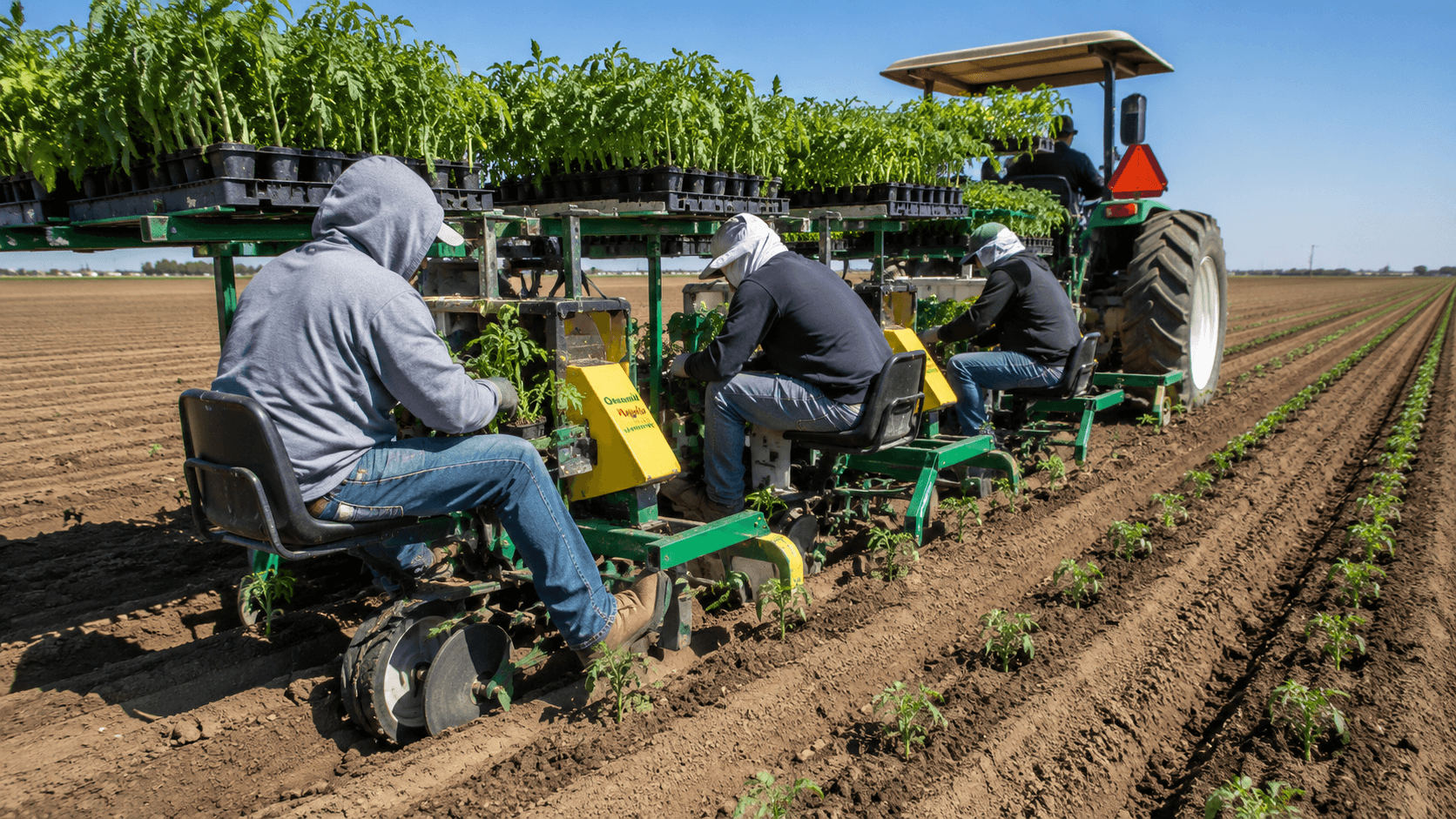
Processing tomato harvest depends on coordination from the field all the way to the plant. Mechanical harvesters, gondolas, trucking, processor schedules, and field crews all have to move together. One delay can leave ripe fruit sitting longer than it should.
With fewer acres this year, there may be less overall pressure than during a very large crop, but harvest capacity is still concentrated into a narrow window. A field can be ready before the scheduled plant delivery date, or a processor delay can push a harvest crew into the next grower’s block.
The services growers commonly need during harvest include:
Mechanical tomato harvesting
Harvester and tractor operators
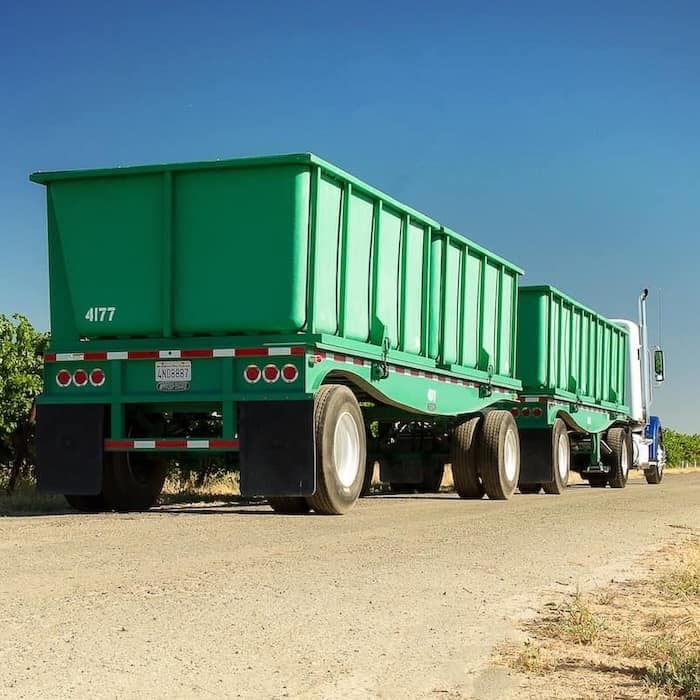
Gondola and trailer support
Agricultural trucking
Equipment repair
Field fueling
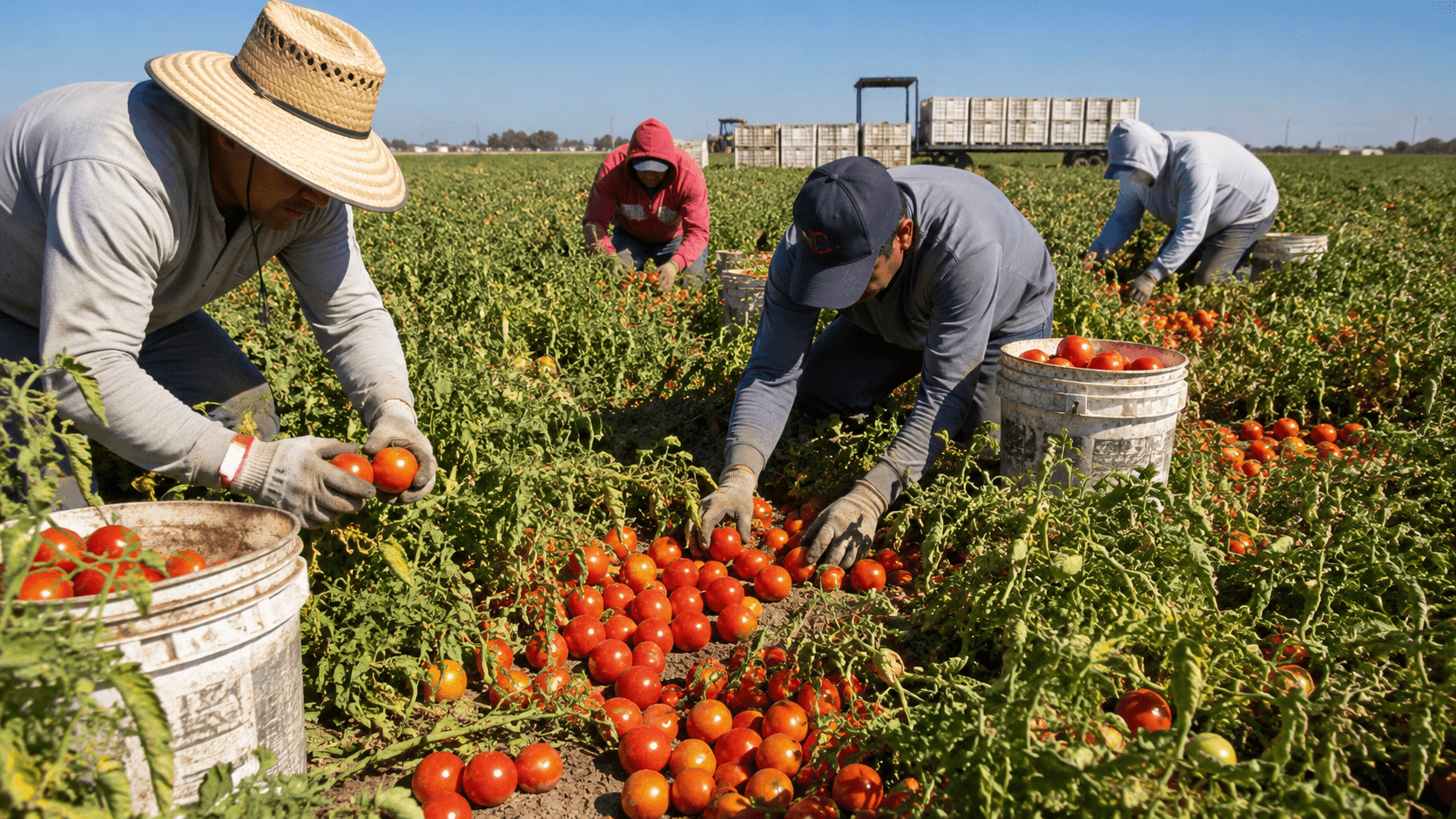
Harvest labor and logistics coordination
The best time to confirm those services is before the field is fully red.
Quality Still Determines the Final Return
Contract tonnage gets the most attention, but quality determines what growers are ultimately paid. Color, soluble solids, mold, foreign material, and fruit condition can all affect the value of a load.
Processors need tomatoes that move through the plant efficiently and meet the specifications required for paste, diced products, sauces, and other finished goods. Growers need to balance maximum tonnage with the risk of waiting too long and losing quality.
The main quality considerations are:
Brix and soluble solids
Color development
Mold and fruit breakdown
Foreign material
Green fruit levels
Damage during harvest and transportation
The heaviest crop is not always the most profitable crop if quality deductions follow it to the scale.
Branched Broomrape Is still a Growing Concern
One issue receiving more attention in California processing tomatoes is branched broomrape. The parasitic plant attaches to tomato roots, steals water and nutrients, and can cause serious yield loss. It is difficult to manage because much of its life cycle occurs underground, and a single plant can produce a very large number of seeds that remain viable for years.
New research is investigating the use of satellite imagery and artificial intelligence to identify infested fields earlier. A recent California focused study reported strong results using time series satellite data to detect signs of broomrape stress in processing tomato fields. The technology is still in development, but it underscores how important early detection has become.
Growers should pay attention to:
Known infestations in their region
Sanitation between fields
Equipment movement
Suspicious patches of crop stress
Reporting and quarantine guidance
Broomrape is not a harvest problem alone. It is a long term field management issue that can affect next planting decisions.
What Tomato Growers Should Be Watching Through Harvest
From a grower’s perspective, the 2026 season looks manageable, but it still requires discipline. California is targeting a smaller crop, the market is working toward better balance, and the early field outlook has generally been positive.
The final result will depend on how the crop performs through heat, how processors manage deliveries, and whether growers can keep harvesting and transportation moving without costly delays.
The biggest items to watch are:
Final yield measured with the 53.5 ton estimate
Harvest pace and processor schedules
Heat during peak maturity
Truck and equipment availability
Quality deductions and premiums
Movement of finished tomato products after harvest
There is still a lot of crop to move. A smaller acreage number does not make harvest simple.
Final Thought
California’s tomato industry is entering harvest with a clearer production target than it had last year. The planned 9.9 million ton crop is designed to bring supply closer to demand after a very productive 2025 season.
For growers, the opportunity is to produce a clean crop, protect quality, control harvest costs, and stay closely coordinated with processors and service providers. At $104.50 per ton, there is not much room for needless delays, breakdowns, or inefficient field operations.
Need Tomato Harvest Support?
Agnomy helps California growers connect with agricultural service providers for mechanical tomato harvesting, agricultural trucking, equipment operators, field labor, repairs, fueling, and other harvest support.
Find experienced providers, request quotes, and keep tomatoes moving from the field to the processor while timing and quality are still on your side.