 AgTech
 Custom Harvest
 Labor
Labor Hauling
 Irrigation
 Crop Care
 General Ag Services




Crop type
Custom operators for California tomato growers, from transplanting and drip to mechanical harvest and hauling to the cannery.
116
Services
48
Providers
7
Categories
16
Cities
Refine your search
Scan our top picks, search the full catalog, pivot by category, or zero in by city. Every path lands on the same vetted providers.
Operations map
Stage-by-stage view of which services growers typically book at each point in the cycle. Click any service to see who offers it in California, Oregon, Washington & Texas.
Land Prep & Bed Formation
Dec – Mar
Services typically booked
Planting & Transplanting
Feb – Jun
Services typically booked
Drip & Irrigation
Mar – Sep
Services typically booked
Crop Care & Protection
Apr – Aug
Services typically booked
Staking & Tying (fresh market)
May – Aug
Services typically booked
Harvest
Jul – Oct
Services typically booked
Hauling
Jul – Oct
Services typically booked
Post-Harvest & Cleanup
Sep – Nov
Services typically booked
Top services
A rotating selection of the most-booked services in this scope. See them all in the marketplace below.
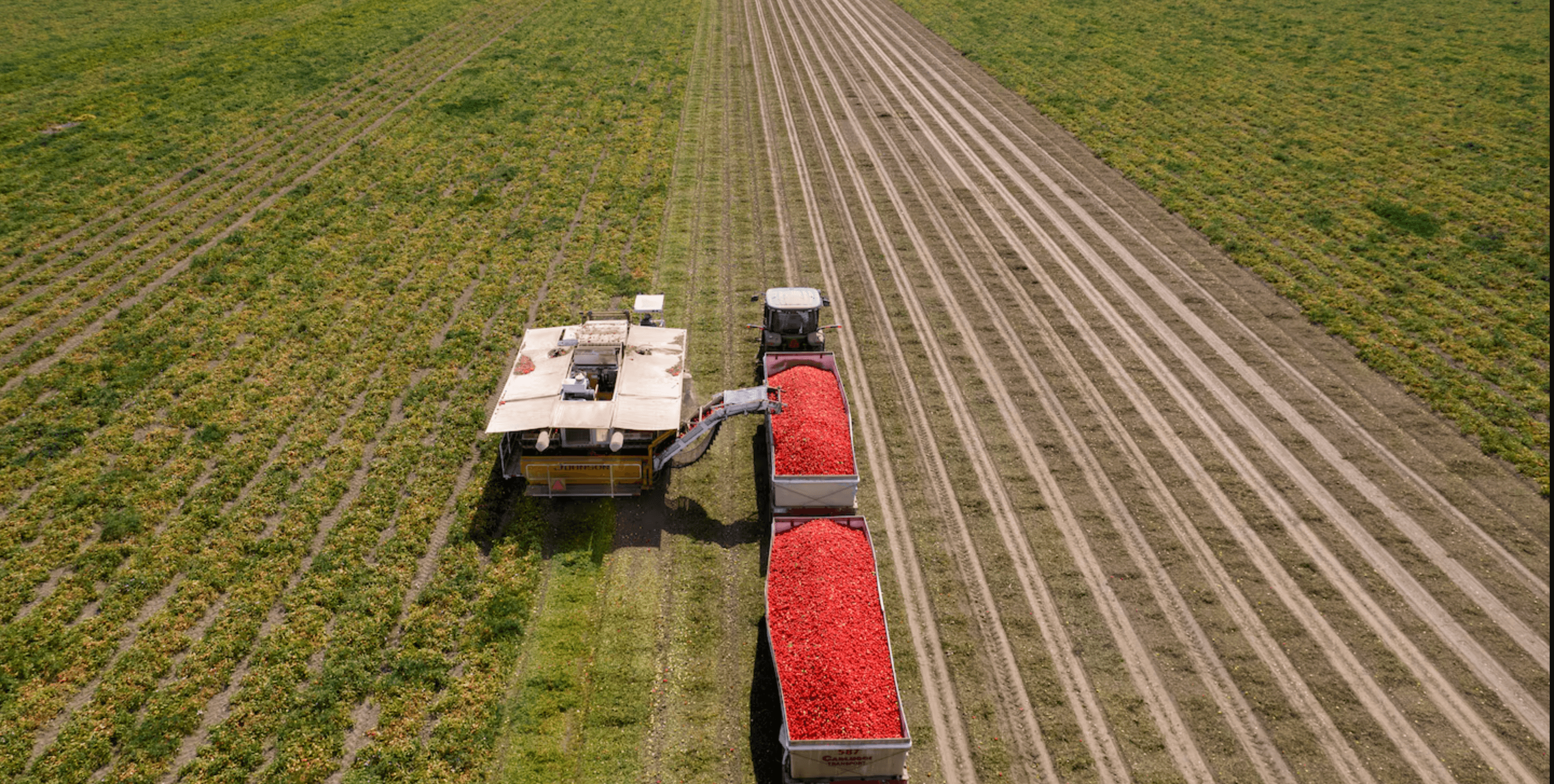
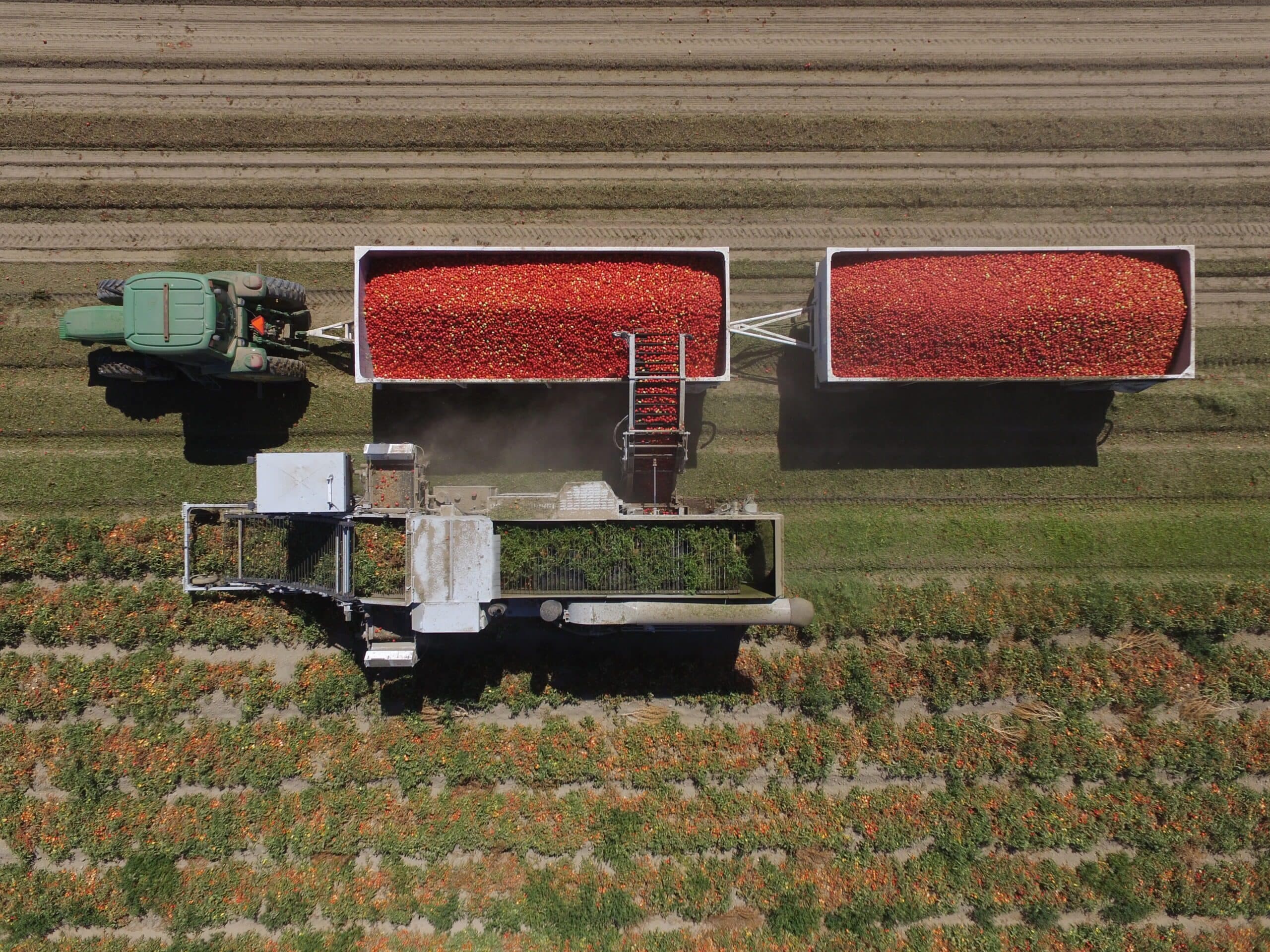
Mechanical harvest of processing tomatoes with self-propelled harvesters and electronic color sorting, priced per ton.
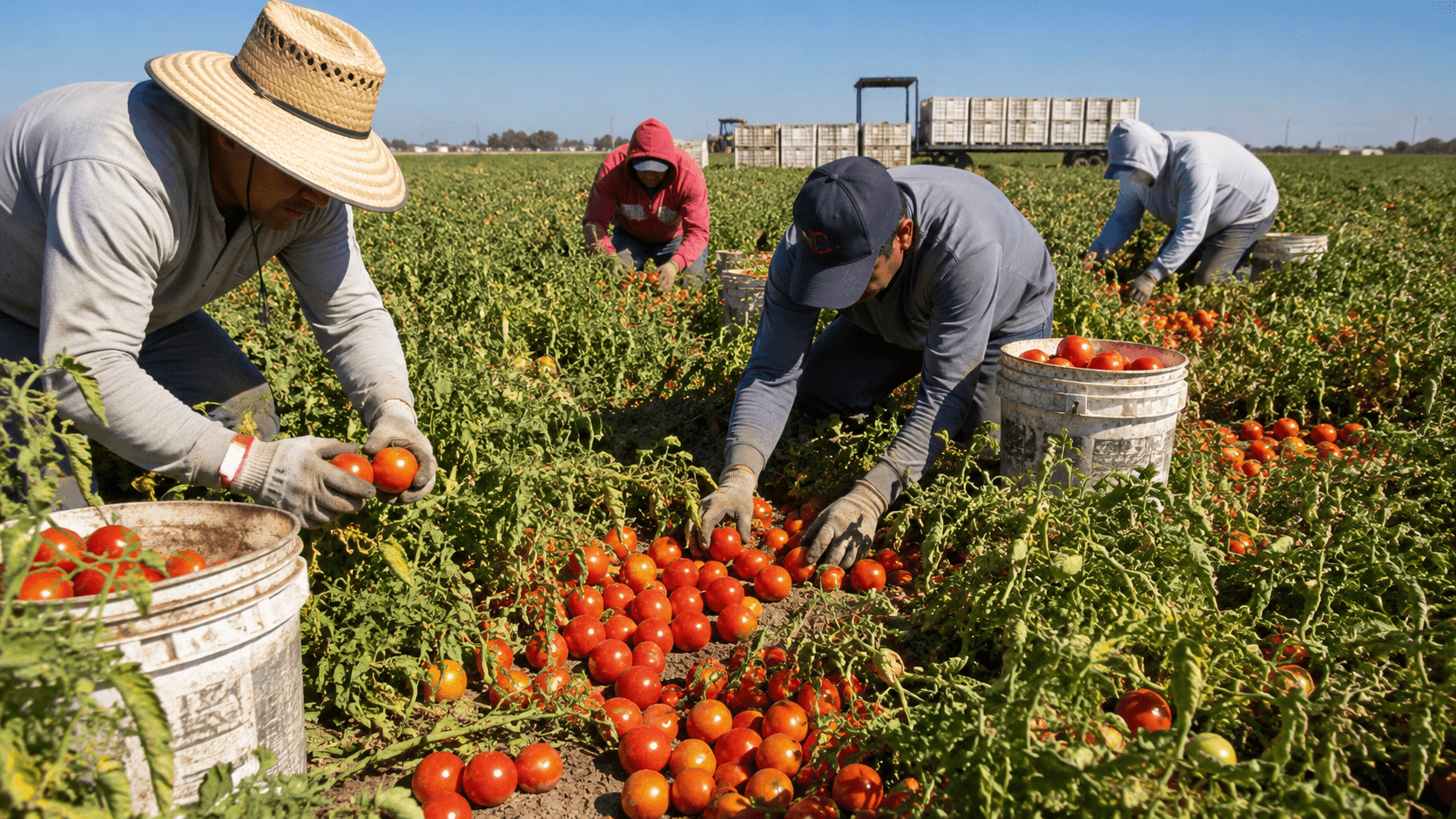
Hand harvesting crews for fresh-market tomatoes, picked in multiple passes at the right maturity.
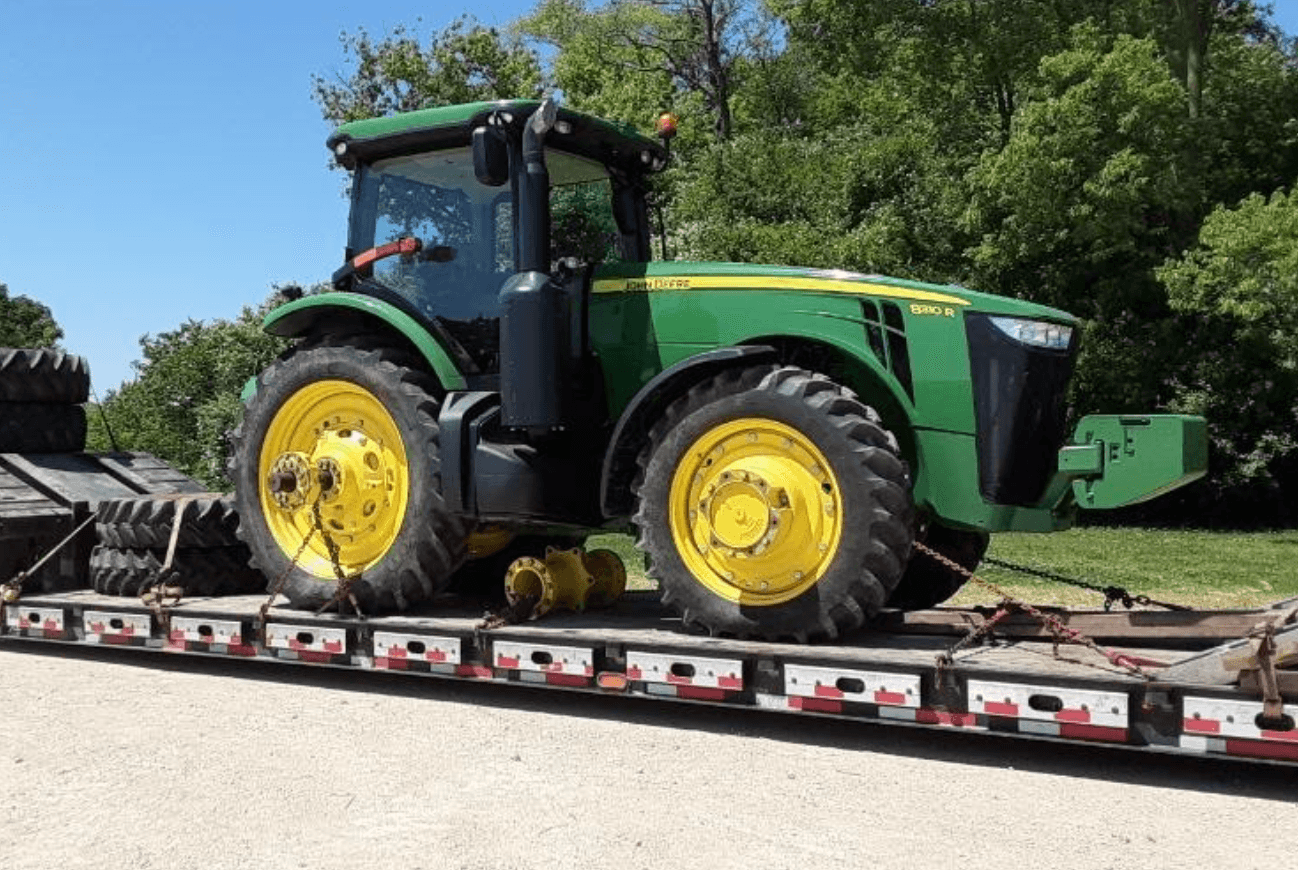
From heavy machinery to specialized tools, transport equipment safely and on schedule.
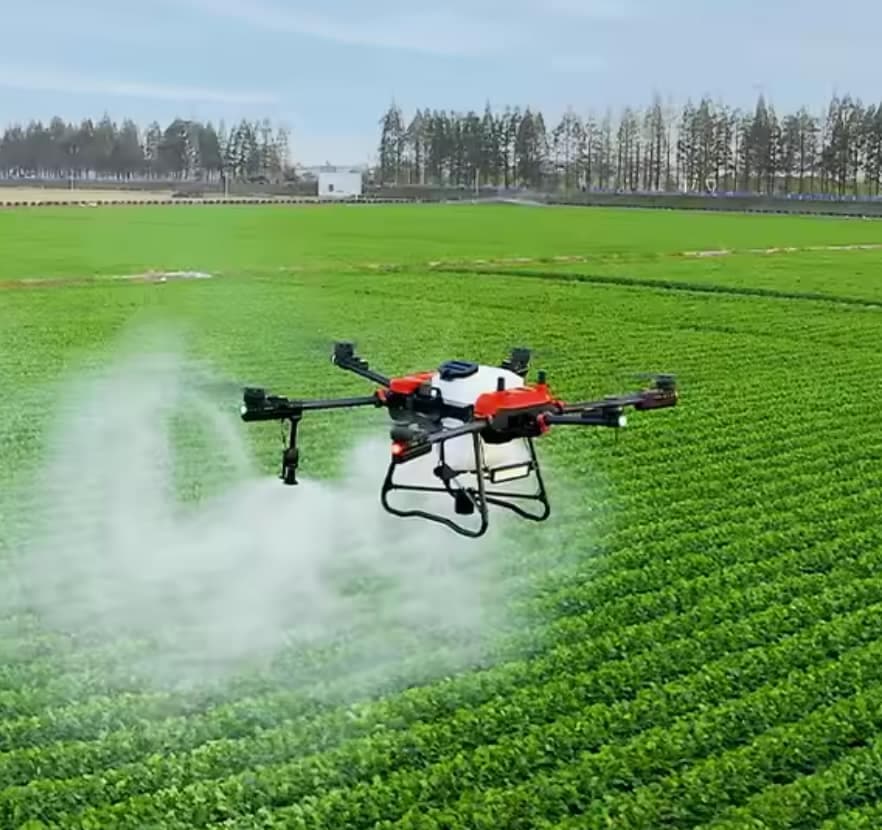
Drone fertilizer application provides precise, efficient nutrient distribution, improving crop health, reducing waste, and enhancing overall farm productivity.

Professional heavy-duty farm hauling services ensure the safe and efficient transport of large machinery, bulk materials, and oversized equipment using specialized trailers and experienced operators.

Drone pesticide application provides precise, efficient, and environmentally friendly crop protection by reducing chemical waste, minimizing labor costs, and ensuring optimal coverage.
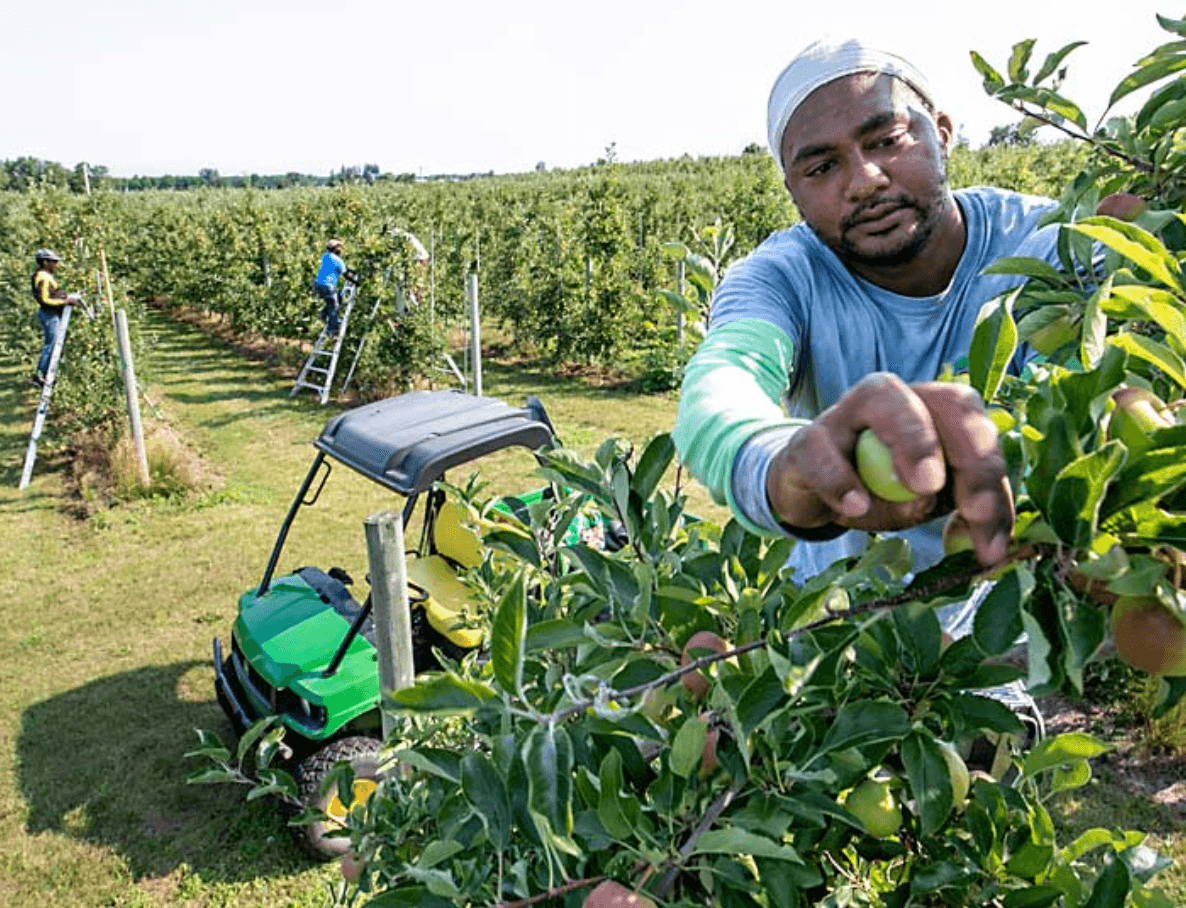
Agnomy connects farmers with reliable seasonal labor for harvesting, planting, pruning, packing, and other essential farm tasks during peak agricultural cycles.
The full catalog
Matches
116 results
Filter by location, distance, crop, and price. Tap a card to view the storefront and request a quote.
By category
7 categories
The service categories and subcategories with providers who specialize in tomatoes.
Service area
16 hubs with verified operators running jobs. Drop into one to compare providers, prices, and availability.
Keep exploring
More ways to find the right provider for your operation on Agnomy.
The reference
“California grows about 95% of America's processing tomatoes, roughly 11 to 12 million tons a year on 200,000+ acres across the Central Valley.”
Tomatoes are California's largest vegetable crop, and the state grows roughly 95% of the processing tomatoes in the United States, about 11 to 12 million tons a year on more than 200,000 acres concentrated in the Central Valley. Fresno County leads the nation, followed by Yolo, Merced, Kings, and San Joaquin. At that scale a tomato crop is a logistics problem as much as an agronomic one: every step from transplanting to the last load at the cannery runs on a tight, weather-driven schedule.
The season is stage-locked and equipment-heavy. It opens with land leveling and bed shaping, then mechanical transplanting of greenhouse-grown starts, since most California processing tomatoes are transplanted rather than direct-seeded. Buried drip tape with fertigation has become the standard, delivering water and nitrogen in splits matched to crop demand. Through the summer growers manage weeds and protect against beet leafhopper and curly top, tomato fruitworm, russet mite, and powdery mildew, often by air. Custom operators bring the transplanters, sprayers, drip crews, and scouts that keep a block on schedule.
Harvest is where processing and fresh-market tomatoes diverge. Processing fruit is cut in a single pass by self-propelled harvesters with electronic color sorters at close to an acre an hour, then moved field-to-cannery in 12.5-ton gondolas, so harvest and hauling have to be tightly coordinated. Fresh-market tomatoes are staked, tied, and hand-picked in multiple passes to protect quality. Agnomy connects growers with vetted local operators for every stage, from transplanting and drip to crop protection, harvest, and hauling, with scheduling, quotes, and payments handled in one place.
Frequently asked
What growers ask before they book on Agnomy.
Now make it local
This page is the network reference. To compare actual providers, prices and availability in your zip code, jump to a local hub.
Tomatoes
From the blog
Field notes, seasonal guides, and grower interviews — straight from the team.
 Industry News
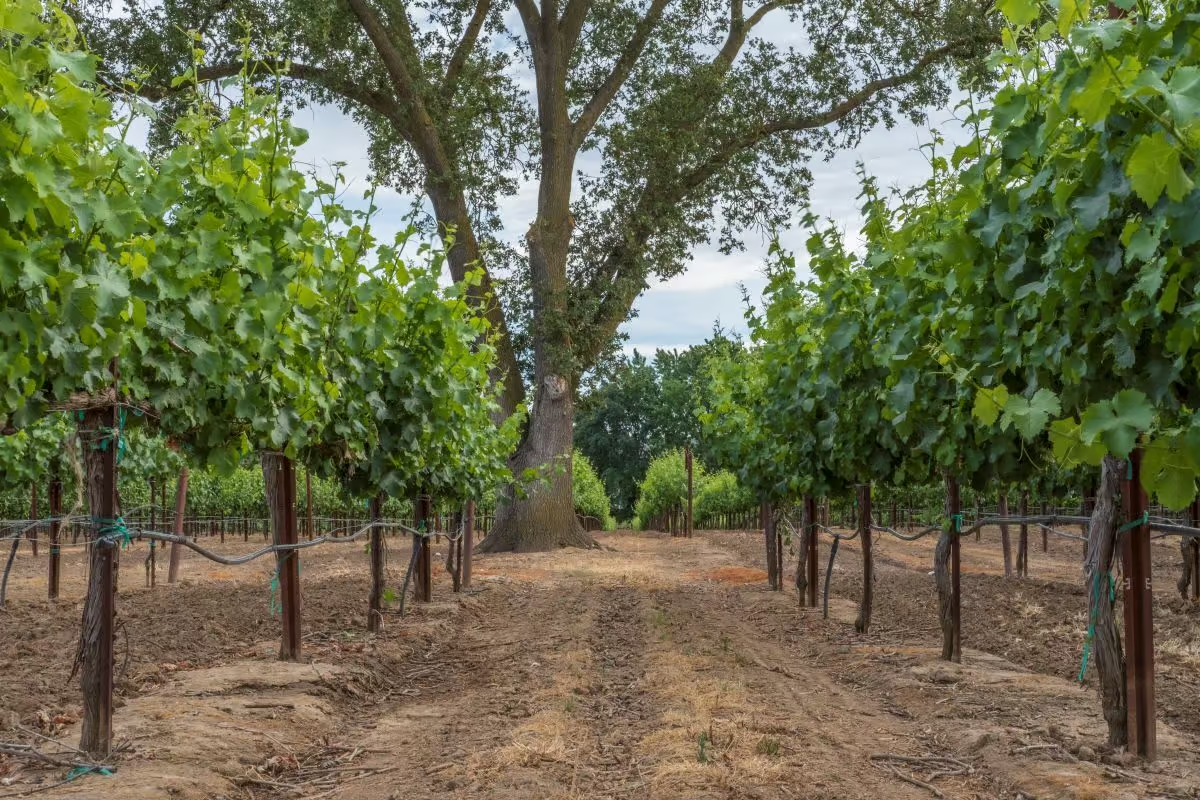
California's wine grape industry is going through a major correction as weak demand, excess inventory, rising costs, and fewer contracts push growers to remove vineyards. We look at the latest California and Lodi numbers, available vineyard removal assistance, and what growers should consider next.
 Industry News
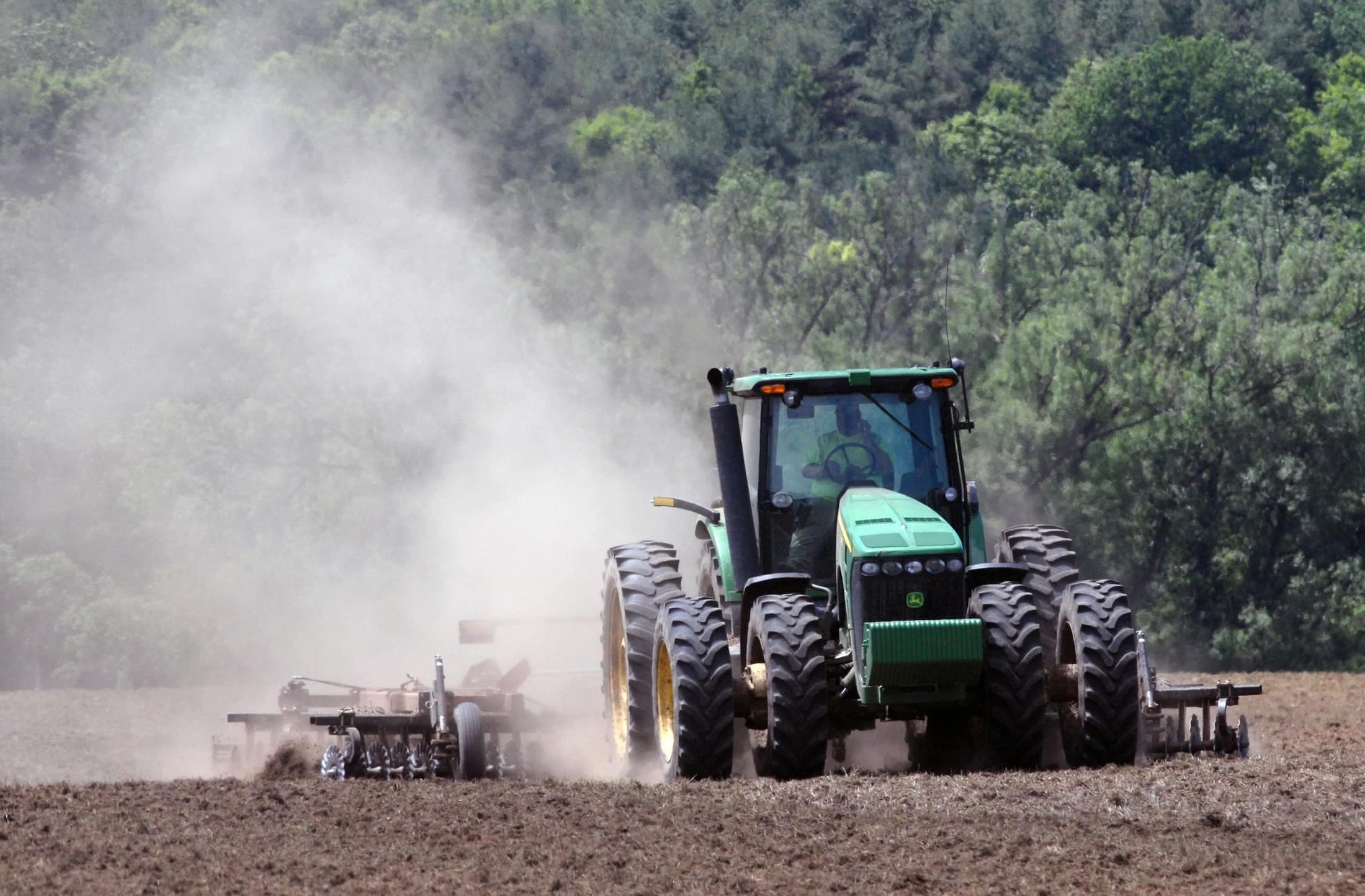
Rising equipment costs, tight labor, specialized technology, and narrow operating windows are changing how farms get work done. More growers are turning to agricultural service providers for equipment, labor, technology, and expertise when they need it.
 Industry News
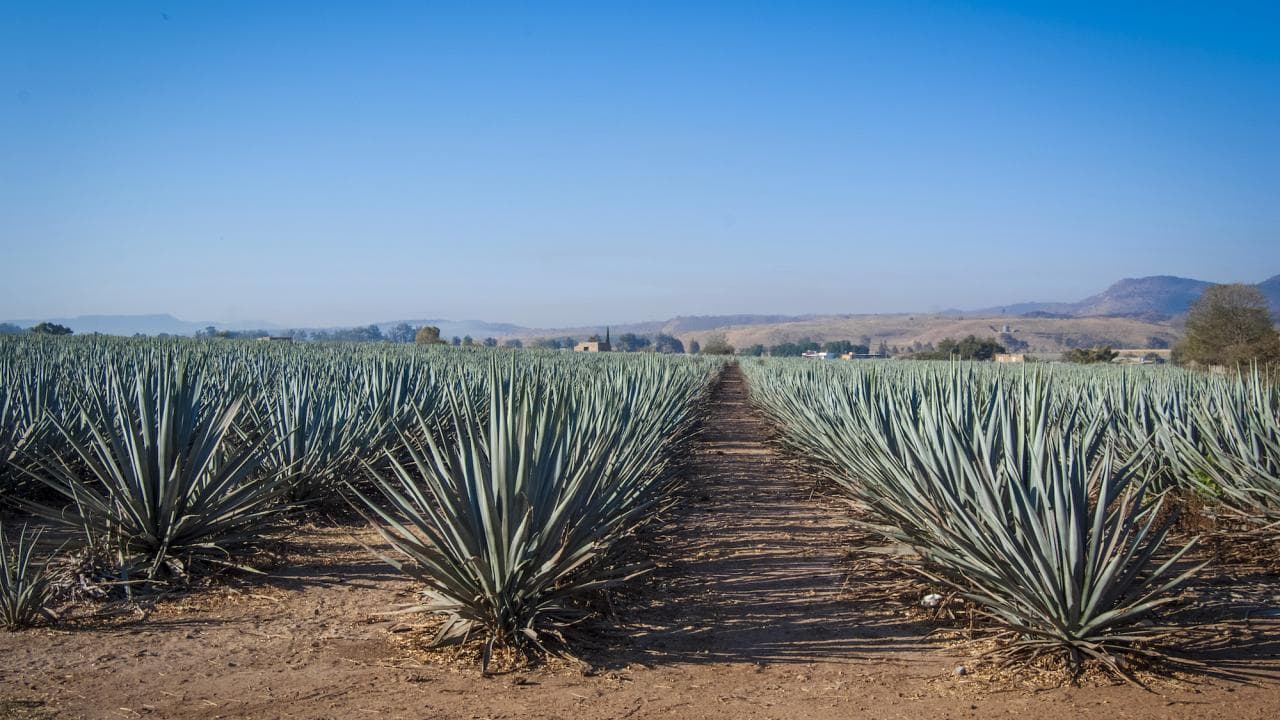
California growers are beginning to explore agave as a drought-tolerant crop for water-constrained farmland. We look at why farmers are interested, where the market is developing, potential buyers, growing risks, and what to consider before planting.