Transplanting & Drip Setup
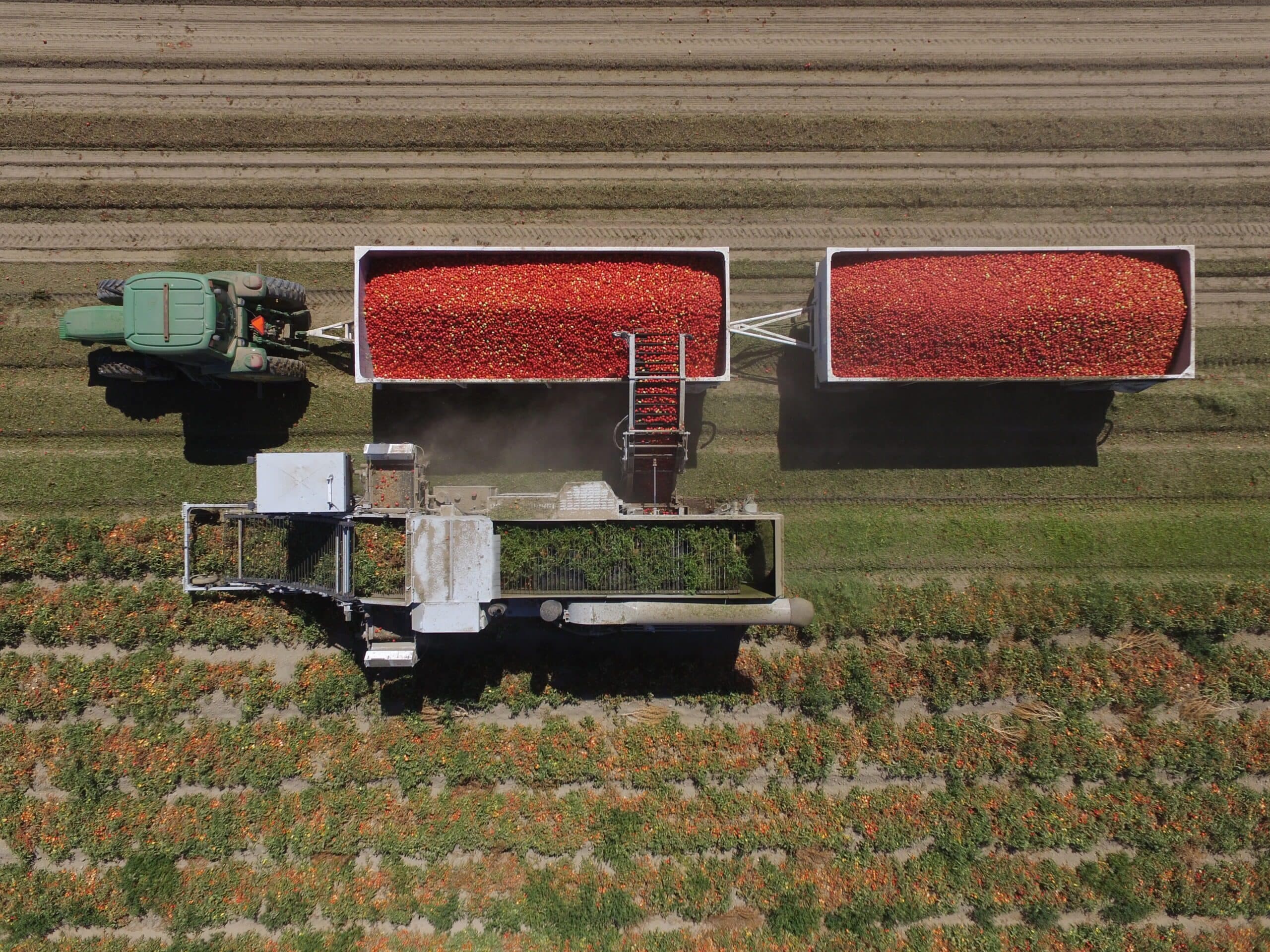
Mechanical transplanting and buried drip tape to establish a uniform tomato stand
Local Ag Services
California · United States
Region
Sacramento Valley
USDA zone
9b
Services
84
Providers
20
Refine your search
Search the full catalog or pivot by category. Every path lands on the same vetted providers.
The full catalog
Matches
84 results
Filter by location, distance, crop, and price. Tap a card to view the storefront and request a quote.
By category
7 categories
The service categories with providers who specialize in tomatoes in Woodland.
Services growers need
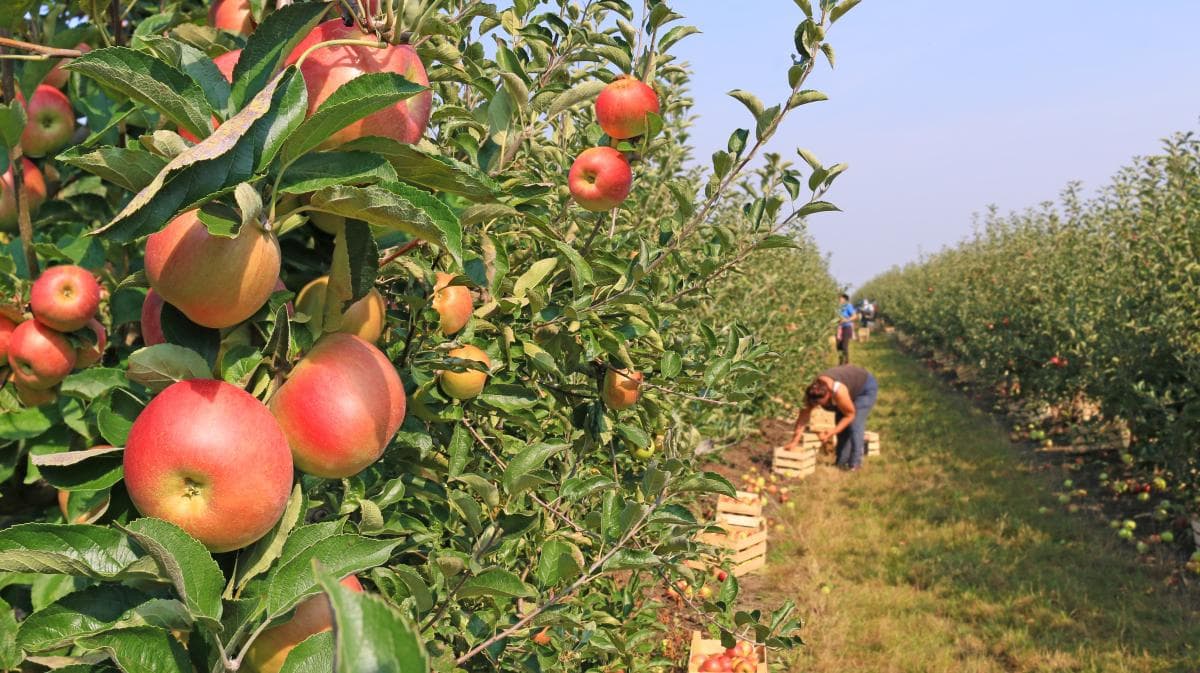
Mechanical transplanting and buried drip tape to establish a uniform tomato stand
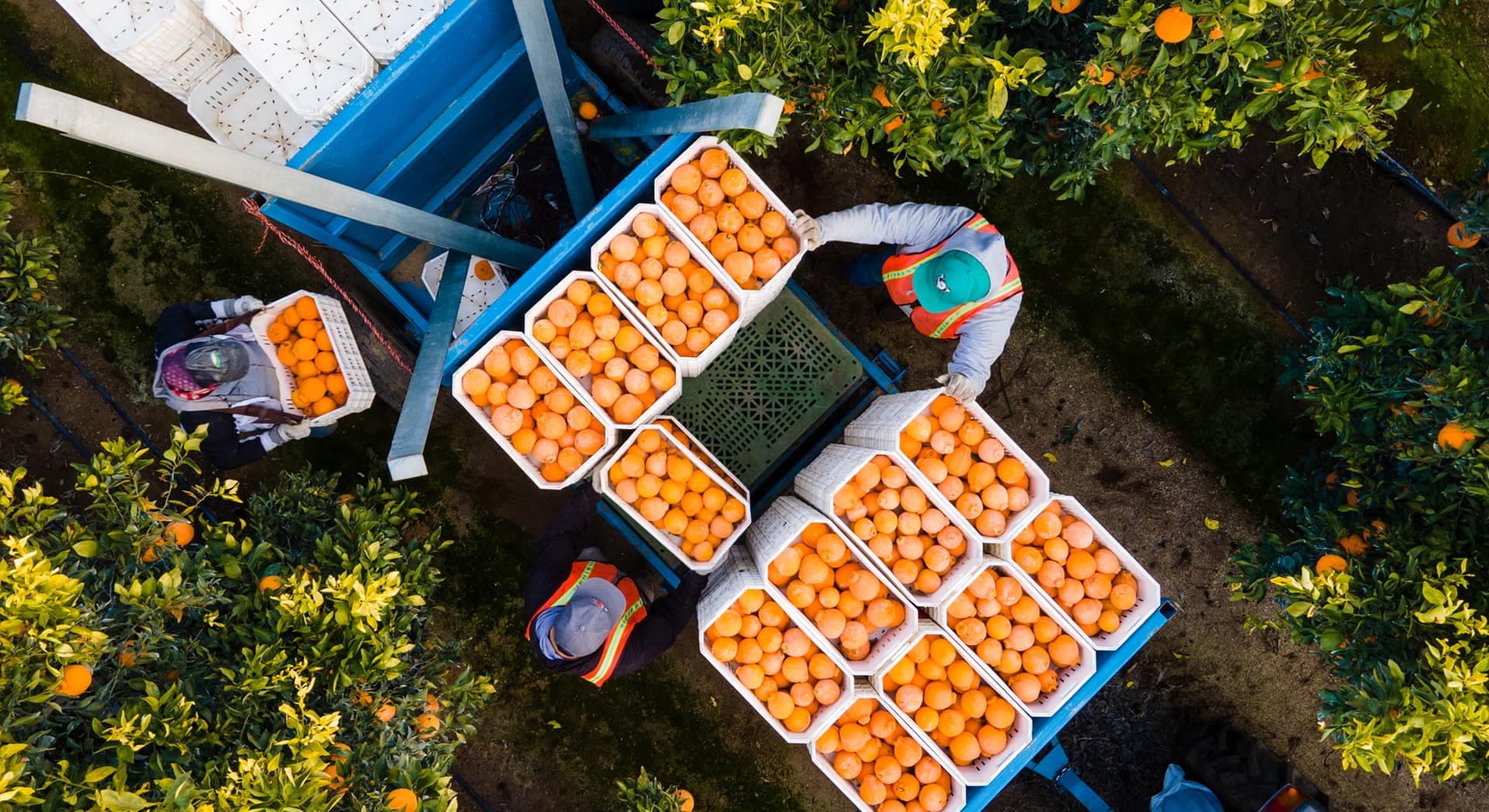
Ground and aerial applications for curly top, fruitworm, russet mite, and mildew
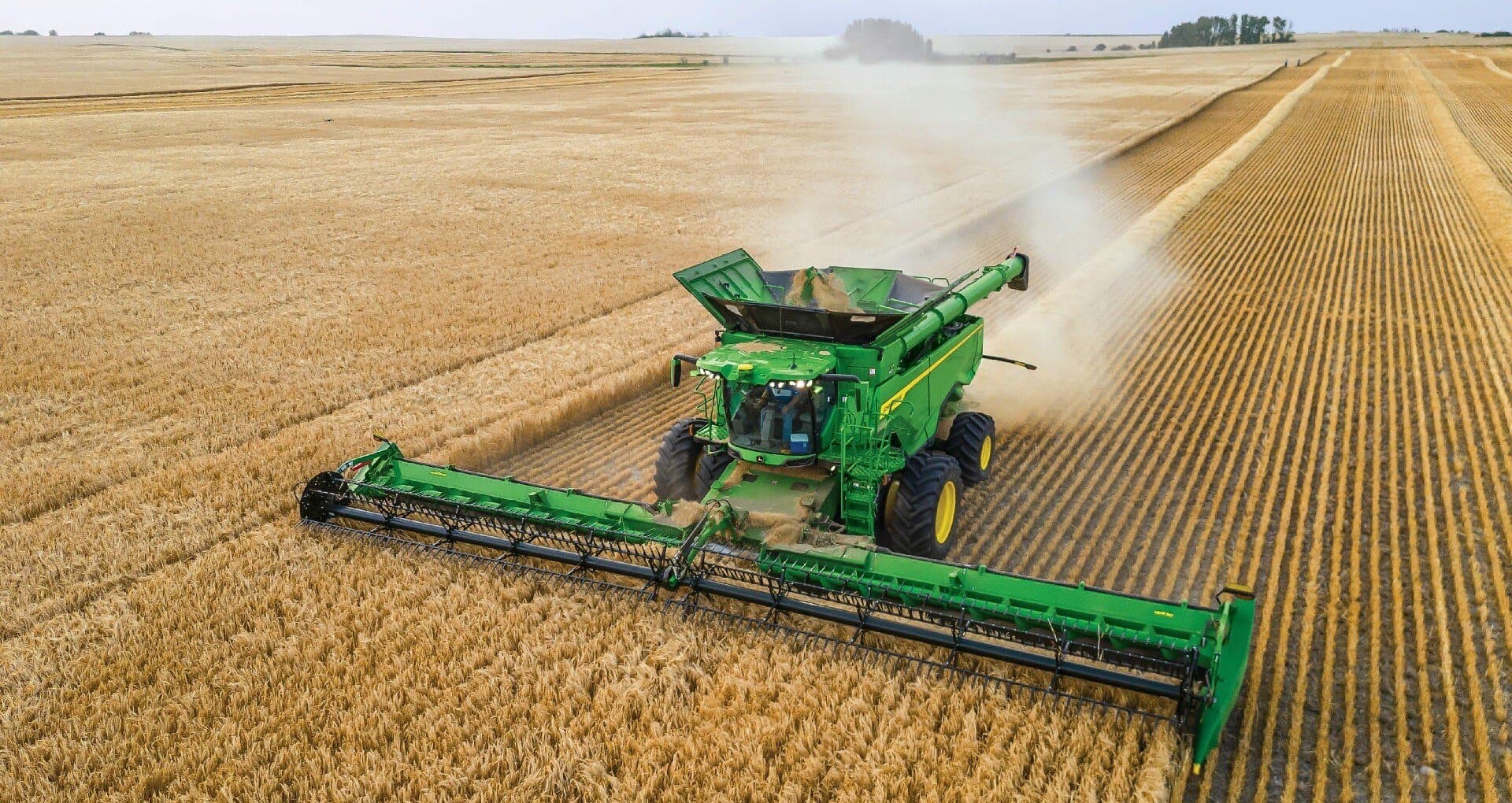
Self-propelled harvesters with electronic color sorting for processing tomatoes
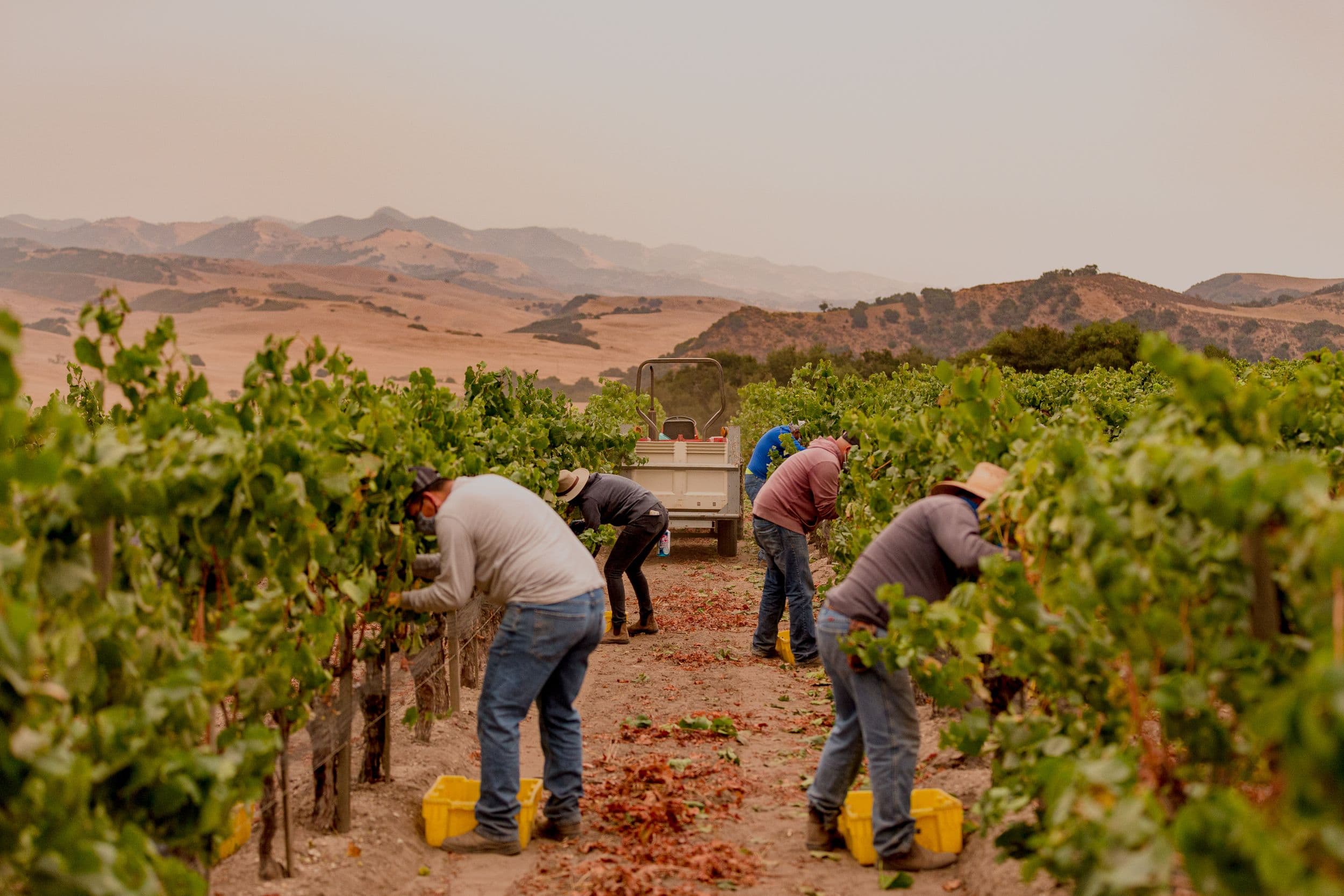
Gondola and tandem-trailer hauling field-to-processor through peak season
Keep exploring
Other crops grown in Woodland. Browse another to find the providers and services that fit your operation.
Tomatoes are California's largest vegetable crop, and the state grows roughly 95% of the processing tomatoes in the United States, about 11 to 12 million tons a year on more than 200,000 acres concentrated in the Central Valley. Fresno County leads the nation, followed by Yolo, Merced, Kings, and San Joaquin. At that scale a tomato crop is a logistics problem as much as an agronomic one: every step from transplanting to the last load at the cannery runs on a tight, weather-driven schedule.
The season is stage-locked and equipment-heavy. It opens with land leveling and bed shaping, then mechanical transplanting of greenhouse-grown starts, since most California processing tomatoes are transplanted rather than direct-seeded. Buried drip tape with fertigation has become the standard, delivering water and nitrogen in splits matched to crop demand. Through the summer growers manage weeds and protect against beet leafhopper and curly top, tomato fruitworm, russet mite, and powdery mildew, often by air. Custom operators bring the transplanters, sprayers, drip crews, and scouts that keep a block on schedule.
Harvest is where processing and fresh-market tomatoes diverge. Processing fruit is cut in a single pass by self-propelled harvesters with electronic color sorters at close to an acre an hour, then moved field-to-cannery in 12.5-ton gondolas, so harvest and hauling have to be tightly coordinated. Fresh-market tomatoes are staked, tied, and hand-picked in multiple passes to protect quality. Agnomy connects growers with vetted local operators for every stage, from transplanting and drip to crop protection, harvest, and hauling, with scheduling, quotes, and payments handled in one place.
Answers for growers
What growers ask about tomatoes services in Woodland.
Tomatoes in Woodland
From the blog
Field notes, seasonal guides, and grower interviews — straight from the team.
 Industry News
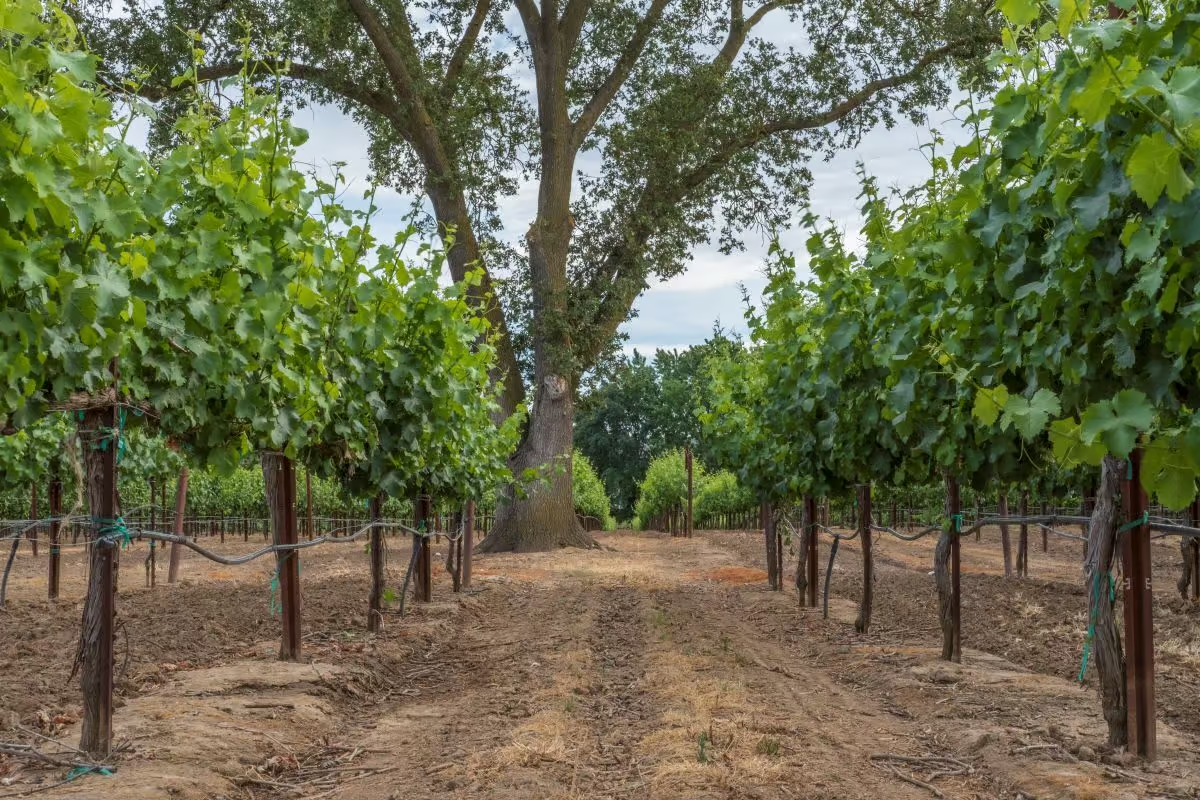
California's wine grape industry is going through a major correction as weak demand, excess inventory, rising costs, and fewer contracts push growers to remove vineyards. We look at the latest California and Lodi numbers, available vineyard removal assistance, and what growers should consider next.
 Industry News
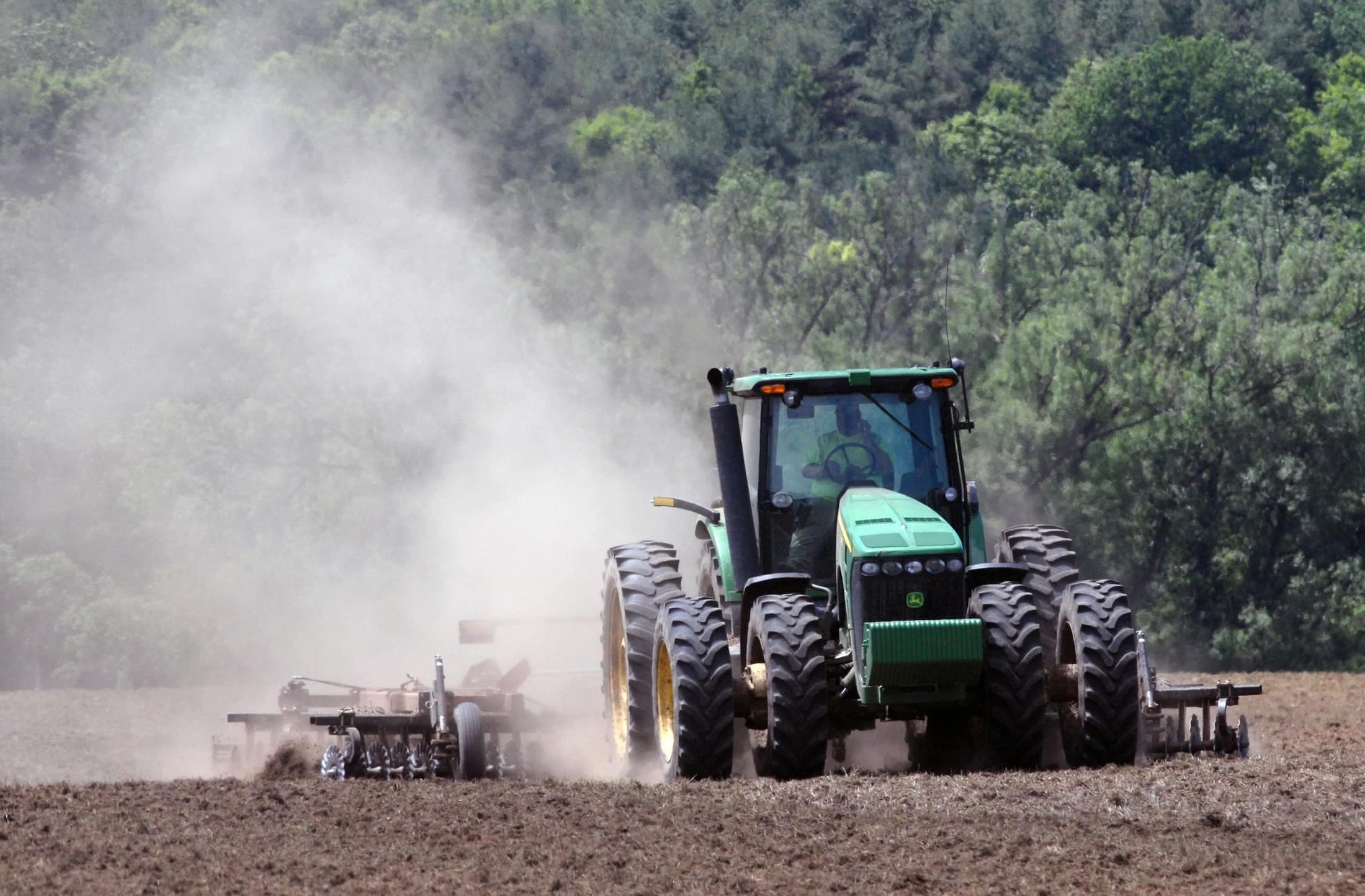
Rising equipment costs, tight labor, specialized technology, and narrow operating windows are changing how farms get work done. More growers are turning to agricultural service providers for equipment, labor, technology, and expertise when they need it.
 Industry News
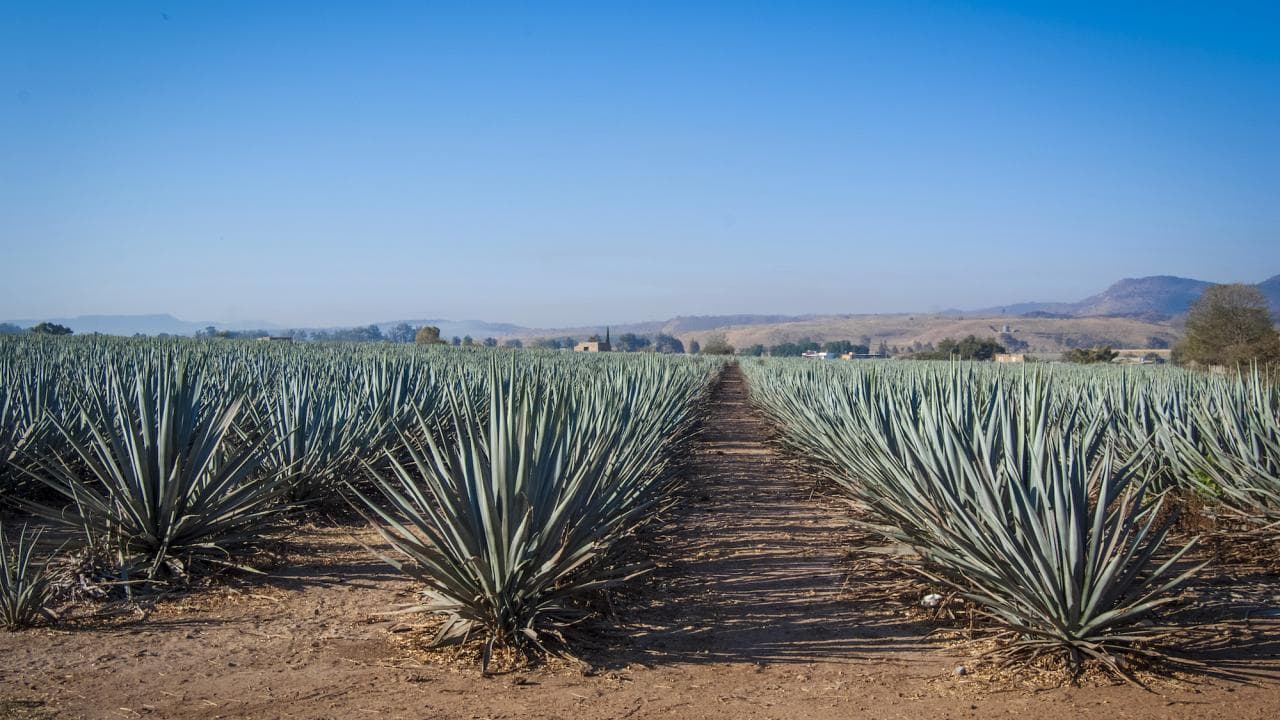
California growers are beginning to explore agave as a drought-tolerant crop for water-constrained farmland. We look at why farmers are interested, where the market is developing, potential buyers, growing risks, and what to consider before planting.
Showing 40 of 40 services with a provider within 50 mi of Woodland.
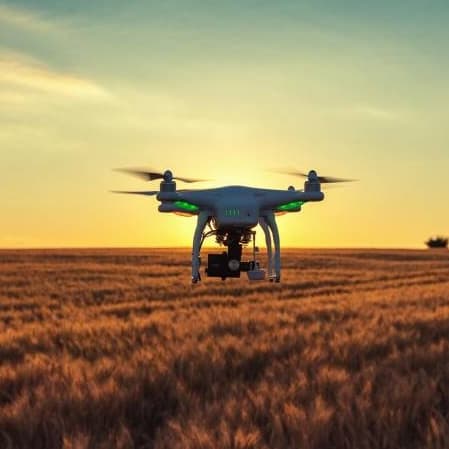
Drone orthomosaic mapping services from Agnomys provide high-resolution, georeferenced aerial imagery to help farmers visualize, measure, and manage their land with greater precision and efficiency.
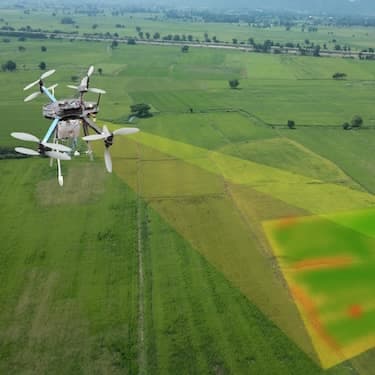
Drone 3D mapping and terrain modeling services from Agnomys provide detailed elevation data and topographic insights to help farmers improve land planning, optimize irrigation, and support precision agriculture.
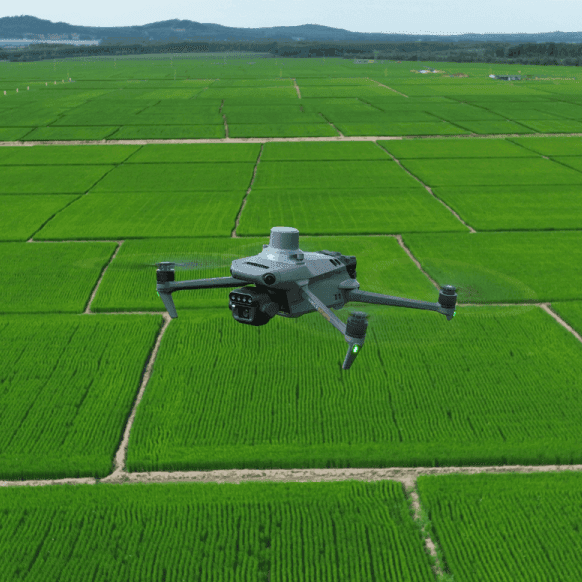
Drone multispectral survey services from Agnomys provide high-resolution insights into crop health, soil conditions, and field variability to support precision agriculture and smarter farming decisions.
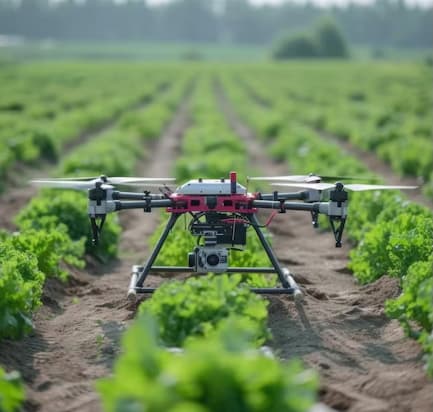
Drone service providers offer efficient pest survey solutions, using aerial imagery and multispectral sensors to detect infestations and guide targeted pest control strategies.

Agnomys connects farmers with drone service providers who capture high-resolution aerial photos and videos for crop monitoring, project tracking, and marketing content.
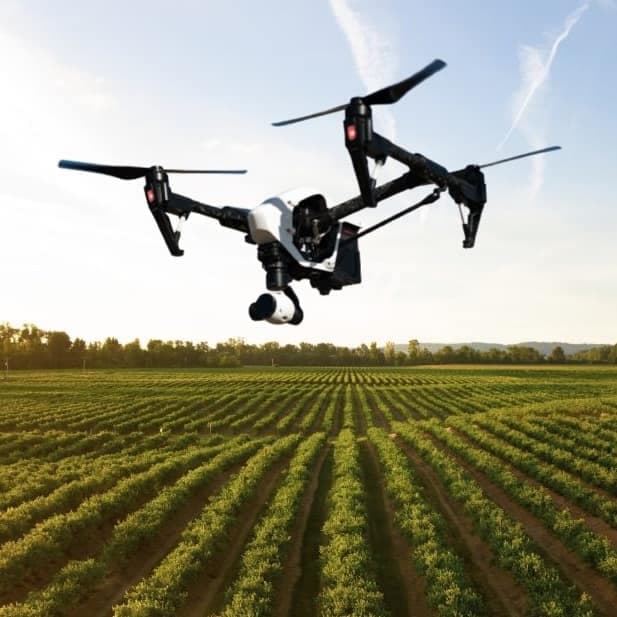
Agnomys connects farmers with drone service providers to inspect, analyze, and document irrigation systems using aerial video and imagery for efficient water distribution and system performance.
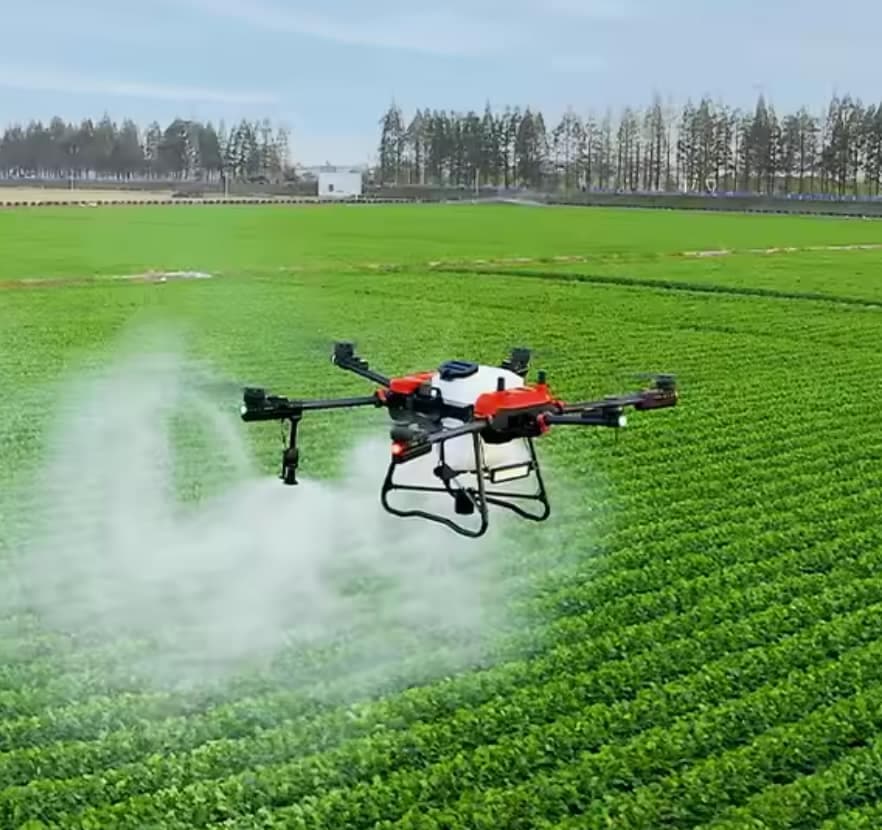
Drone fertilizer application provides precise, efficient nutrient distribution, improving crop health, reducing waste, and enhancing overall farm productivity.
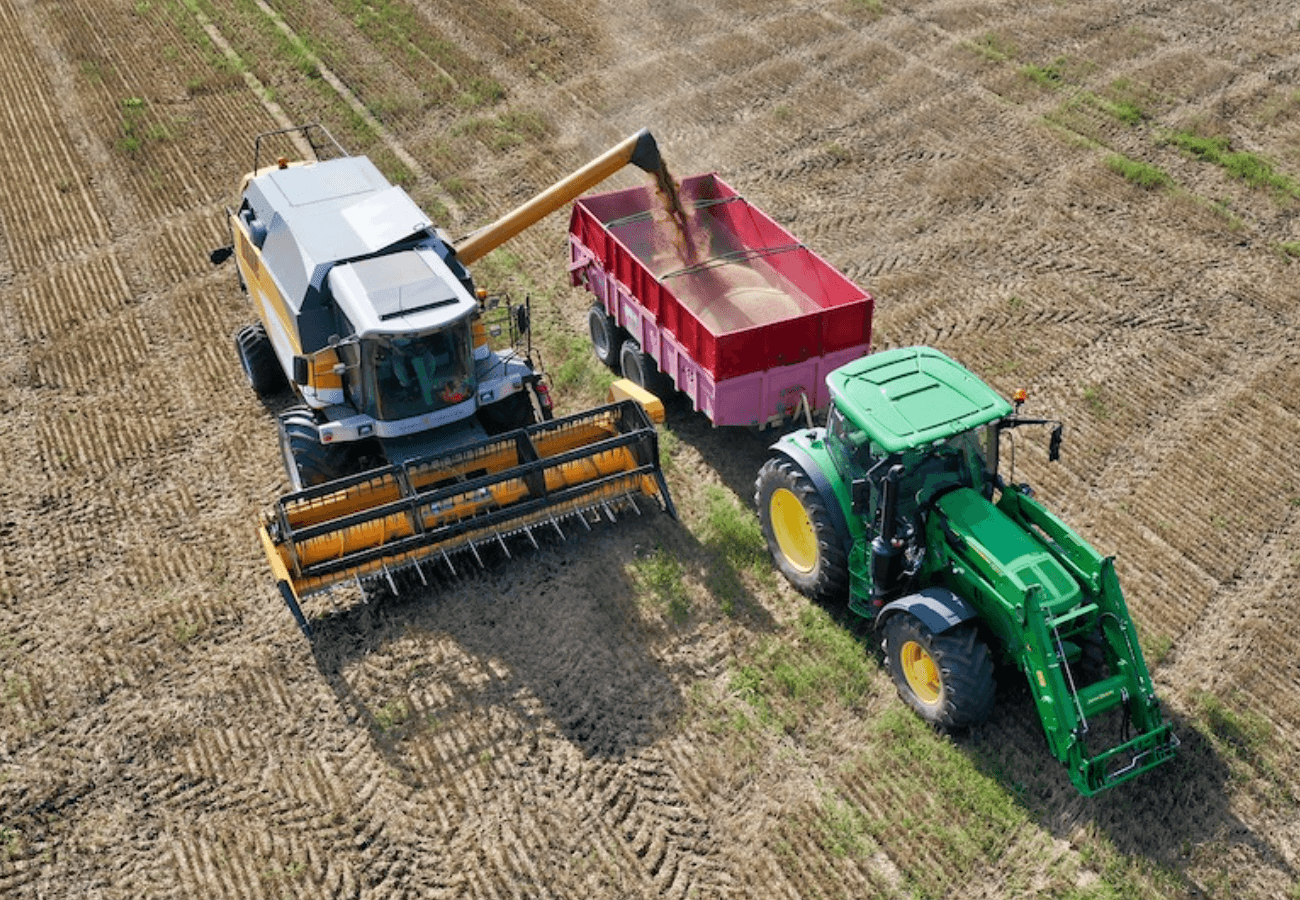
Skilled and experienced equipment operators ensure efficiency and productivity.
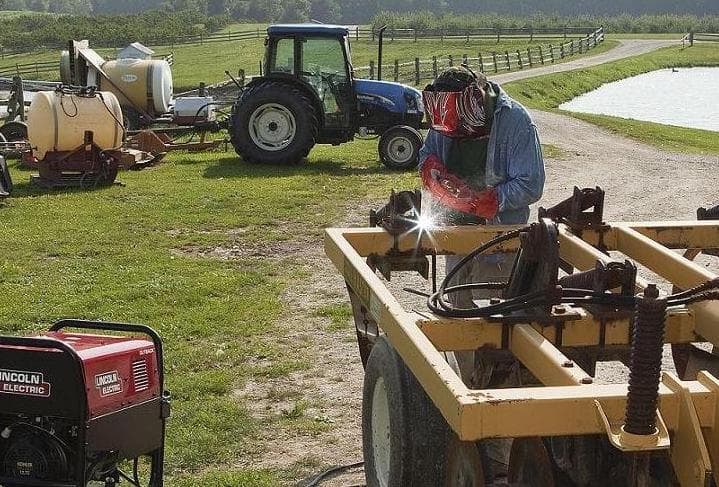
Ag welding services ensure durable repairs, custom fabrication, and structural support for farm equipment and infrastructure.

Comprehensive soil analysis services provide farmers with essential insights into soil health, including nutrient levels, pH balance, organic matter, moisture content, and contamination, enabling precise land management and improved crop productivity.
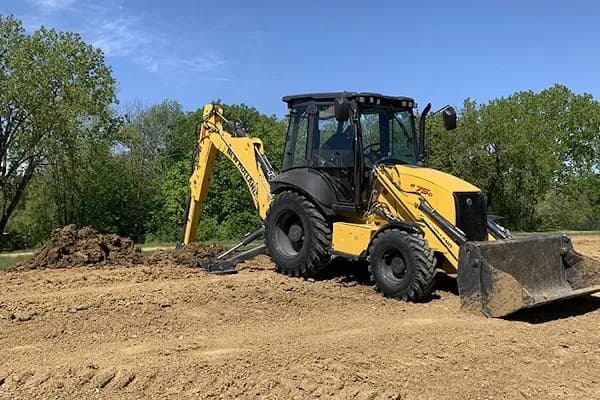
Backhoe rental services provide access to well-maintained equipment and skilled operators for excavation, trenching, grading, and material handling with flexible rental options.
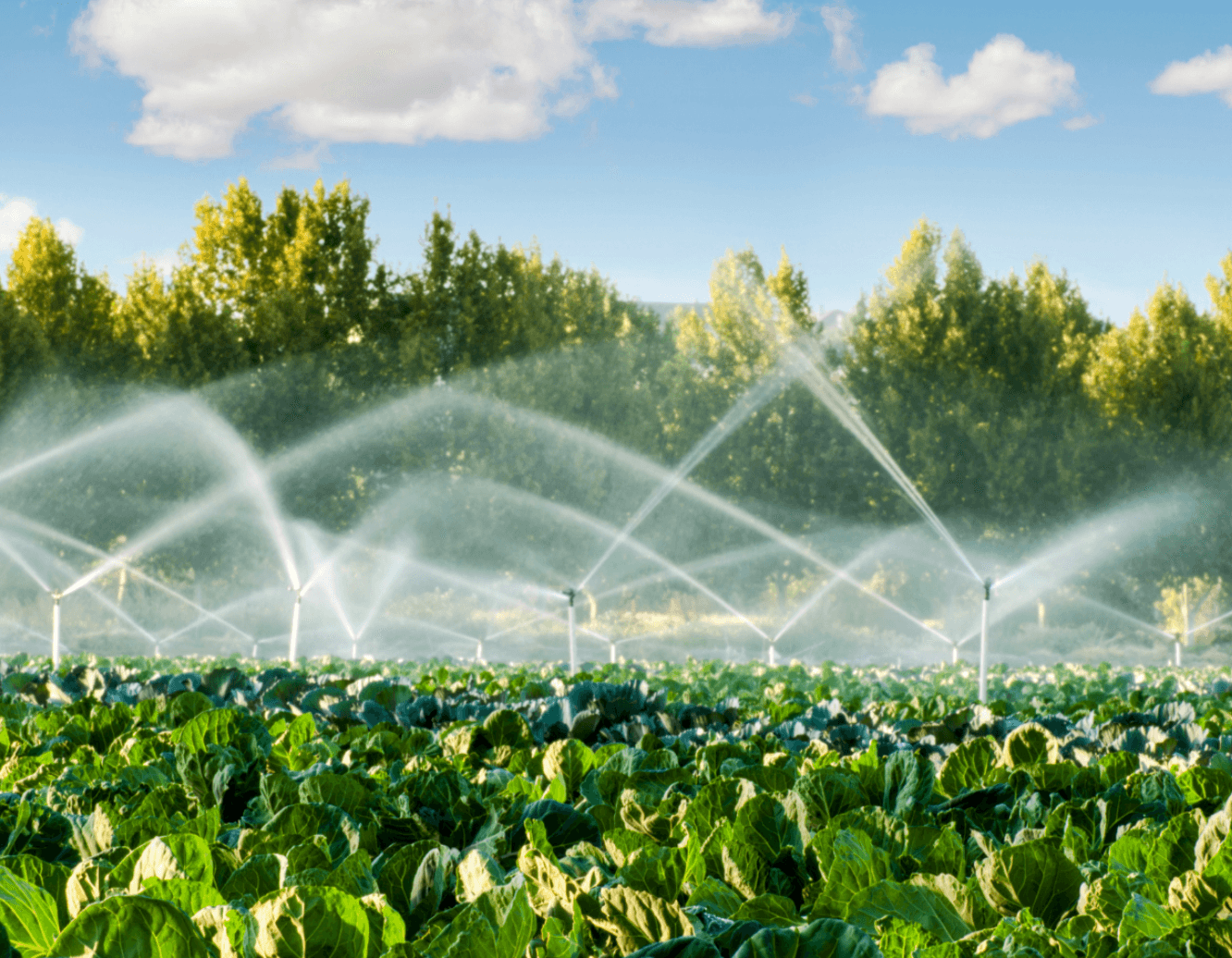
Irrigation equipment and sales specialists provide tailored solutions for fruit and vegetable growers, offering advanced systems, filtration, automation, and expert support to maximize water efficiency and crop health.
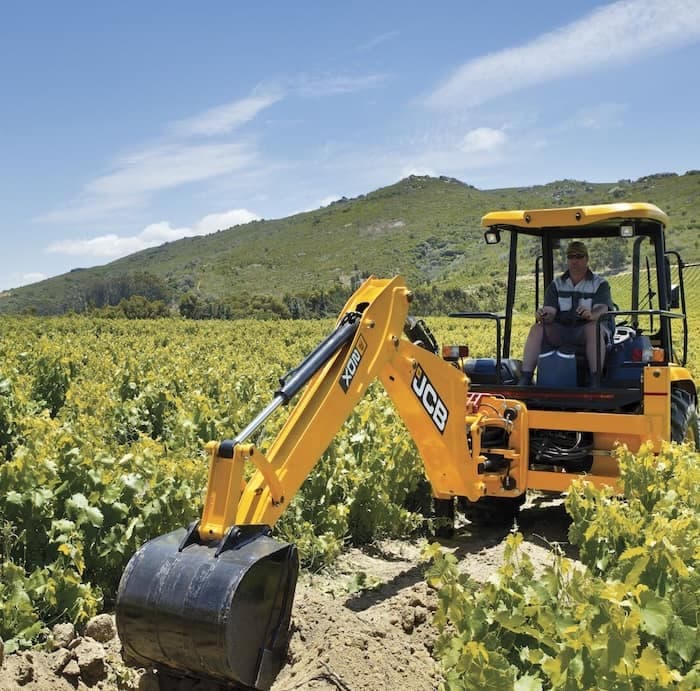
Professional ag backhoe services provide efficient excavation, trenching, land clearing, drainage maintenance, stump removal, and custom solutions to support agricultural projects with precision and reliability.
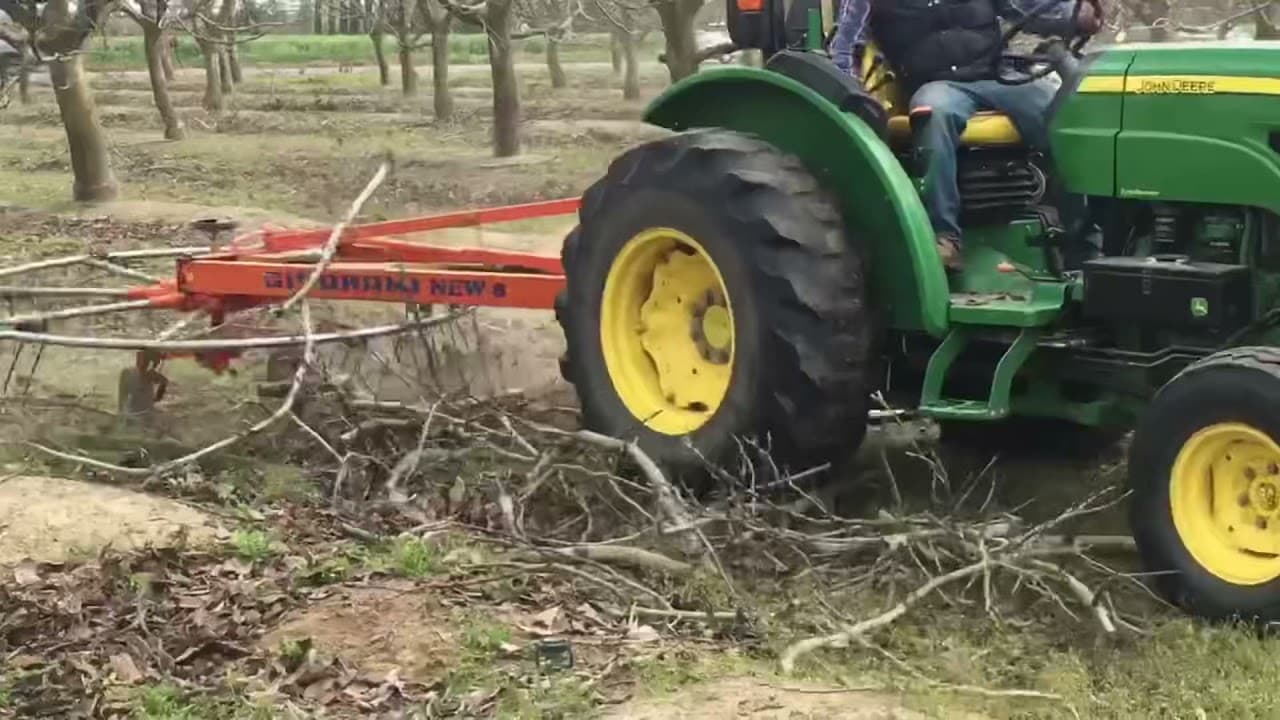
Brush raking services clear orchards, vineyards, and fields of leftover prunings, brush, and debris to prepare land for cultivation, replanting, or maintenance.
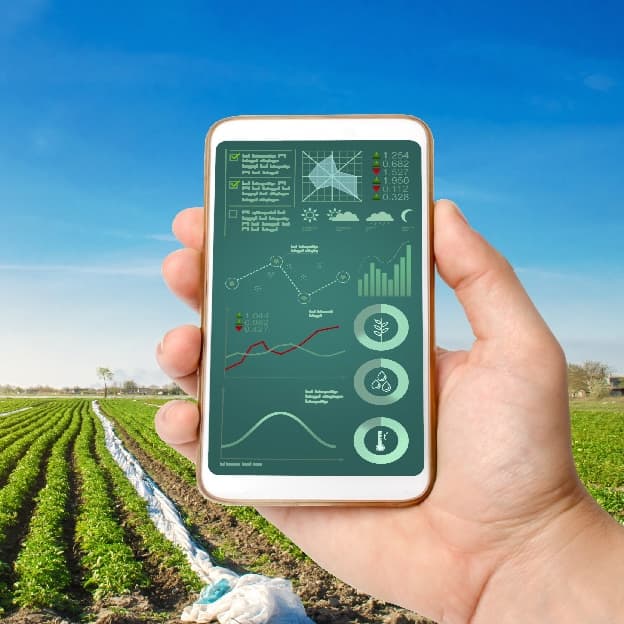
Smart irrigation systems optimize water usage through automation and real-time data, improving efficiency and sustainability for agricultural operations.
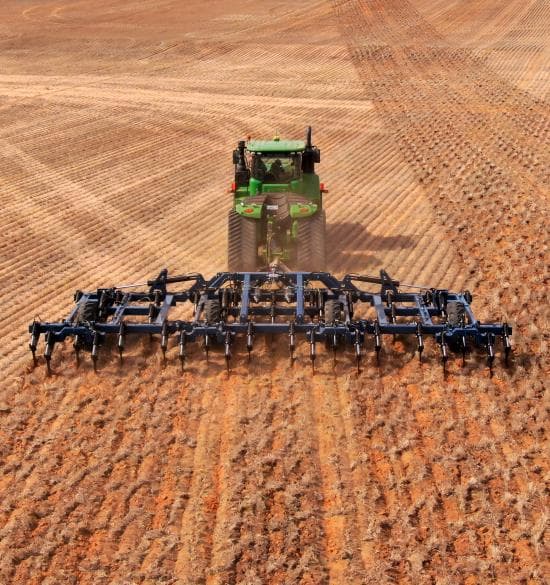
Deep ripping services break up compacted soil to improve root growth, water infiltration, and soil health, creating optimal conditions for higher crop yields and long-term farm productivity.
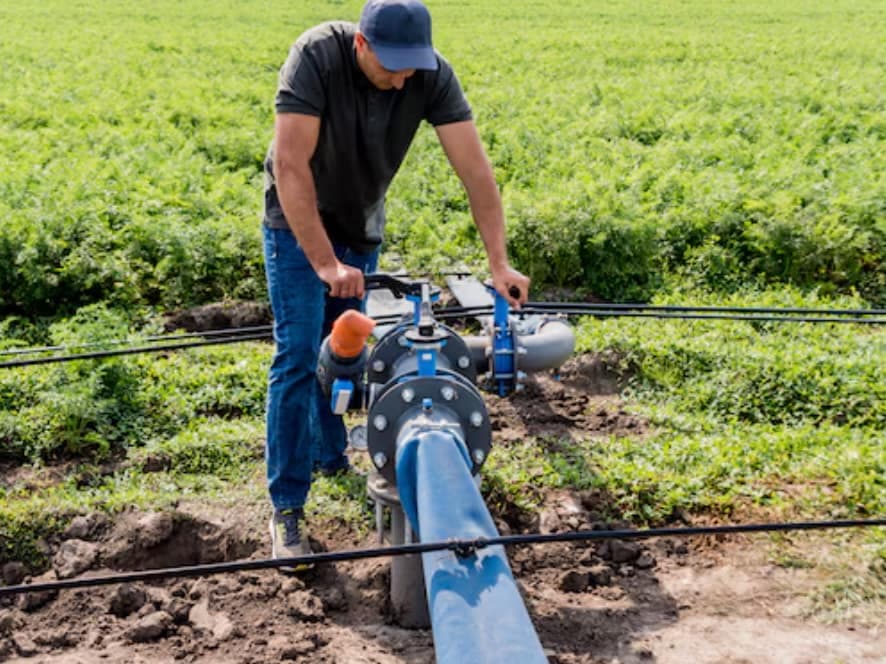
Expert irrigation pump repair and maintenance services ensure optimal water flow, system efficiency, and longevity through inspections, repairs, routine upkeep, and emergency support.
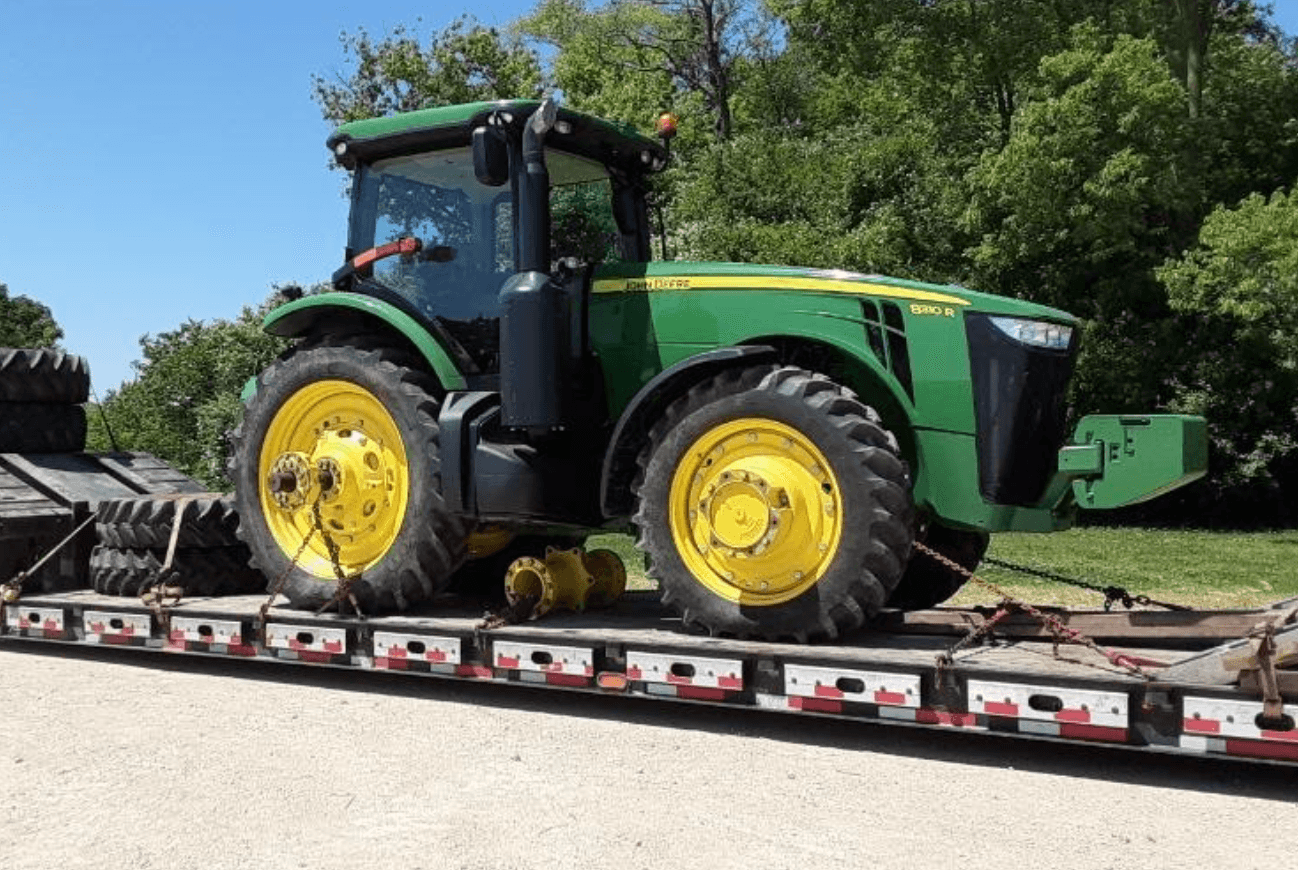
From heavy machinery to specialized tools, transport equipment safely and on schedule.
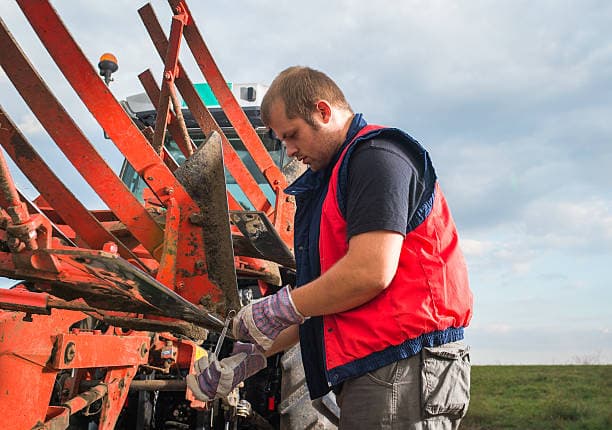
Expert farm equipment repair services to keep your machinery running efficiently, reduce downtime, and ensure peak performance.
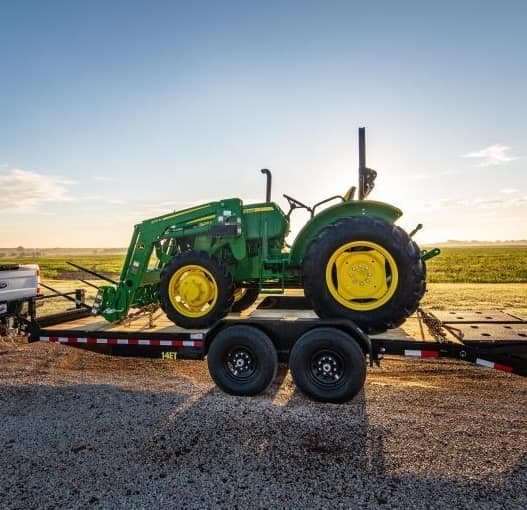
Light-duty farm hauling services provide efficient transportation for small equipment, materials, crops, and livestock, ensuring smooth and reliable farm operations.