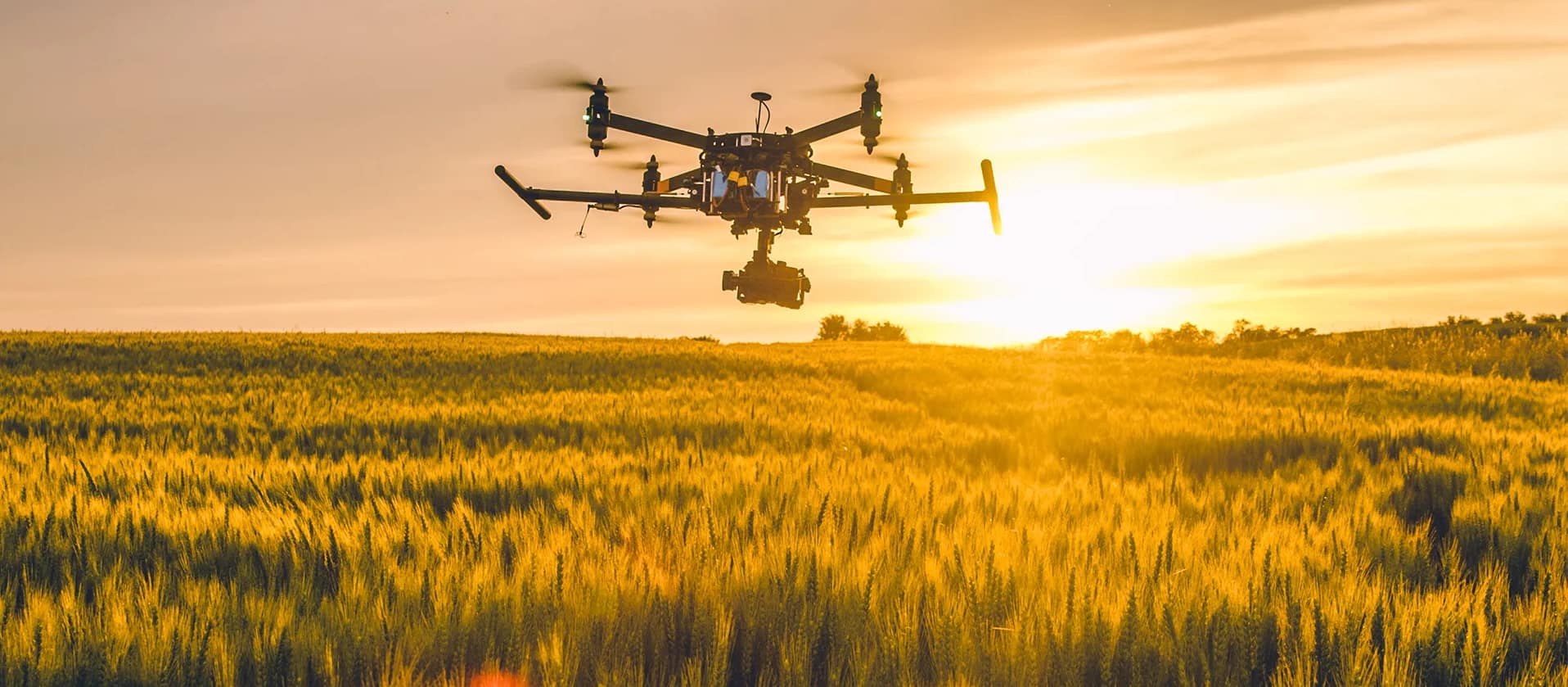
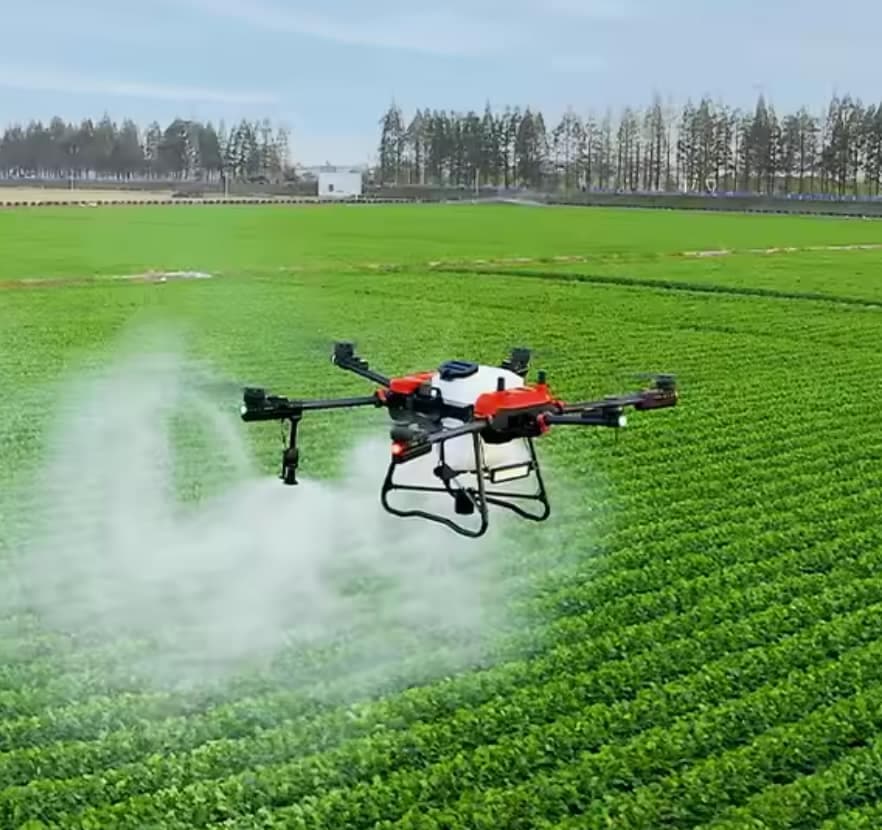
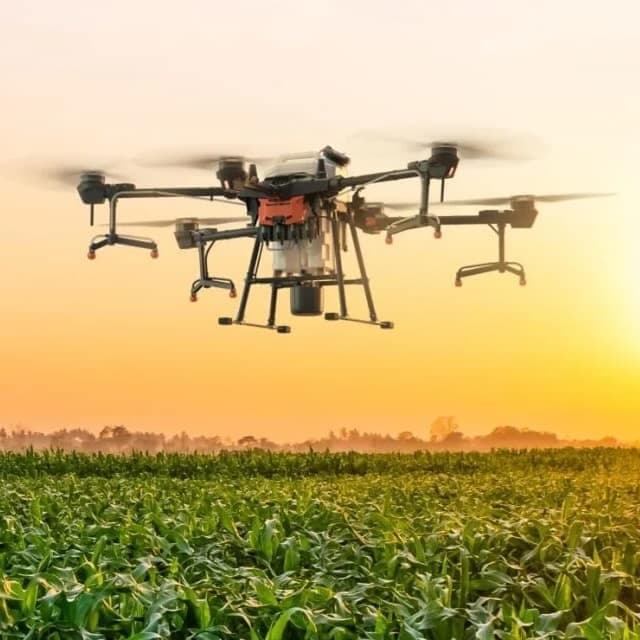
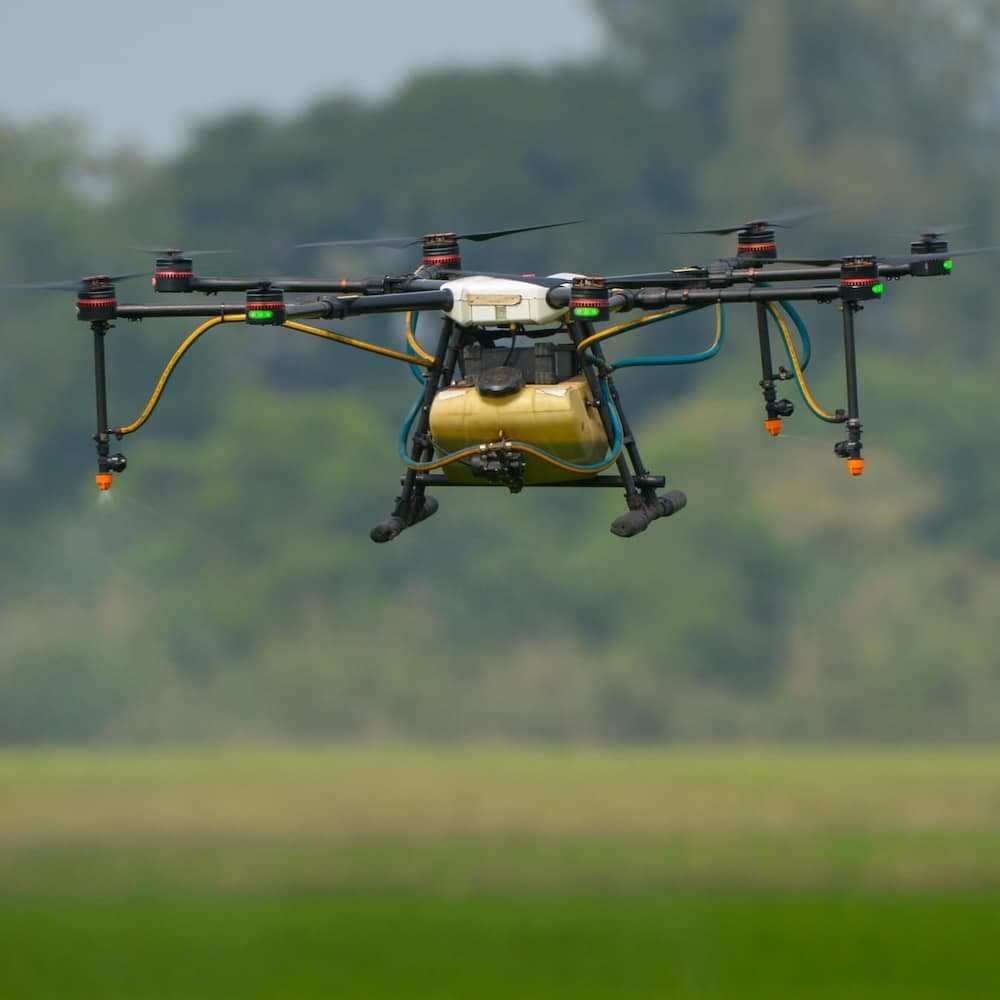
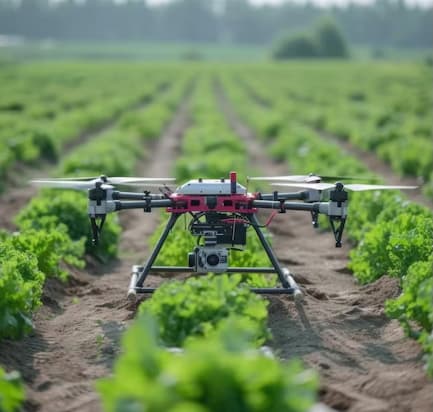
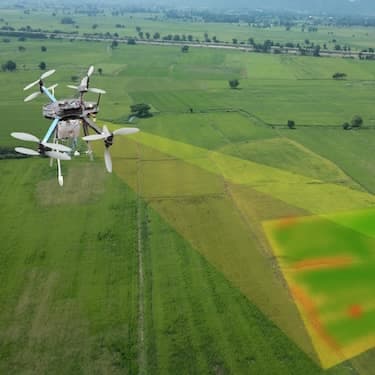
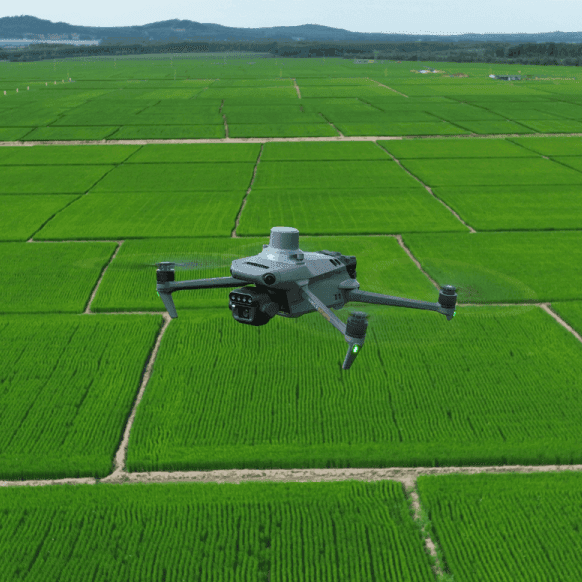
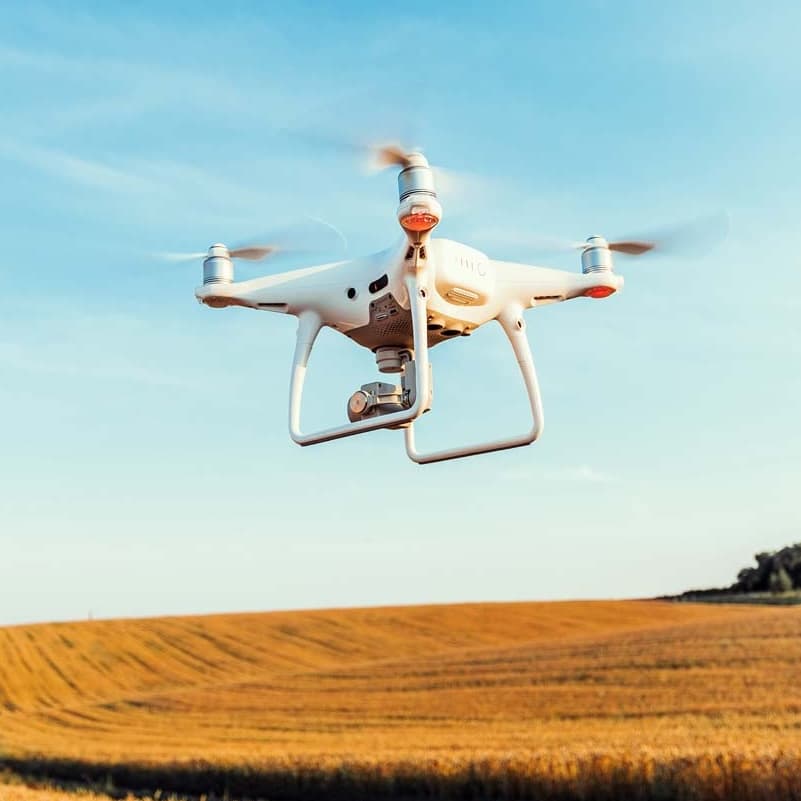
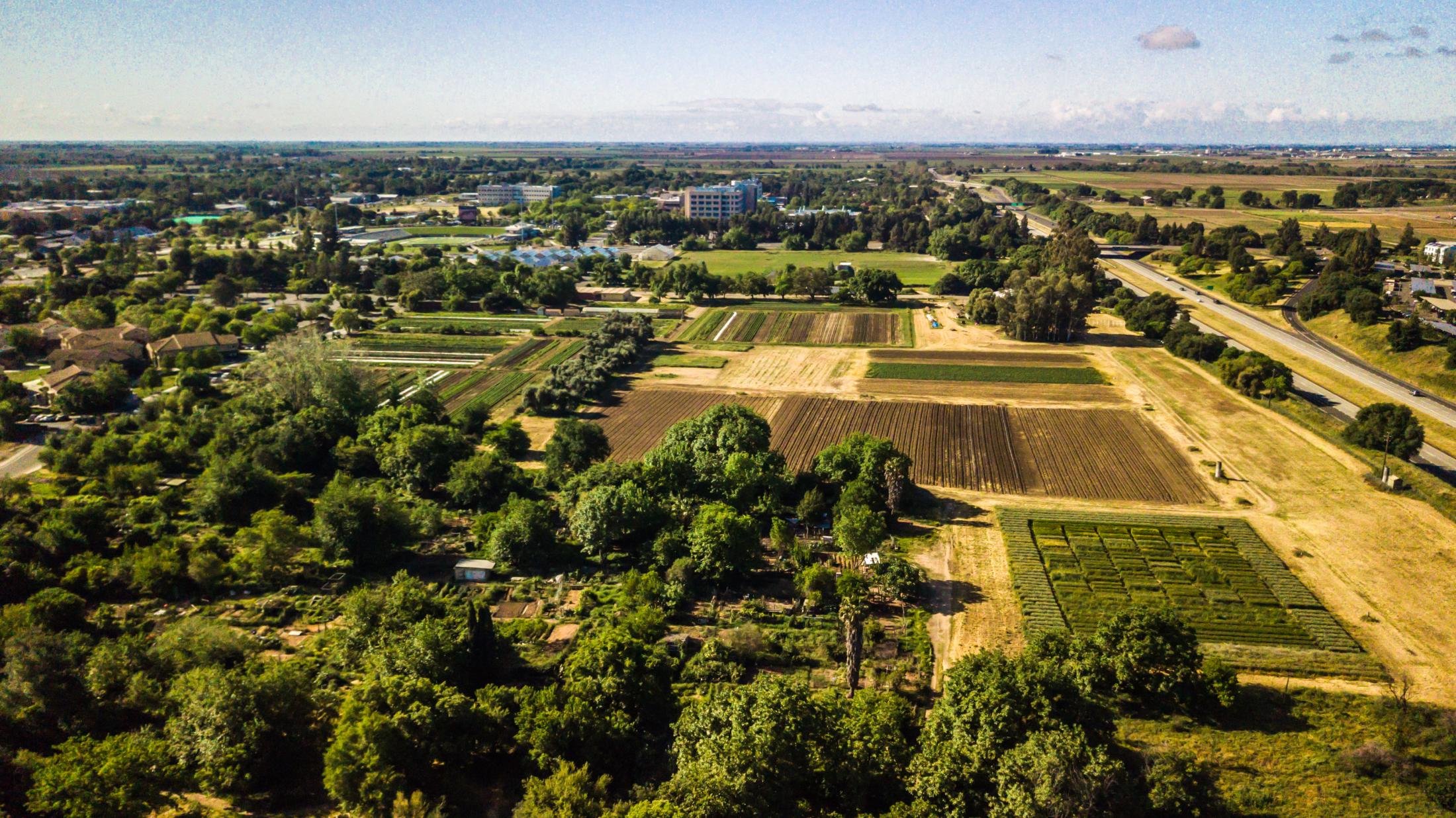
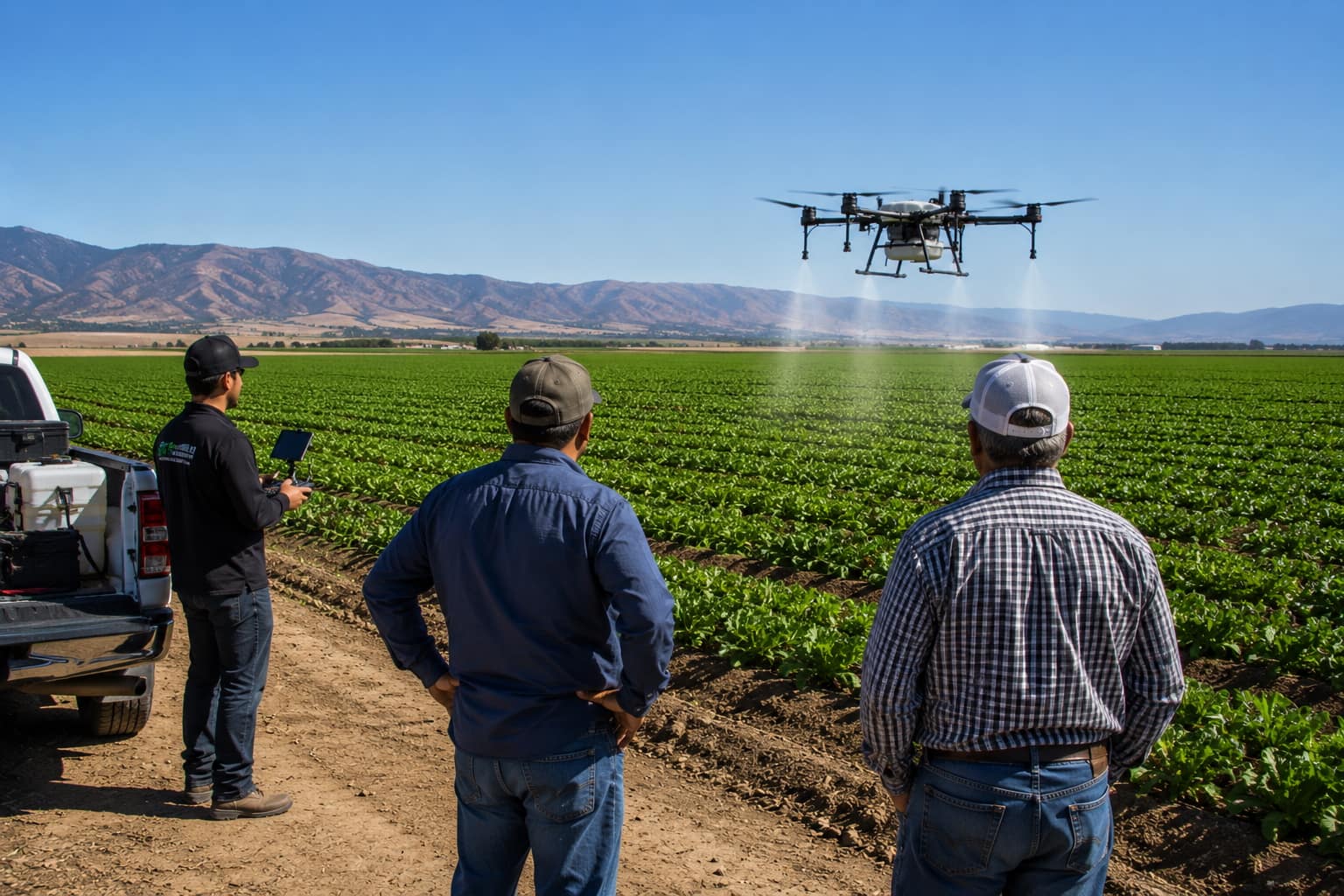
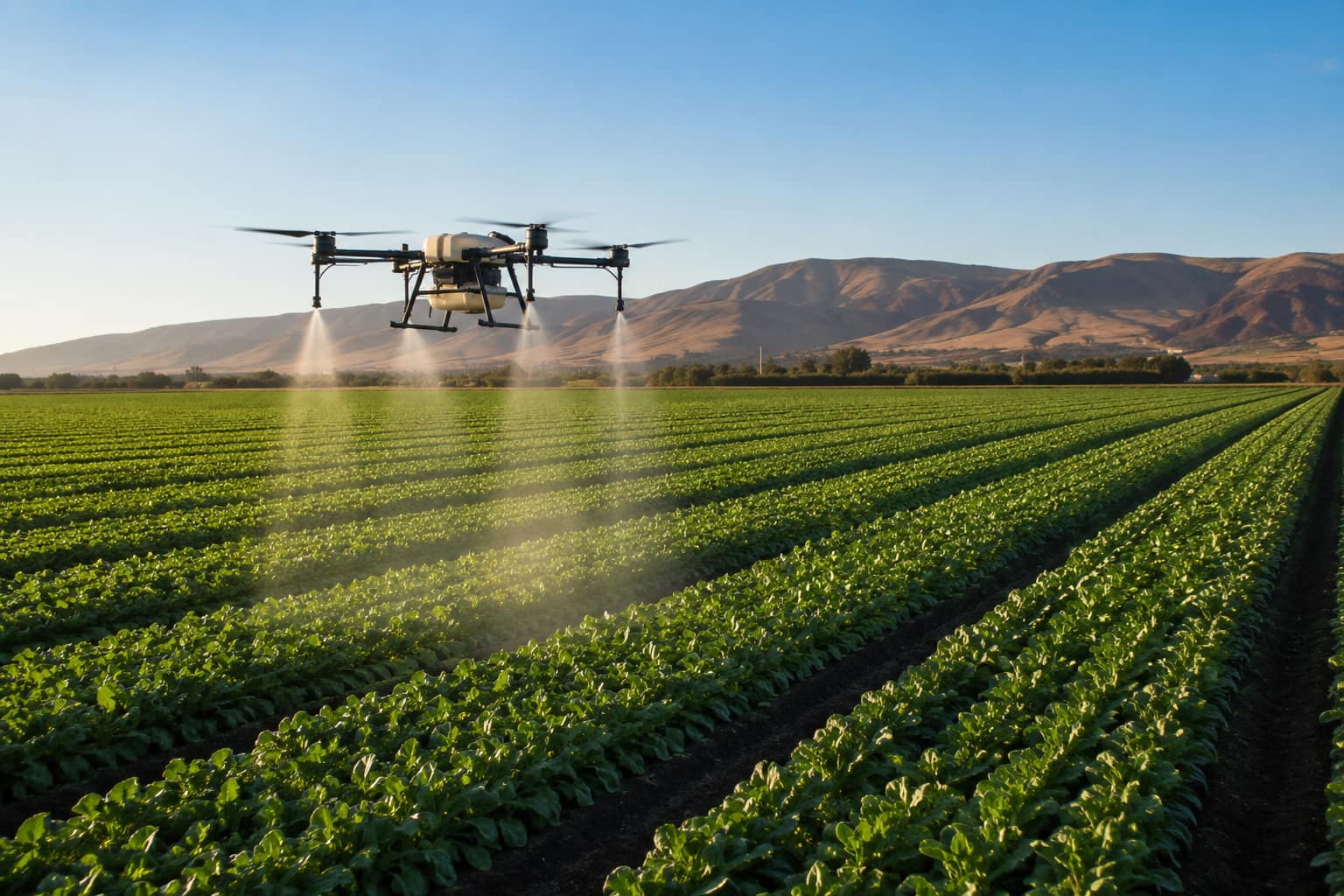
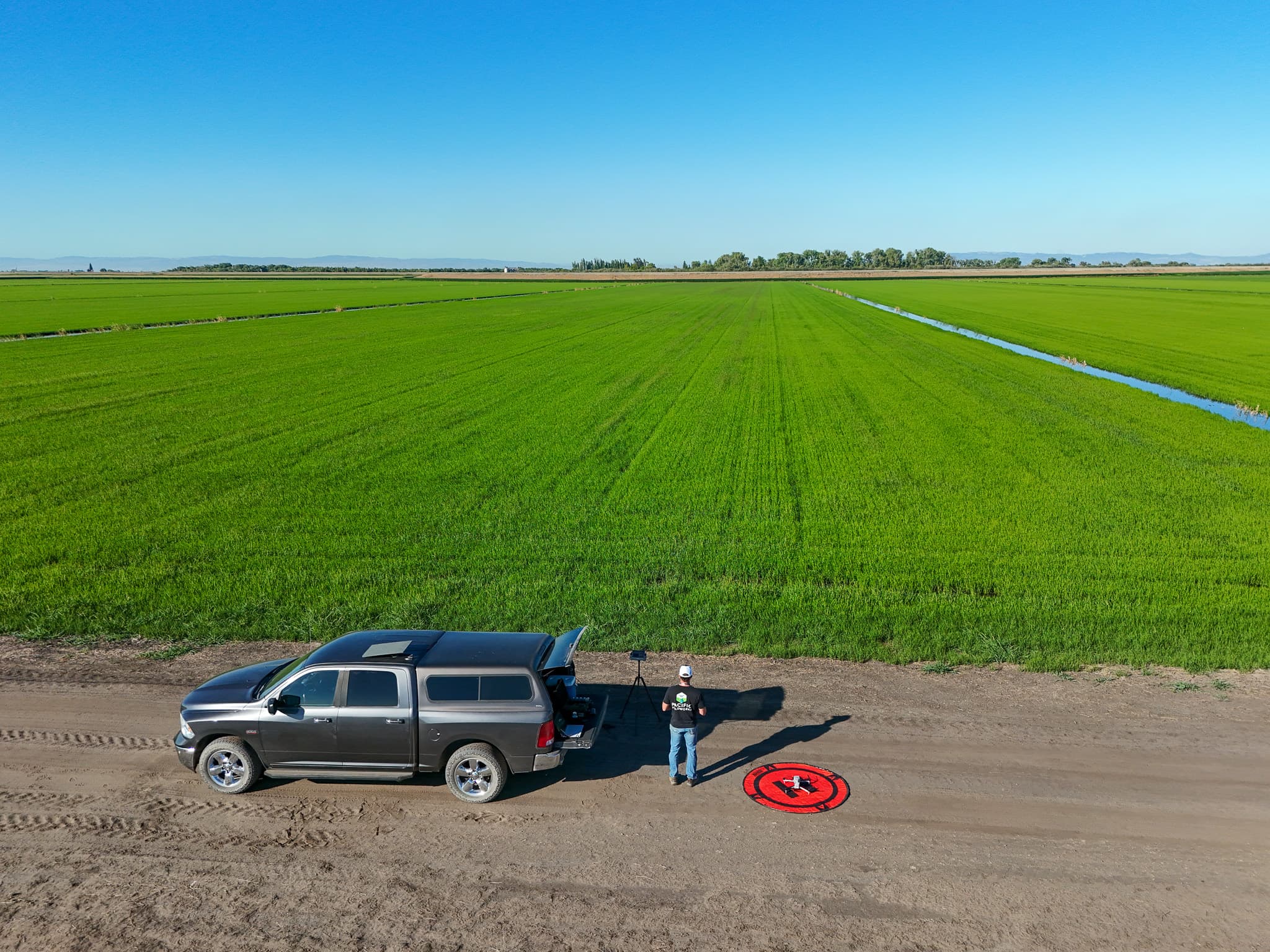
Ag drone services cover three distinct jobs, and the most common money mistake growers make is letting an operator blur them together. Spray application puts liquid on the crop (herbicide, fungicide, foliar feed). Imaging and mapping produces data (multispectral, NDVI, thermal) with no product applied. Inspection and counting is a fast set of eyes for stand counts, tree counts, and post-storm checks. Each is priced differently, licensed differently, and worth booking for a different reason.
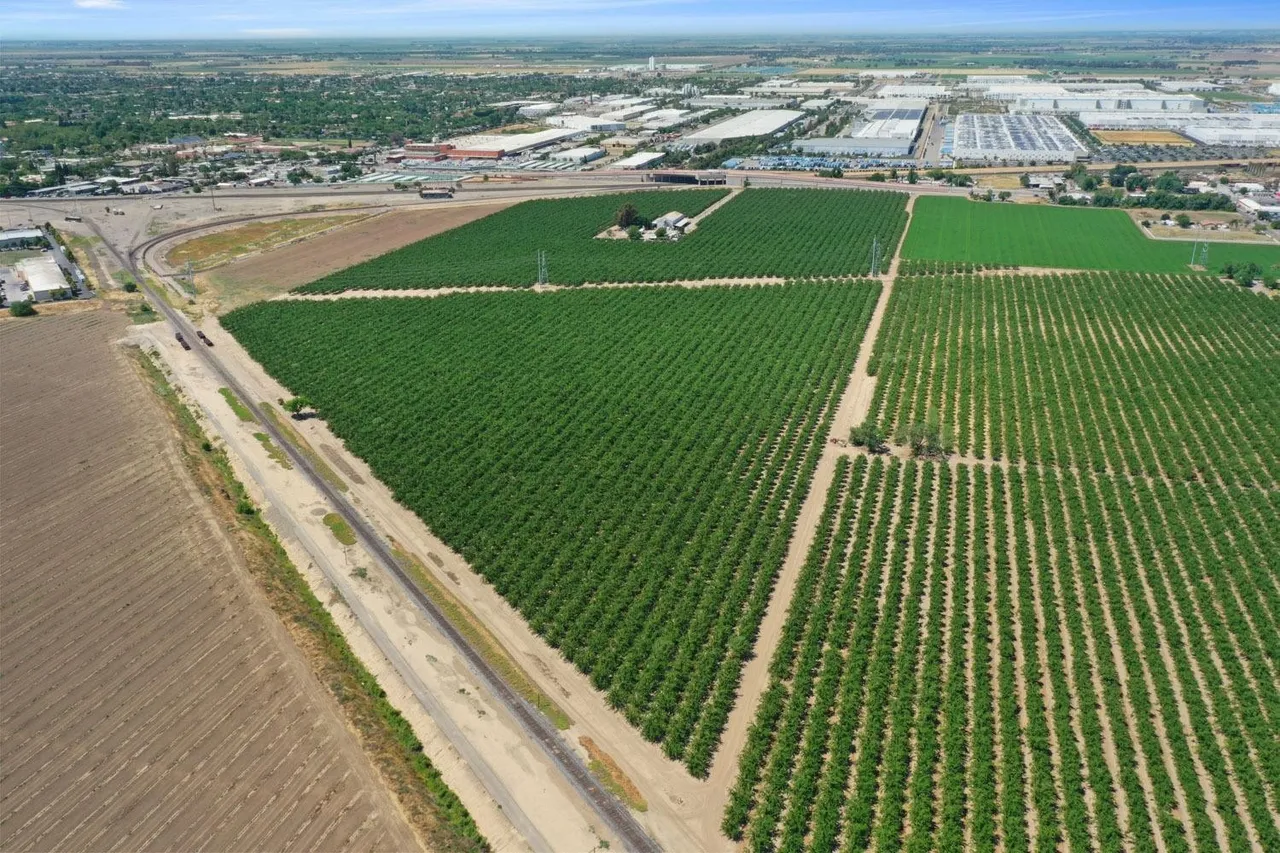
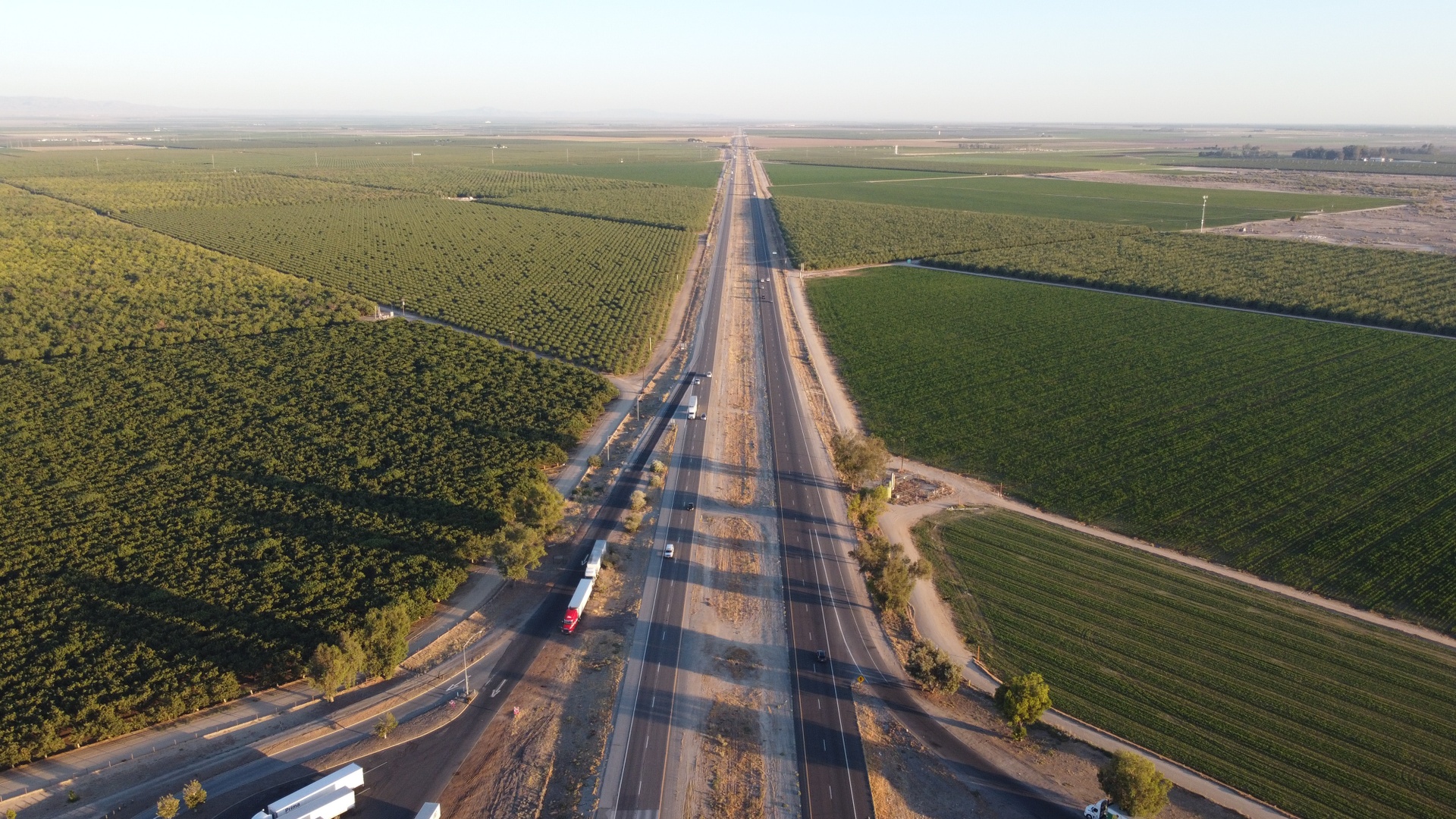
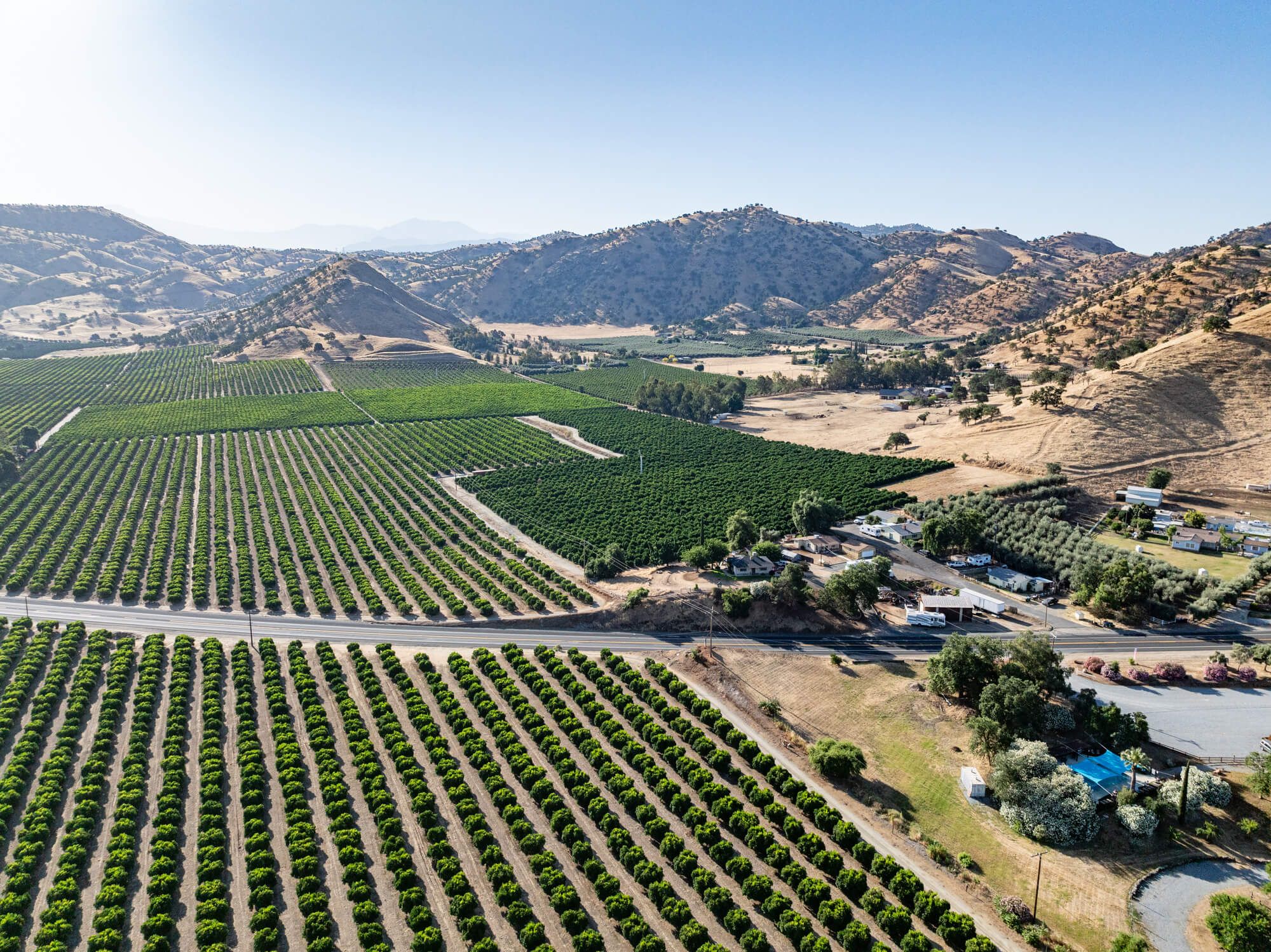
Drones earn their keep when timing and access beat brute force. A spray drone flies when the ground is too wet for a rig, when the canopy is too tall or dense to drive, and when a block has to be covered inside a tight weather window a ground crew would miss. It applies at low volume with tight droplet control, so drift and off-target loss drop against a broadcast pass. For steep, terraced, or oddly shaped ground a tractor cannot reach cleanly, a drone is often the only precise option.
What it costs. In specialty crops (orchards, vineyards, vegetables), contract drone spraying typically runs $18 to $40 per acre, with the chemical supplied by the grower. Commodity row crops run cheaper. Complex work (multispectral analysis, prescription spraying, small or awkward blocks) sits at the top of that range or above. Most operators set a minimum-acreage floor, so a small parcel pays a premium per acre. Imaging-only flights are usually billed per acre or per hour and land well below spray rates.
Licensing is not optional. Every legitimate commercial operator holds an FAA Part 107 remote pilot certificate. Anyone dispensing chemicals also needs an FAA Part 137 agricultural aircraft operator certificate, and most ag spray drones cross the 55-pound line, which pulls in a Section 44807 exemption. On top of the federal rules, most states require their own pesticide-applicator license to spray, so confirm the operator holds the right state credentials before any product goes on.
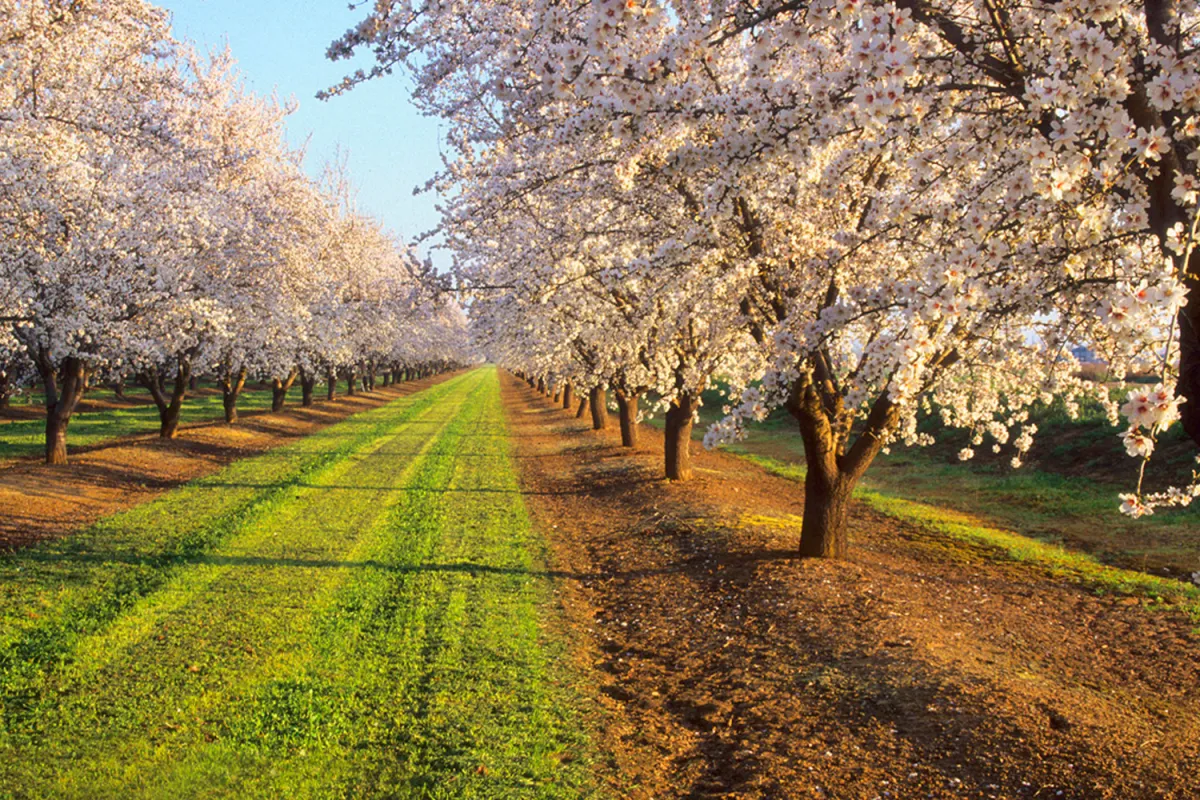
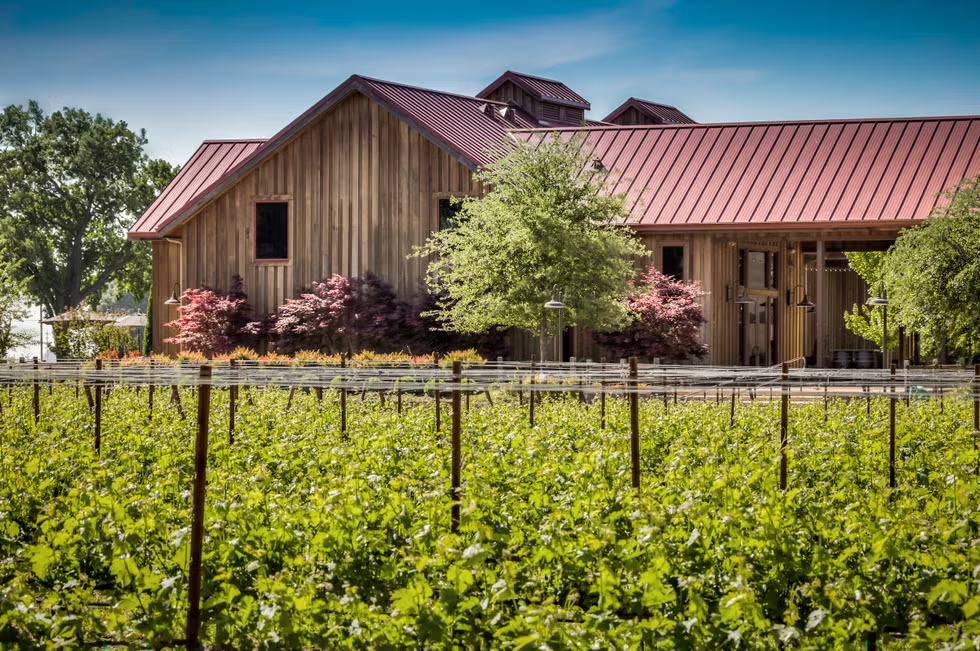
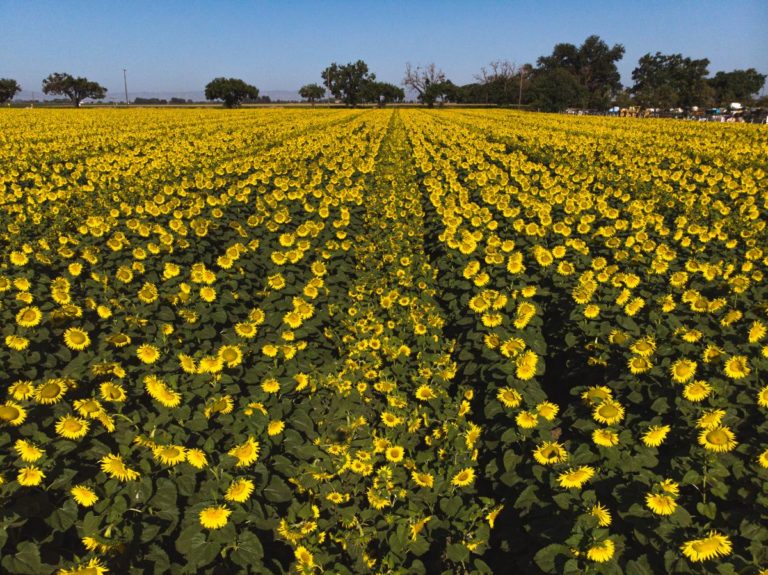
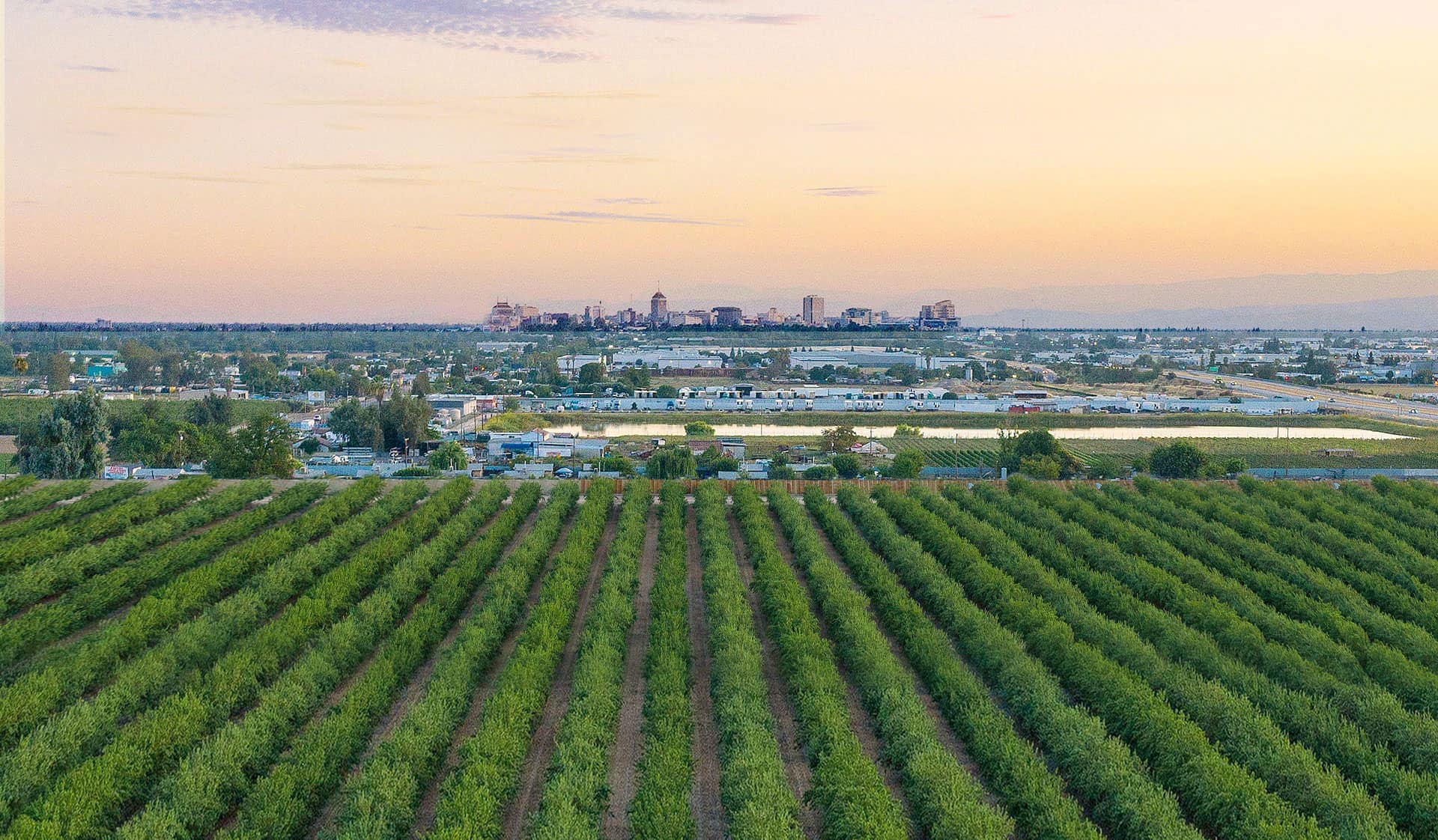
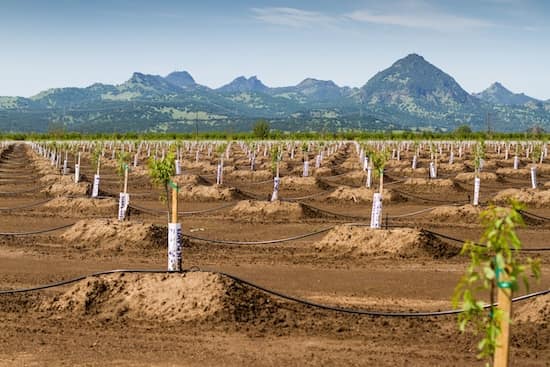
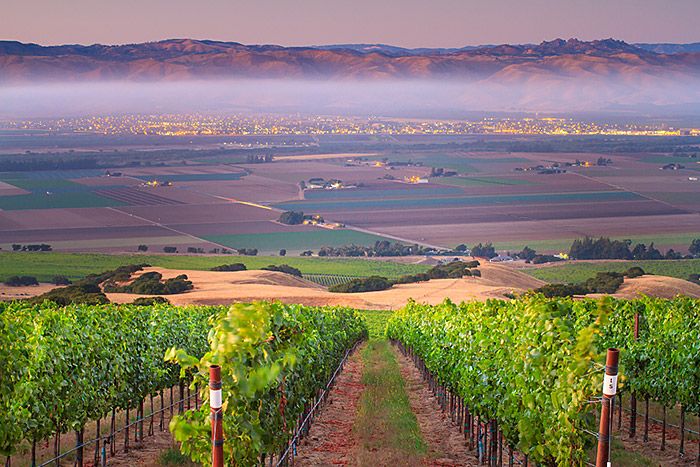
By crop. Almond and walnut growers use drones for dormant and hull-split sprays where ground access is limited, and for vigor maps across the block. Vineyards lean on them for targeted fungicide in tight rows and canopy imaging that guides thinning and irrigation. Tomatoes, rice, and leafy vegetables use fast foliar passes and NDVI scouting that flags problem zones before they spread. In every case the deliverable is the point: a treated block, a map you can act on, or a count you can trust.