










AgTech
Laboratory testing of soil, water, plant tissue, and pests that measures nutrients, pH, salinity, and contaminants, giving the data behind fertilizer, amendment, and irrigation decisions.
6
Services
2
Providers
0
Crops served
16
Cities
Refine your search
Scan our top picks, search the full catalog, or zero in by city. Every path lands on the same vetted providers.
Top services
A rotating selection of the most-booked services in this scope. See them all in the marketplace below.
Manure and compost analysis services provide essential insights into nutrient content, organic matter, pH balance, and potential contaminants, helping farmers optimize soil fertility and sustainable crop production.
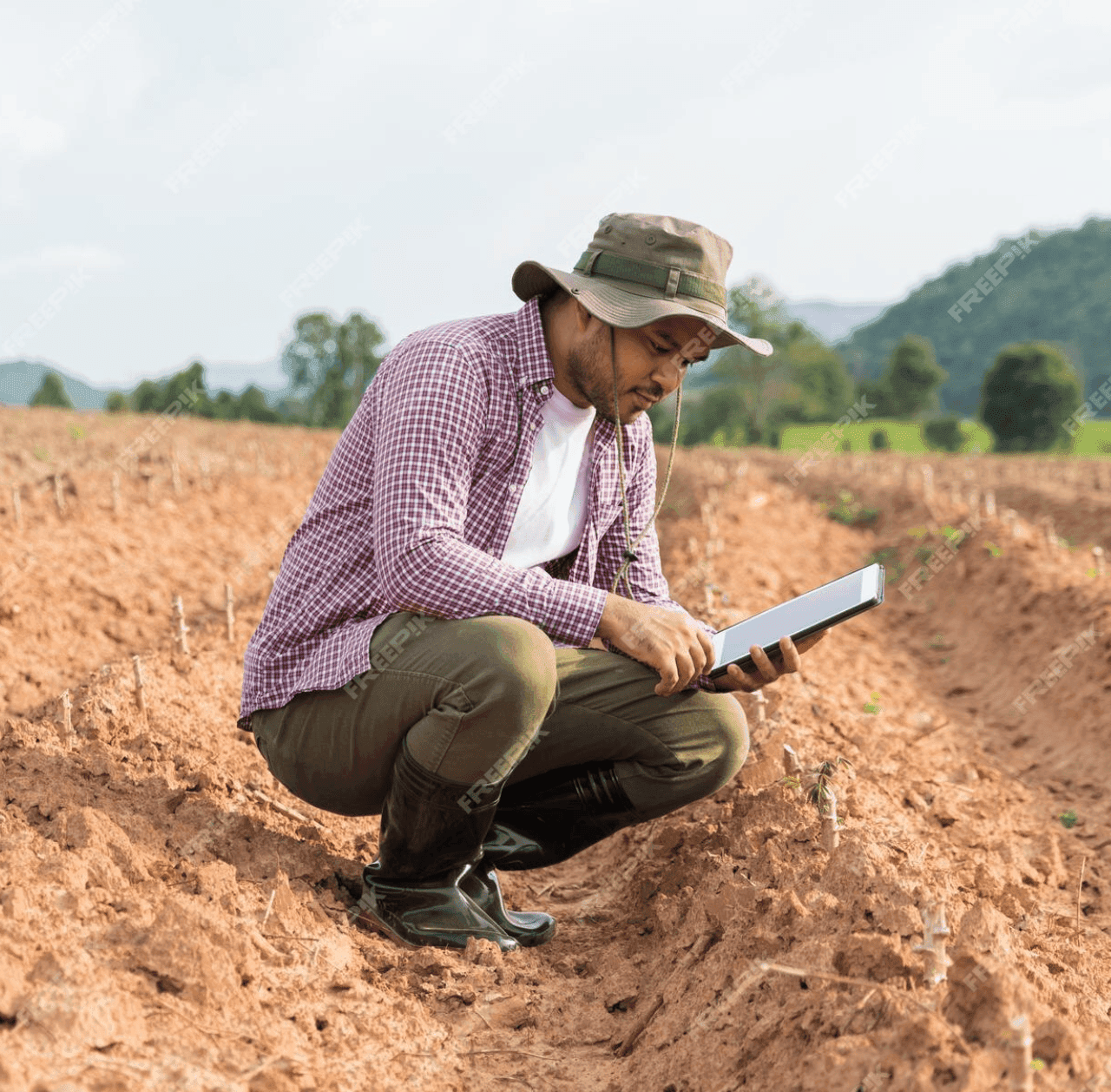
GPS soil sampling uses advanced technology to analyze soil conditions with precision, providing farmers with detailed data on nutrients, pH levels, and moisture to optimize crop management and sustainability.
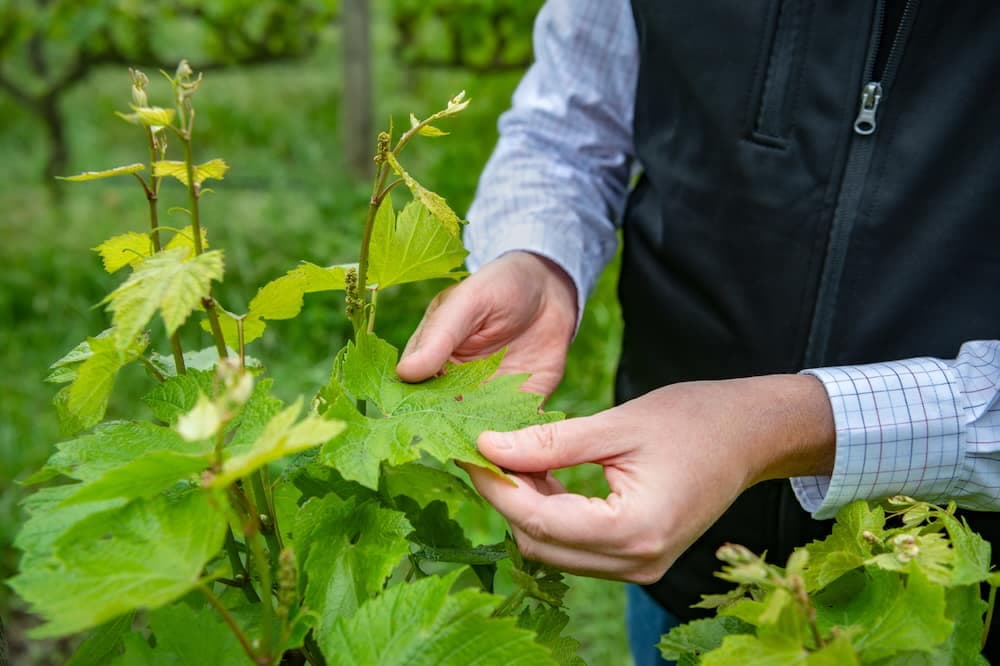
Tissue analysis helps farmers monitor plant health, detect nutrient deficiencies, and optimize fertilization strategies for improved crop performance and yield.
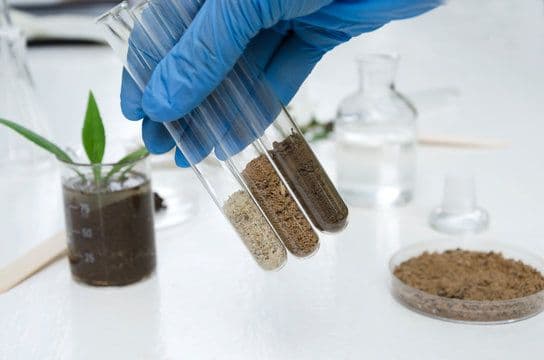
Comprehensive soil analysis services provide farmers with essential insights into soil health, including nutrient levels, pH balance, organic matter, moisture content, and contamination, enabling precise land management and improved crop productivity.

EC Mapping services use advanced technology to analyze soil variability, helping farmers optimize irrigation, fertilization, and crop management for improved yields and efficiency.
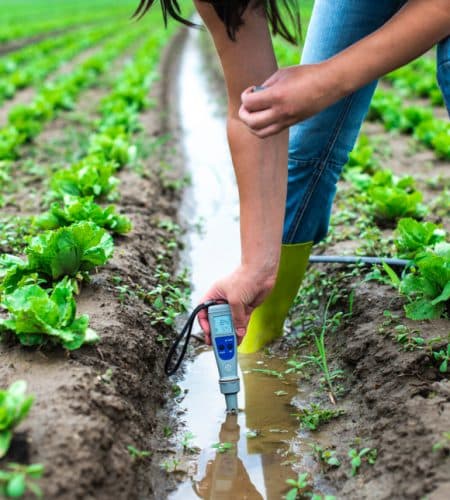
Comprehensive agricultural water analysis ensures optimal irrigation, livestock health, and regulatory compliance by testing for pH, salinity, nutrients, contaminants, and overall water quality.
The full catalog
Matches
6 results
Filter by location, distance, crop, and price. Tap a card to view the storefront and request a quote.
Service area
16 hubs with verified operators running jobs. Drop into one to compare providers, prices, and availability.
Explore the category
Browse related work under AgTech to find the providers, services, and crops that fit your operation.
More in AgTech
Frequently asked
What growers ask before they book on Agnomy.
Now make it local
This page is the network reference. To compare actual providers, prices and availability in your zip code, jump to a local hub.
Laboratory Analysis
From the blog
Field notes, seasonal guides, and grower interviews — straight from the team.
 Industry News
Agriculture has become more specialized, and many growers are discovering that hiring experienced agricultural service providers can be more efficient than owning every piece of equipment. Here's why the modern farm is evolving.
 Technology & Innovation
Agriculture today involves much more than growing crops. Learn how modern AgTech tools are helping farmers manage schedules, teams, employee hours, customer relationships, invoices, reporting, and day-to-day operations from one place.
 Technology & Innovation
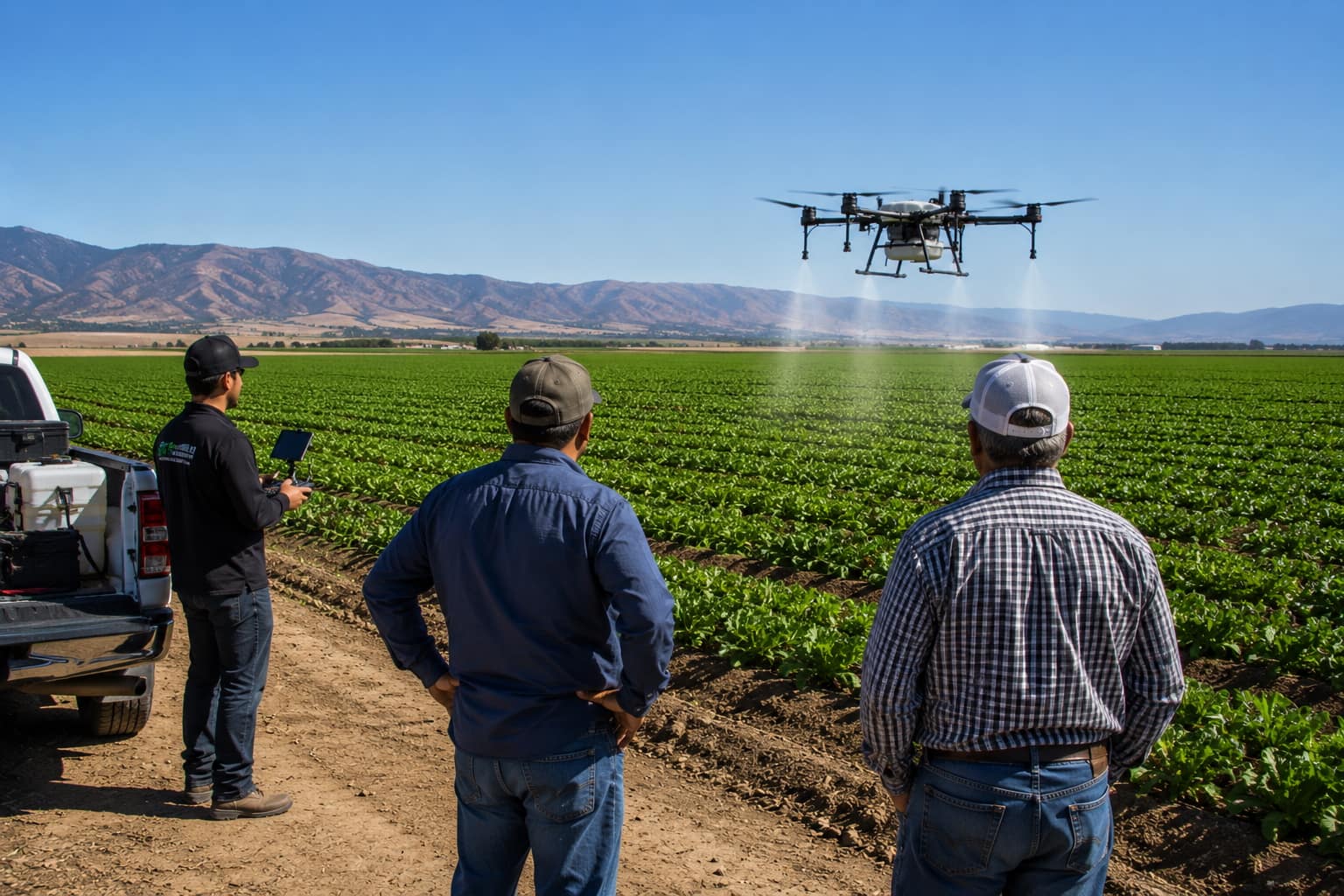
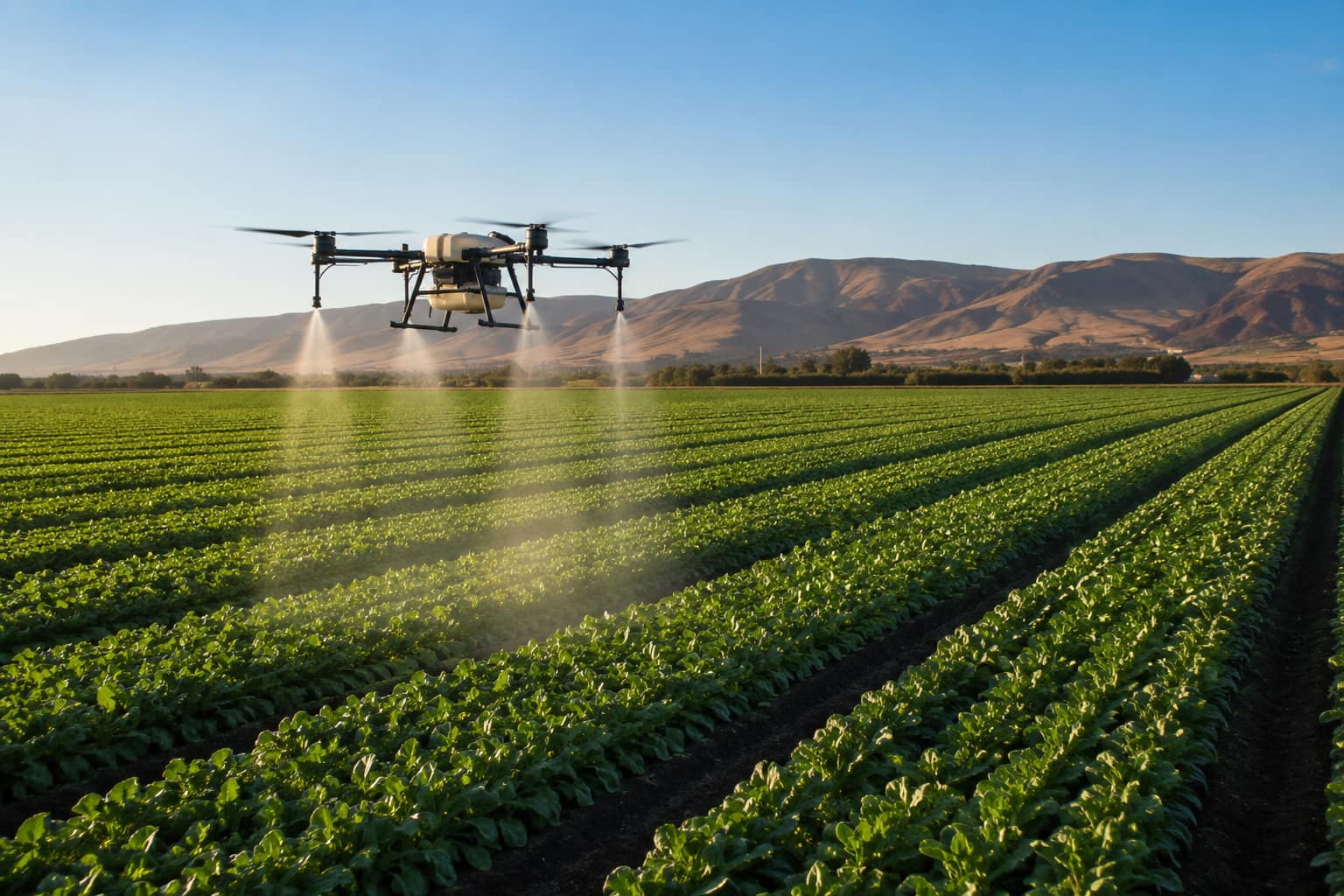
What agricultural drone services actually do, what they cost per acre in California, the FAA and DPR licenses a legitimate operator must hold, and how to hire one.