
Agriculture has never been easy. Every season brings a new set of challenges. Farm labor is harder to find. Equipment costs continue to rise. Margins remain tight. Weather can change plans overnight. At the same time, growers and ag businesses are being asked to manage more information than ever before.
Running a farm these days is about way more than just growing a crop. Most folks are juggling everything from team management, employee time tracking, equipment work, and customer requests to scheduling jobs, handling invoices, and keeping up with compliance records. For a lot of us, the business side of agriculture has gotten just as demanding as working the ground itself.
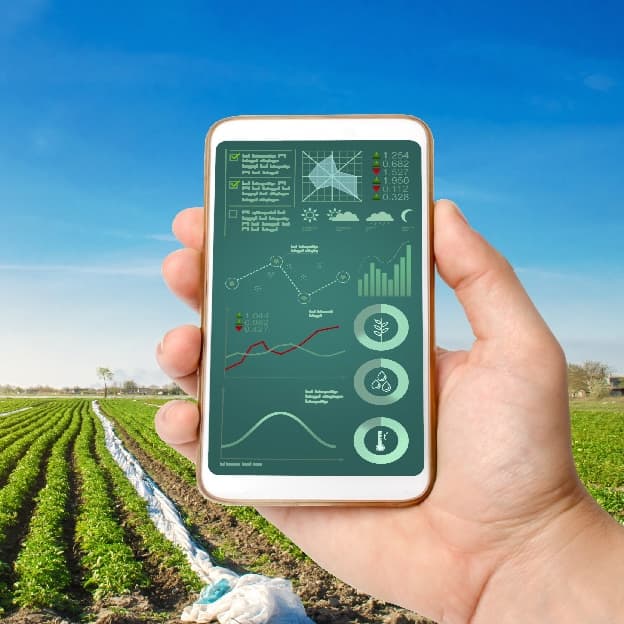
The good news is that farm management software technology is finally starting to focus on solving practical operational problems instead of simply generating more data. The most valuable tools today are often the ones that help simplify work, improve communication, and keep everyone organized.
The Biggest Challenge Isn't Always in the Field
Most growers know what work needs to be done. The challenge is keeping everything organized while it happens.
A typical week might include irrigation repairs, planting, spraying, keeping track of who’s working where, fixing equipment, managing deliveries, answering customer questions, and dealing with weather that changes everything on the fly. The work in the field is usually straightforward; it’s managing all the moving parts, from schedules to team assignments, that gets complicated.
For years, ag work has relied on phone calls, text messages, spreadsheets, whiteboards, notebooks, and memory to manage operations. Those systems can work surprisingly well for smaller operations, but as businesses grow, information starts getting scattered. One person has the schedule. Someone else has the customer details. Employee hours are tracked somewhere else. Before long, nobody is working from the same information.
The result is wasted time, missed communication, scheduling conflicts, and frustration that has nothing to do with farming itself.
One Calendar Can Save More Time Than Another Piece of Equipment
Every agricultural operation runs on timing.
Whether it's planting, irrigation, spraying, harvest, trucking, equipment maintenance, or labor scheduling, the calendar drives everything. Yet many operations still manage schedules across multiple systems that never fully stay synchronized.
One person may have a calendar on their phone. Another may be using a paper planner. A manager has a spreadsheet. Employees are relying on text messages. When weather changes, or priorities shift, it becomes difficult to make sure everyone is working from the same plan.
That is why one of the most powerful tools inside Agnomy is also one of the simplest.
Agnomy’s calendar pulls together everything you’d usually find scattered across notebooks, texts, and spreadsheets. You can manage farm jobs, team schedules, customer bookings, field work, and all the day-to-day tasks in one spot. When field conditions shift, or weather rolls in, it’s easy to reschedule, assign work, and make sure everyone’s working off the same plan. No more double-booking or missed messages.
The value is not in having another calendar. The value is in having everyone working from the same calendar.
Managing People Has Become Just as Important as Managing Crops
One of the biggest challenges in ag today is finding and retaining good people. Once you have a strong team in place, the next challenge becomes keeping everyone organized and accountable.
Many ag businesses still rely on handwritten timesheets, phone calls, or end-of-week conversations to track employee hours and completed work. While those systems may seem simple, they often create extra work for managers and increase the likelihood of mistakes.
As operations grow, visibility becomes increasingly important. Managers need to know who is working, where they are working, what jobs are being completed, and how labor is being allocated across the operation. Employees need clarity around schedules, assignments, and expectations.
Agnomy Teams was built for real farm crews. Managers can assign jobs, set schedules, control who can do what, and see how work’s getting done across the operation. Employees can check assignments, clock in and out, and track their hours straight from the app. No more chasing down timesheets or sorting through old texts.
The goal is not to create more oversight. The goal is to eliminate confusion and give everyone a clearer understanding of what needs to happen next.
The Most Expensive Time Is Often the Time You Never Account For
One thing I've noticed over the years is that most farm businesses don't lose money because they don't know how to do the work. They lose money because of everything surrounding the work.
A lot of time gets eaten up building quotes, answering questions, scheduling jobs, tracking down customer details, sending out invoices, collecting payments, and trying to remember who did what on a job months ago. None of it pays the bills directly, but every bit is needed to keep the wheels turning. That’s why more folks are searching for ag software that can handle quotes, invoicing, payments, and job records in one place.
The challenge is that many agricultural businesses are managing those tasks in separate places. Customer information might live in a spreadsheet. Scheduling happens through text messages. Invoices are handled in another system. Employee hours are tracked somewhere else entirely. By the time a job is complete, the same information has been entered multiple times by multiple people.
That is where a connected workflow starts to make a difference. When a service request becomes a quote, the quote becomes a scheduled job, and the completed job becomes an invoice, there is less administrative work required to keep everything organized. More importantly, there is less opportunity for information to get lost along the way.
Good Records Make Better Operations
Most growers and agricultural service providers have had the experience of trying to answer a simple question and realizing the answer is buried somewhere in old paperwork.
What did we charge this customer last year? Which crew worked that ranch? Did we already invoice that job? How many hours did we spend there? Was that the property with the irrigation issue or the one next door?
Those questions are easy to answer when records are organized and surprisingly difficult when information is spread across notebooks, text messages, invoices, and spreadsheets.
The value of keeping good records isn't just about compliance or bookkeeping. It allows you to make better decisions. When you can quickly look back at previous jobs, customer history, property information, completed work, invoices, and photos, it becomes much easier to estimate future projects, identify profitable work, and provide better service to customers.
For many operations, having accurate information available when it is needed can save as much time as any piece of equipment in the yard.
You Can't Improve What You Can't See
As farms and ag businesses grow, it becomes harder to understand where time and resources are actually being spent. Most operators have a general sense of what is working, but very few have the information readily available to verify it.
You might think one service is generating the majority of your revenue only to discover another service is producing better margins. You may assume labor is being used efficiently until you compare hours across different jobs and seasons. The larger the operation becomes, the more difficult it is to identify those patterns without good visibility into the business.
This is where reporting and analytics become valuable. Not because they create more numbers to look at, but because they help answer practical questions. Which services are in demand? Which customers generate repeat work? Where are labor hours going? What months are busiest? What areas of the business should receive more attention next season?
The best reporting systems don't overwhelm operators with data. They help them understand what's actually happening inside the operation so they can make better decisions moving forward.
Weather Still Has the Final Say
No matter how organized a farm becomes, weather will always be one of the biggest variables in agriculture.
Rain delays work. Wind changes spray schedules. Heat accelerates maturity. Frost creates emergencies. Conditions can change quickly, and successful operations need the flexibility to adapt.
That’s why your farm management app needs to keep an eye on the weather, too. Agnomy’s scheduling tools are weather-aware, flagging rain, heat, or frost windows, and using seasonal signals to help you plan jobs at the right time. Just like you would, only faster.
Technology doesn't replace experience. It simply gives growers and operators more information before they make a decision.
Finding the Work and Managing the Work Should Happen in the Same Place
Most software platforms focus on helping you manage work that already exists. Most directories help you find service providers but stop there.
Agriculture needs both.
Growers need a way to find trusted service providers, request quotes, compare options, schedule work, and manage the process from start to finish. Service providers need a way to find customers, quote jobs, schedule crews, invoice customers, and manage business operations.
Agnomy brings all those pieces together in one farm management platform, connecting service discovery, scheduling, team management, invoicing, and reporting, so everything runs smoother, from the first quote to the final payment.
Growers can discover agricultural services, request quotes, manage jobs, and keep work organized. Service providers can market their services, receive local opportunities, manage schedules, coordinate teams, invoice customers, track payments, and review business performance.
Instead of jumping between multiple tools, the entire process stays connected.
Built for Agriculture, Not Adapted to It
A lot of software was originally built for another industry and later modified for ag. You can usually tell. The workflows don't quite fit, the terminology feels unfamiliar, and the realities of farming are missing from the design.
Agriculture operates differently. Weather changes plans. Harvest starts early. Equipment breaks. Labor shifts. Priorities change daily.
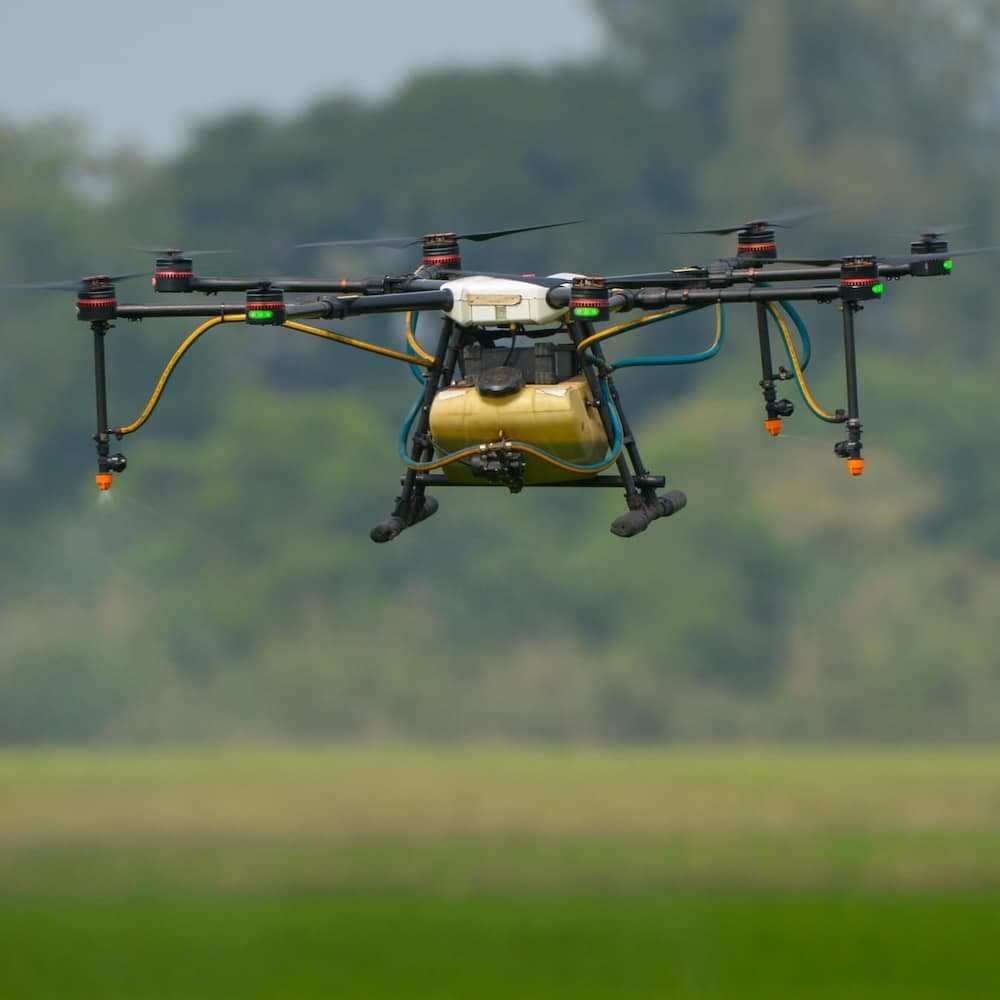
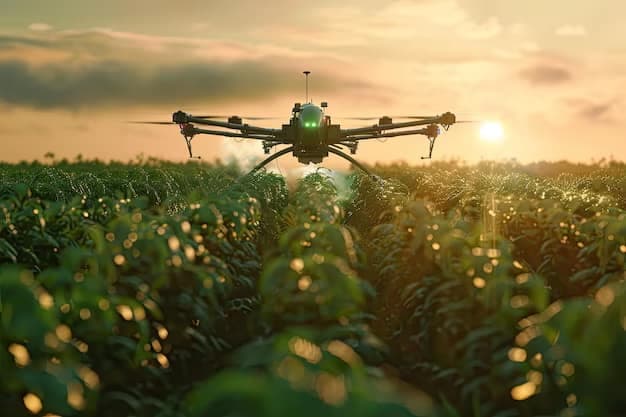
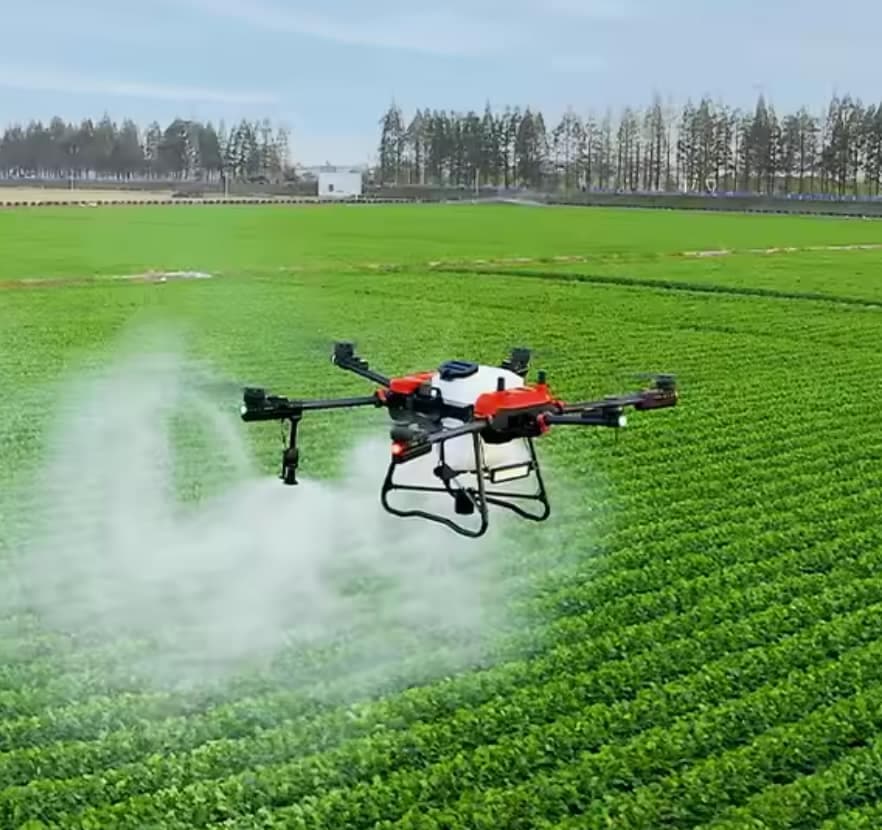
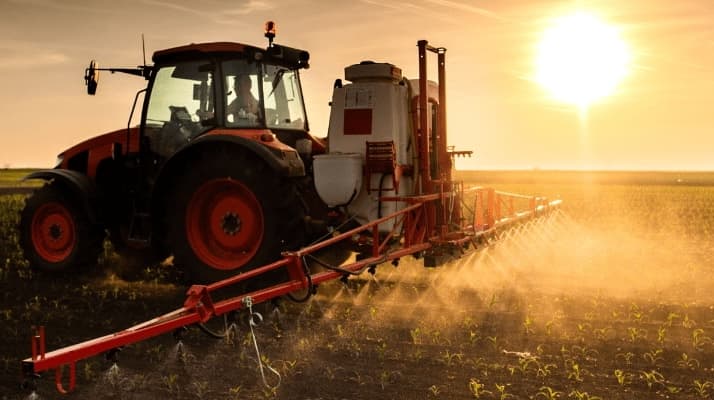
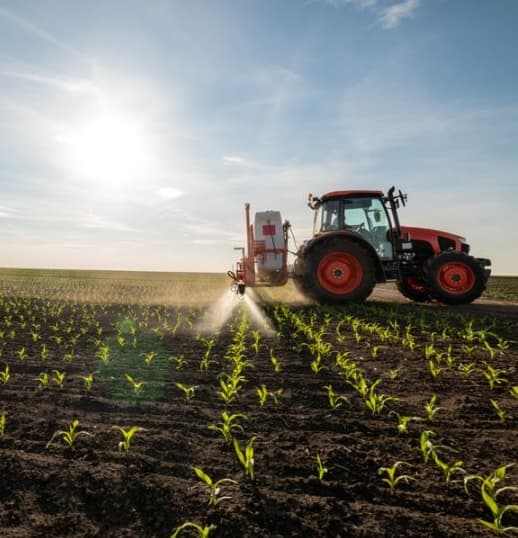
Agnomy was built by farmers and ag operators who understand those realities firsthand. The platform was designed around how ag work actually happens, whether you're managing a farm, running a harvest crew, looking for agtech solutions such as agricultural drone spraying, providing trucking services, operating equipment, managing labor, or coordinating work across multiple locations.
The goal isn't to add more technology to the operation.
The goal is to remove friction from it.
Farming Is Hard Enough
The best technology doesn't make an operation more complicated. It makes it easier to manage.
Agriculture already has enough moving parts. Keeping schedules organized, managing teams, tracking employee hours, sending invoices, monitoring business performance, coordinating customers, and finding reliable service providers should not require a dozen different systems.
Whether you're a grower looking to simplify operations or a service provider looking to grow your business, having everything connected in one place can save time, reduce mistakes, and help keep work moving.
That's exactly what Agnomy was built to do.
Ready to Simplify Your Ag Operation?
Manage schedules, crews, employee time tracking, customer records, quotes, jobs, invoices, payments, reports, and all your ag services from one farm management app built for the way real ag work happens, in the field, not just behind a desk.