Agricultural drone services have moved from novelty to standard practice on California farms, but the market is noisy, and the pricing, licensing, and capabilities vary widely. This guide covers what these services actually do, what they cost in California, the licenses a legitimate operator must hold, and how to hire one without overpaying or booking an unlicensed application.
The three jobs agricultural drones do
Almost every drone service a grower shops for falls into one of three buckets. Naming the job first is the single most useful thing you can do, because each is priced and licensed differently.
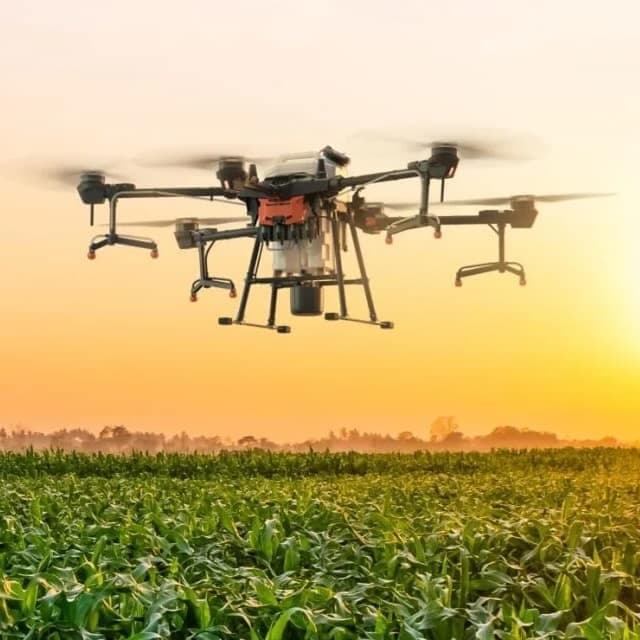
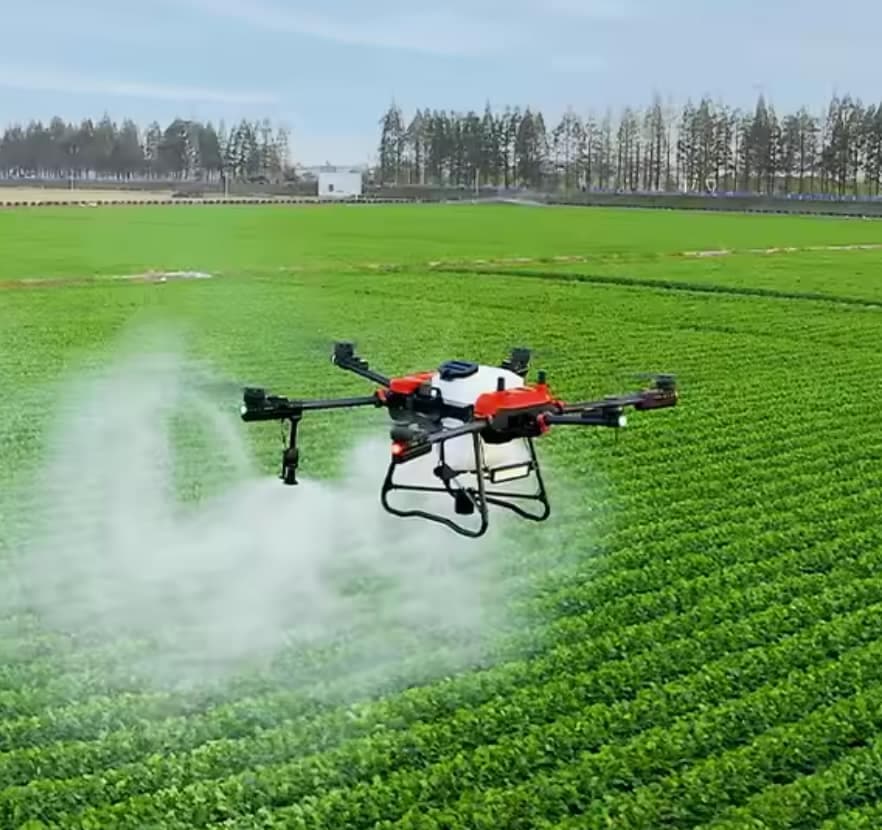
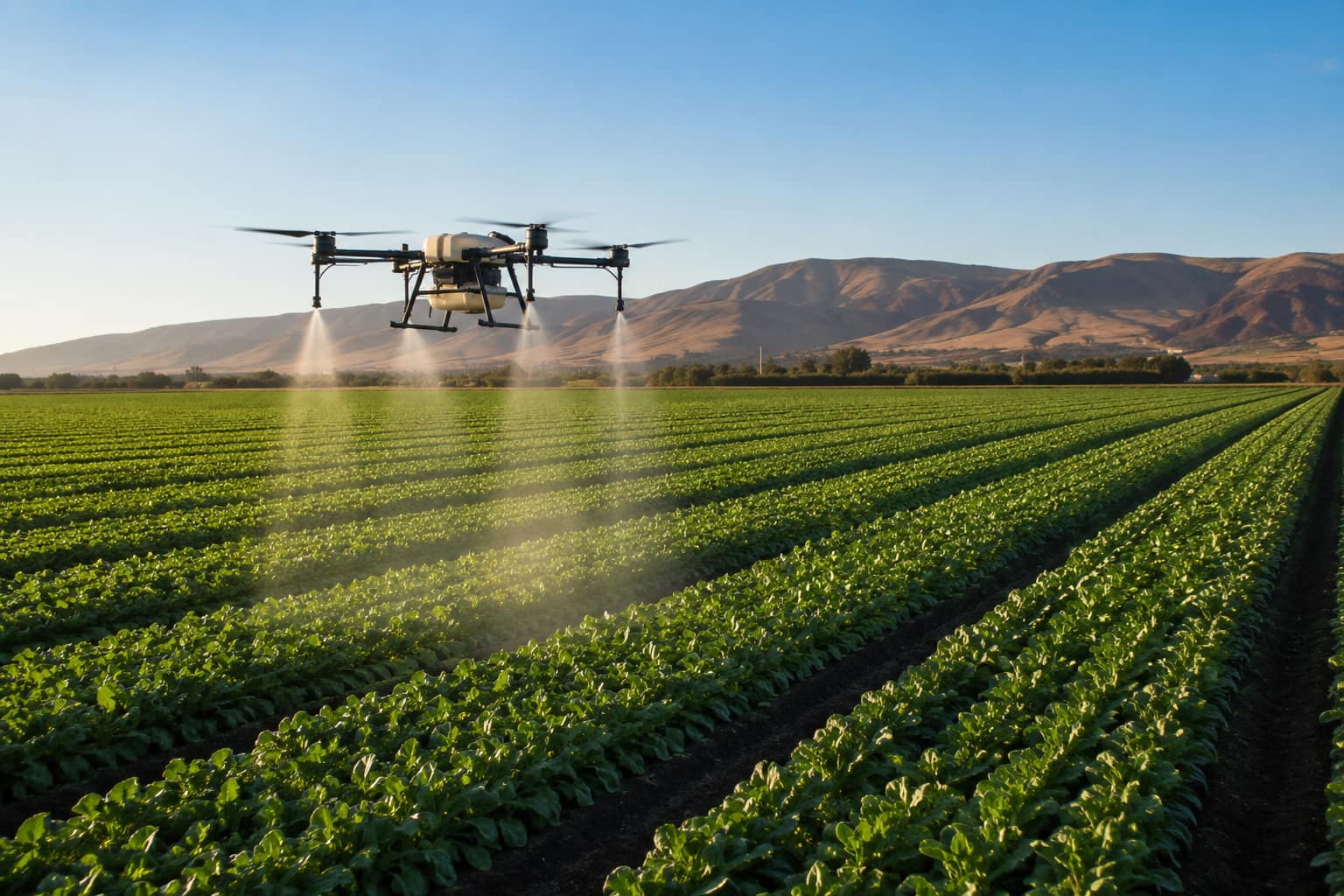
Spray application. Putting liquid on the crop: herbicide, fungicide, foliar feed. Priced per acre with a minimum-acreage floor. This is the most heavily regulated drone service.
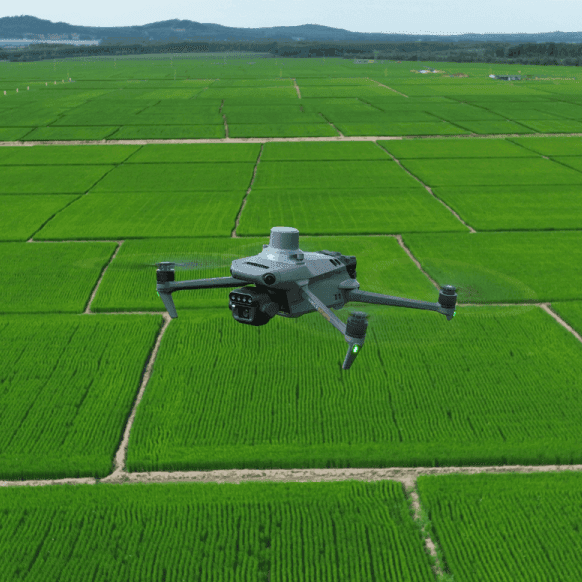
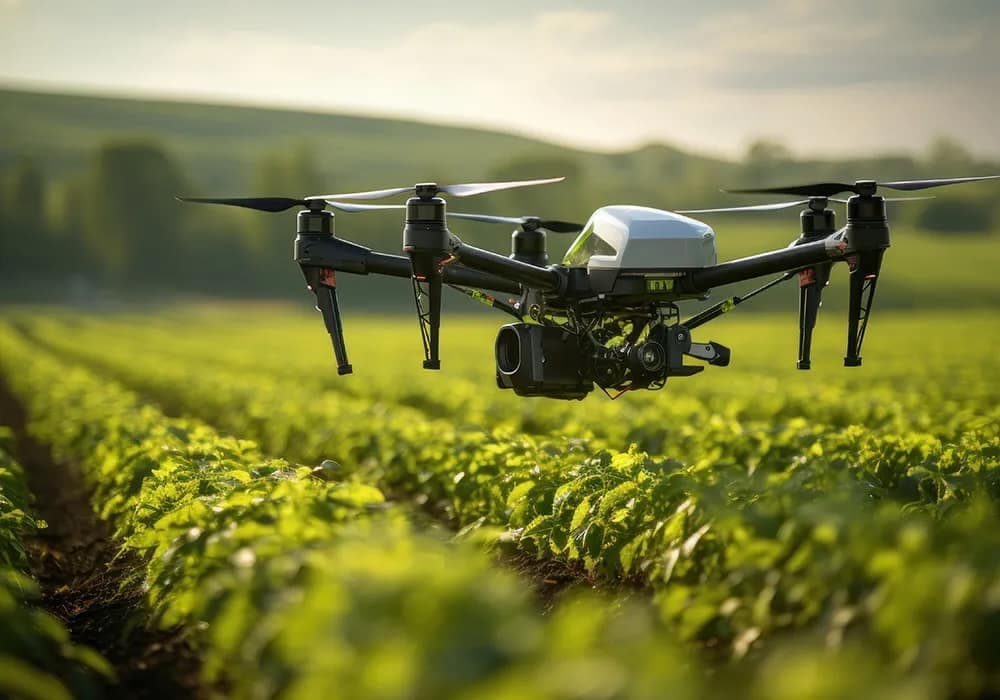
Imaging and mapping. Multispectral, NDVI, and thermal flights that produce data, not treatment: stand counts, vigor variability, irrigation and stress diagnosis, yield prediction. No product is applied.
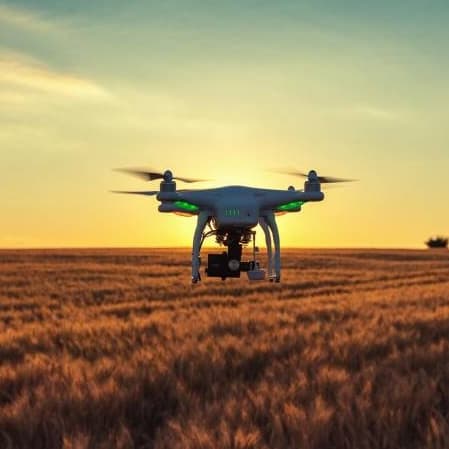
Inspection and counting. Fast eyes for orchard tree counts, vineyard row checks, and post-storm damage assessment. Often billed hourly for short jobs.
What agricultural drone services cost in California
Drone spraying in California specialty crops (orchards, vineyards, vegetables) typically runs $18 to $40 per acre, with the grower supplying the chemical. Commodity row crops run cheaper. Advanced work, prescription spraying, and small or oddly shaped blocks sit at the top of that range or above. Imaging-only flights are usually billed per acre or per hour and land well below spray rates.
Three things move the number: field size (a minimum-acreage floor means small parcels pay a premium per acre), complexity (steep, terraced, or tight-row ground costs more), and whether you want treatment, data, or both. Always confirm whether the quote includes the chemical. In almost every case, it does not.
The licensing a legitimate operator must hold
This is where most of the risk hides, and where California adds a layer of its own on top of the federal rules. A qualified agricultural drone operator in California should be able to name all of the following without hesitation:
FAA Part 107 remote pilot certificate, required for any commercial drone flight, including imaging and scouting.
FAA Part 137 agricultural aircraft operator certificate, required for dispensing chemicals. Most ag spray drones weigh more than 55 pounds, which also pulls in a Section 44807 exemption.
California DPR Unmanned Pest Control Aircraft Pilot Certificate. Under Assembly Bill 527, drone applicators earn this certificate (Apprentice, then Journeyman) through the Department of Pesticide Regulation before they can legally apply pesticides in the state.
Pest control business license and county agricultural commissioner registration, plus the appropriate permits for restricted materials.
Imaging, mapping, and scouting flights need Part 107 only, not Part 137 or the DPR certificate, because nothing is applied. If you are hiring for spraying and the operator cannot walk you through these credentials, keep looking.
When a drone beats a ground rig or a crop duster
Drones are not always the cheapest option, and for very large, flat, open acreage on a loose timeline, a ground rig or a manned aircraft can still win on cost per acre. Drones pull ahead when timing and access are the constraint:
The ground is too wet to drive without compacting soil or rutting the orchard floor.
The canopy is too tall or too dense for a rig to get coverage.
The block is steep, terraced, small, or oddly shaped.
The treatment window is tight, and a ground crew would miss it.
Because drones apply at low volume with controlled droplet size and follow the field boundary closely, they also tend to reduce drift and off-target loss compared with a broadcast pass.
Drone services by California crop
Almonds and walnuts: dormant and hull-split sprays where ground access is limited, plus vigor maps that flag weak blocks. Grapes: targeted fungicide in tight rows and canopy imaging that guides thinning and irrigation. Tomatoes, rice, and leafy vegetables: fast foliar passes and NDVI scouting that catch problem zones before they spread. Across orchards and vineyards broadly, the common thread is that access and timing, not raw acreage, are what make a drone the right tool.
How to hire a drone operator
Before you book, confirm the operator holds the licenses above for the specific job, carries at least $1 million in liability insurance, and has done work in your crop and canopy type. Ask for a sample deliverable from a past job (a treated-block report or an NDVI map you can actually read), confirm who supplies the chemical and who holds the DPR license under which it is applied, and get the per-acre rate and minimum-acreage floor in writing.
The fastest way to compare qualified operators near your fields is to browse a verified provider list rather than cold-calling. On Agnomy you can see agricultural drone services with licensed local providers, filter to your area, and request quotes in one place. Growers in the Central Valley can start with drone services in Fresno or browse the full California drone services directory.