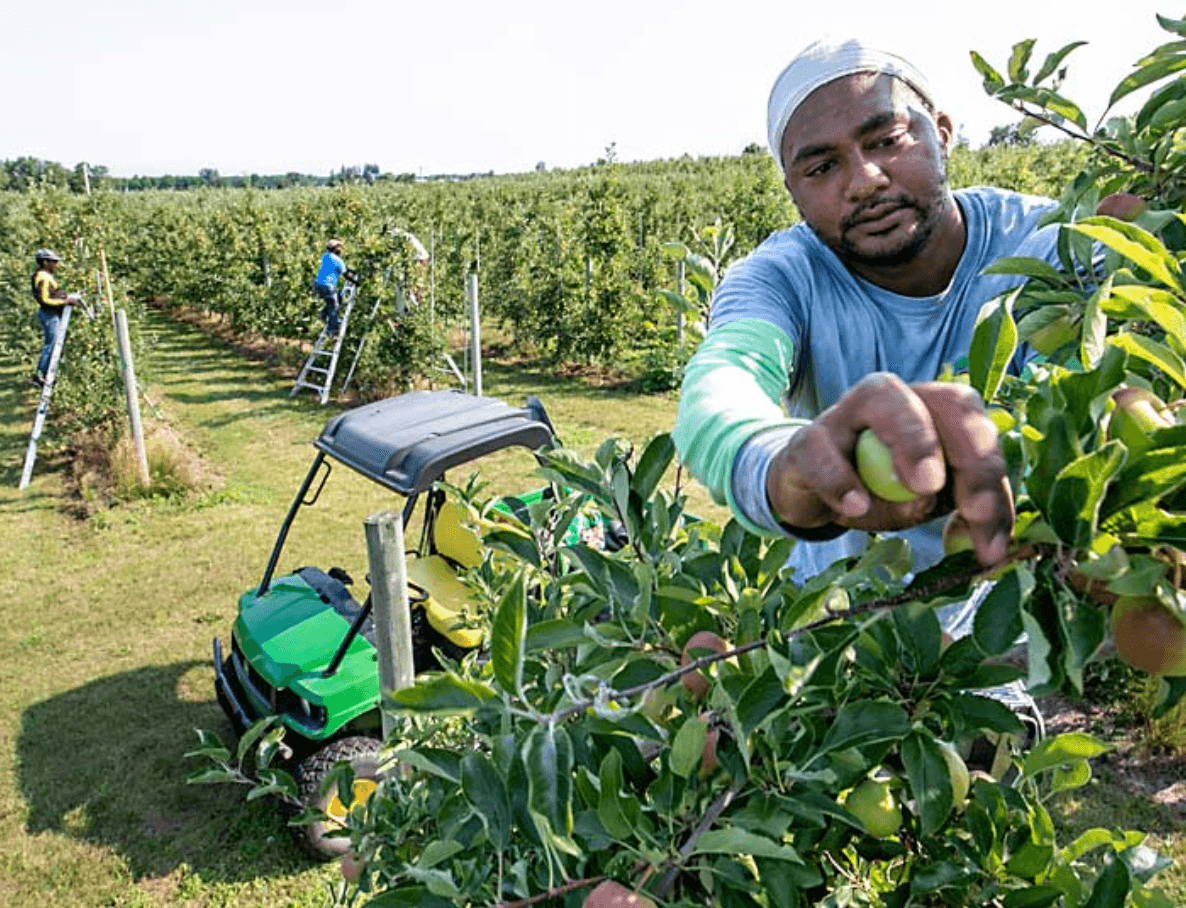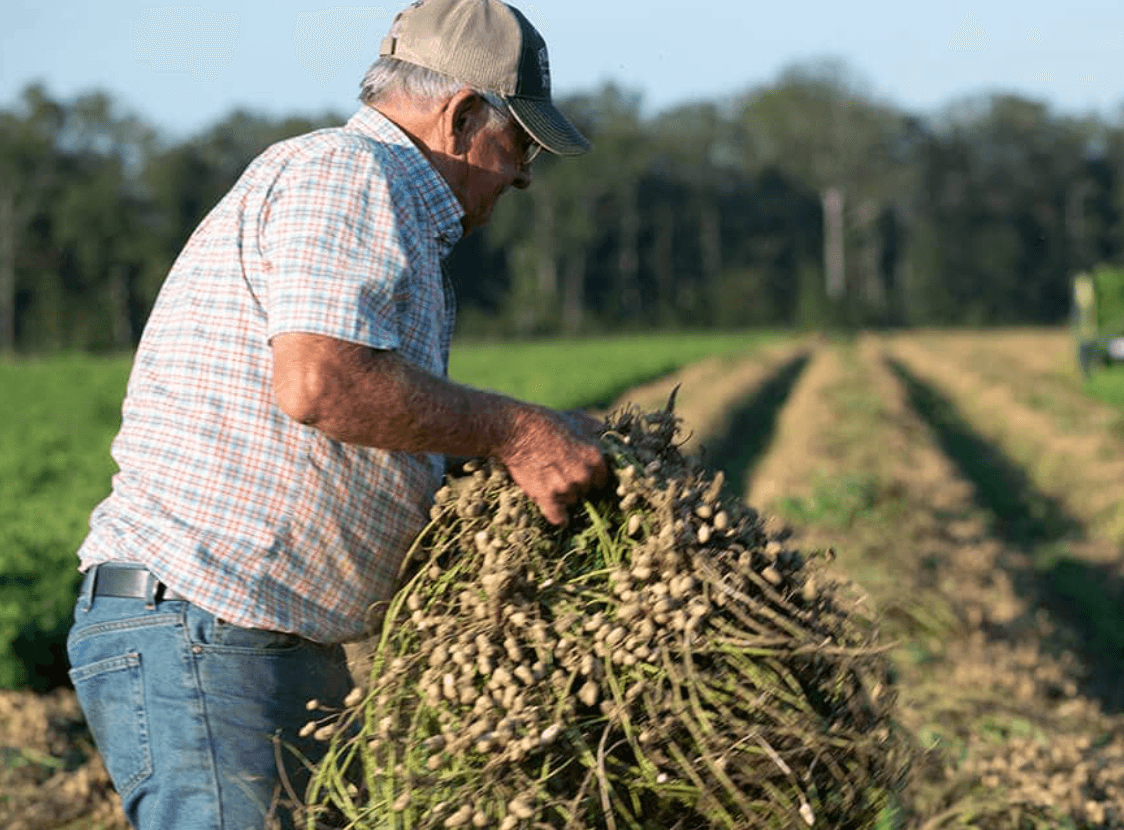
There was a time when many farms tried to handle nearly every job themselves. If a field needed ripping, you owned the equipment. If trees had to come out, you figured out how to remove them. Harvest meant your own crews, your own trucks, your own equipment, and long days making sure everything kept moving.
For many operations, that approach worked because farms were structured differently. Equipment was less specialized, regulations were simpler, and many growers could justify owning machinery used only a few weeks each year. Today, agriculture looks very different. Equipment is more expensive, technology changes faster, labor is harder to find, and every season seems to demand more specialized knowledge than the last.
I've watched more and more successful growers shift their thinking over the last decade. Instead of trying to own every machine and perform every task themselves, they're focusing on what they do best and partnering with trusted agricultural service providers for the rest. That isn't a sign that farming is changing for the worse. It's simply agriculture evolving as every other industry has.
Farming Has Become More Specialized
If you've been farming long enough, you've probably noticed that almost every part of agriculture has become more specialized. Sprayers are more advanced than they used to be. Harvest equipment is more sophisticated. Irrigation systems require more technical knowledge. Even something as straightforward as applying crop protection products now involves changing regulations, certifications, and application technology.
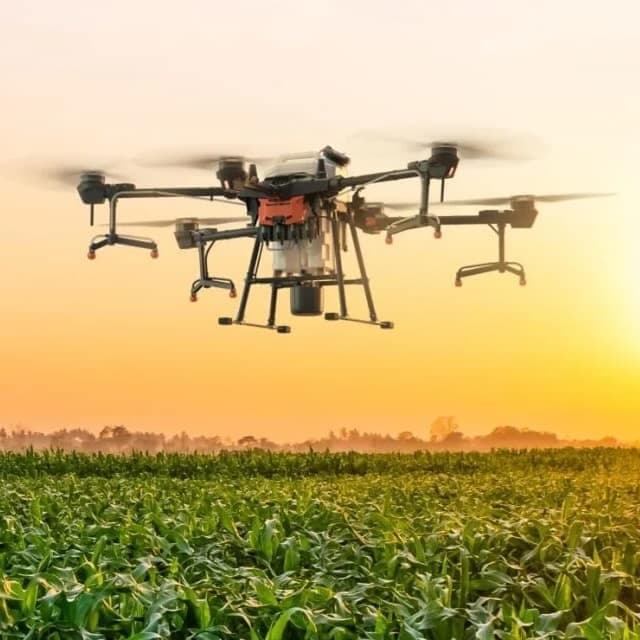
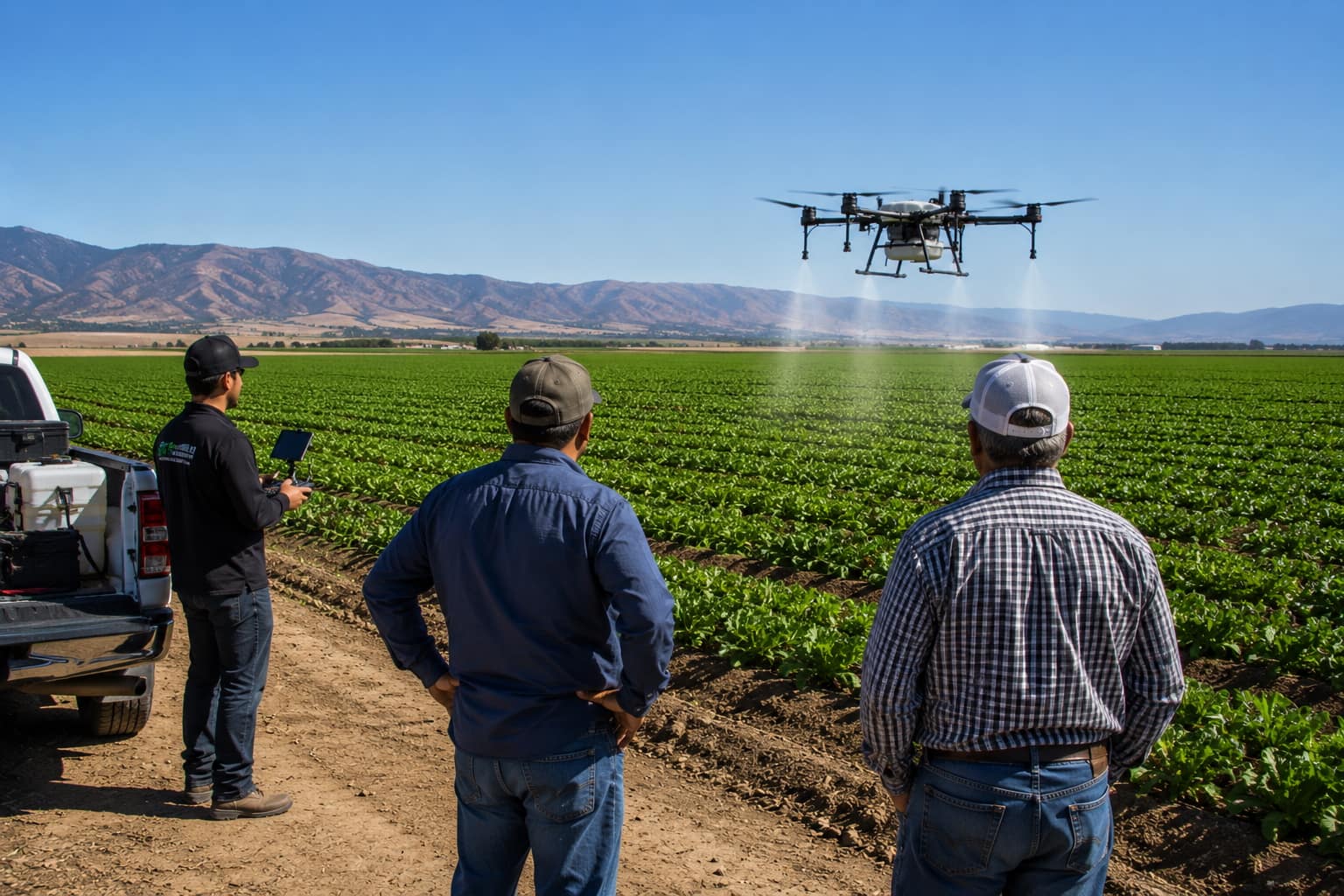
At the same time, entire businesses have been built around doing one thing exceptionally well. There are companies that spend every day removing orchards, installing irrigation systems, laser leveling fields, harvesting tomatoes, flying drones, hauling commodities, or repairing pumps. They've invested in the equipment, training, and experience because that's their business, every day of the year.
For growers, this creates opportunities that didn't exist twenty years ago. Instead of becoming an expert at every aspect of farming, it's often more efficient to bring in someone whose entire business is built around that specific service.
Some of the most common services growers now outsource include:
Orchard removal and redevelopment
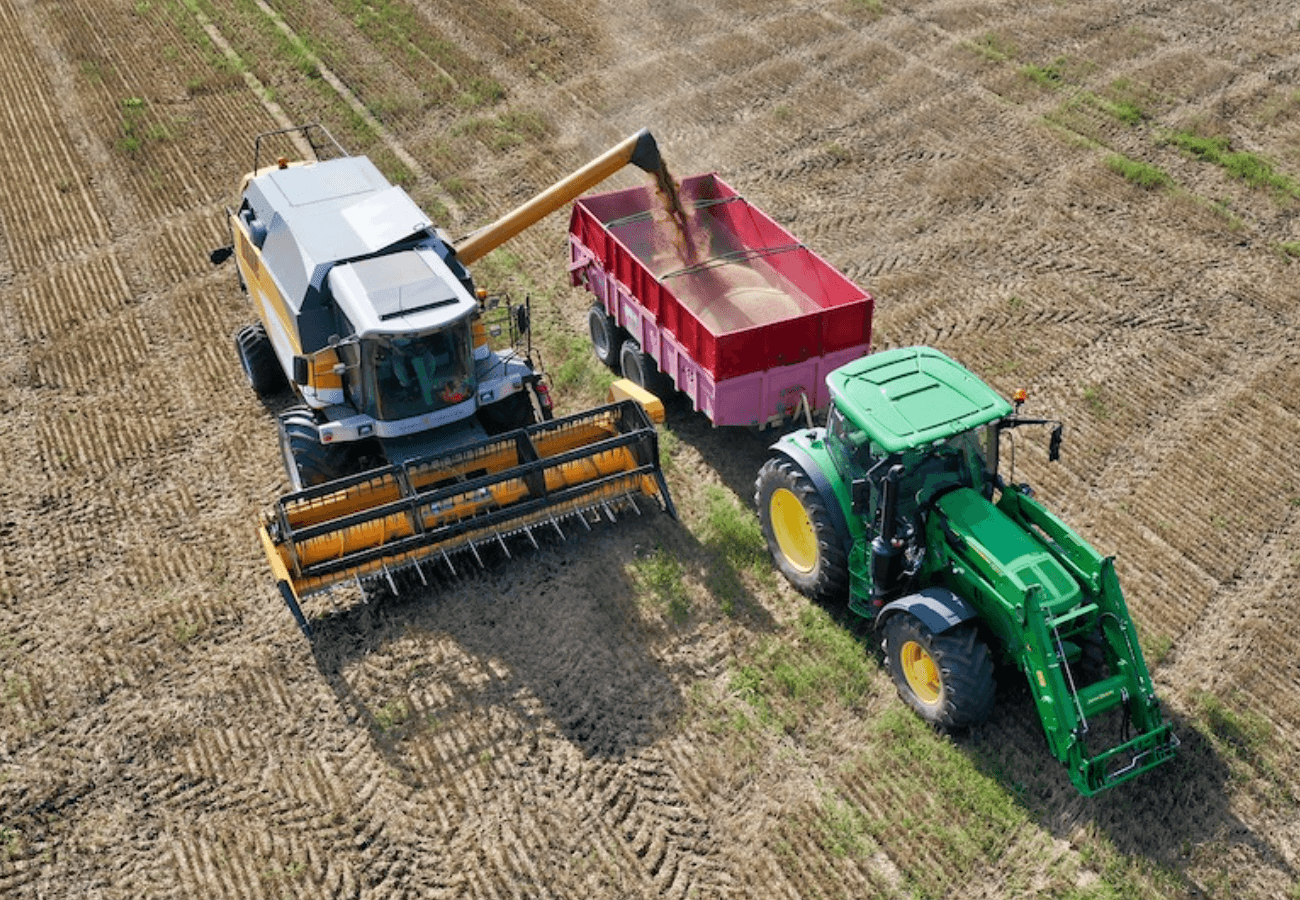
Custom harvesting
Agricultural trucking and hauling
Irrigation installation and repair
Laser leveling and land preparation
Equipment repair and welding
Farm labor and harvest crews
Owning Equipment Isn't Always the Best Investment
Every farmer understands that buying equipment is only part of the cost of ownership. After the purchase comes financing, insurance, maintenance, fuel, repairs, storage, licensing, depreciation, and eventually replacement. Those costs continue whether the machine is working or sitting in the yard.
For equipment that runs every day, ownership often makes sense. A primary tractor or loader is difficult to replace because it's constantly being used. The calculation changes significantly when you're talking about specialized equipment that may operate for only a few weeks each year. In those situations, the true cost isn't just the payment. It's tying up capital in equipment that spends most of its life parked.
That is one reason custom agricultural services continue to grow. Many providers have already invested in specialized equipment and experienced operators, allowing growers to access those resources when needed without bearing the full cost year-round.
Growers often evaluate ownership based on:
Annual hours of equipment use
Maintenance and repair costs
Financing and insurance expenses
Operator availability
Storage requirements
Return on investment over time
Time Has Become Just as Valuable as Equipment
If there's one thing farming teaches you, it's that timing can be just as important as the work itself. An irrigation repair delayed by a few days during the middle of summer can have lasting effects. Missing the ideal harvest window can reduce quality. Waiting for equipment to become available during a busy season can create problems that cost far more than the original job itself.
The question today isn't always whether you can do the work yourself. The better question is whether you can do it at the right time.
Bringing in experienced service providers gives growers flexibility. Instead of waiting for equipment, labor, or operators to become available, farms can often keep work moving during the narrow windows that agriculture depends on. As weather becomes more unpredictable and labor remains one of agriculture's biggest challenges, that flexibility has become increasingly valuable.
The services most commonly scheduled ahead of time include:
Harvest crews
Custom harvesting
Agricultural hauling
Irrigation repairs
Spraying services
Orchard removal
Land preparation
Equipment repair
Technology Is Making It Easier to Work Together
One challenge that hasn't changed over the years is simply finding the right people. Most of us have relied on word of mouth for as long as we can remember. We ask another grower who they use, make a few phone calls, and hope someone is available when we need them.
That approach still works, but agriculture has become too specialized for it to be the only option. Today, growers want to compare providers, request quotes, schedule work, communicate with contractors, and keep everything organized without spending half the day making phone calls. Service providers want many of those same things. They need an easier way to manage customers, employees, schedules, invoices, and day-to-day operations as they continue to grow their businesses.
That is exactly where practical technology fits into agriculture. Not by replacing relationships, but by making those relationships easier to build and manage. The best technology doesn't change how farmers work. It simply removes some of the friction that has always existed around getting work done.
The Future of Agriculture Is More Connected
I don't believe farms will ever stop owning equipment, nor should they. Every operation has equipment that makes sense to own because it's used every day. There will always be work that's best handled in-house, just as there will always be situations where bringing in a specialist is the better business decision.
What I do believe is that agriculture will continue becoming more connected. Growers will rely more on specialized service providers. Service businesses will continue investing in advanced equipment and expertise. Technology will make it easier for everyone to find each other, communicate, schedule work, and keep operations moving.
At its core, agriculture has always been about relationships. Neighbors helping neighbors. Local businesses supporting farms. People working together to get the crop in, solve problems, and keep moving forward. That hasn't changed. The tools we use to make those connections simply have.
Final Thoughts
After spending a lifetime around agriculture, one thing has become clear to me. The farms that continue to succeed are rarely the ones trying to do everything themselves. They're the ones that understand where their time is best spent and aren't afraid to lean on trusted partners when it makes sense.
That's the direction agriculture is heading, and I believe it's a positive one for growers, agricultural service providers, and the industry as a whole.