Verified Providers
Review provider profiles, ratings, and credentials before you book.

browse laboratory analysis on agnomy
Region
Sacramento Valley
USDA zone
9a
Services
3
Providers
1
Find verified laboratory analysis providers, compare options, and book the right team for your operation, all in one place.
Refine your search
Search the full catalog. Every path lands on the same vetted providers.
The full catalog
Matches
3 results
Filter by location, distance, crop, and price. Tap a card to view the storefront and request a quote.
Why Agnomy
Review provider profiles, ratings, and credentials before you book.
Providers know laboratory analysis timing, regional conditions, and best practices in your area.
Compare quotes from multiple providers in one place. No chasing phone calls.
Book fast with real-time availability, automated reminders, and clear status updates.
Explore the category
Browse related work under AgTech to find the providers, services, and crops that fit your operation.
More in AgTech
Frequently asked
What growers ask before they book laboratory analysis on Agnomy.
A standard agricultural soil test measures pH, salinity, and plant-available nutrients such as nitrogen, phosphorus, potassium, calcium, and magnesium, often with micronutrients and cation exchange capacity. Some panels add organic matter and trace or toxic elements. The results guide fertilizer and amendment rates for the crop.
Plant tissue testing shows the nutrients actually inside the plant, which reveals deficiencies a soil test alone can miss. Labs report nitrogen, phosphorus, potassium, calcium, magnesium, sulfur, and micronutrients like zinc, boron, and manganese. Sampling at key growth stages lets growers correct problems in season.
Irrigation water testing checks pH, electrical conductivity or salinity, and dissolved ions such as sodium, chloride, nitrate, calcium, magnesium, and bicarbonate. These affect emitter clogging, soil salinity, and crop health. Results guide filtration, acid injection, and amendment choices to protect both the system and the soil.
Most growers test soil at least once a year or every one to two years, with high-value or intensively managed crops tested more often. Sampling at the same time each year makes results easier to compare. Regular testing tracks fertility trends and prevents both deficiency and costly over-application.
Ready when you are
Connect with verified providers and request quotes in minutes.
Laboratory Analysis in Chico
From the blog
Field notes, seasonal guides, and grower interviews — straight from the team.
 Industry News
Agriculture has become more specialized, and many growers are discovering that hiring experienced agricultural service providers can be more efficient than owning every piece of equipment. Here's why the modern farm is evolving.
 Technology & Innovation
Agriculture today involves much more than growing crops. Learn how modern AgTech tools are helping farmers manage schedules, teams, employee hours, customer relationships, invoices, reporting, and day-to-day operations from one place.
 Technology & Innovation
What agricultural drone services actually do, what they cost per acre in California, the FAA and DPR licenses a legitimate operator must hold, and how to hire one.
Showing 3 of 14 services with a provider within 50 mi of Chico.
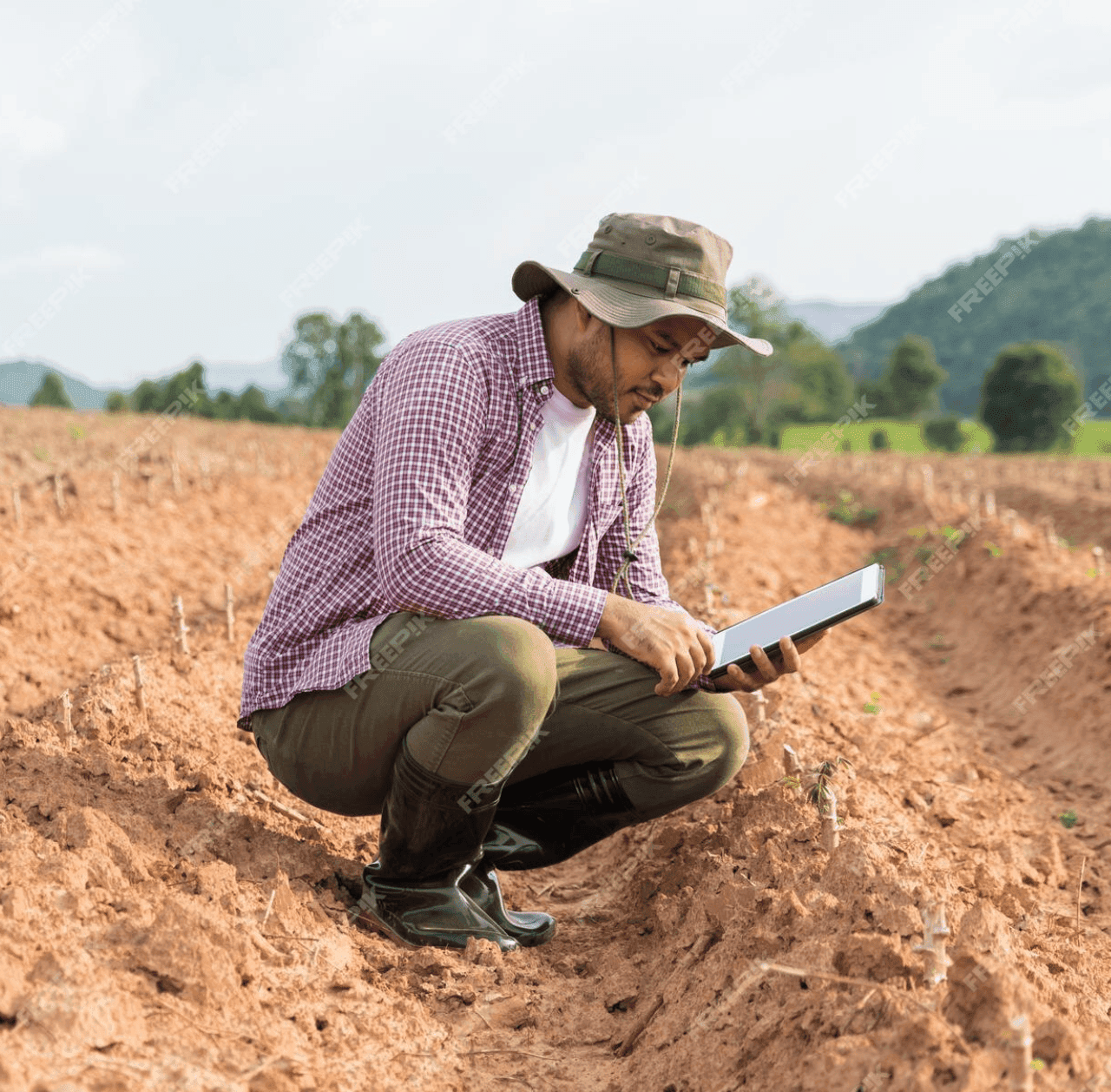
GPS soil sampling uses advanced technology to analyze soil conditions with precision, providing farmers with detailed data on nutrients, pH levels, and moisture to optimize crop management and sustainability.
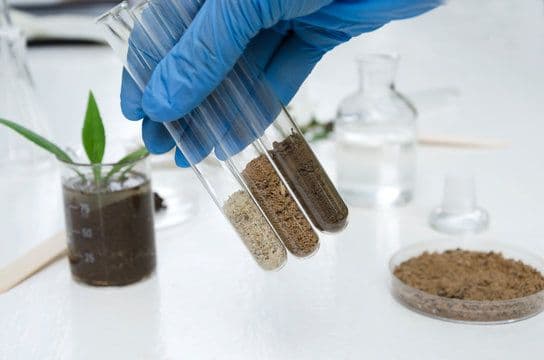
Comprehensive soil analysis services provide farmers with essential insights into soil health, including nutrient levels, pH balance, organic matter, moisture content, and contamination, enabling precise land management and improved crop productivity.

Comprehensive agricultural water analysis ensures optimal irrigation, livestock health, and regulatory compliance by testing for pH, salinity, nutrients, contaminants, and overall water quality.