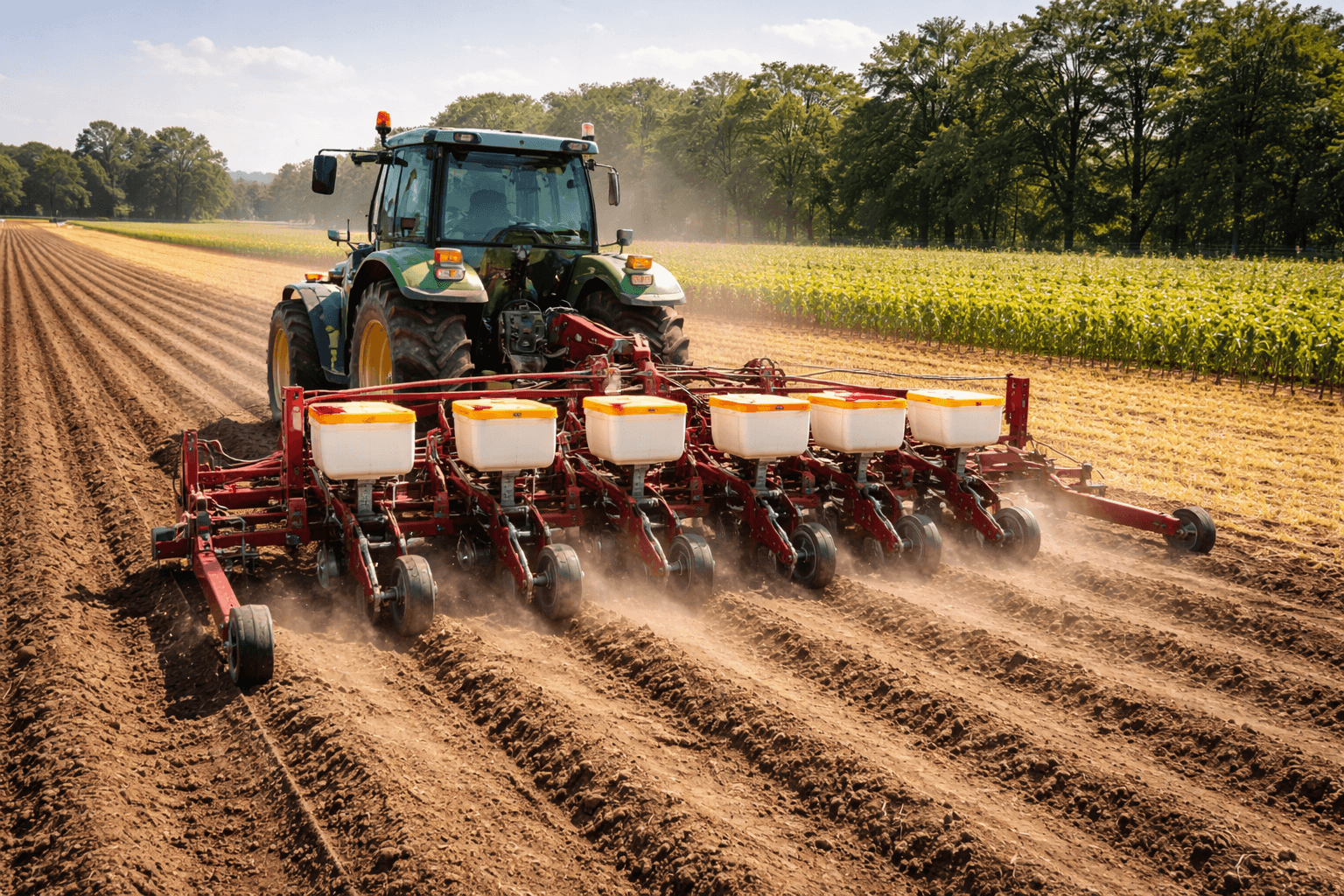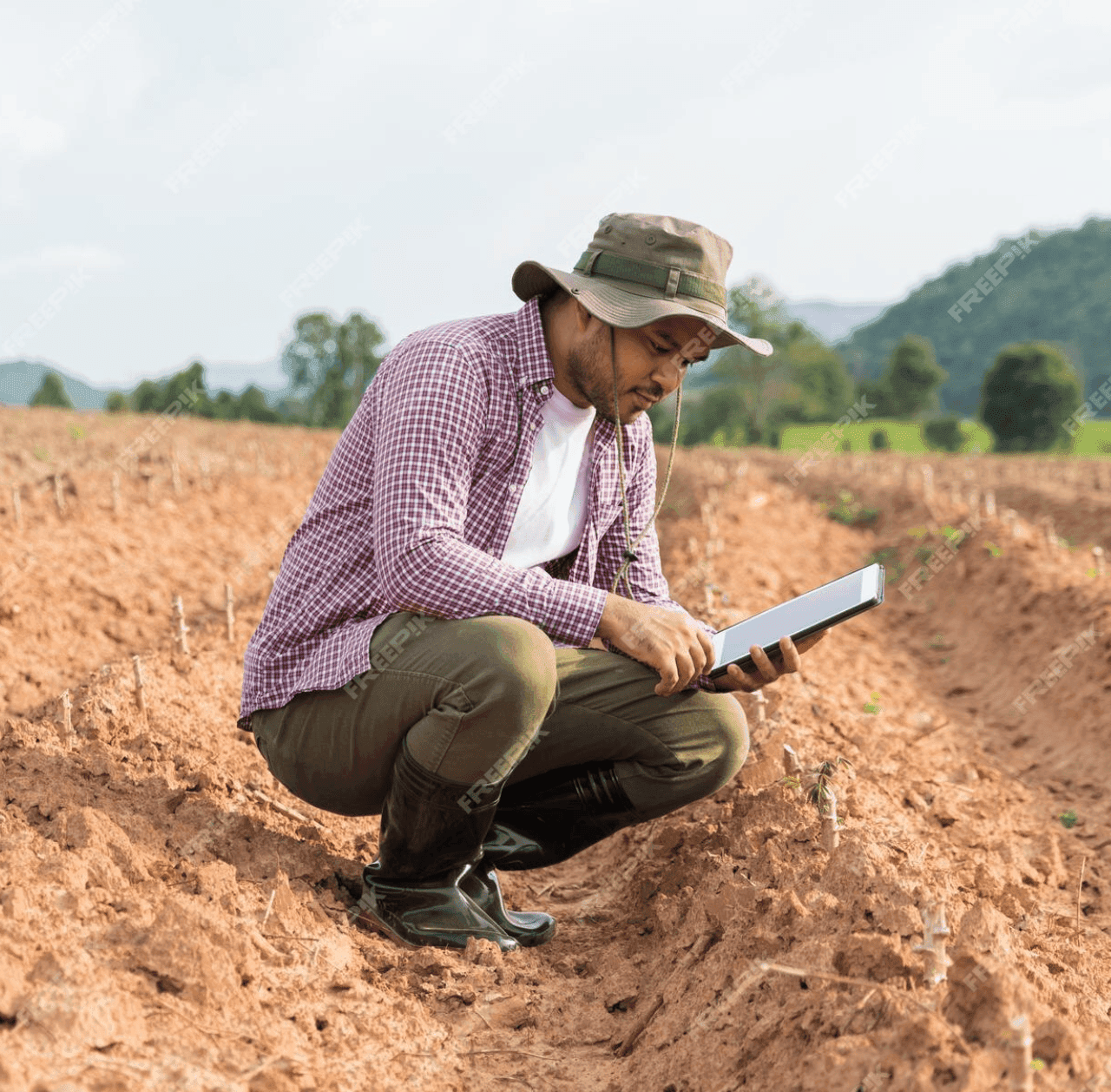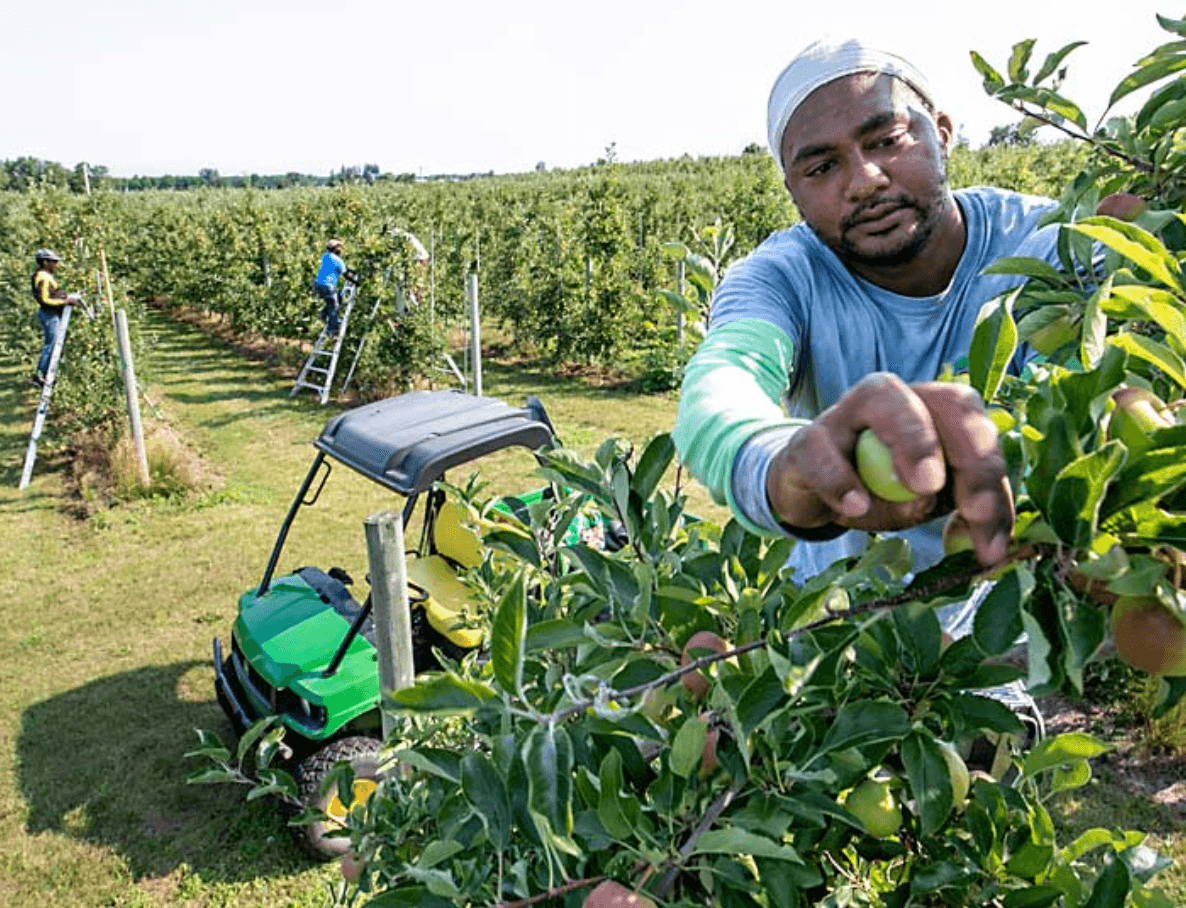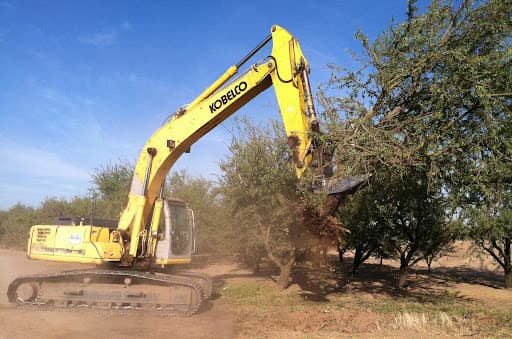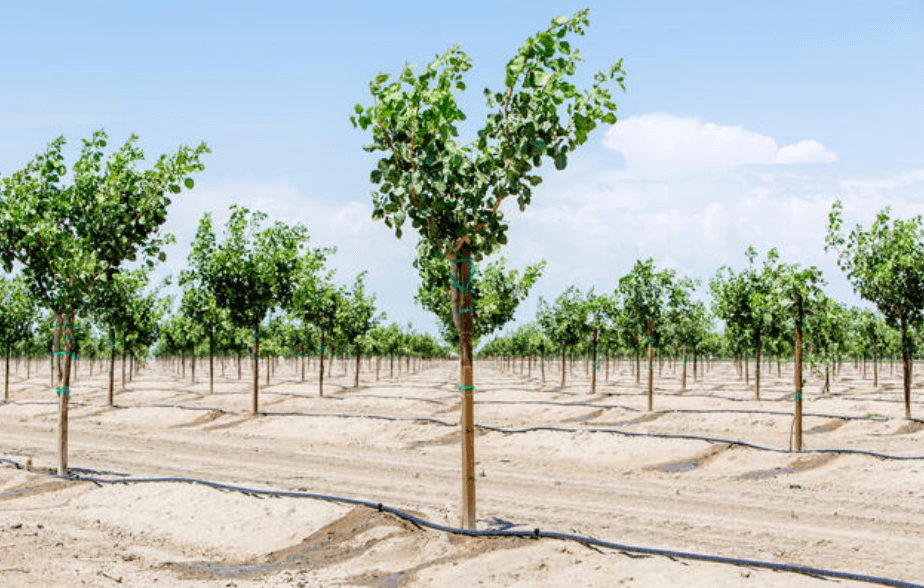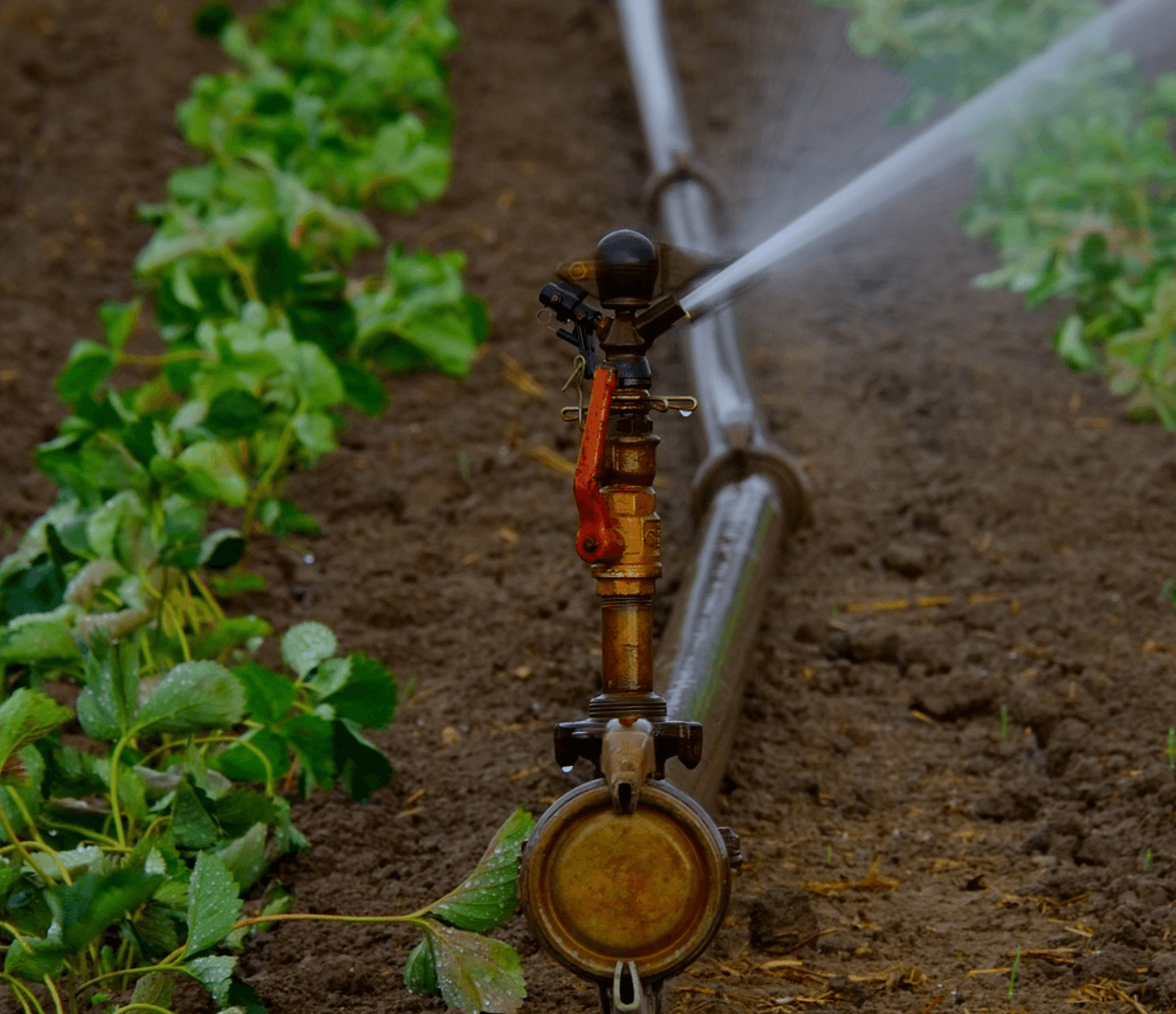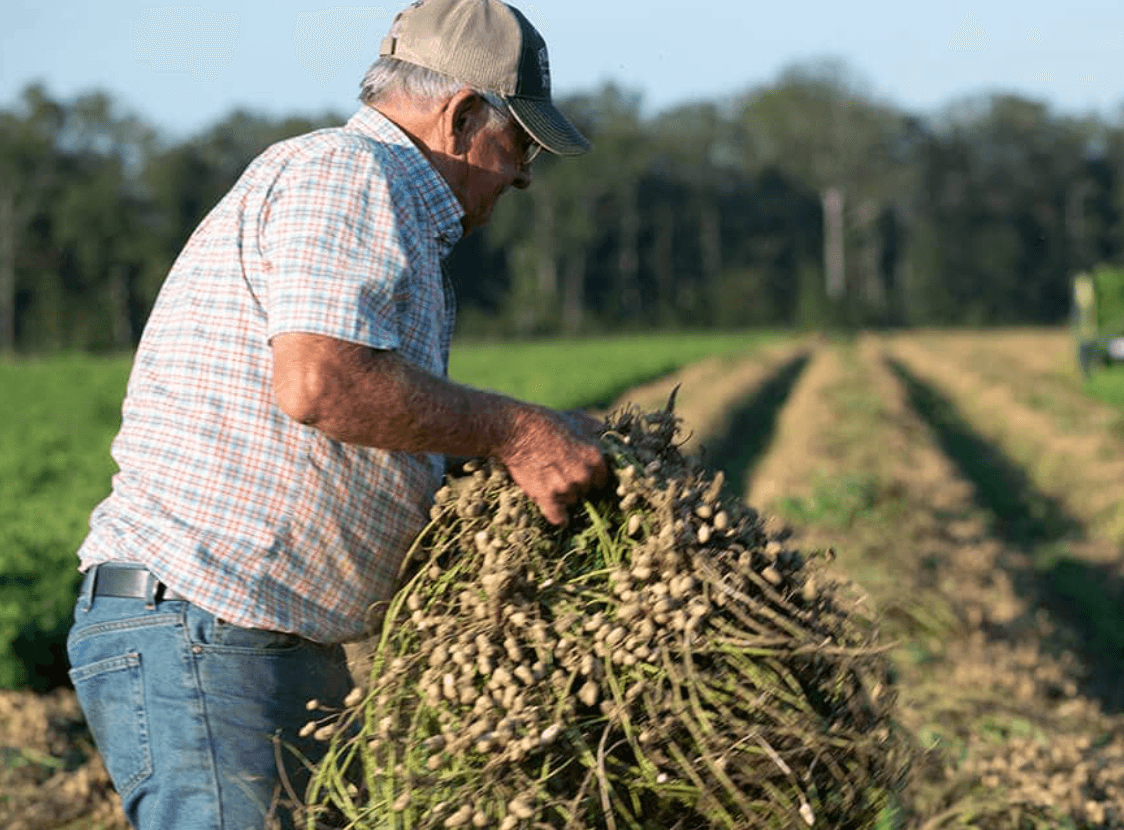
California farmers have always adapted. We’ve changed varieties, crops, irrigation systems, equipment, and farming practices as markets and growing conditions have changed. Right now, one of the biggest forces pushing that change is water.
As growers look at what their ground will look like five, ten, or twenty years from now, there is a real question about what we can economically grow on acreage where water becomes more limited or expensive. That conversation is especially important in the Central Valley, where groundwater restrictions and long-term water availability are forcing some operations to reconsider how every acre fits into the business.
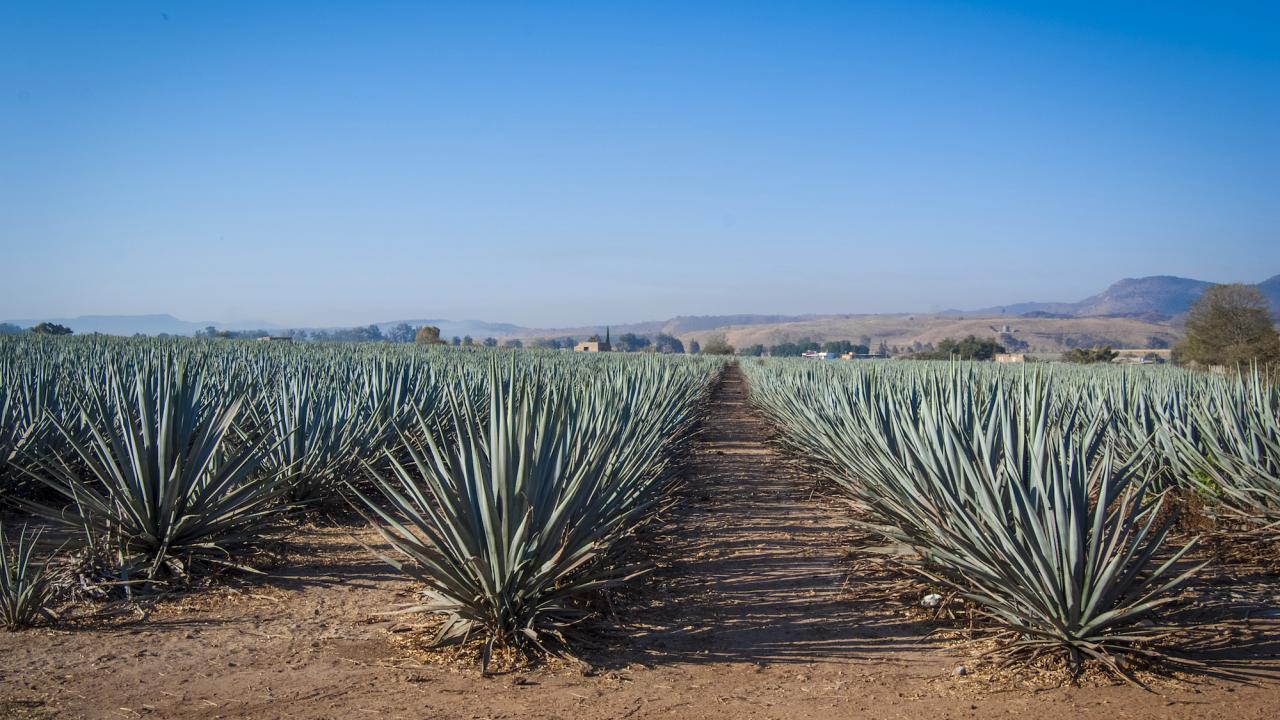
One crop starting to get serious attention is agave.
We’re still very early in figuring out exactly where agave fits into California agriculture, and I wouldn’t call it a replacement for almonds, walnuts, grapes, olives, or any other established crop. But the combination of extremely low water requirements, California’s hot growing regions, and an emerging market for California-grown agave has made it something worth watching.
Why Are California Farmers Looking at Agave?
The simple answer is water.
Agave is naturally adapted to dry environments and uses a type of photosynthesis called CAM that allows the plant to minimize water loss during the hottest part of the day. UC Davis researchers say proof-of-concept production data show water use is less than one-tenth of that for tree crops. That gets your attention when water is one of the biggest questions facing California agriculture.
That doesn’t mean growers should start pulling productive orchards to plant agave. I think the more interesting opportunity is on ground where the economics of a traditional permanent crop are becoming harder to justify. If an operation has acreage that may eventually need to be fallowed because there isn’t enough reliable water available, a crop capable of producing with significantly less water deserves a closer look.
Researchers and growers are particularly interested in agave because of its:
Very low water requirements
Ability to tolerate prolonged dry conditions
Adaptation to hot and arid climates
Potential use on water-constrained agricultural ground
Multiple potential markets beyond fresh agricultural production
UC Merced is now studying that potential in the northern San Joaquin Valley, including plans with Madera Community College District for a 10 to 20-acre test plot. Central Valley grower Stuart Woolf told researchers that his operation has thousands of acres it expects will not have enough water to farm conventionally, which is one reason it began experimenting with agave several years ago.
This Isn’t Just About Using Less Water
Low water use is what gets agave into the conversation, but water savings alone don’t make a crop profitable. Farmers still need yield, manageable production costs, reliable harvest methods, and most importantly, somebody willing to buy what we grow.
That’s where the California agave story starts getting more interesting. Agave can produce several different products. The piña, or heart of the mature plant, can be processed for distilled spirits and other products, while the plant also has potential applications in sweeteners, fibers, food ingredients, biomass, and other bioproducts. UC Merced researchers are studying some of these additional uses alongside spirits production.
For growers, that creates the possibility of a crop that isn’t dependent on a single end use. Whether those additional markets can develop enough scale to support significant California acreage is still an open question, but it’s one of the reasons this crop deserves more attention than simply calling it “California tequila.”
The California Agave Spirits Market Is Starting to Take Shape
Right now, distilled spirits are probably the most visible commercial opportunity for California-grown agave. Growers, distillers, researchers, and processors have begun building an industry around agave grown and processed here in the state, with the California Agave Council helping bring those different parts of the supply chain together.
There is an important distinction for growers to understand. California-grown agave spirits cannot simply be marketed as tequila. Tequila is a geographically protected product from designated areas of Mexico, just as there are restrictions around the use of the mezcal name. California producers are instead developing a separate identity around spirits made from California-grown agave.
That creates an interesting opportunity. California already has an established premium wine, craft beer, and spirits industry, along with a large consumer market that understands products tied to where and how they’re grown. If California agave develops in a similar direction, growers could supply a crop tied directly to a premium California-grown product.
But we’re not there yet.
Before Planting Agave, Figure Out Who Is Going to Buy It
This is probably the most important part of the conversation.
If I were considering planting agave on my own ground, the first question I would ask wouldn’t be how much water I could save. It would be who is going to buy the crop when it’s ready.
Agave isn’t an annual crop where you can change direction next season. Depending on the species, location, and production system, you’re potentially committing ground and capital for years before receiving a harvest. UC Davis has previously estimated roughly six to eight years to maturity, although California researchers are still gathering production data and actual timing can vary considerably.
Before putting meaningful acreage into agave, I’d want answers to questions like:
Who are the potential buyers?
Are there purchase or supply agreements available?
Which agave species do those buyers want?
What quality characteristics are they paying for?
How far will the crop need to be transported?
Who is responsible for harvesting the piñas?
What does harvesting and hauling actually cost?
How many years should I realistically budget before the first commercial harvest?
This is where I think growers need to be careful not to get ahead of the market. A crop requiring very little water isn’t worth much if there isn’t a buyer waiting at the other end.
Agave Still Has Plenty of Unknowns in California
California agriculture is very good at growing crops efficiently, but commercial agave production here is still young. UC Davis researchers are actively studying genetics, productivity, viruses, pests, soil management, irrigation, and which varieties perform best under California conditions.
One of the bigger questions is variety selection. There are more than 200 agave species, and they don’t all behave the same way. UC Davis specifically warns that temperature tolerance varies by species and that some varieties, including Agave tequilana Weber, can be sensitive to frost and extreme temperatures. What works near Santa Barbara may not necessarily be the right plant for Fresno, Yolo County, or another part of the state.
Growers considering agave should pay particular attention to:
Variety and clone selection
Winter frost exposure
Extreme summer temperatures
Soil drainage
Establishment irrigation
Pest and disease pressure
Plant spacing and equipment access
Harvest requirements and labor
These are exactly the questions California researchers are working to answer. Until we have more years of commercial data, I would treat agave as an emerging crop with potential rather than a proven replacement for an established crop.
The Central Valley Could Be One of the Most Interesting Test Grounds
The Central Valley is where this conversation becomes especially relevant.
UC Merced researchers say agave shows promise for the northern San Joaquin Valley because it can handle hot sun, requires relatively little water, and may perform on the region’s sandy soils. Their current work includes plans to expand test acreage as researchers evaluate whether agave can become a commercially viable, drought-tolerant production system for the region.
That’s important because some of the acres most affected by California’s changing water situation are located in the same areas where agave’s characteristics could potentially make sense. Instead of viewing every water-constrained acre as ground that must eventually leave agricultural production, crops like agave suggest that at least some of it could remain productive under a very different farming model.
That doesn’t make agave the answer to California’s water problems. But it makes it an option worth testing.
There’s Also Opportunity for Agricultural Service Businesses
If agave acreage continues expanding, growers won’t be the only ones entering a new market. New crops create demand for new services.
Commercial agave production will eventually require nursery operations, land preparation, planting, irrigation installation, weed management, crop consulting, harvesting, hauling, processing, and specialized equipment. Some of those services already exist in California agriculture and can adapt to agave. Others may develop specifically around the crop as acreage grows.
For agricultural service providers, emerging crops are worth paying attention to early. There was a time when custom mechanical harvesting, agricultural drones, drip installation, and other services were small niches too. As production changes, the businesses supporting growers change with it.
What I Would Do Before Planting Agave
There is enough happening around California agave that I think growers with water-constrained ground should at least be paying attention. UC Davis now has a dedicated Agave Center, UC Merced is expanding research in the San Joaquin Valley, and growers are already putting commercial and experimental acreage into production.
But I’d approach it the same way I’d approach any emerging crop. Start with the market, understand the agronomics, and learn on manageable acreage before making a large commitment. Saving water is a major advantage, but the crop still has to pencil out.
For growers seriously evaluating agave, I’d start by:
Talking directly with California growers already producing it
Speaking with potential distillers or other buyers before planting
Reviewing current UC Davis and UC Merced research
Evaluating several varieties for your specific climate
Understanding frost and soil limitations on your ground
Building a realistic establishment and harvest budget
Starting with trial acreage before committing an entire ranch
There will be a learning curve. California growers have been through that process with plenty of crops before, and we’ll probably go through it with agave too.
Is Agave the Next Big California Crop?
It’s too early to say.
What we can say is that California agriculture needs more options for ground where water availability no longer supports the crops we’ve traditionally grown. Agave’s ability to produce with extremely low water inputs makes it one of the more interesting alternatives being tested today, and serious growers and universities are investing time and money to determine whether the economics can work at a commercial scale.
I’m interested in agave not because I think every California farmer should grow it, but because agriculture needs options. If we can find crops that keep farmland productive, create new markets, support agricultural jobs, and require significantly less water, they’re worth exploring.
Agave may turn out to be one of those crops.
And if you’re considering it, don’t plant based on the hype. Talk to growers and buyers, understand your ground, and do the homework first. That’s usually the difference between trying something new and chasing the next new thing.