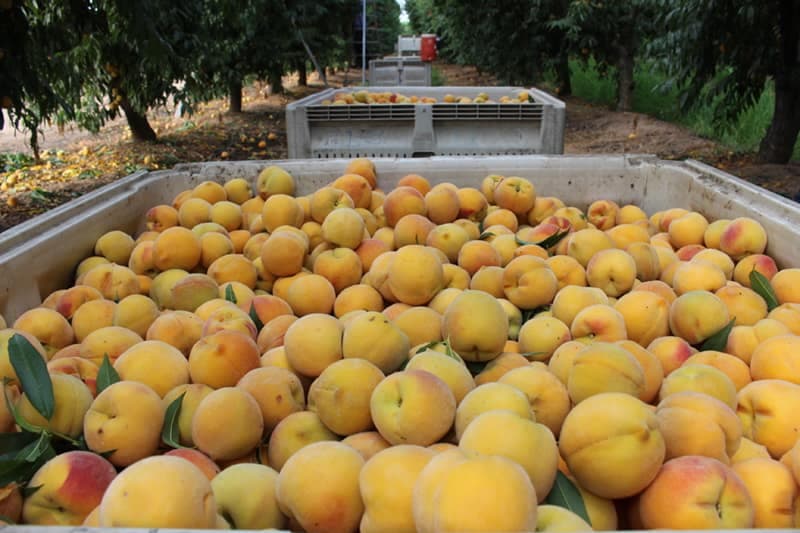

California cling peach growers have been facing significant uncertainty following the loss of processing demand tied to the closure of the Del Monte facility in Modesto. For many farms, the biggest concern was not just one season of lower returns, but what to do with orchards planted for a market that may no longer support the same acreage moving forward.
Now, USDA has approved up to $9 million in federal relief to help affected growers remove clingstone peach trees and begin transitioning acreage to more viable uses. The program is aimed at reducing financial losses, helping farms adapt, and preventing additional strain across California’s processing peach sector.
What the Program Is Designed to Do
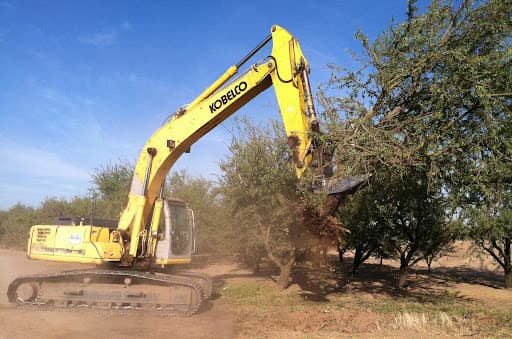
This funding is focused on orchard removal rather than direct crop payments. In simple terms, it is intended to help growers who no longer have a profitable outlet for their cling peaches remove trees and reposition their land for future opportunities.
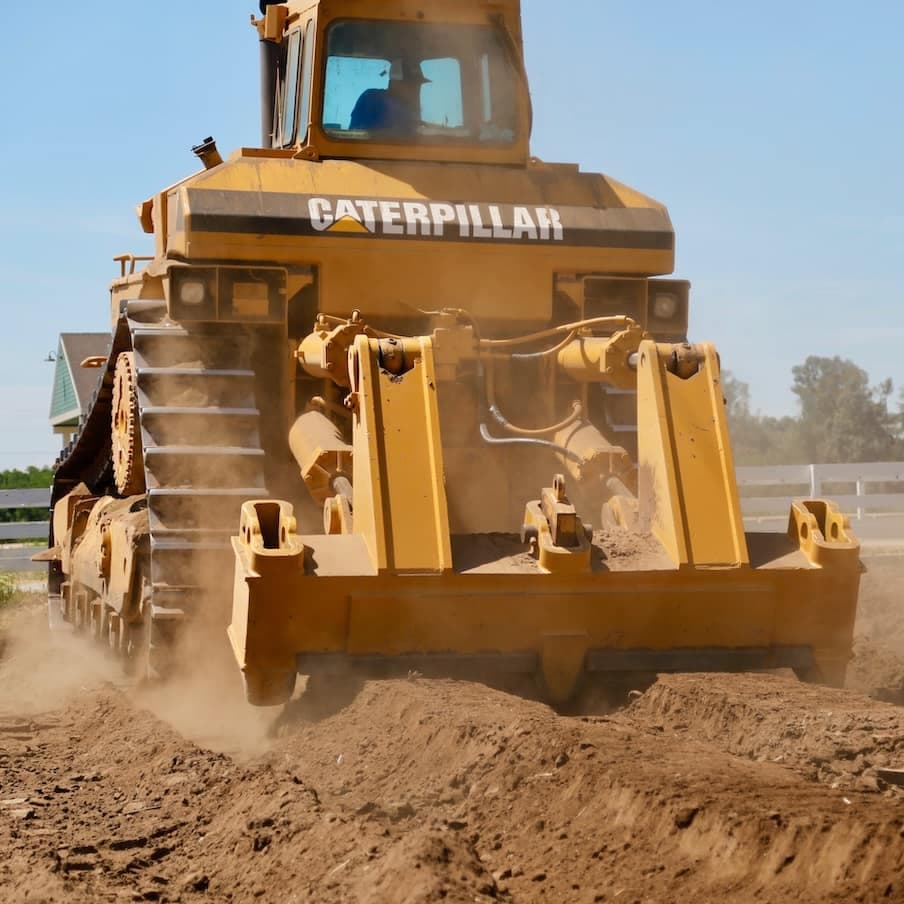
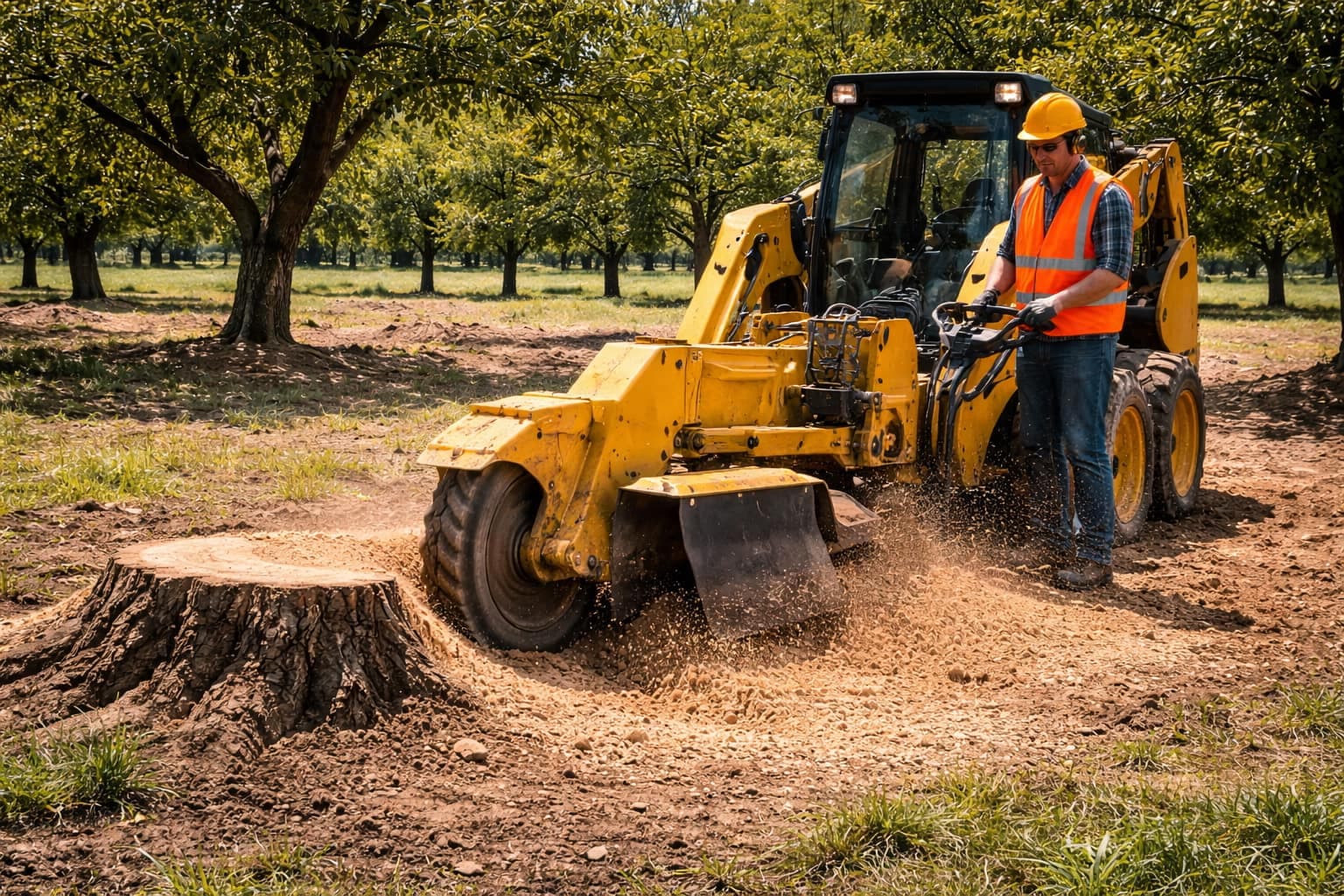
That matters because orchard removal can be expensive. Between tree pushing, root removal, land leveling, ripping, debris disposal, and redevelopment planning, the cost to transition an orchard can quickly become a major burden. USDA stepping in helps offset some of those costs during a difficult market shift.
Key details reported so far:
- Up to $9 million in USDA aid approved
- Supports removal of up to 420,000 cling peach trees
- Roughly 3,000 acres may be impacted
- Focused on California Central Valley growers
- Intended to occur before the 2026 harvest season
Why This Relief Is Happening
The core issue is market demand. When major processing capacity is reduced or disappears, growers can be left with orchards that no longer pencil out economically. Unlike annual crops, orchards are long-term investments and cannot simply be changed overnight.
For cling peach growers, this situation developed quickly. Many farms entered the season with mature orchards but less certainty around contracts, pricing, and processor demand. The relief package is designed to soften that blow and help operations make strategic decisions rather than react under pressure.
Why this matters:
- Orchard crops require multi-year planning
- Removal costs can be significant
- Growers need time to evaluate replacement crops
- Excess acreage can pressure the remaining market
- Transition support can reduce financial damage
Industry Match Brings Total Support Higher
In addition to the USDA commitment, the California Canning Peach Association is reportedly contributing a $3 million industry match. That brings the total combined effort to around $12 million.
This is notable because it shows both public and industry recognition that the sector is undergoing a genuine restructuring. Shared support increases the likelihood that growers can act sooner and with better planning rather than carrying unproductive acreage longer than they should.
What that could help fund:
- Tree removal and orchard clearing
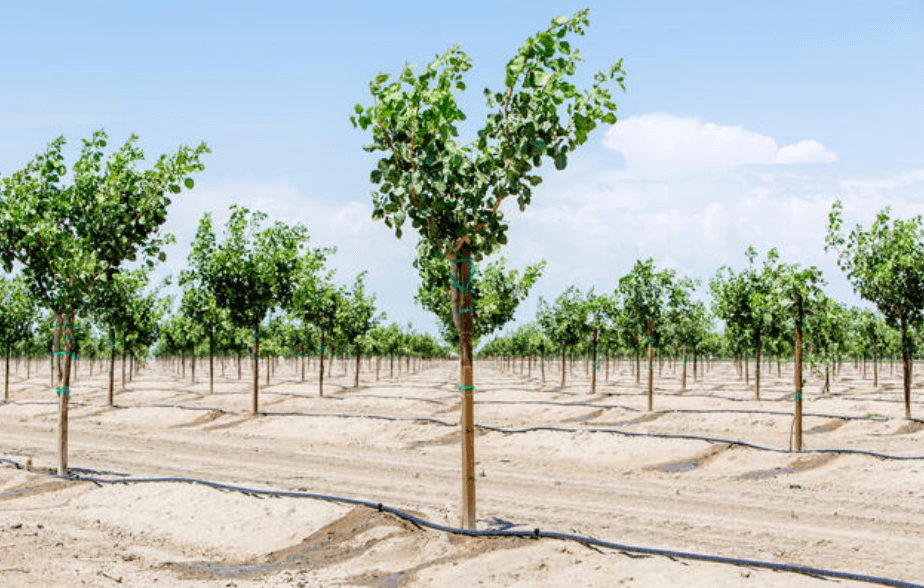
- Land preparation for future planting
- Transition planning for replacement crops
- Reduced near-term grower losses
- Faster rebalancing of available supply
What Growers Should Be Thinking About Now
This program may provide relief, but it does not answer every long-term question. Growers still need to evaluate whether to replant peaches, pivot into another crop, lease land, or hold acreage until market conditions become clearer.
Every ranch is different. Water access, soil type, financing, labor availability, and long-term strategy all matter. This is where disciplined planning becomes more important than emotion.
Good questions to evaluate:
- Does this orchard still cash flow under new pricing realities
- What crop alternatives fit the ground and water profile
- What are redevelopment costs beyond tree removal
- Is leasing or custom farming an option
- Should some acreage remain flexible for future opportunities
How to Get Started
Affected growers should stay in contact with their local USDA Farm Service Agency office for official program details, eligibility rules, timelines, and application steps. Programs like this often move quickly once guidance is finalized.
Growers can also monitor updates through farmers.gov and local agricultural industry associations. Having acreage records, orchard age data, and ownership documentation organized early can help speed up the process.
Helpful resources:
- USDA Farm Service Agency local office
- https://www.farmers.gov
- County Agricultural Commissioner offices
- California Canning Peach Association
- Trusted ag advisors and accountants
Final Thought
This $9 million program signals that the cling peach situation is being taken seriously. It does not address the broader structural questions about processing demand, but it provides growers with a practical tool during a difficult transition.
The next chapter for many farms will come down to smart planning, not panic decisions. Whether that means redevelopment, diversification, or waiting for more clarity, growers who move deliberately will be in the strongest position moving forward.
Need Help Transitioning Orchard Ground?
If your operation is evaluating tree removal, land prep, ripping, leveling, hauling, or redevelopment services, Agnomy helps connect growers with experienced agricultural service providers who understand California farming realities.
To support cling peach growers during this transition, Ag Works on Agnomy is currently offering an exclusive discounted rate for orchard removal services to eligible cling peach farmers impacted by recent market changes.
Find qualified ag services, compare options, and take advantage of available savings while keeping your next move moving forward.