Verified Providers
Review provider profiles, ratings, and credentials before you book.
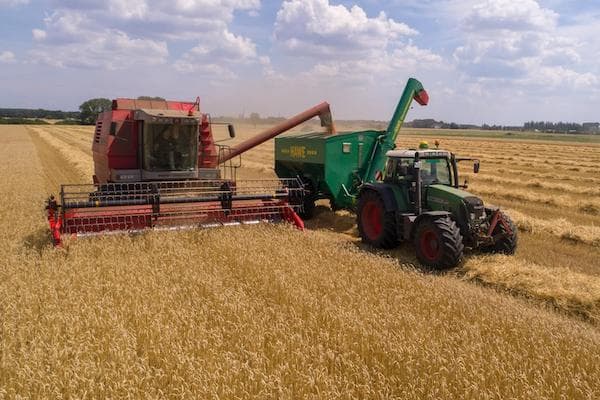
browse equipment operators on agnomy
Region
Pacific Northwest
USDA zone
4a–9b
Services
0
Providers
0
Find verified equipment operators providers, compare options, and book the right team for your operation, all in one place.
Refine your search
Search the full catalog. Every path lands on the same vetted providers.
The full catalog
Why Agnomy
Review provider profiles, ratings, and credentials before you book.
Providers know equipment operators timing, regional conditions, and best practices in your area.
Compare quotes from multiple providers in one place. No chasing phone calls.
Book fast with real-time availability, automated reminders, and clear status updates.
Explore the category
Browse related work under Labor to find the providers, services, and crops that fit your operation.
More in Labor
Frequently asked
What growers ask before they book equipment operators on Agnomy.
Tractor and equipment operators in California average roughly $20 per hour, with skilled or specialized operators earning more. The state's H-2A agricultural wage floor has also been near $20 per hour. Experience, equipment complexity, and overtime during harvest push effective pay higher.
Hiring an operator means you supply the machine and pay for the labor to run it, while custom hire brings both the operator and the equipment for a set rate per acre or per hour. Operator-only hire suits farms with their own fleet that need extra hands at peak times. Custom hire fits jobs where you lack the specific machine.
A strong operator can run and maintain the specific machine safely, use GPS and auto-steer guidance, and handle field operations like tillage depth, planter calibration, and harvester settings. Good ones spot mechanical issues early and work efficiently to protect the crop and soil. Experience on similar acreage and crops matters.
Demand peaks at planting and harvest, when narrow weather windows require running machines long hours across many acres. Tillage and land-prep seasons also drive short bursts of need. Lining up experienced operators before these crunch periods keeps fieldwork on schedule.
Ready when you are
Connect with verified providers and request quotes in minutes.
Equipment Operators in Oregon
From the blog
Field notes, seasonal guides, and grower interviews — straight from the team.
 Industry News
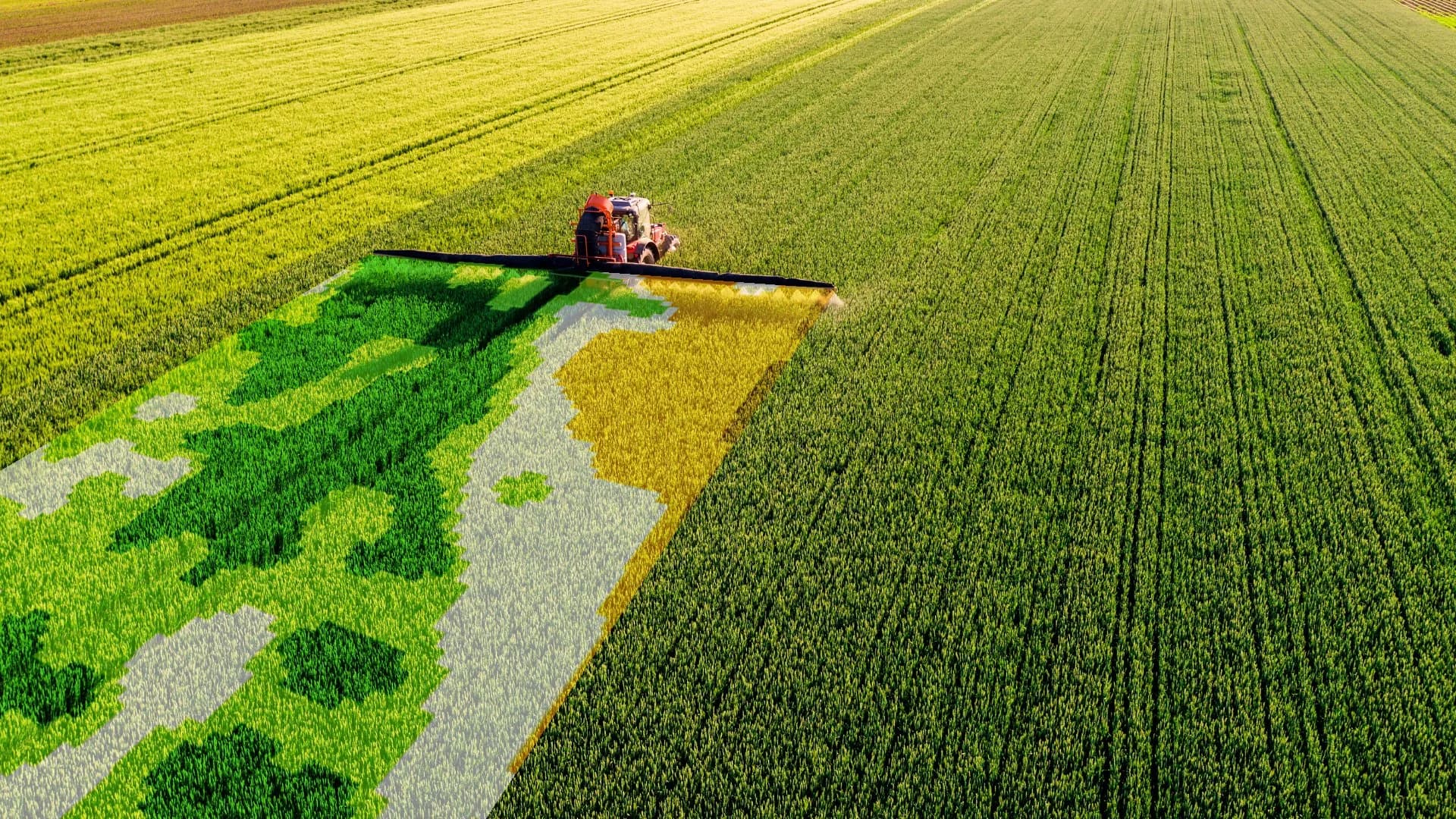
You don't have to own a farm to build a business in agriculture. Drones, robotics, precision irrigation, autonomous equipment, and other AgTech are creating a new generation of agricultural service businesses that bring specialized equipment and expertise directly to farmers.
 Industry News
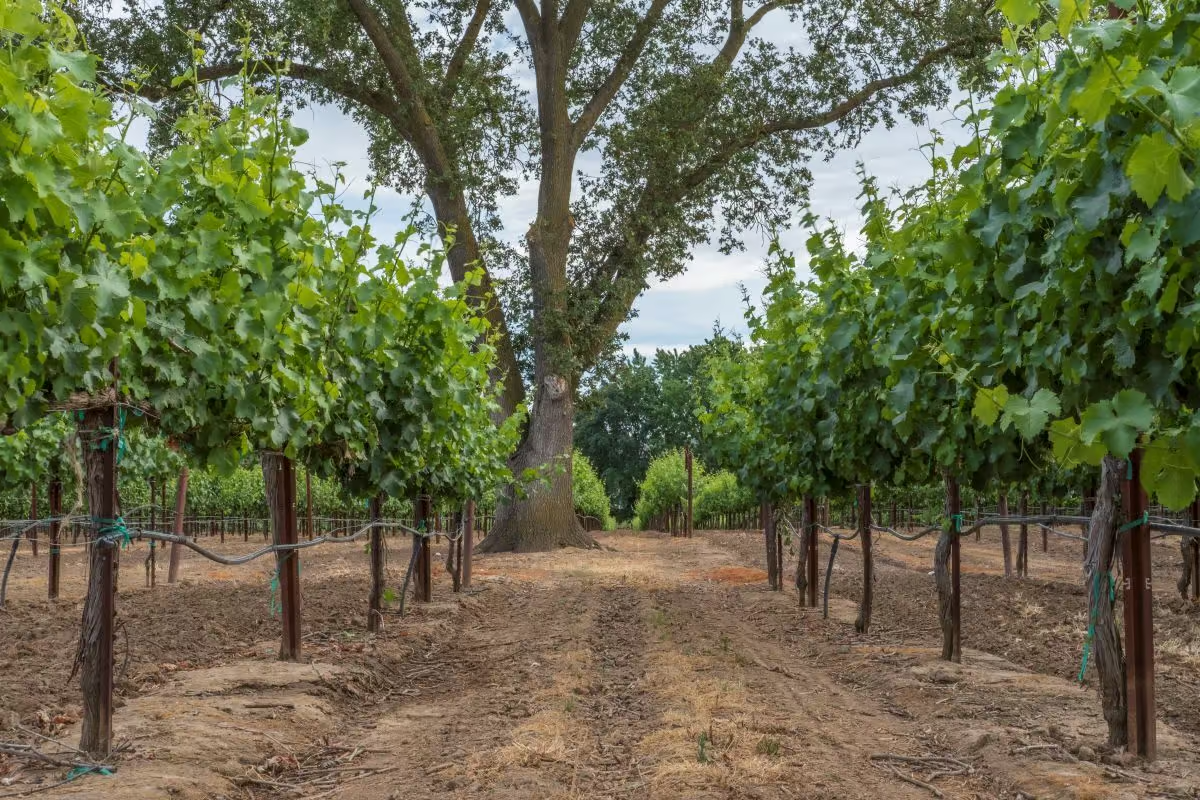
California's wine grape industry is going through a major correction as weak demand, excess inventory, rising costs, and fewer contracts push growers to remove vineyards. We look at the latest California and Lodi numbers, available vineyard removal assistance, and what growers should consider next.
 Industry News
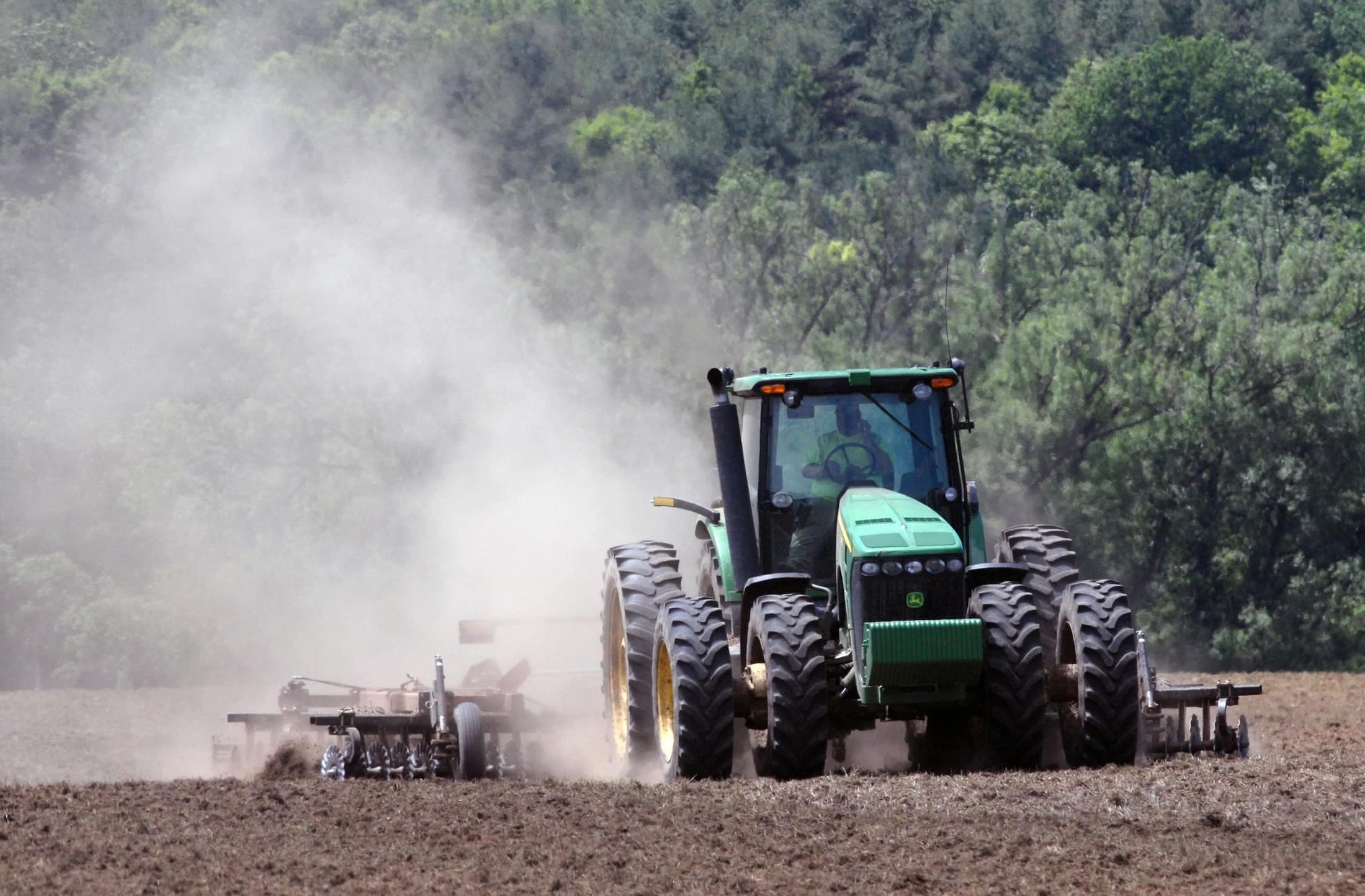
Rising equipment costs, tight labor, specialized technology, and narrow operating windows are changing how farms get work done. More growers are turning to agricultural service providers for equipment, labor, technology, and expertise when they need it.