Verified Providers
Review and speak with service providers before confirming.

browse regenerative farming services on agnomy
Region
Pacific Northwest
USDA zone
4a–9b
Services
0
Providers
0
Find regenerative farming services in Oregon for soil health programs and sustainable field practices.
Refine your search
Search the full catalog or pivot by crop. Every path lands on the same vetted providers.
The full catalog
By crop served
12 crops
Providers offering regenerative farming services specialize in the crops below. Tap a crop to find the right team.
Why Agnomy
Review and speak with service providers before confirming.
Providers understand local conditions, regulations, and best practices.
Modern, well-maintained equipment ensures efficient and professional service delivery.
Book jobs fast with real-time availability, built-in scheduling, and fewer back-and-forth calls or texts.
Explore the category
Browse related work under Crop Care to find the providers, services, and crops that fit your operation.
“Regenerative farming is centered on building healthier soils, improving water efficiency, and increasing long-term field performance through management practices that work with natural systems”
Regenerative farming is centered on building healthier soils, improving water efficiency, and increasing long-term field performance through management practices that work with natural systems. Rather than relying solely on input-driven approaches, regenerative operations focus on soil structure, biological activity, and nutrient cycling to support consistent yields and resilient crops over time.
Growers using regenerative practices often integrate cover crops, reduced tillage, compost and organic amendments, and biological applications into their production systems. These practices require careful timing, specialized equipment, and experienced operators who understand how to manage residue, soil moisture, and field conditions throughout the season. Success depends on coordinating field preparation, planting, application, and termination work so practices complement existing crop schedules rather than disrupt them.
Regenerative farming is applied across a range of crops and operations, from orchards and vineyards to row crops and specialty plantings. Agnomy’s service support plays a critical role, helping growers execute specific field tasks efficiently while staying aligned with soil health goals. By connecting growers with providers experienced in regenerative practices, Agnomy helps make it easier to implement, manage, and scale regenerative systems that fit real-world farming operations.
Frequently asked
What growers ask before they book regenerative farming services on Agnomy.
Regenerative farming is an approach focused on rebuilding soil health using practices like cover cropping, reduced or no tillage, crop rotation, and integrating livestock or compost. The aim is more resilient, biologically active soil that holds water and needs fewer purchased inputs. Over time it can restore degraded ground and store more carbon.
Core practices include cover cropping to protect and feed the soil, reduced tillage to preserve soil structure and microbes, diverse crop rotations, keeping living roots and residue on the field, and adding compost or grazing. Farms often bundle several together. Each one cuts erosion and input needs while building organic matter.
Yes, USDA programs including EQIP and CSP cost-share regenerative practices like cover crops and reduced tillage, and a new federal Regenerative Pilot Program added $700 million in funding. In California, CDFA's Healthy Soils Program offers incentives up to $75,000 per operation for compost and soil practices. Applications run through local NRCS service centers and CDFA.
Over time it usually does, because healthier soil typically needs less fertilizer, fewer pesticides, and less irrigation, though there are upfront costs and a transition period. Lower input bills and better drought resilience are the main economic drivers. Cost-share programs help offset the early investment while the practices take hold.
Ready when you are
Connect with verified providers and request quotes in minutes.
Regenerative Farming Services in Oregon
From the blog
Field notes, seasonal guides, and grower interviews — straight from the team.
 Industry News
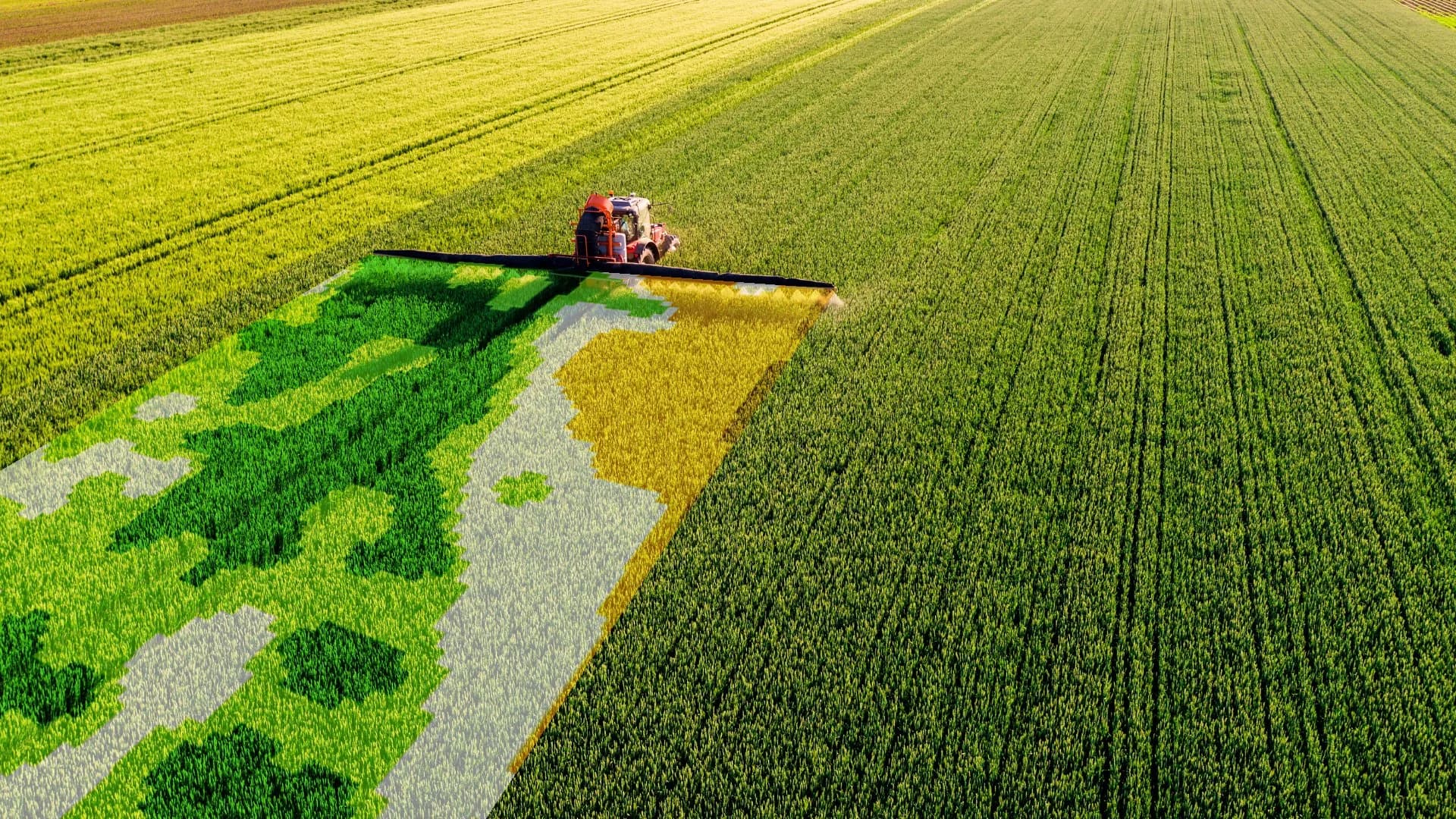
You don't have to own a farm to build a business in agriculture. Drones, robotics, precision irrigation, autonomous equipment, and other AgTech are creating a new generation of agricultural service businesses that bring specialized equipment and expertise directly to farmers.
 Industry News
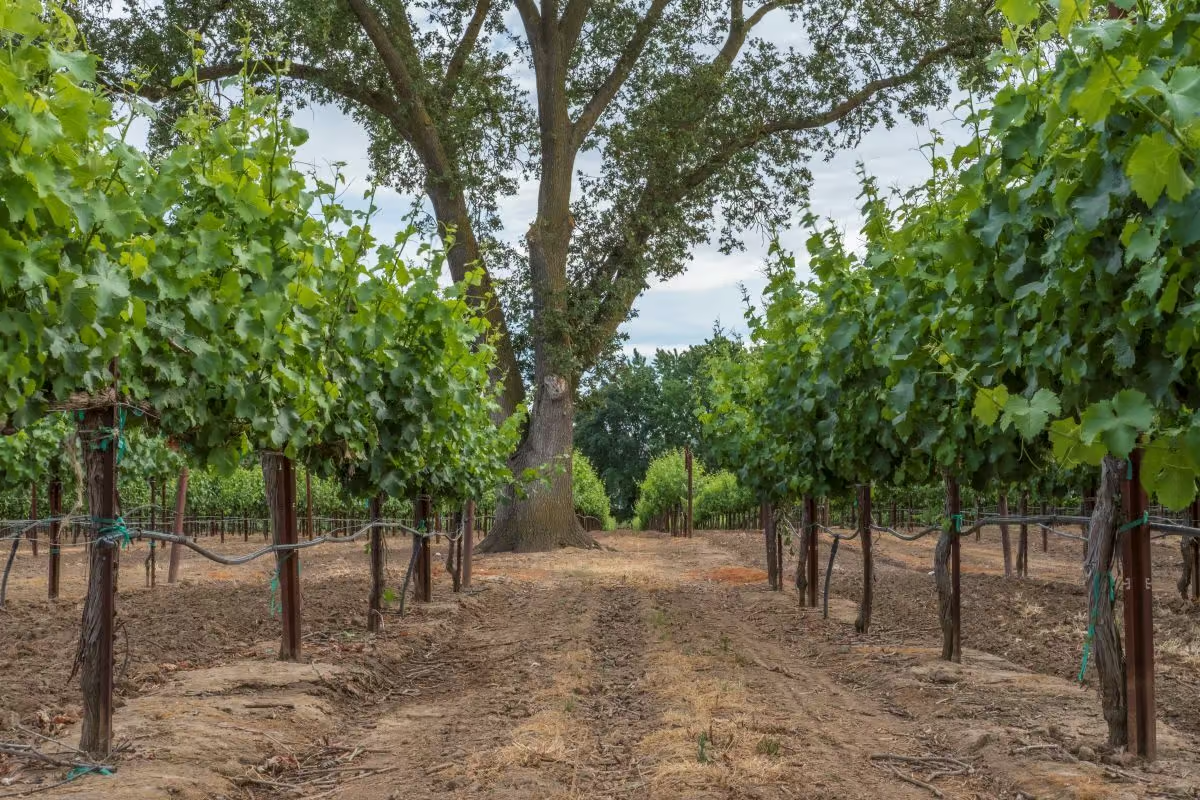
California's wine grape industry is going through a major correction as weak demand, excess inventory, rising costs, and fewer contracts push growers to remove vineyards. We look at the latest California and Lodi numbers, available vineyard removal assistance, and what growers should consider next.
 Industry News
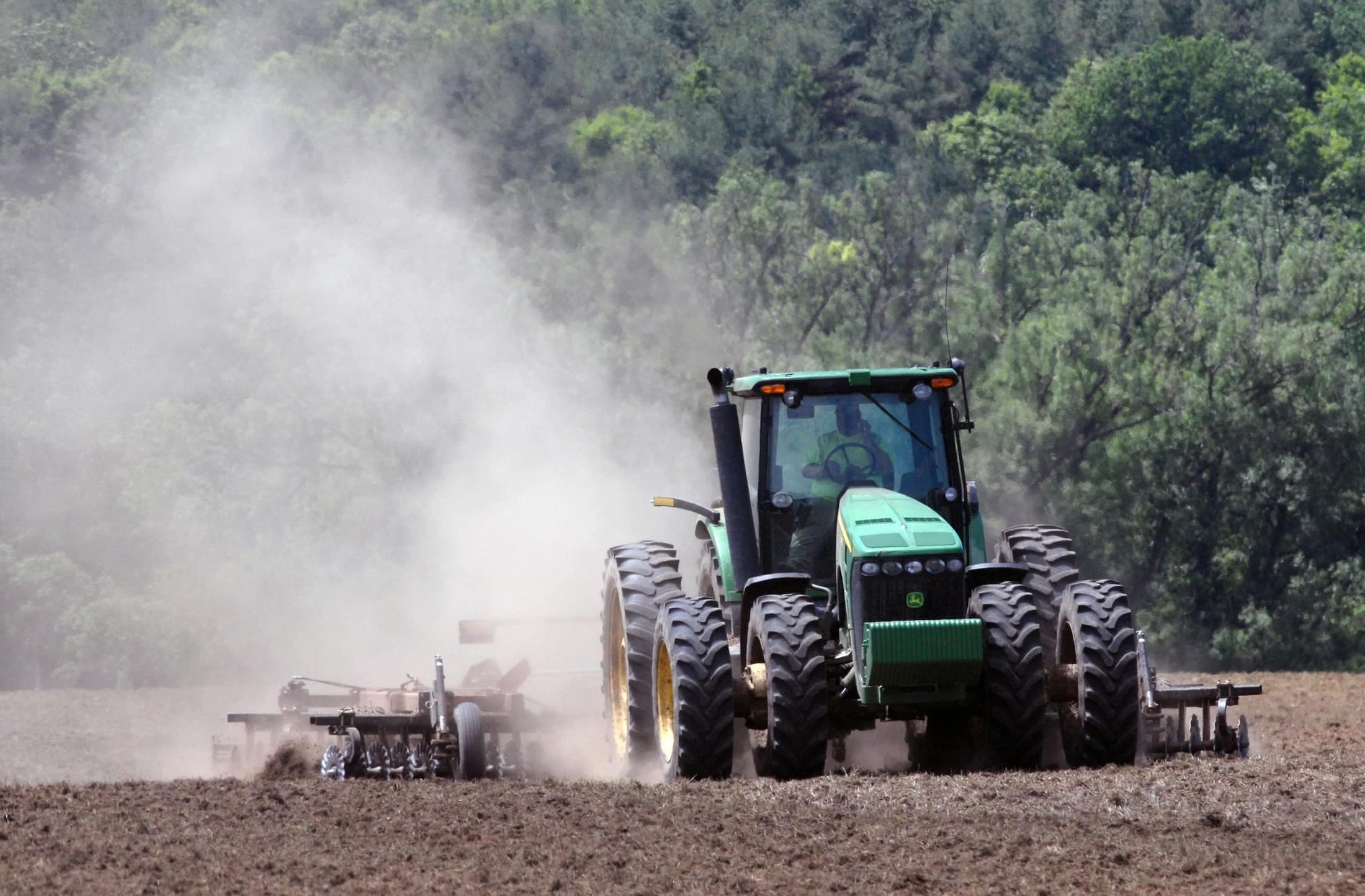
Rising equipment costs, tight labor, specialized technology, and narrow operating windows are changing how farms get work done. More growers are turning to agricultural service providers for equipment, labor, technology, and expertise when they need it.

We're actively growing our network in Oregon. Tell us what you need and Agnomy will find a provider and send you a quote.
Click here to provide services