Verified Providers
Review provider profiles, ratings, and credentials before you book.
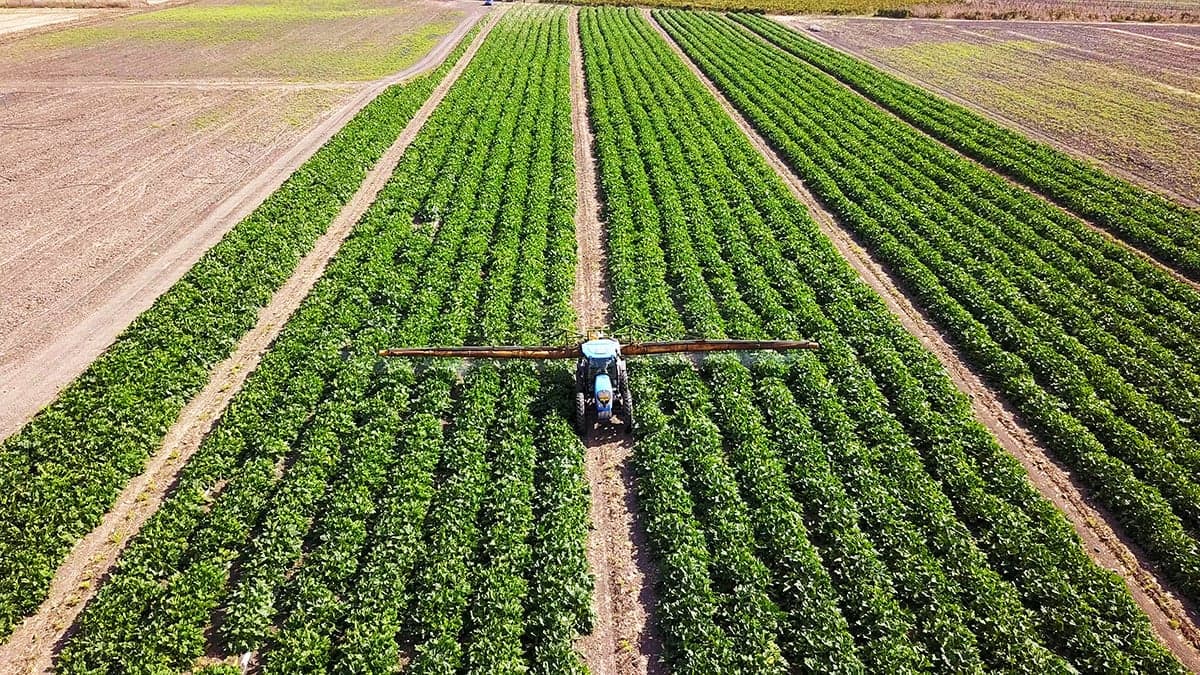
browse the crop care catalog
Region
Willamette Valley
USDA zone
8b
Services
1
Providers
1
Find verified crop care providers, compare options, and book the right team for your operation, all in one place.
Refine your search
Drill into a focus area, search the full catalog, or pivot by crop. Every path lands on the same vetted providers.
By focus area
10 subcategories under Crop Care — each one bundles the providers, services, and crops most relevant to that focus area.

5+
Services
10+
Providers

15+
Services
20+
Providers

8+
Services
25+
Providers

2+
Services
4+
Providers

16+
Services
19+
Providers
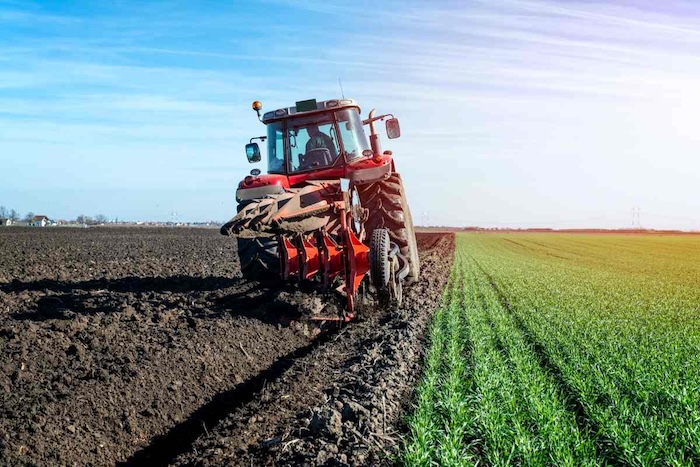
19+
Services
17+
Providers

5+
Services
20+
Providers

37+
Services
32+
Providers

2+
Services
4+
Providers
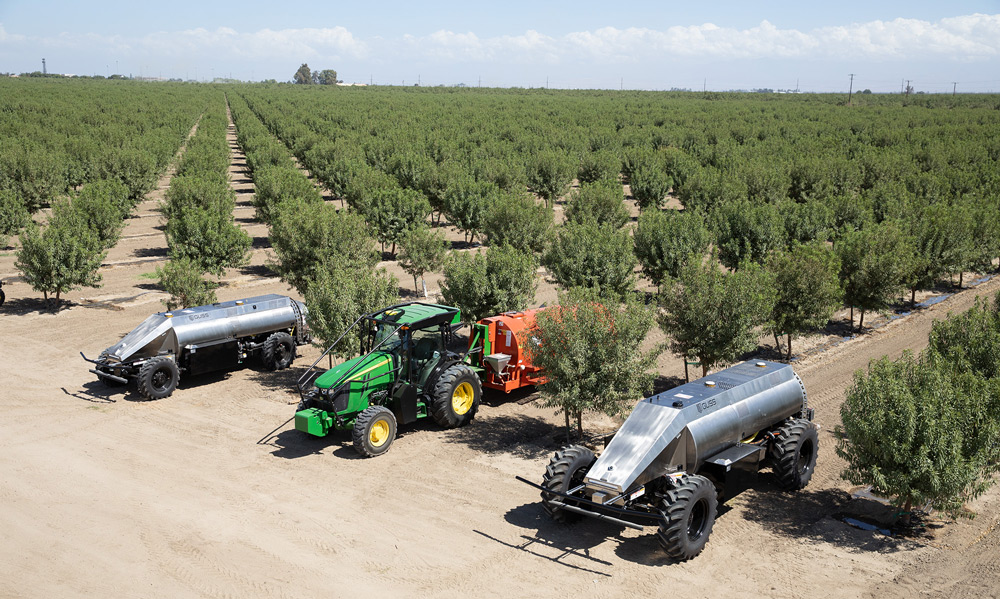
12+
Services
26+
Providers
The full catalog
Matches
1 result
Filter by location, distance, crop, and price. Tap a card to view the storefront and request a quote.
By crop served
15 crops
Find crop care providers who specialize in your crop.
Why Agnomy
Review provider profiles, ratings, and credentials before you book.
Providers know crop care timing, regional conditions, and best practices in your area.
Compare quotes from multiple providers in one place. No chasing phone calls.
Book fast with real-time availability, automated reminders, and clear status updates.
Explore the catalog
See the full range of ag work available in Albany. Jump into another category to find the providers, services, and crops that fit your operation.
Browse another category
Frequently asked
What growers ask before they book crop care services on Agnomy.
Yes, applying agricultural pesticides for hire in California requires licensing through the Department of Pesticide Regulation. Commercial applicators typically hold a Qualified Applicator License or Certificate, and businesses that apply pesticides for hire must also register with the county agricultural commissioner. Licensees complete at least 20 hours of continuing education every two years to stay certified. Hiring a licensed custom applicator keeps your operation compliant with state and county rules.
Integrated pest management is a strategy that combines monitoring, biological controls, cultural practices, and targeted pesticide use to control pests with the least risk. Instead of spraying on a fixed schedule, IPM treats based on scouting and economic thresholds, which reduces chemical use and slows resistance. California growers widely use IPM to protect both yields and water quality.
Many Central Valley growers manage fertilization under an Irrigation and Nitrogen Management Plan required by the Irrigated Lands Regulatory Program. The plan tracks nitrogen applied versus nitrogen removed at harvest and follows the 4R approach: the right rate, time, place, and source. Leaf and soil sampling verify crop nutrient status. These practices improve nutrient efficiency and help keep nitrate out of groundwater.
Spray timing depends on the pest, the crop, and the growth stage, and it is best guided by field scouting rather than the calendar. Many diseases are treated preventively at bloom or ahead of infection periods tied to weather, while insect treatments are timed to pest life stages and monitoring thresholds. Dormant-season sprays are common in orchards and vineyards. A licensed crop care provider can scout fields and time applications for the best results.
Ready when you are
Connect with verified providers and request quotes in minutes.
Crop Care in Albany
From the blog
Field notes, seasonal guides, and grower interviews — straight from the team.
 Industry News
You don't have to own a farm to build a business in agriculture. Drones, robotics, precision irrigation, autonomous equipment, and other AgTech are creating a new generation of agricultural service businesses that bring specialized equipment and expertise directly to farmers.
 Industry News
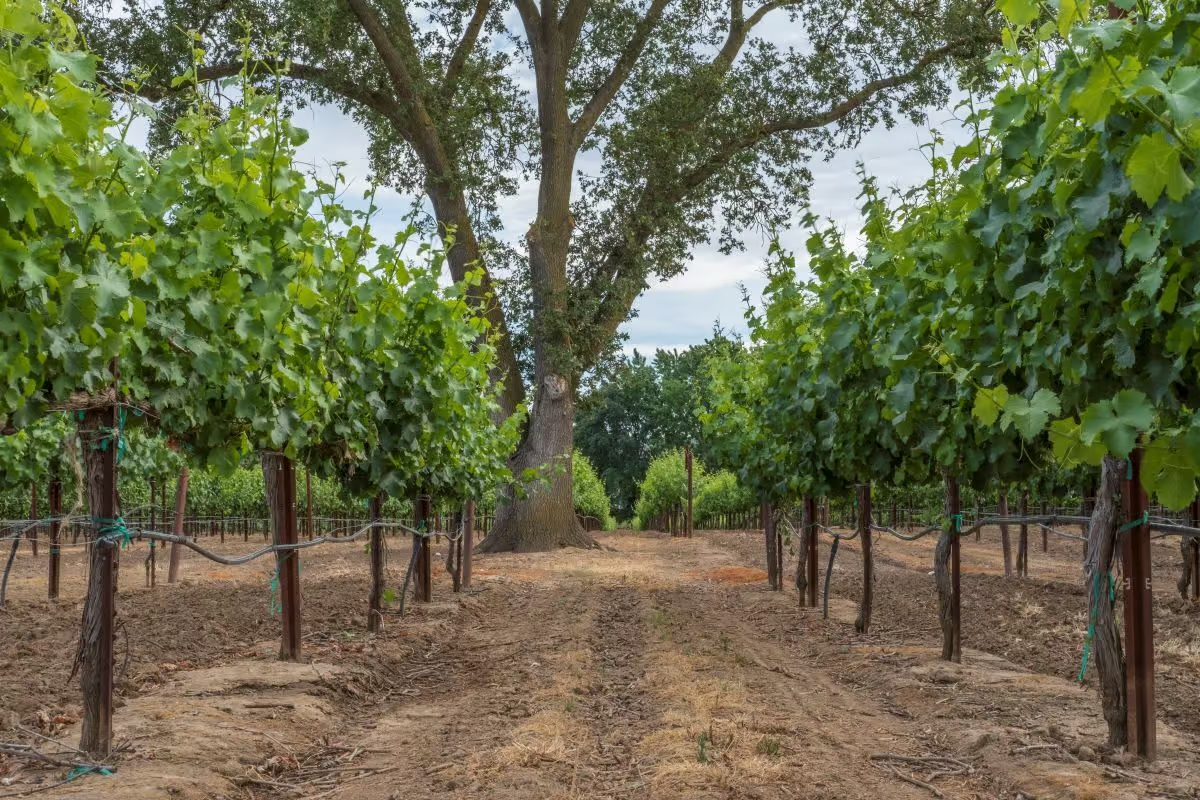
California's wine grape industry is going through a major correction as weak demand, excess inventory, rising costs, and fewer contracts push growers to remove vineyards. We look at the latest California and Lodi numbers, available vineyard removal assistance, and what growers should consider next.
 Industry News
Rising equipment costs, tight labor, specialized technology, and narrow operating windows are changing how farms get work done. More growers are turning to agricultural service providers for equipment, labor, technology, and expertise when they need it.