For a long time, getting into agriculture usually meant you needed access to land. You either grew up on a farm, inherited one, leased ground, or found enough capital to buy land and equipment and start farming yourself. That is still one path into agriculture, but with the cost of farmland, equipment, labor, and inputs today, it is becoming an increasingly difficult one for someone starting from scratch.
At the same time, agriculture is becoming more specialized. Farms are using drones, GPS systems, sensors, automated irrigation, precision application equipment, robotics, and increasingly sophisticated machinery. Farmers want access to these capabilities, but that does not mean every farm needs to own every piece of technology or employ someone full-time to operate it.
That is creating another path into agriculture. Instead of owning the farm, a new generation of agricultural businesses can own the equipment, develop the expertise, and provide specialized services to many farms. In some cases, the opportunity AgTech creates may be just as significant for the people operating the technology as it is for the farmers using it.
AgTech Is Creating Businesses Outside the Farm Gate
Most conversations about AgTech focus on what a new technology can do for the farmer. We talk about whether a robot can reduce labor, whether a drone can apply inputs more efficiently, whether sensors can save water, or whether better field data can improve yields. Those are important questions, but another practical question gets far less attention: who is actually going to operate and maintain all of this technology?
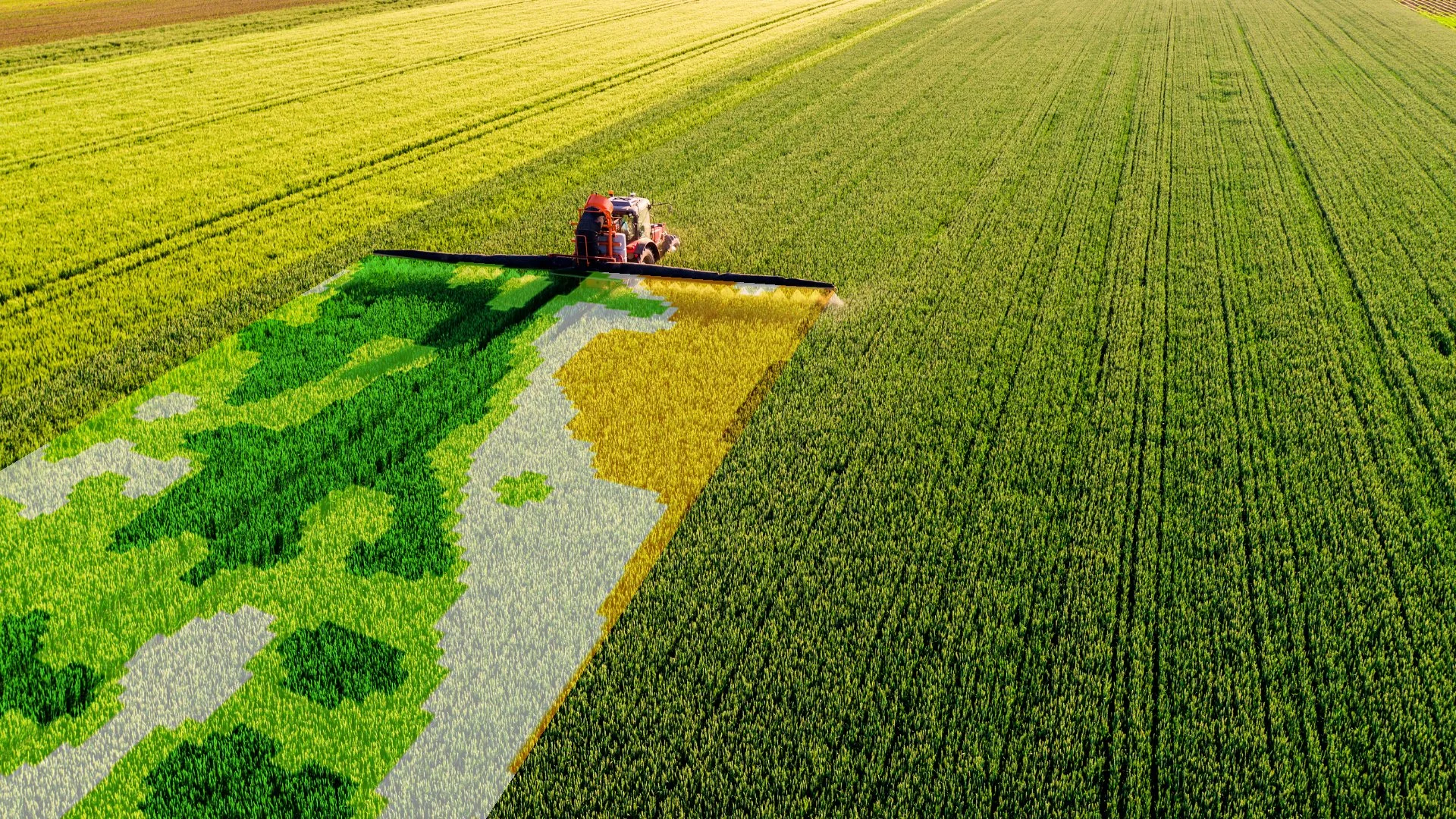
Modern agricultural operations are already using GPS, aerial imagery, moisture sensors, automation, robotics, and precision application equipment. USDA data shows how established some of these technologies have become. In 2023, 52% of midsize crop farms and 70% of large-scale crop farms used guidance and autosteering systems. Yield monitors, yield maps, and soil maps were being used by 68% of large-scale crop-producing farms.
The opportunity is that farmers don't necessarily have to purchase these technologies to benefit from them. A service provider can own the equipment, learn how to operate it efficiently, move it between farms, and sell the completed work rather than the technology itself. That is a model agriculture already understands, and new technology is expanding the number of services that can be delivered this way.
You Don’t Have to Own the Farm to Build an Ag Business
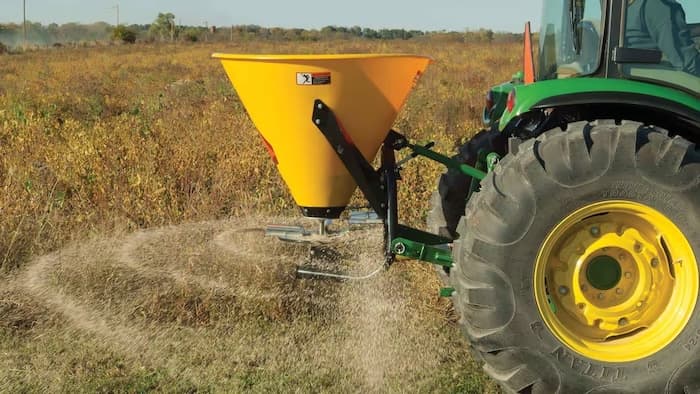
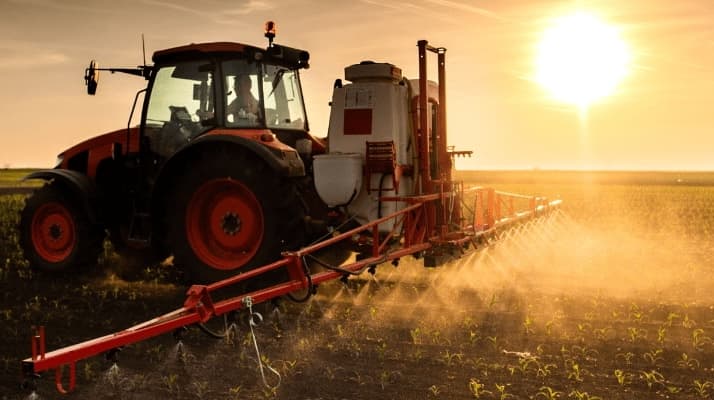
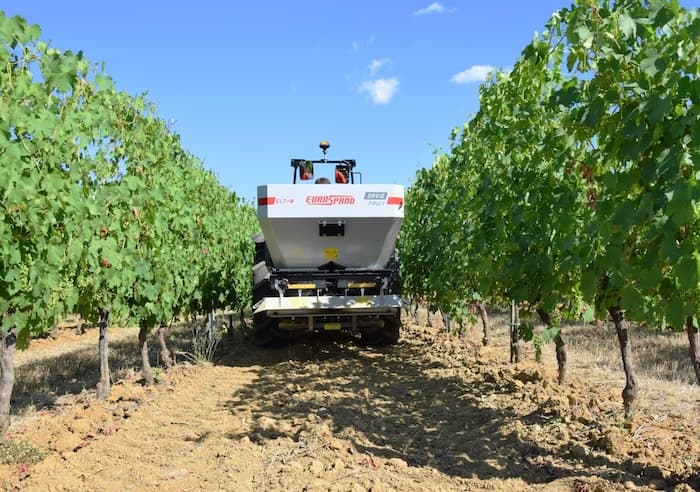
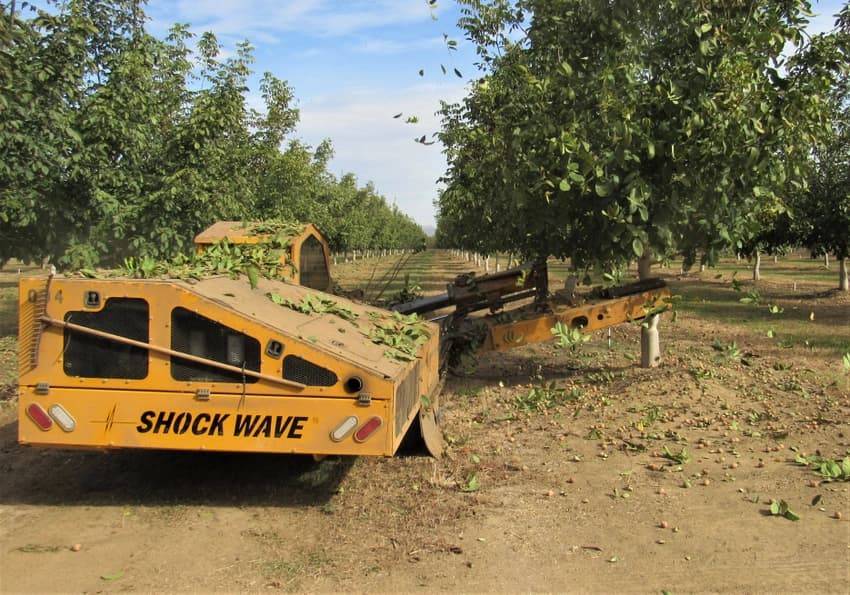
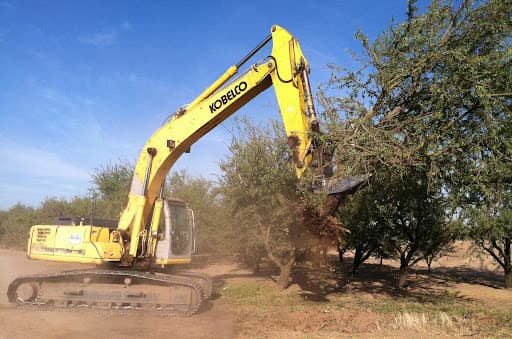
Agriculture has operated this way for generations. Custom harvesters own expensive harvesting equipment and move from farm to farm. Farm labor contractors provide crews. Agricultural aviation companies handle applications. Trucking companies move crops, and custom operators provide everything from planting and tillage to baling and manure application.
AgTech is not necessarily replacing that model. In many ways, it is expanding it. Instead of asking how someone can afford enough land and equipment to start farming, another question is: what do farmers in an area need that a new business could provide?
For someone trying to build a career in agriculture, that could mean becoming an expert in drone applications, precision irrigation, robotic weeding, autonomous equipment, field mapping, soil sampling, or another specialized service. You may not need 1,000 acres to build a business in agriculture if you can provide something valuable that 100 farms need.
Agricultural Drones Are Already Showing How This Can Work
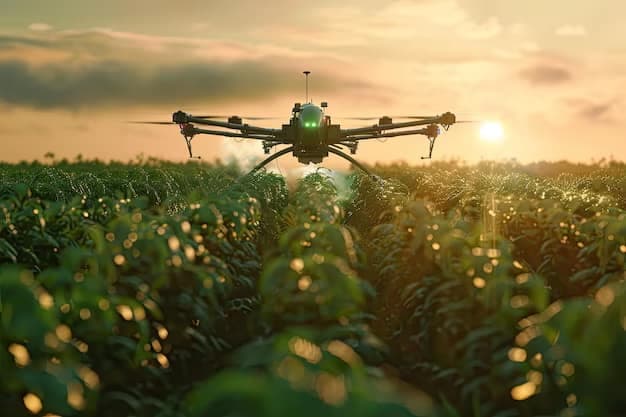
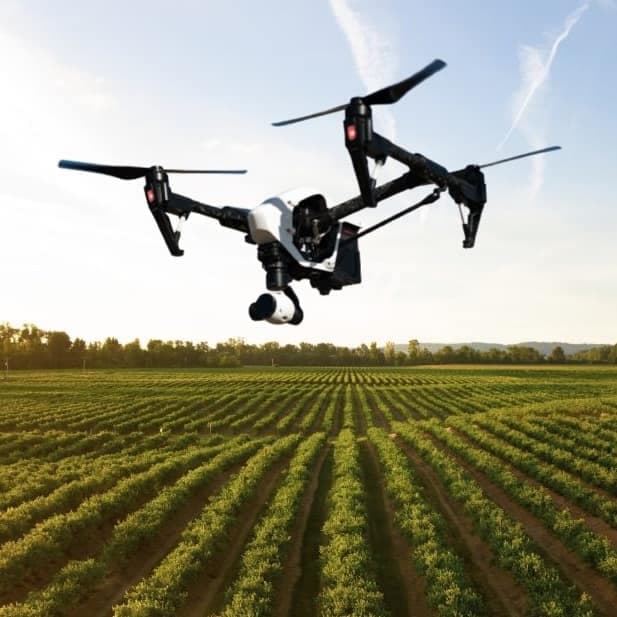
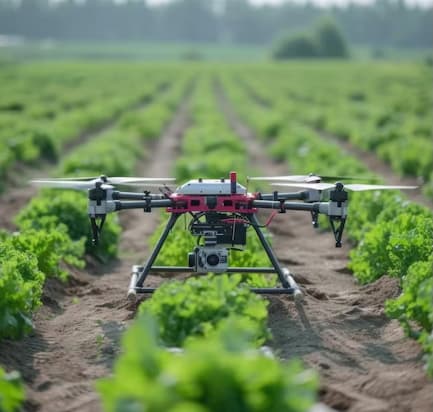
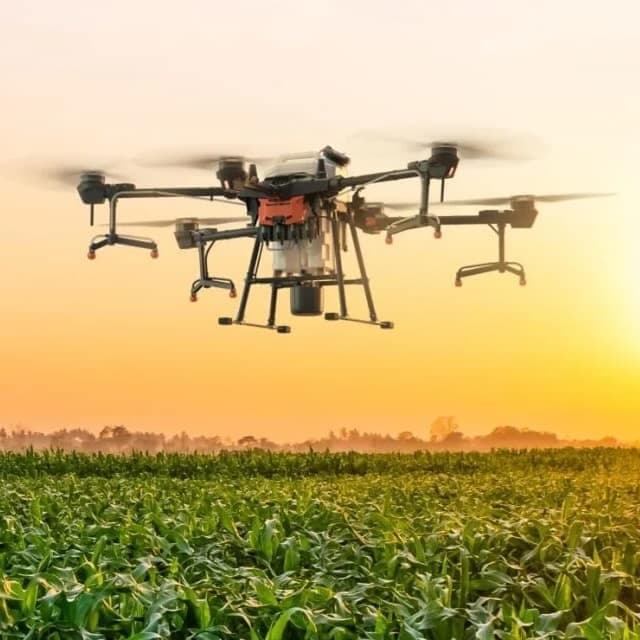
Drones are probably one of the clearest examples of this transition. Agricultural drones can be used for scouting, mapping, imagery, and increasingly for spraying and spreading applications. A farmer may want those capabilities, but owning the equipment is only part of what it takes to put it to work.
Commercial drone application involves equipment, batteries, transportation, maintenance, trained operators, aviation requirements, and potentially state pesticide licensing and application requirements. The FAA has specific requirements for agricultural dispensing operations, including Part 137 certification and additional operating requirements depending on the aircraft and operation.
For a grower who only needs drone application periodically, developing that entire capability internally may not make financial sense. A specialized operator can spread those costs and expertise across many farms. The farmer does not necessarily need another drone sitting in the shop. What the farmer really needs is someone who can get 20 acres treated when the application needs to happen.
Robotics Could Follow the Same Path
Agricultural robotics could create a similar opportunity. Robotic weeders, autonomous tractors, precision sprayers, and other specialized machines can address real problems around labor, chemical use, and field efficiency, but many also require a significant investment.
The economics can be difficult for an individual farm if a specialized machine is only needed during a limited portion of the season. Beyond the purchase price, someone has to transport it, operate it, maintain it, update it, troubleshoot it, and keep it running long enough each year to justify owning it.
Those economics can look very different for a service provider. A contractor that can move the same machine across multiple farms could keep it working across thousands of acres rather than letting it sit most of the year. Instead of selling the farmer a robot, the business sells the farmer a completed acre of weeding, spraying, cultivation, or another job. That may ultimately be one way expensive agricultural robotics becomes accessible to smaller and midsize farms.
Precision Irrigation Creates Another Opportunity
Irrigation is another agricultural trade becoming increasingly technical. Modern systems can include soil moisture sensors, weather stations, telemetry, automated valves, pump controls, remote monitoring, and software that helps determine when and how much to irrigate.
Installing the hardware is only one part of making those systems useful. Someone still needs to configure the equipment, connect the components, monitor performance, troubleshoot problems, maintain sensors, and help the grower turn that information into something useful in the field.
That creates an opportunity for traditional irrigation businesses to expand their offerings. Instead of only installing pipe, pumps, drip systems, or sprinklers, the irrigation contractor of the future may also manage automation, sensors, monitoring, and ongoing system performance. The value is not simply selling another sensor or controller. The value is making the technology actually work for the farmer.
New Opportunities Are Developing Across Agriculture
Not every new agricultural service business needs to involve artificial intelligence or an expensive robot. Some of the best opportunities may come from combining an existing agricultural trade with newer equipment, software, or specialized knowledge.
Drone application and mapping are obvious examples, but the same model can apply to precision irrigation, GPS equipment setup, soil sampling, variable-rate applications, precision spraying, crop imaging, biological applications, equipment calibration, robotic weeding, autonomous machinery, specialized harvesting, and agricultural equipment transportation. As farms become more specialized, more areas of expertise can become businesses on their own.
These opportunities will also look different depending on where someone operates. A service business working with cotton, corn, wheat, or cattle may look completely different from one serving orchards, vineyards, vegetables, potatoes, berries, or other specialty crops. That is what makes this larger than any one region. The crops change, but the opportunity to provide specialized capabilities to farmers exists across agriculture.
The Economics Can Work Better as a Service
One of the biggest challenges with agricultural technology is utilization. A piece of equipment can solve an important problem and still be a poor investment if it spends most of the year sitting in the yard. Farmers have dealt with this calculation for generations, which is one reason custom harvesting, spraying, baling, manure application, and other contracted services already make sense.
New agricultural technology makes that same calculation relevant to more equipment. If a specialized machine is needed on one farm for only five or ten days each year, that farm still has to carry the purchase price, financing, insurance, repairs, maintenance, transportation, and the risk of the technology becoming outdated.
A service provider can spread those costs across multiple customers. A machine that does not pencil out across 500 acres may make considerably more sense when the same machine can work across 10,000 acres belonging to dozens of growers. This could also give smaller farms access to technology that historically made more financial sense for large operations.
The Opportunity Isn’t Just for Tech People
When people hear AgTech, it is easy to picture software engineers, startups, and venture capital. Those people certainly have a role in developing new agricultural technology, but somebody still has to put that technology to work in an actual field.
A person who understands crops, equipment, irrigation, application work, or farm operations and is willing to learn a new technology can be incredibly valuable. Knowing how a machine works is one skill. Knowing when it should be in the field, what the grower is trying to accomplish, how conditions affect the job, and what to do when something breaks at six in the morning is another.
In some cases, the most important AgTech entrepreneur may not be the person who invented the machine. It may be the person who figures out how to turn that machine into a reliable agricultural service that farmers are willing to pay for.
Start With the Farmer’s Problem, Not the Equipment
A warning for anyone looking at these opportunities: Buying an expensive drone, robot, sensor system, or piece of equipment does not automatically create a business. Agriculture has plenty of equipment sitting around that looked useful when someone bought it.
The better place to start is with farmers. Talk to growers and find out what work they consistently struggle to get done, where labor is difficult to find, what specialized equipment they cannot justify owning, and what problems repeatedly cost them time or money. If several growers tell you they have the same problem, it is worth asking whether technology can help you provide that service more efficiently.
Before making a large investment, I would want to understand how many farms actually need the service, how many acres the equipment could realistically cover, what growers currently pay to get the work done, and how seasonal the demand will be. Licensing, insurance, transportation, maintenance, financing, and equipment support also need to be part of the calculation. Ideally, there should already be interested customers before the equipment ever shows up.
The opportunity is not the drone, robot, or sensor itself. The business opportunity is the problem it solves for the farmer.
Farmers Benefit When More of These Businesses Exist
This is an opportunity not only for entrepreneurs. Farmers benefit when a strong network of specialized agricultural businesses surrounds them because it gives them access to equipment and expertise without requiring them to carry every capability internally.
This can be especially important for smaller and midsize farms. USDA research has found that adoption of many precision technologies increases with farm size. Service providers could help close that gap by letting smaller operations buy the result instead of the technology.
A farmer may not be able to justify owning a specialized machine, hiring a dedicated operator, or building an entire technical department. That does not mean the farm should be excluded from the technology's benefits. In many cases, the more practical answer may be having someone available who can bring that capability to the farm when needed.
Agriculture Still Needs People Who Know Agriculture
Technology will continue changing farming, but I do not think that means agriculture will need fewer knowledgeable people. It may simply change what some agricultural careers look like.
We will need drone operators who understand application work, irrigation technicians who understand automation, equipment operators who can manage autonomous machinery, mechanics who understand electronics and software, and crop scouts who can interpret imagery and field data rather than simply collect it. These are still agricultural jobs, even if some of the tools look very different from what previous generations used.
The strongest businesses will probably be the ones that combine both sides. They will understand the technology, but they will also understand farming. Technology is much more valuable when the person operating it understands why the job needs to be done in the first place.
A New Way Into Agriculture
For younger people trying to enter agriculture, this creates a path that deserves more attention. Farmland is expensive, equipment is expensive, and starting a farming operation from scratch can require enormous capital before the first crop is ever harvested.
Starting a specialized service business is not necessarily cheap or easy either, but the economics can be different. Instead of acquiring hundreds or thousands of acres, someone can develop expertise in a valuable service, invest in the equipment needed to perform it, and build a customer base among farms that already exist.
That person may never own a farm, but they are still building a career in agriculture. They help growers operate, create jobs, introduce new capabilities into farming, and potentially make technologies accessible to farms that otherwise could not justify them.
The Next AgTech Opportunity Might Be a Service Business
Much attention in agriculture goes toward inventing the next machine, but there may be just as much opportunity in figuring out who will operate all the machines being invented.
The next generation of agricultural businesses could be built by farmers, equipment operators, mechanics, applicators, agronomists, entrepreneurs, and young people who recognize a recurring problem in the field and build a service around solving it. Some will use drones or robots, while others will use sensors, software, specialized equipment, or technologies not yet developed.
They will not all own farms, and they do not need to. Agriculture has always depended on businesses working alongside farmers to get the job done. AgTech is simply creating a new generation of those businesses.
Building an Agricultural Service Business?
If you already provide an agricultural service, or you are building a new business around agricultural technology, Agnomy gives you a place to put that service in front of growers who need the work done.
Service providers can build a business storefront, list the work they offer, receive quote requests, schedule jobs, communicate with customers, and manage their work in one place. Whether that business provides drone services, custom farming, irrigation, harvesting, hauling, land preparation, farm labor, precision agriculture, or another specialized service, the goal is to make it easier for farmers to find the people and capabilities available around them.
You don't have to own the farm to build a business in agriculture.