Verified Providers
Review provider profiles, ratings, and credentials before you book.
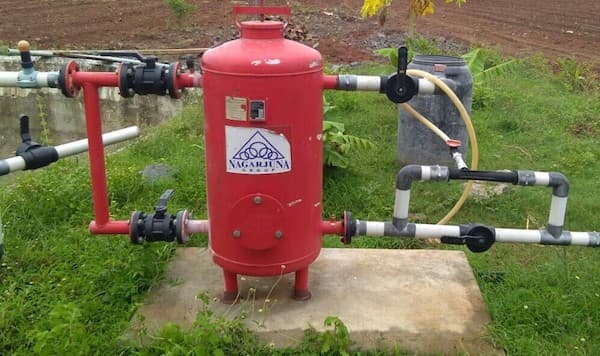
browse irrigation equipment on agnomy
Region
Willamette Valley
USDA zone
8b
Services
0
Providers
0
Find verified irrigation equipment providers, compare options, and book the right team for your operation, all in one place.
Refine your search
Search the full catalog. Every path lands on the same vetted providers.
The full catalog
Why Agnomy
Review provider profiles, ratings, and credentials before you book.
Providers know irrigation equipment timing, regional conditions, and best practices in your area.
Compare quotes from multiple providers in one place. No chasing phone calls.
Book fast with real-time availability, automated reminders, and clear status updates.
Explore the category
Browse related work under Irrigation to find the providers, services, and crops that fit your operation.
Frequently asked
What growers ask before they book irrigation equipment on Agnomy.
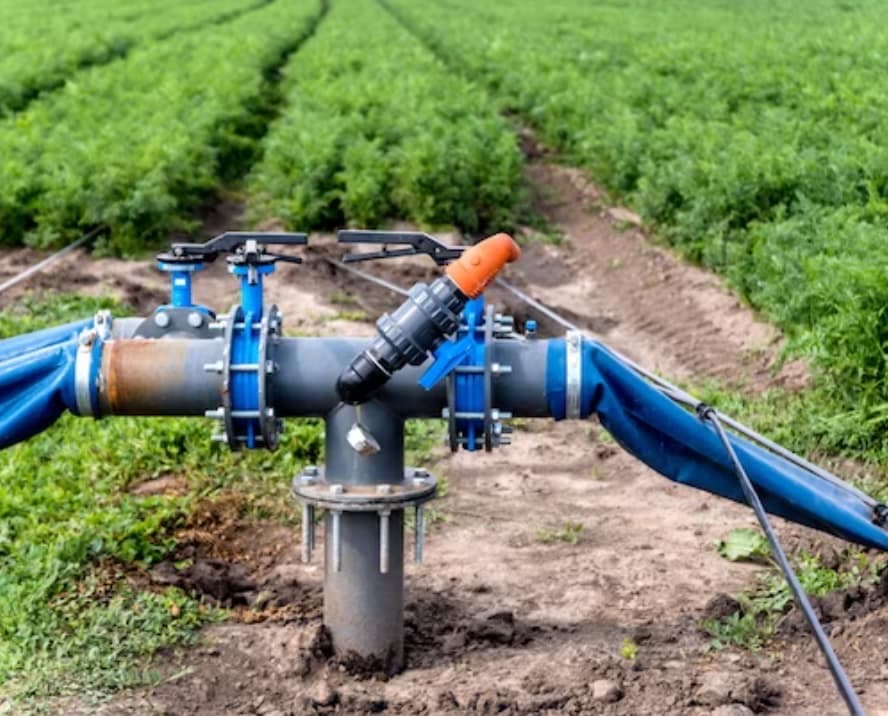
Most field and orchard systems combine a water source connection, filtration, mainlines and submains, valves, and the delivery devices like drip tubing, microsprinklers, or sprinklers. Pressure regulators, flush valves, and air vents keep the system running evenly. The right mix depends on crop spacing, water quality, and field layout.
Irrigation filters should be checked regularly and flushed whenever the pressure differential across them rises, often weekly during peak season. Sand media, screen, and disc filters each need periodic backflushing or manual cleaning to prevent emitter clogging. Dirty water and heavy algae loads call for more frequent attention.
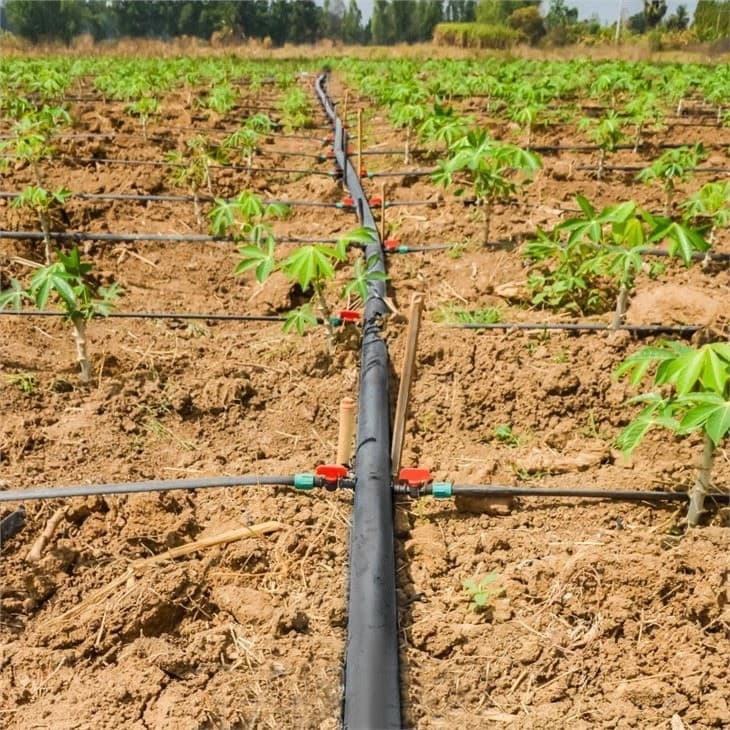
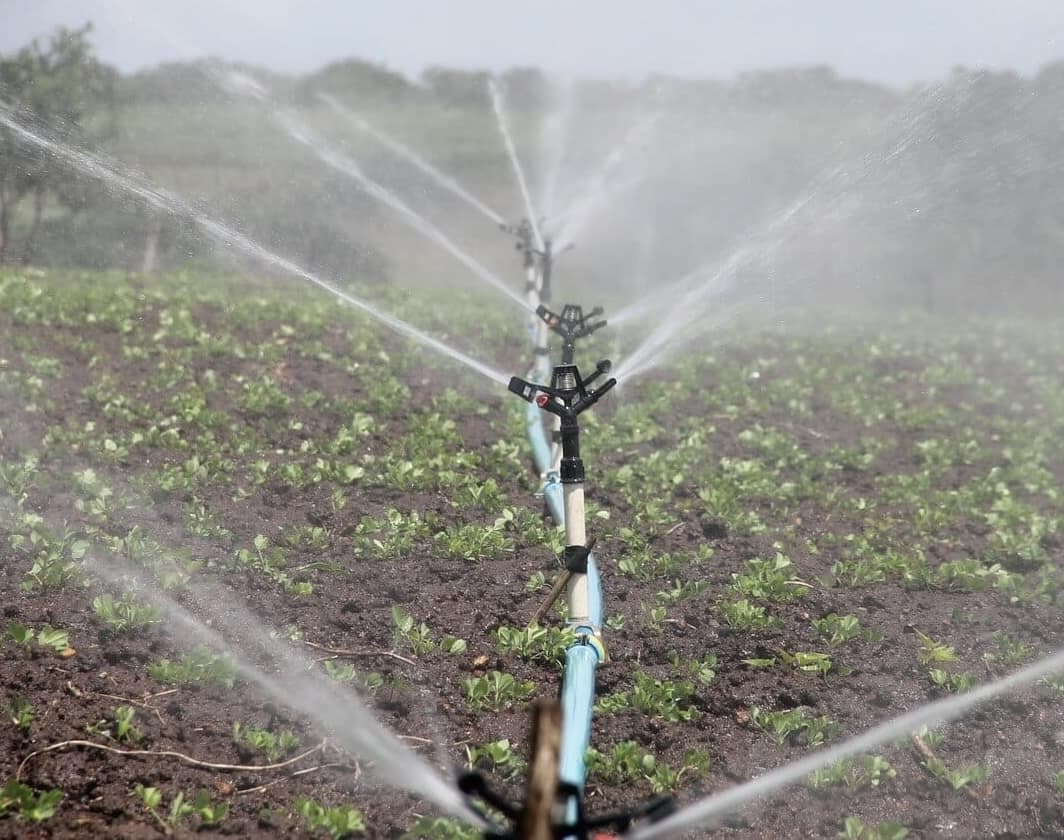
Drip irrigation delivers water slowly through emitters directly to the root zone, while microsprinklers spray a small wetted area around each tree or plant. Drip uses less water and suits row crops and vines, while microsprinklers wet more soil and help with frost protection and young orchards. Many growers match the method to crop type and soil.
Quality drip tubing commonly lasts 7 to 15 years, with thicker-walled and subsurface lines often reaching the longer end. Lifespan depends on water quality, sun exposure, rodent pressure, and how well the system is flushed and maintained. Thin surface tape on annual crops is usually replaced every season or two.
Ready when you are
Connect with verified providers and request quotes in minutes.
Irrigation Equipment in Albany
From the blog
Field notes, seasonal guides, and grower interviews — straight from the team.
 Industry News
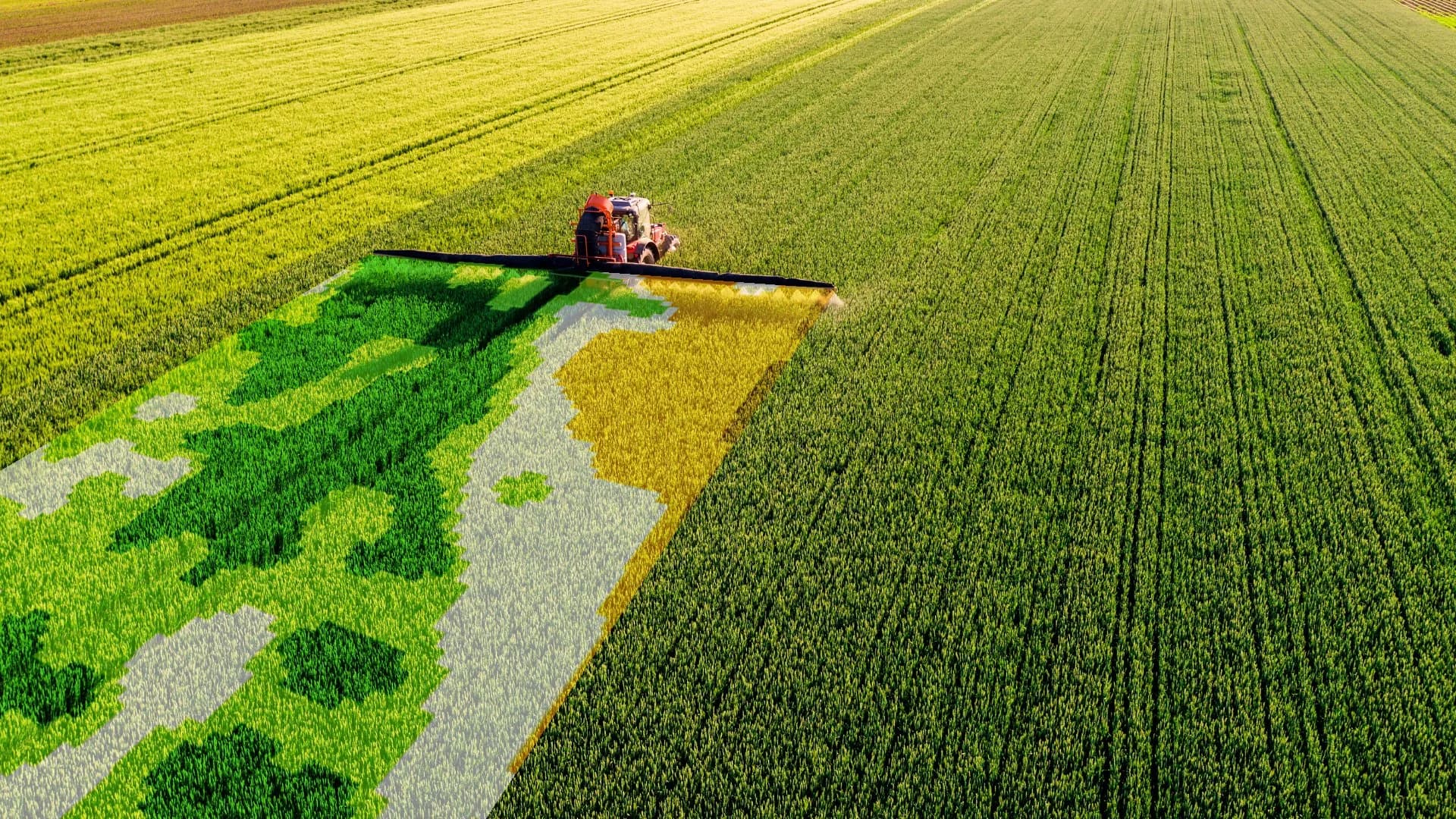
You don't have to own a farm to build a business in agriculture. Drones, robotics, precision irrigation, autonomous equipment, and other AgTech are creating a new generation of agricultural service businesses that bring specialized equipment and expertise directly to farmers.
 Industry News
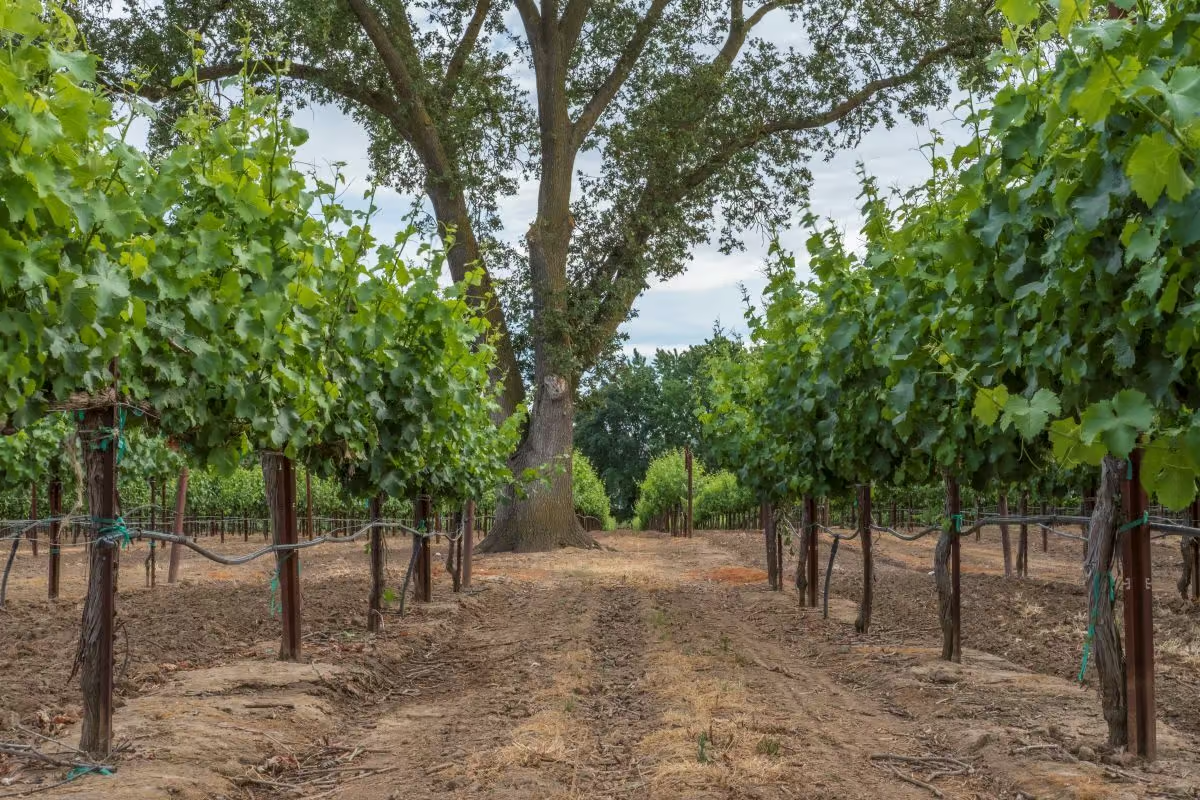
California's wine grape industry is going through a major correction as weak demand, excess inventory, rising costs, and fewer contracts push growers to remove vineyards. We look at the latest California and Lodi numbers, available vineyard removal assistance, and what growers should consider next.
 Industry News
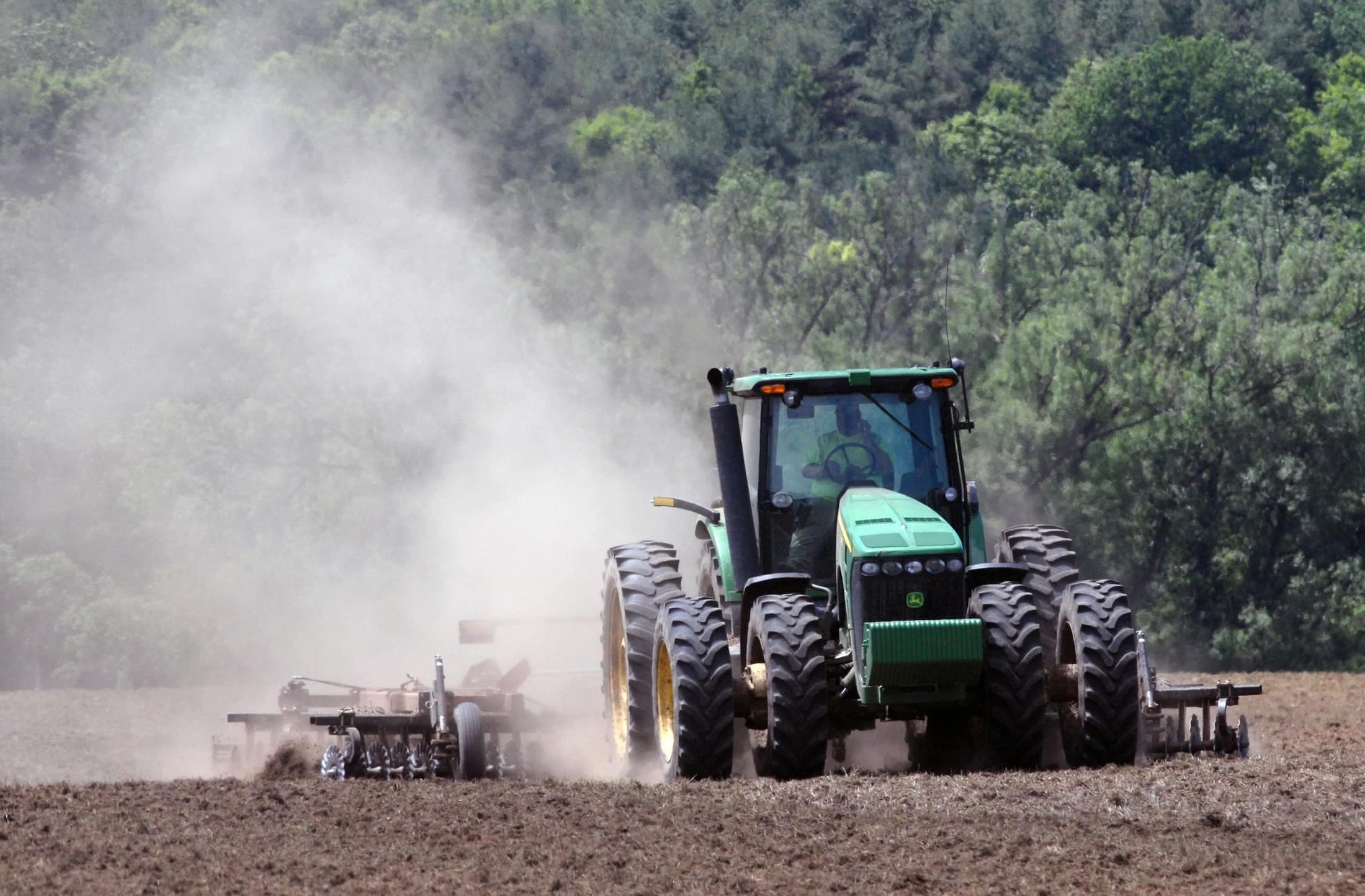
Rising equipment costs, tight labor, specialized technology, and narrow operating windows are changing how farms get work done. More growers are turning to agricultural service providers for equipment, labor, technology, and expertise when they need it.
Showing 0 of 0 services with a provider within 50 mi of Albany.