Verified Providers
Review provider profiles, ratings, and credentials before you book.
browse the nursery catalog
Region
Hood River Valley
USDA zone
7b
Services
0
Providers
0
Find verified nursery providers, compare options, and book the right team for your operation, all in one place.
Refine your search
Drill into a focus area or search the full catalog. Every path lands on the same vetted providers.
By focus area
1 subcategory under Nursery — each one bundles the providers, services, and crops most relevant to that focus area.
The full catalog
Why Agnomy
Review provider profiles, ratings, and credentials before you book.
Providers know nursery timing, regional conditions, and best practices in your area.
Compare quotes from multiple providers in one place. No chasing phone calls.
Book fast with real-time availability, automated reminders, and clear status updates.
Explore the catalog
See the full range of ag work available in Hood River. Jump into another category to find the providers, services, and crops that fit your operation.
Browse another category
Frequently asked
What growers ask before they book nursery services on Agnomy.
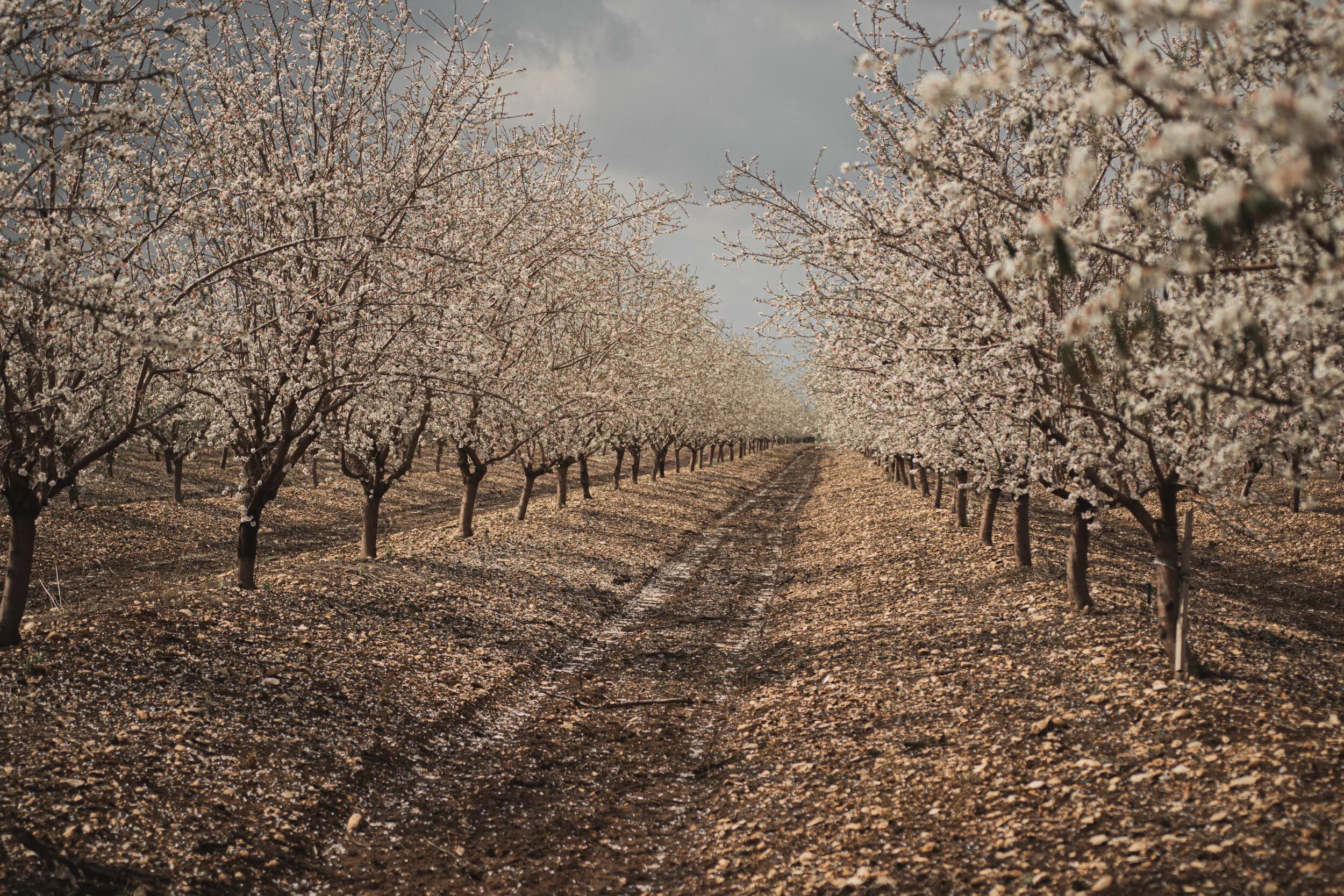
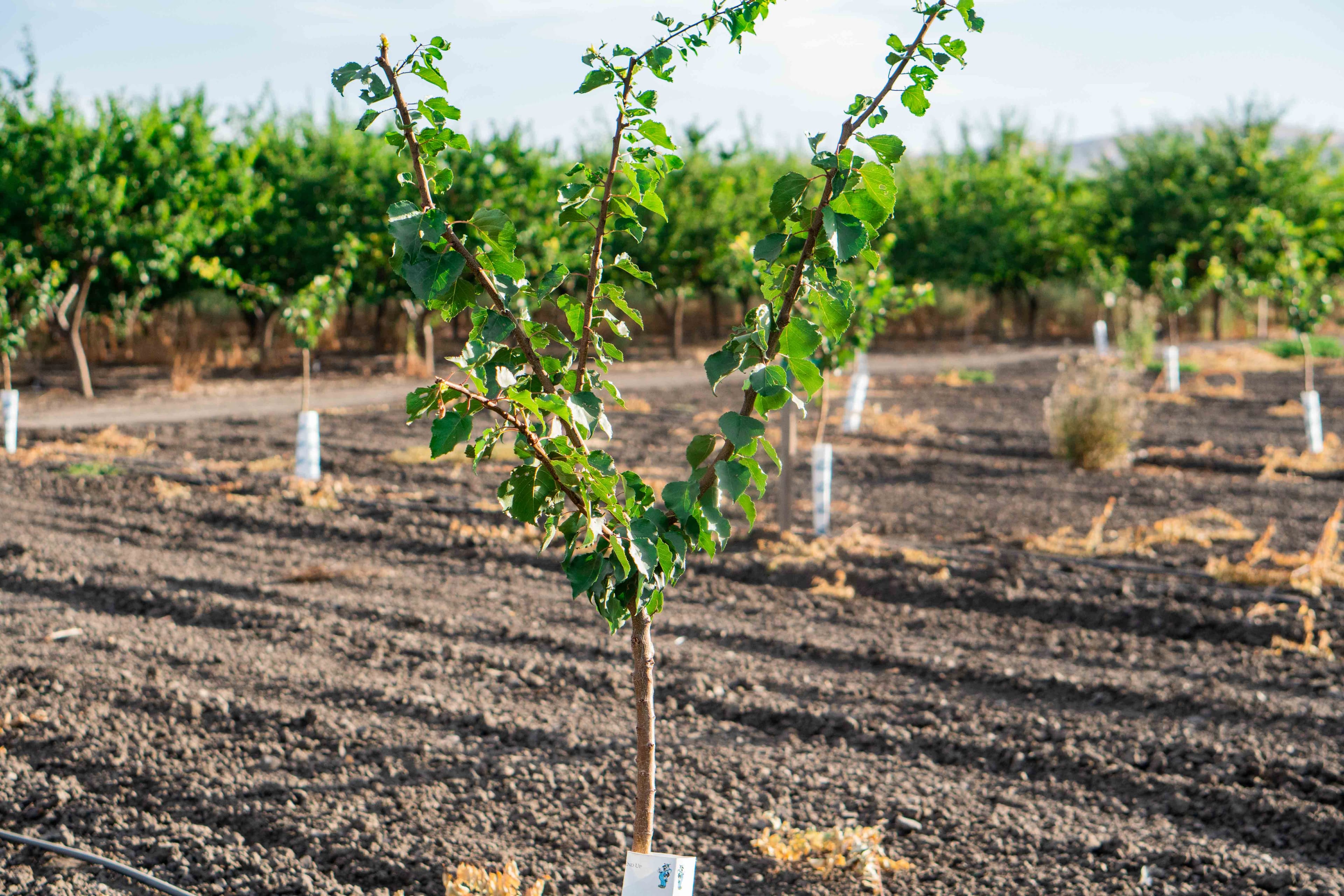
Bare-root planting uses dormant young trees that are dug and shipped without soil around the roots, usually deciduous fruit and nut trees. Because the trees are dormant, they transplant with little shock and establish new roots over winter to support spring growth. Bare-root stock is also cheaper to ship and handle than potted trees. It is a common, cost-effective way for California orchard growers to plant new blocks.
Bare-root season in California runs through the dormant winter months, roughly December into early spring. Nurseries dig trees in late fall after they drop their leaves and hold them in cold storage until planting. Selection is widest early in the season, when nurseries carry the most varieties. Planting during dormancy gives roots time to establish before the spring flush of growth.
Bare-root trees are sold dormant with no soil on the roots, while potted or containerized trees come with an established root ball in soil. Bare-root stock is less expensive, easier to transport, and limited to the dormant season, whereas potted trees can be planted across a longer window. Bare-root trees often establish quickly because the roots contact native soil directly. The right choice depends on planting timing and the species.
An agricultural nursery propagates and grows young plants, then supplies them as seedlings, transplants, or bare-root and potted trees to farms. Wholesale nurseries specialize in commercial varieties and rootstocks suited to a region, such as almond, walnut, and stone fruit trees for California growers. Many also offer cold storage, custom propagation, and guidance on variety and rootstock selection. This gives growers healthy, true-to-type stock to start a planting.
Ready when you are
Connect with verified providers and request quotes in minutes.
Nursery in Hood River
From the blog
Field notes, seasonal guides, and grower interviews — straight from the team.
 Industry News
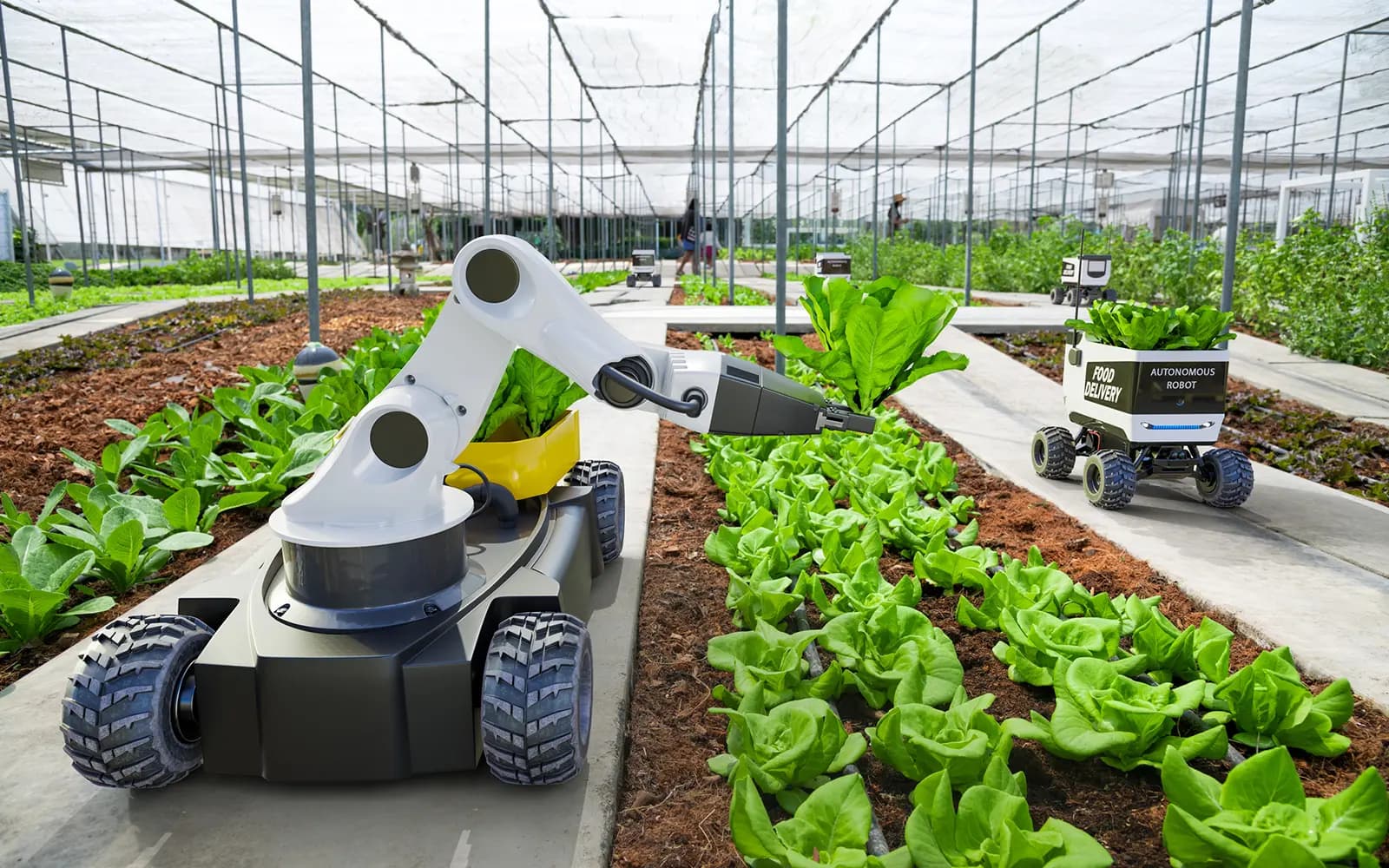
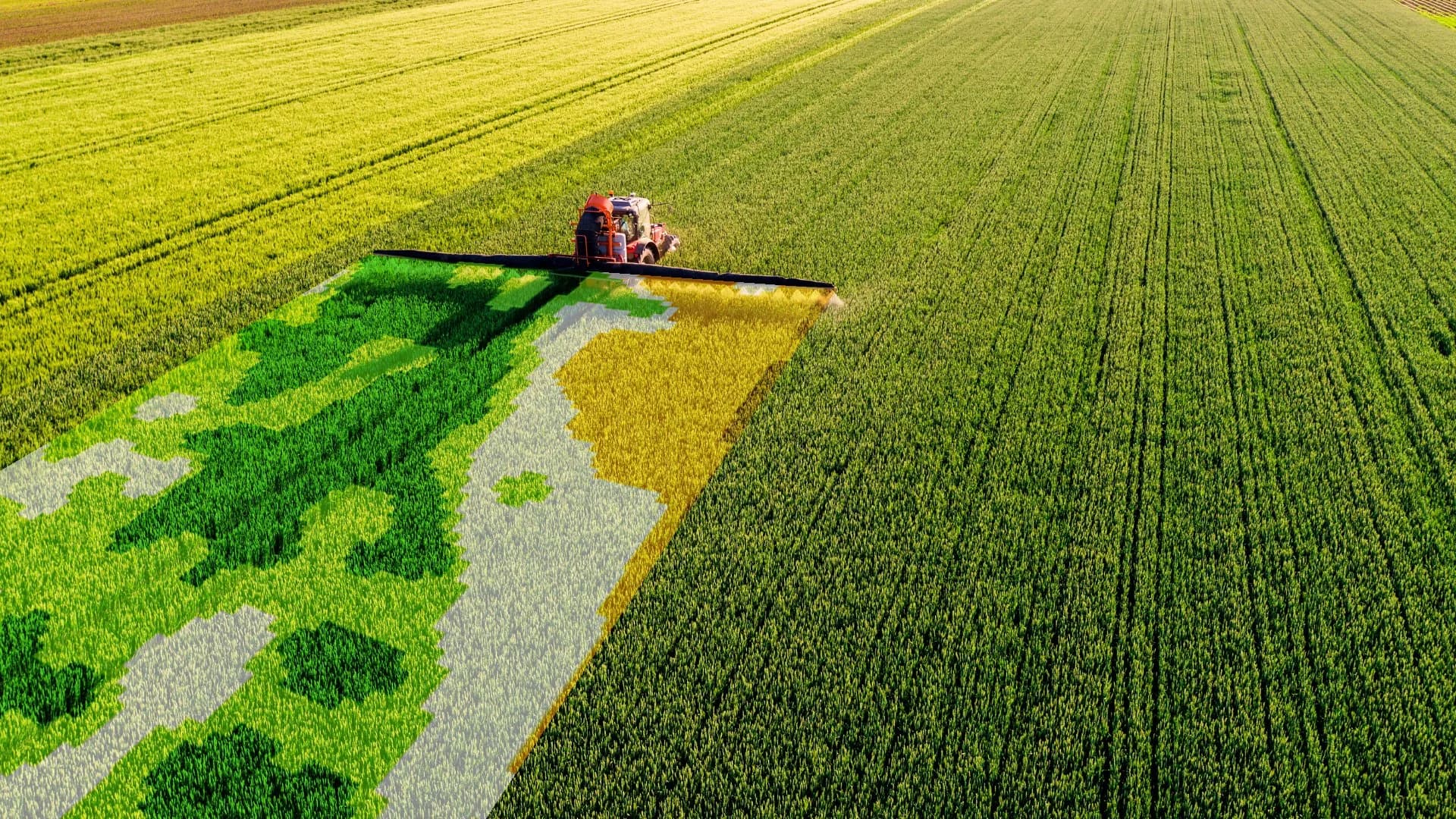
You don't have to own a farm to build a business in agriculture. Drones, robotics, precision irrigation, autonomous equipment, and other AgTech are creating a new generation of agricultural service businesses that bring specialized equipment and expertise directly to farmers.
 Industry News
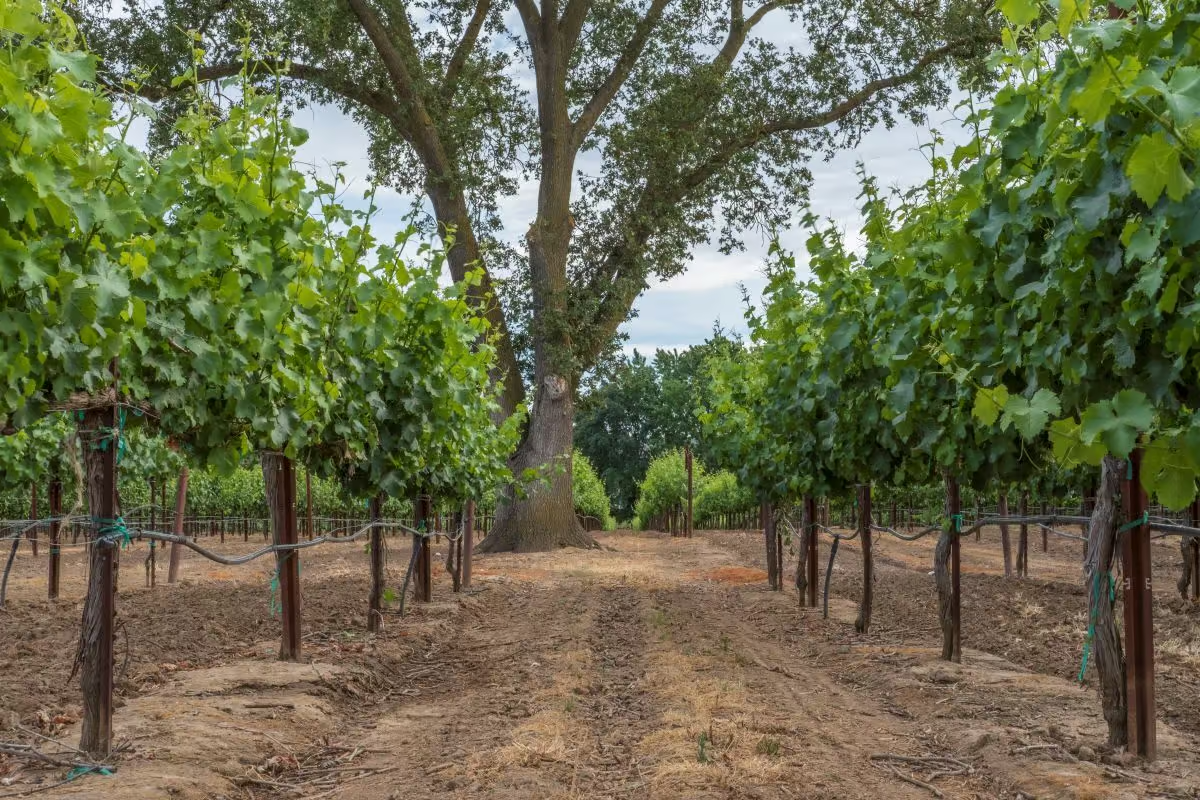
California's wine grape industry is going through a major correction as weak demand, excess inventory, rising costs, and fewer contracts push growers to remove vineyards. We look at the latest California and Lodi numbers, available vineyard removal assistance, and what growers should consider next.
 Industry News
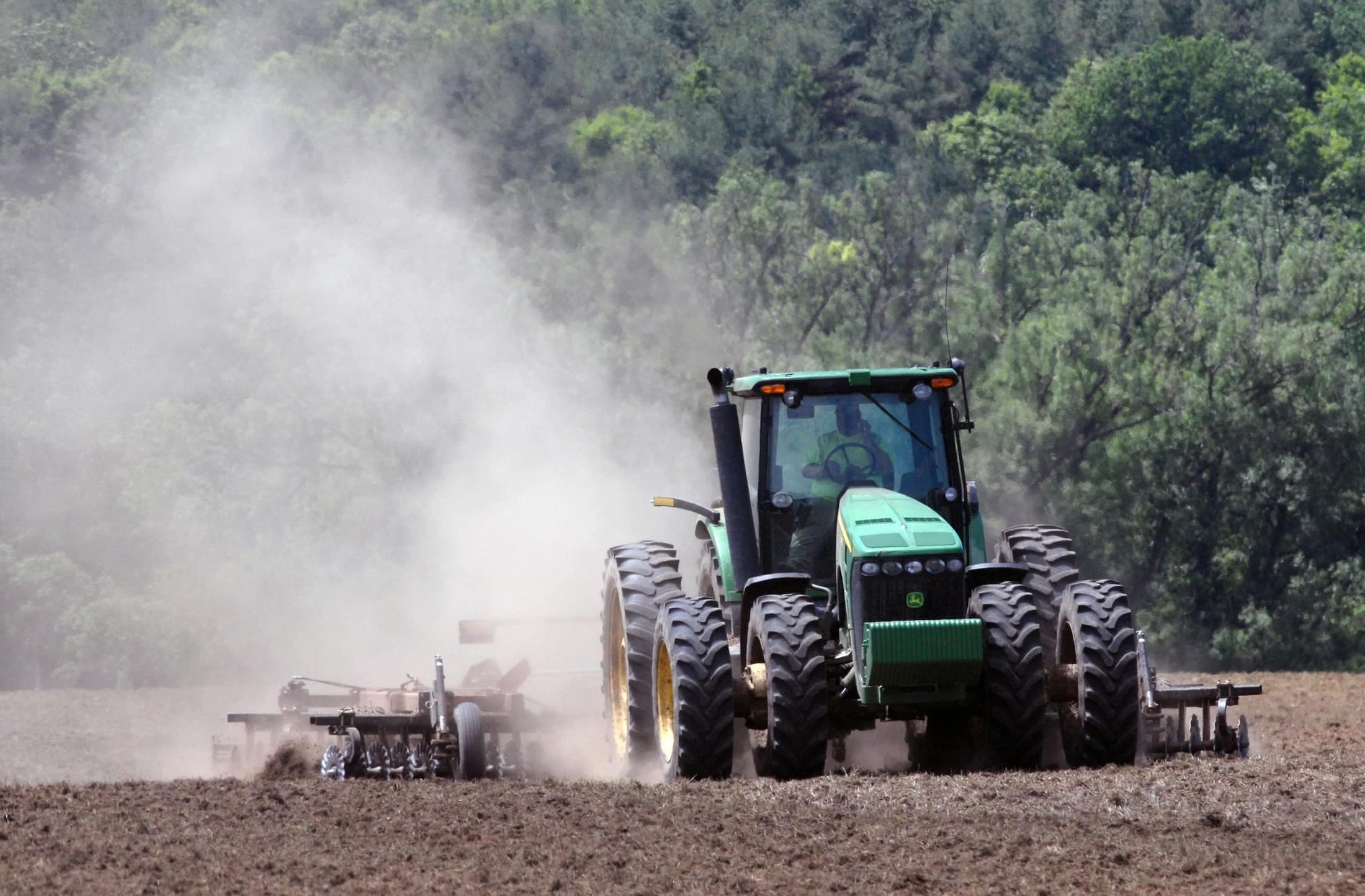
Rising equipment costs, tight labor, specialized technology, and narrow operating windows are changing how farms get work done. More growers are turning to agricultural service providers for equipment, labor, technology, and expertise when they need it.
Showing 0 of 0 services with a provider within 50 mi of Hood River.