Verified Providers
Review provider profiles, ratings, and credentials before you book.
browse smart irrigation on agnomy
Region
Central Oregon
USDA zone
6b
Services
0
Providers
0
Find verified smart irrigation providers, compare options, and book the right team for your operation, all in one place.
Refine your search
Search the full catalog. Every path lands on the same vetted providers.
The full catalog
Why Agnomy
Review provider profiles, ratings, and credentials before you book.
Providers know smart irrigation timing, regional conditions, and best practices in your area.
Compare quotes from multiple providers in one place. No chasing phone calls.
Book fast with real-time availability, automated reminders, and clear status updates.
Explore the category
Browse related work under AgTech to find the providers, services, and crops that fit your operation.
More in AgTech
Frequently asked
What growers ask before they book smart irrigation on Agnomy.
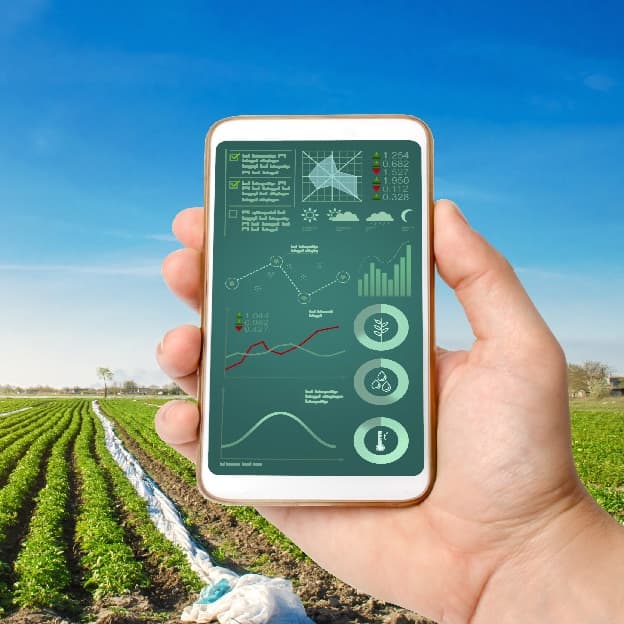
Smart irrigation uses sensors and weather data to decide when and how much to water instead of running on a fixed timer. Soil moisture sensors track moisture in the root zone, while ET controllers adjust schedules from local evapotranspiration data. The system waters only when the crop needs it, which saves water and protects yield.
ET-based scheduling sets watering from evapotranspiration, the combined water lost from soil evaporation and plant transpiration. Controllers pull local weather data to estimate daily crop water use and replace just that amount. This keeps the root zone supplied without overwatering and adapts automatically as weather changes.
Smart irrigation can cut outdoor water use by roughly 20 to 50 percent compared with fixed schedules, depending on crop, soil, and how the system was managed before. Savings come from avoiding watering after rain and matching applications to actual crop demand. Lower water use also reduces pumping energy costs.
Soil moisture sensors should sit in the active root zone, in a representative spot away from edges, emitters, and unusual soil. Many growers install sensors at two or three depths to track how water moves through the profile. Correct placement and calibration are what make the readings useful for scheduling.
Ready when you are
Connect with verified providers and request quotes in minutes.
Smart Irrigation in Madras
From the blog
Field notes, seasonal guides, and grower interviews — straight from the team.
 Industry News
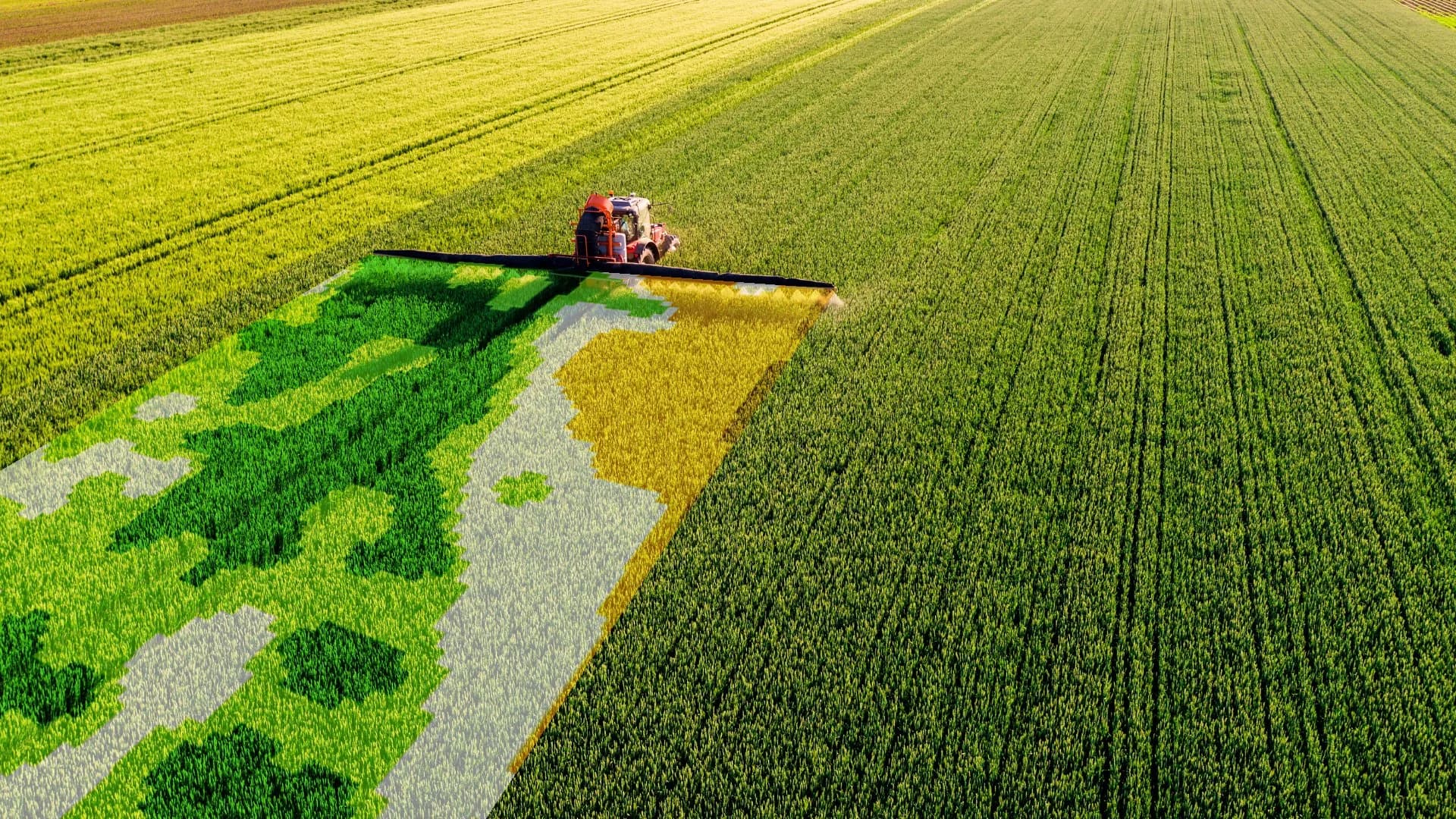
You don't have to own a farm to build a business in agriculture. Drones, robotics, precision irrigation, autonomous equipment, and other AgTech are creating a new generation of agricultural service businesses that bring specialized equipment and expertise directly to farmers.
 Industry News
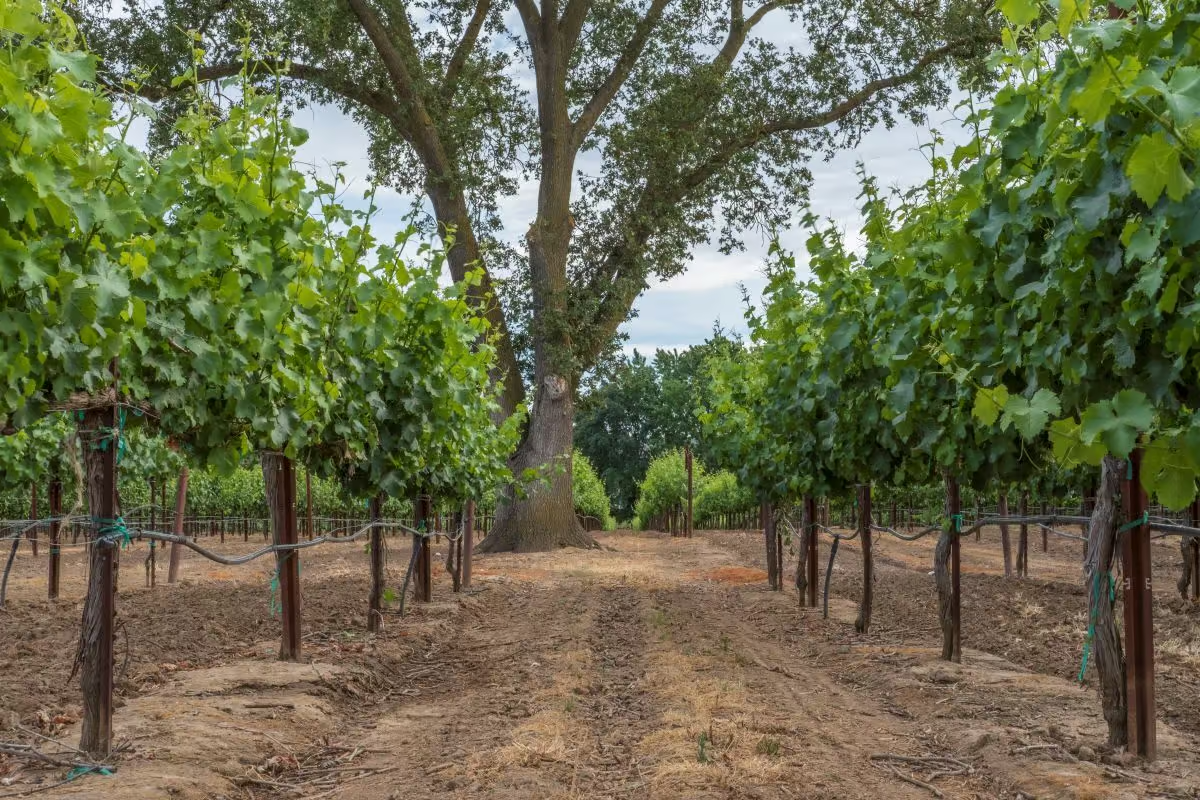
California's wine grape industry is going through a major correction as weak demand, excess inventory, rising costs, and fewer contracts push growers to remove vineyards. We look at the latest California and Lodi numbers, available vineyard removal assistance, and what growers should consider next.
 Industry News
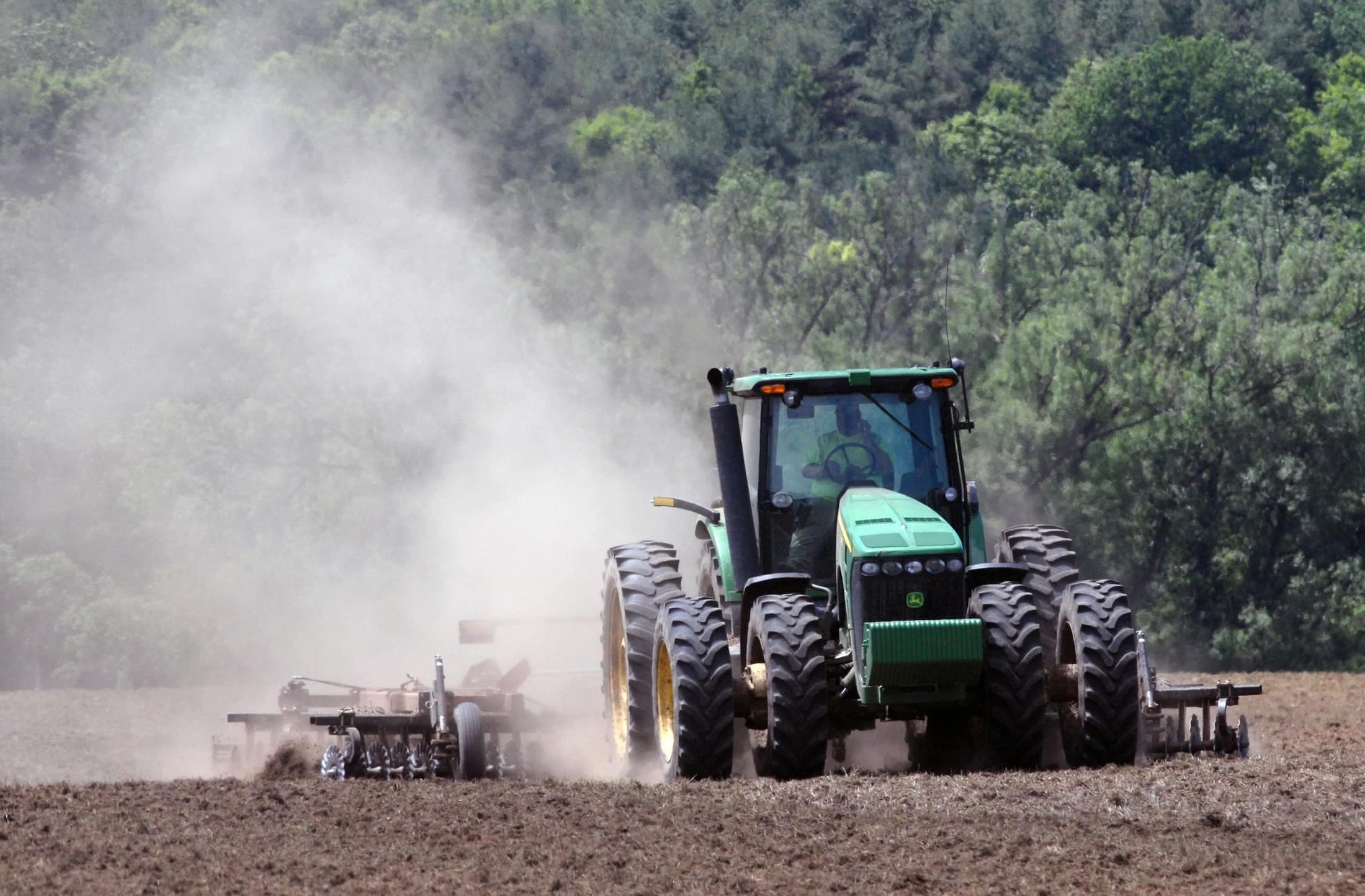
Rising equipment costs, tight labor, specialized technology, and narrow operating windows are changing how farms get work done. More growers are turning to agricultural service providers for equipment, labor, technology, and expertise when they need it.
Showing 0 of 4 services with a provider within 50 mi of Madras.

We're actively growing our network in Madras. Tell us what you need and Agnomy will find a provider and send you a quote.
Click here to provide services