Verified Providers
Review provider profiles, ratings, and credentials before you book.
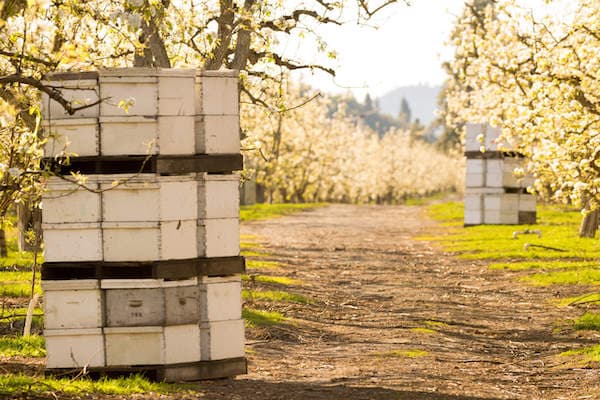
browse ag pollination on agnomy
Region
Pacific Northwest
USDA zone
4a–9b
Services
0
Providers
0
Find verified ag pollination providers, compare options, and book the right team for your operation, all in one place.
Refine your search
Search the full catalog. Every path lands on the same vetted providers.
The full catalog
Why Agnomy
Review provider profiles, ratings, and credentials before you book.
Providers know ag pollination timing, regional conditions, and best practices in your area.
Compare quotes from multiple providers in one place. No chasing phone calls.
Book fast with real-time availability, automated reminders, and clear status updates.
Frequently asked
What growers ask before they book ag pollination on Agnomy.
California almond growers typically pay about $200 to $250 per strong hive for the 2025 to 2026 season, and most orchards stock around two hives per acre, so budget roughly $400 to $500 per acre. Weaker colonies with fewer frames of bees rent for less. Prices move with colony strength, demand, and how early you contract.
Most California almond orchards use about two hives per acre, though some self-fertile varieties and high-density plantings call for 2.5 to 3. Stronger colonies with eight or more frames of bees do more pollinating work, so frame strength matters as much as hive count. A good contract specifies minimum frame counts, not just hive numbers.
Almond bloom runs roughly February 10 to March 10, peaking in mid-February. Hives are placed as the first blossoms open and stay until petal fall, usually two to three weeks. Bees forage best above about 55 degrees, so warm, calm days during bloom drive the best nut set.
A solid contract specifies the number of hives, a minimum average frame strength such as eight frames, placement and removal dates, and access for hive inspections. It should also cover grading rights, pricing, and protection from pesticide sprays during bloom. Booking managed pollination through Agnomy connects you with vetted beekeepers who meet these standards.
Ready when you are
Connect with verified providers and request quotes in minutes.
Ag Pollination in Oregon
From the blog
Field notes, seasonal guides, and grower interviews — straight from the team.
 Industry News
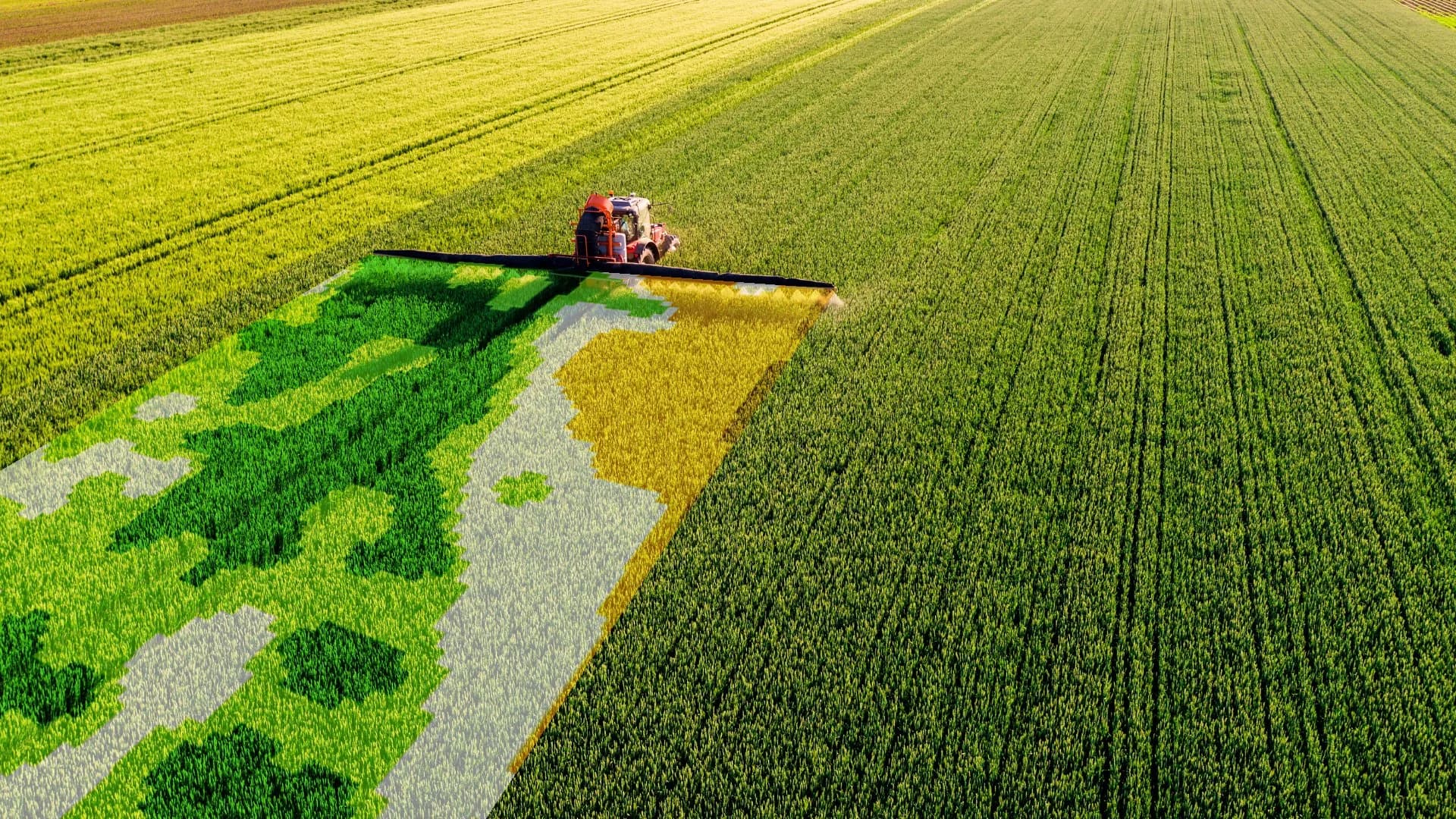
You don't have to own a farm to build a business in agriculture. Drones, robotics, precision irrigation, autonomous equipment, and other AgTech are creating a new generation of agricultural service businesses that bring specialized equipment and expertise directly to farmers.
 Industry News
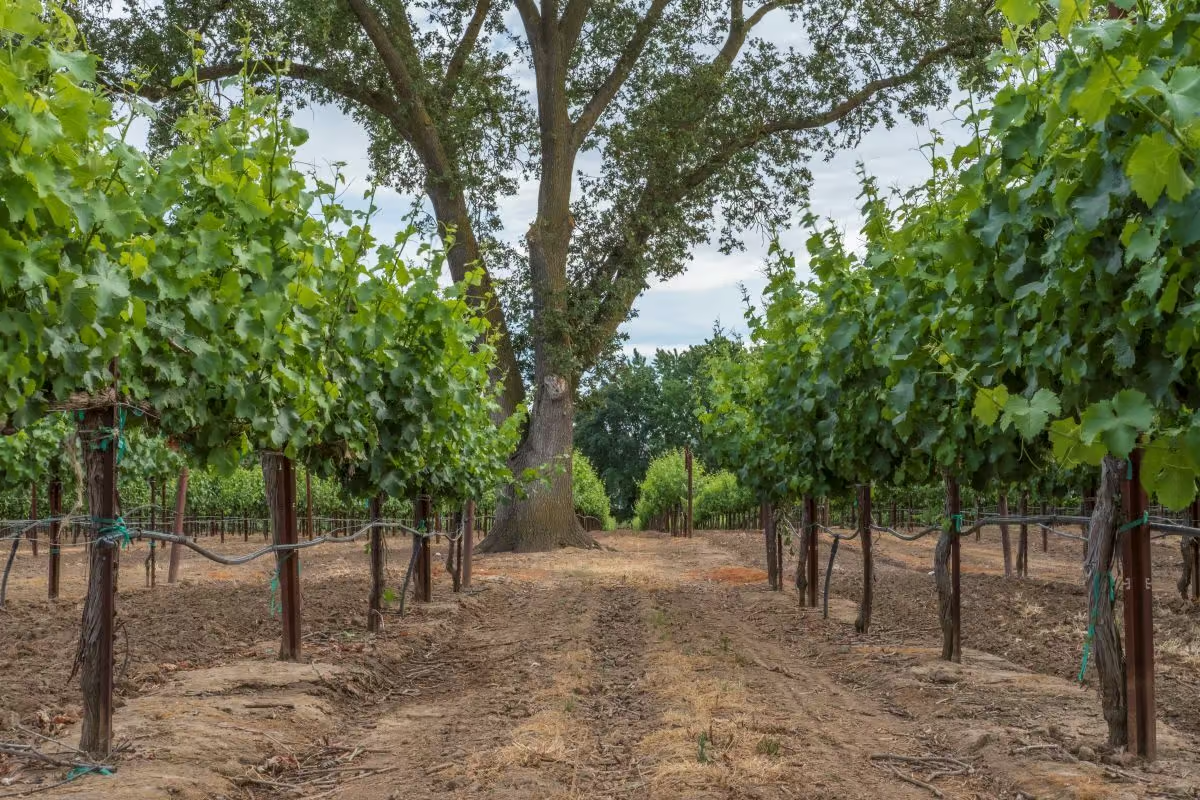
California's wine grape industry is going through a major correction as weak demand, excess inventory, rising costs, and fewer contracts push growers to remove vineyards. We look at the latest California and Lodi numbers, available vineyard removal assistance, and what growers should consider next.
 Industry News
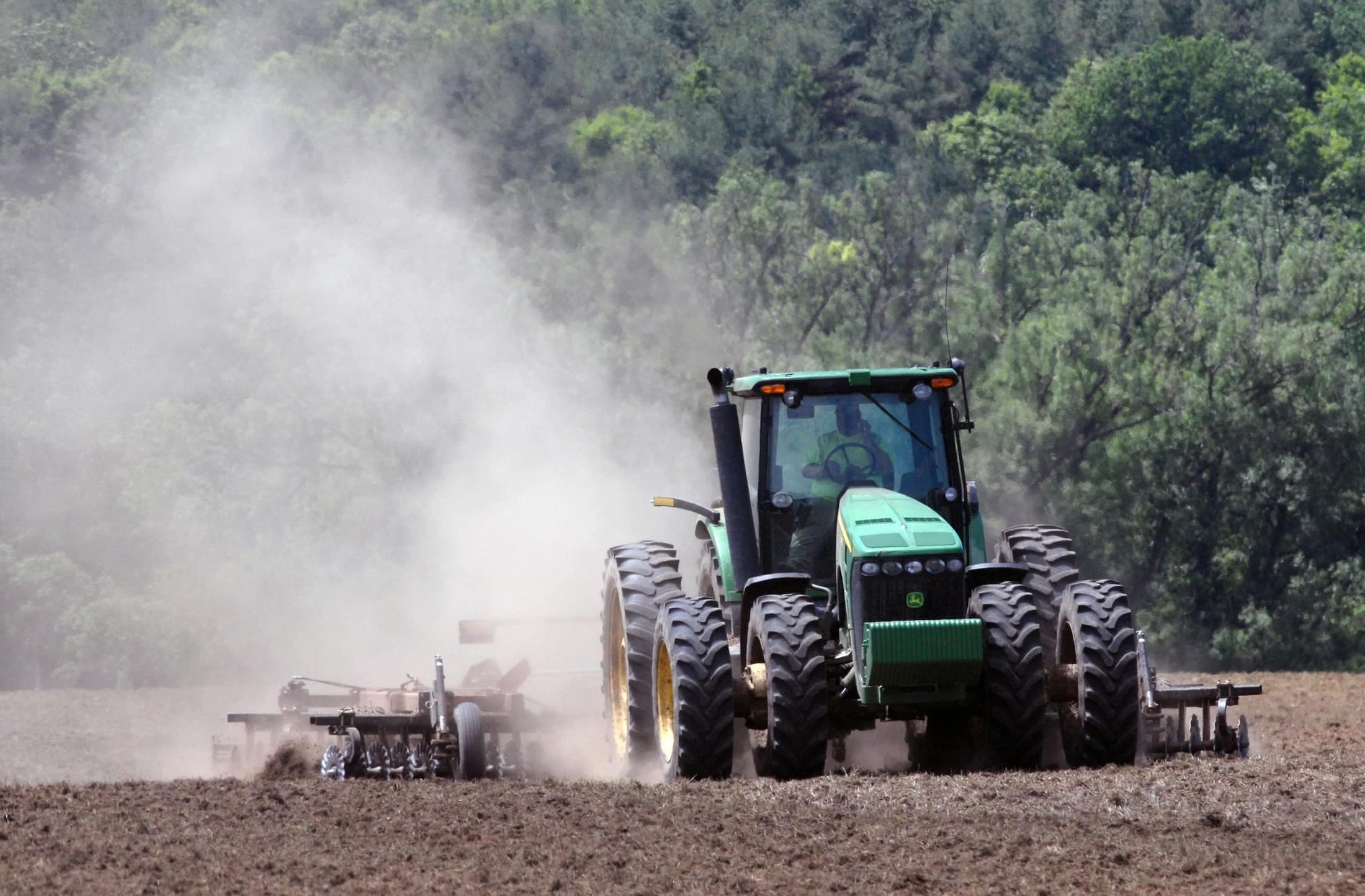
Rising equipment costs, tight labor, specialized technology, and narrow operating windows are changing how farms get work done. More growers are turning to agricultural service providers for equipment, labor, technology, and expertise when they need it.