Verified Providers
Review provider profiles, ratings, and credentials before you book.
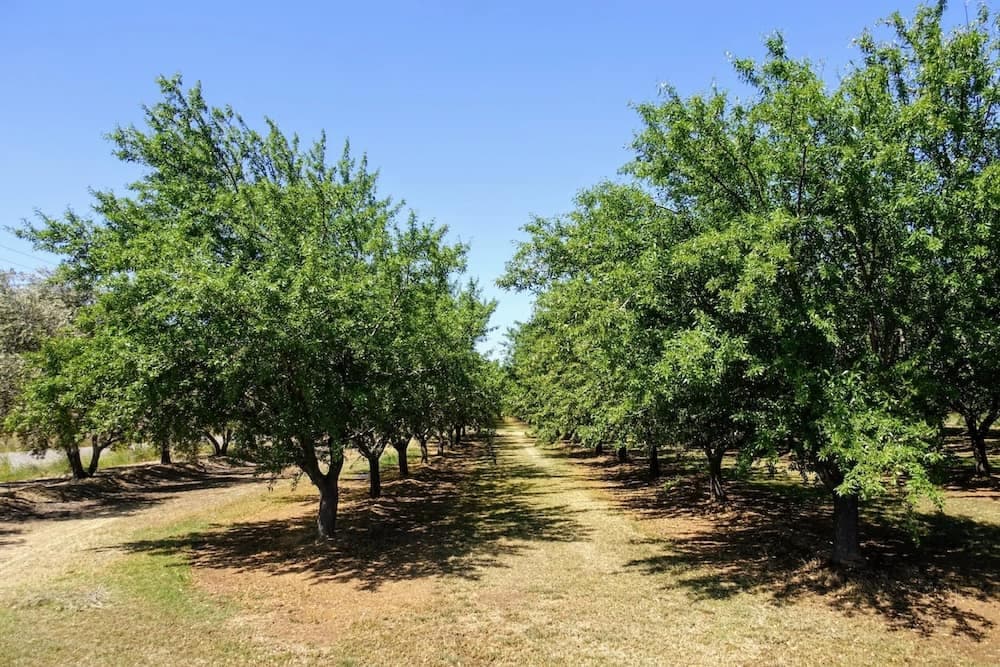
browse almond trees on agnomy
Region
Pacific Northwest
USDA zone
4a–9b
Services
0
Providers
0
Find verified almond trees providers, compare options, and book the right team for your operation, all in one place.
Refine your search
Search the full catalog. Every path lands on the same vetted providers.
The full catalog
Why Agnomy
Review provider profiles, ratings, and credentials before you book.
Providers know almond trees timing, regional conditions, and best practices in your area.
Compare quotes from multiple providers in one place. No chasing phone calls.
Book fast with real-time availability, automated reminders, and clear status updates.
Frequently asked
What growers ask before they book almond trees on Agnomy.
Almond trees are planted as dormant, bare-root nursery stock in winter, typically December through February before bud break. Trees are staked and irrigated right away, then put on a regular fertilization and irrigation program once growth begins. Dormant-season planting lets the roots establish before the first warm spell.
Most California almond orchards plant between 120 and 160 trees per acre, with common spacings around 22 feet between rows and 14 to 16 feet down the row. Tighter spacing suits upright, less vigorous varieties, while bushier types like Nonpareil and Monterey need wider rows for equipment access. Layout is chosen to maximize light interception without crowding.
Almond trees begin bearing a small crop in their third year and reach full production around years five to seven. A well-managed orchard then produces for roughly 20 to 25 years. Training, irrigation, and nutrition during the first three years set the structure and vigor that drive long-term yield.
Most almond varieties are self-incompatible and need a compatible pollinizer planted nearby, plus bees, to set a crop. Growers traditionally interplant a variety like Nonpareil with pollinizers that bloom at the same time. Self-fertile varieties such as Independence can be planted solid, reducing pollinizer and bee requirements.
Ready when you are
Connect with verified providers and request quotes in minutes.
Almond Trees in Oregon
From the blog
Field notes, seasonal guides, and grower interviews — straight from the team.
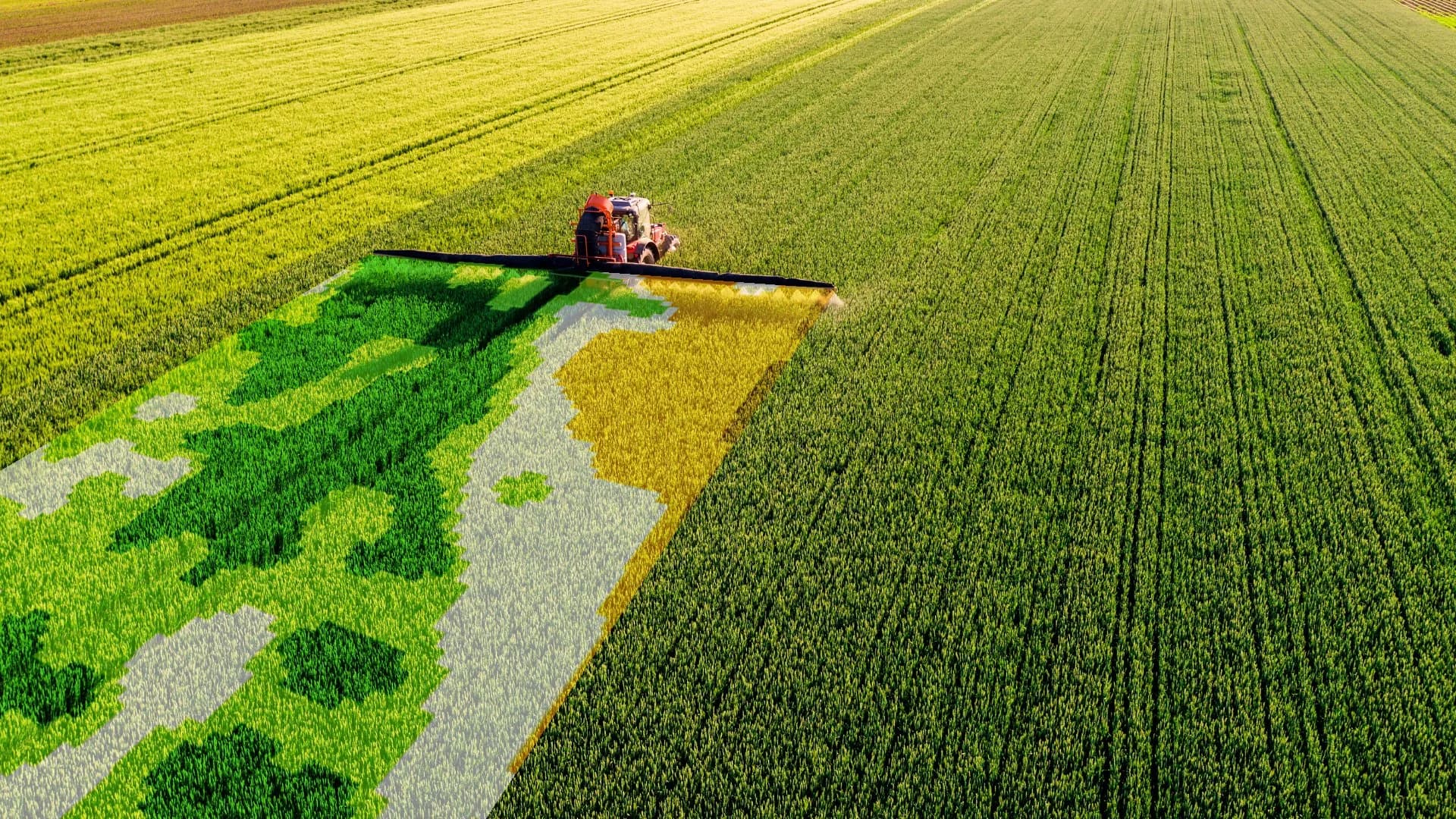 Industry News
You don't have to own a farm to build a business in agriculture. Drones, robotics, precision irrigation, autonomous equipment, and other AgTech are creating a new generation of agricultural service businesses that bring specialized equipment and expertise directly to farmers.
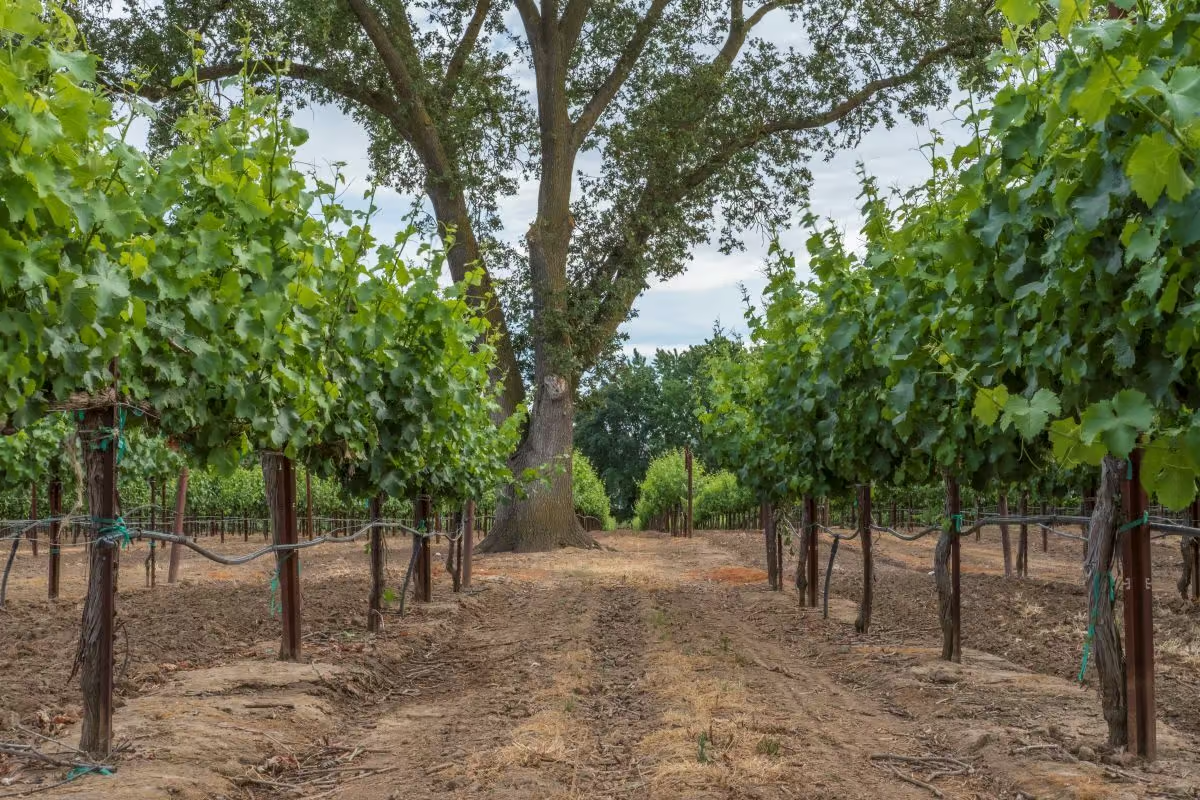 Industry News
California's wine grape industry is going through a major correction as weak demand, excess inventory, rising costs, and fewer contracts push growers to remove vineyards. We look at the latest California and Lodi numbers, available vineyard removal assistance, and what growers should consider next.
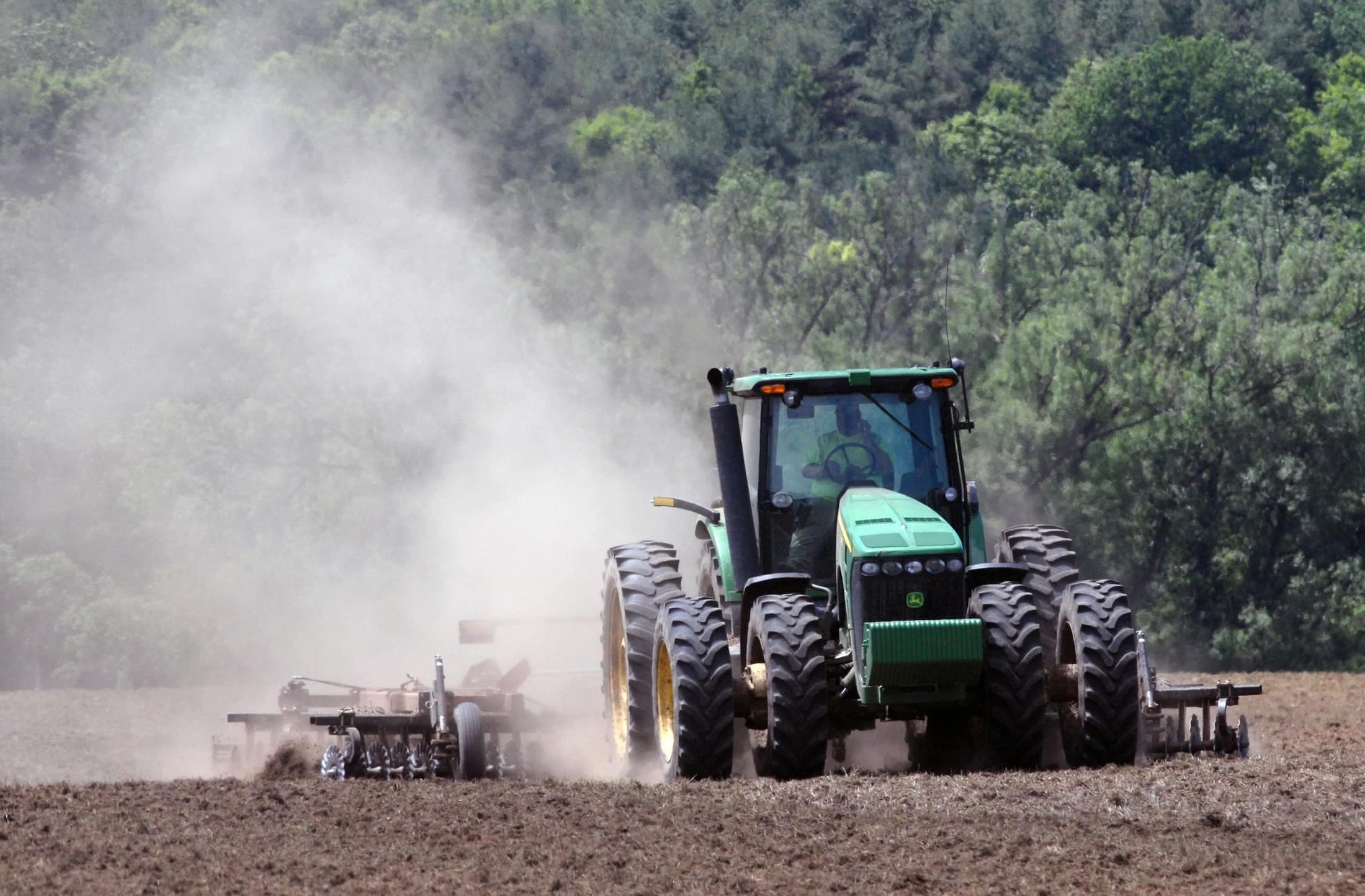 Industry News
Rising equipment costs, tight labor, specialized technology, and narrow operating windows are changing how farms get work done. More growers are turning to agricultural service providers for equipment, labor, technology, and expertise when they need it.