Verified Providers
Review provider profiles, ratings, and credentials before you book.

browse laboratory analysis on agnomy
Region
Pacific Northwest
USDA zone
4a–9b
Services
0
Providers
0
Find verified laboratory analysis providers, compare options, and book the right team for your operation, all in one place.
Refine your search
Search the full catalog. Every path lands on the same vetted providers.
The full catalog
Why Agnomy
Review provider profiles, ratings, and credentials before you book.
Providers know laboratory analysis timing, regional conditions, and best practices in your area.
Compare quotes from multiple providers in one place. No chasing phone calls.
Book fast with real-time availability, automated reminders, and clear status updates.
Explore the category
Browse related work under AgTech to find the providers, services, and crops that fit your operation.
More in AgTech
Frequently asked
What growers ask before they book laboratory analysis on Agnomy.
A standard agricultural soil test measures pH, salinity, and plant-available nutrients such as nitrogen, phosphorus, potassium, calcium, and magnesium, often with micronutrients and cation exchange capacity. Some panels add organic matter and trace or toxic elements. The results guide fertilizer and amendment rates for the crop.
Plant tissue testing shows the nutrients actually inside the plant, which reveals deficiencies a soil test alone can miss. Labs report nitrogen, phosphorus, potassium, calcium, magnesium, sulfur, and micronutrients like zinc, boron, and manganese. Sampling at key growth stages lets growers correct problems in season.
Irrigation water testing checks pH, electrical conductivity or salinity, and dissolved ions such as sodium, chloride, nitrate, calcium, magnesium, and bicarbonate. These affect emitter clogging, soil salinity, and crop health. Results guide filtration, acid injection, and amendment choices to protect both the system and the soil.
Most growers test soil at least once a year or every one to two years, with high-value or intensively managed crops tested more often. Sampling at the same time each year makes results easier to compare. Regular testing tracks fertility trends and prevents both deficiency and costly over-application.
Ready when you are
Connect with verified providers and request quotes in minutes.
Laboratory Analysis in Oregon
From the blog
Field notes, seasonal guides, and grower interviews — straight from the team.
 Industry News
You don't have to own a farm to build a business in agriculture. Drones, robotics, precision irrigation, autonomous equipment, and other AgTech are creating a new generation of agricultural service businesses that bring specialized equipment and expertise directly to farmers.
 Industry News
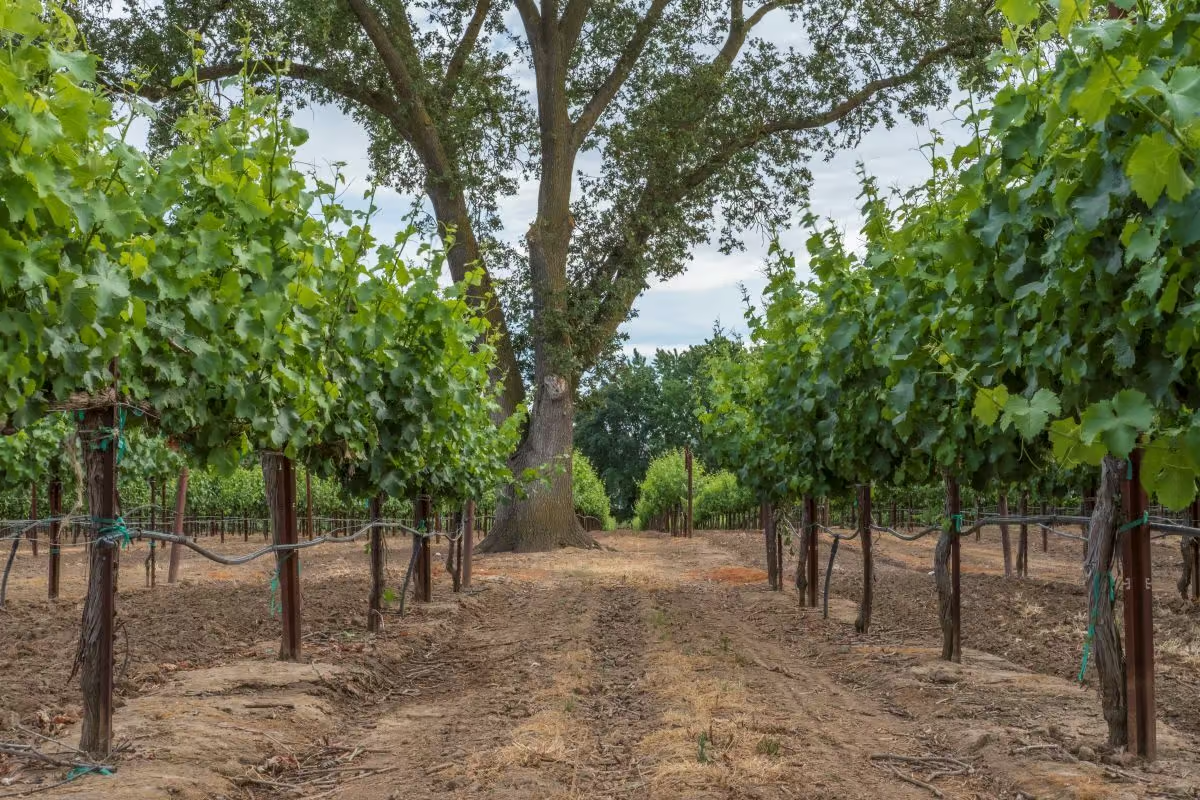
California's wine grape industry is going through a major correction as weak demand, excess inventory, rising costs, and fewer contracts push growers to remove vineyards. We look at the latest California and Lodi numbers, available vineyard removal assistance, and what growers should consider next.
 Industry News
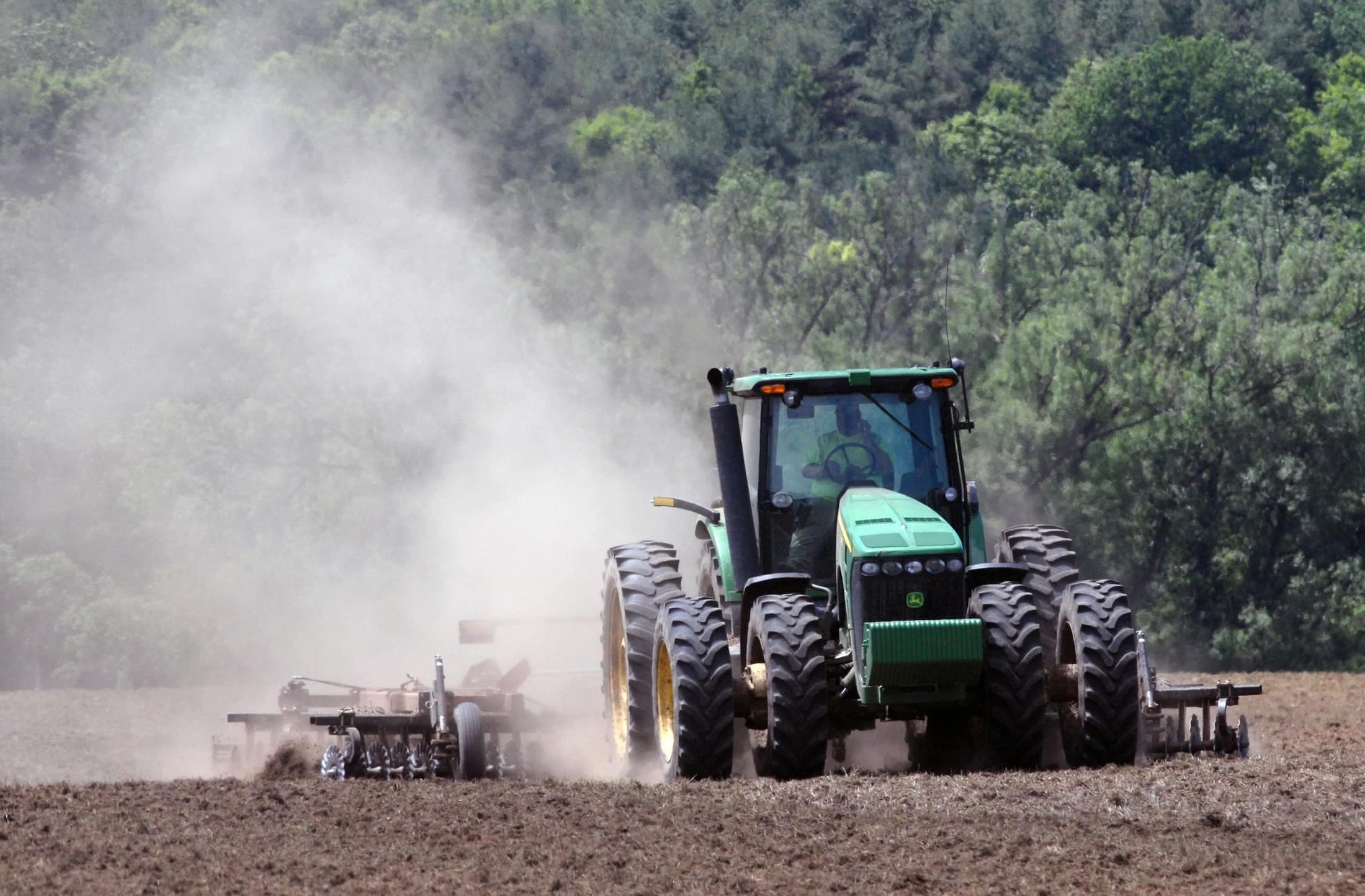
Rising equipment costs, tight labor, specialized technology, and narrow operating windows are changing how farms get work done. More growers are turning to agricultural service providers for equipment, labor, technology, and expertise when they need it.

We're actively growing our network in Oregon. Tell us what you need and Agnomy will find a provider and send you a quote.
Click here to provide services