Verified Providers
Review provider profiles, ratings, and credentials before you book.
browse the orchard services catalog
Region
Pacific Coast
USDA zone
5a–11a
Services
15
Providers
24
Find verified orchard services providers, compare options, and book the right team for your operation, all in one place.
Refine your search
Drill into a focus area, search the full catalog, or pivot by crop. Every path lands on the same vetted providers.
By focus area
2 subcategories under Orchard Services — each one bundles the providers, services, and crops most relevant to that focus area.
The full catalog
Matches
15 results
Filter by location, distance, crop, and price. Tap a card to view the storefront and request a quote.
By crop served
5 crops
Find orchard services providers who specialize in your crop.
Why Agnomy
Review provider profiles, ratings, and credentials before you book.
Providers know orchard services timing, regional conditions, and best practices in your area.
Compare quotes from multiple providers in one place. No chasing phone calls.
Book fast with real-time availability, automated reminders, and clear status updates.
Explore the catalog
See the full range of ag work available in California. Jump into another category to find the providers, services, and crops that fit your operation.
Browse another category
Frequently asked
What growers ask before they book orchard services services on Agnomy.
Almonds are harvested mechanically from August through October by shaking, drying, and sweeping. A shaker clamps each trunk and shakes the nuts onto the orchard floor, where they dry in the sun for about 7 to 10 days. A sweeper then gathers them into windrows, and a pickup machine collects them for hulling. Most California growers begin shaking between late July and early August.
Most orchard trees are pruned during winter dormancy to shape the tree, remove dead or diseased wood, and improve light and airflow, though some summer pruning is also done. Many almond growers hand-prune in alternate years, while walnut growers often hedge mechanically once every few years plus a light annual hand pruning. Timing and frequency depend on the crop, tree age, and training system. Proper pruning supports yield, fruit quality, and equipment access.
Orchard pruning cost depends on the crop, tree size, spacing, and whether it is hand or mechanical work, so most providers quote per acre or per tree after seeing the block. Mechanical hedging covers ground quickly and is often done on a multi-year cycle, while hand pruning is more labor-intensive and timed to the crop. Because pruning is frequently done every other year or every few years, growers can spread the cost across seasons. A custom orchard crew can give a firm quote based on tree count and acreage.
Orchard service providers handle the full tree-crop cycle, from planting and training young trees to pruning, hedging, brush shredding, and mechanical harvest. Many also offer skilled labor crews, mowing, and orchard floor management between the rows. Crews bring the specialized equipment, such as shakers and sweepers, that individual growers may not own. Agnomy connects growers with vetted orchard crews for pruning, harvest, and ongoing tree care.
Ready when you are
Connect with verified providers and request quotes in minutes.
Orchard Services in California
From the blog
Field notes, seasonal guides, and grower interviews — straight from the team.
 Technology & Innovation
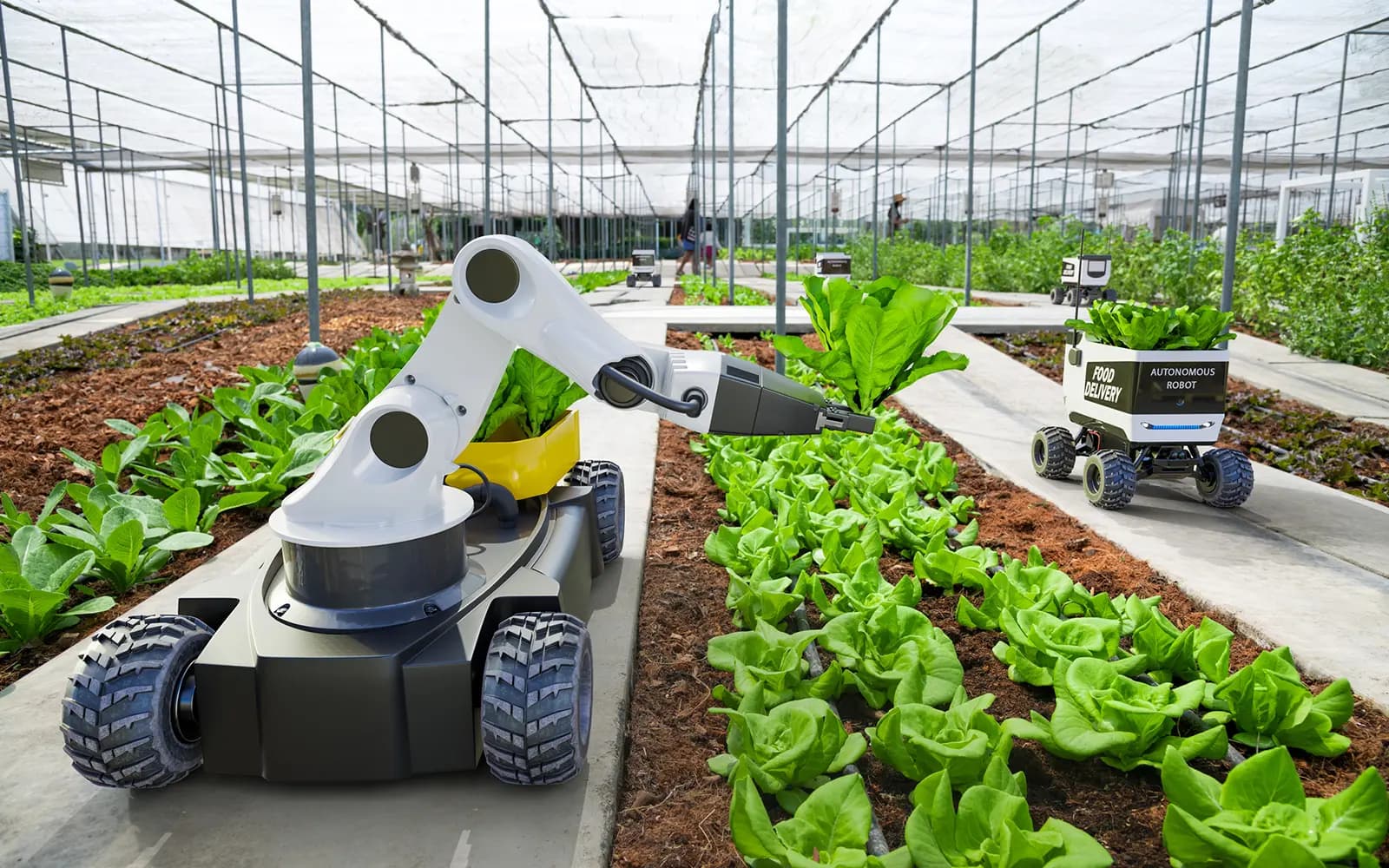
Agriculture today involves much more than growing crops. Learn how modern AgTech tools are helping farmers manage schedules, teams, employee hours, customer relationships, invoices, reporting, and day-to-day operations from one place.
 Technology & Innovation
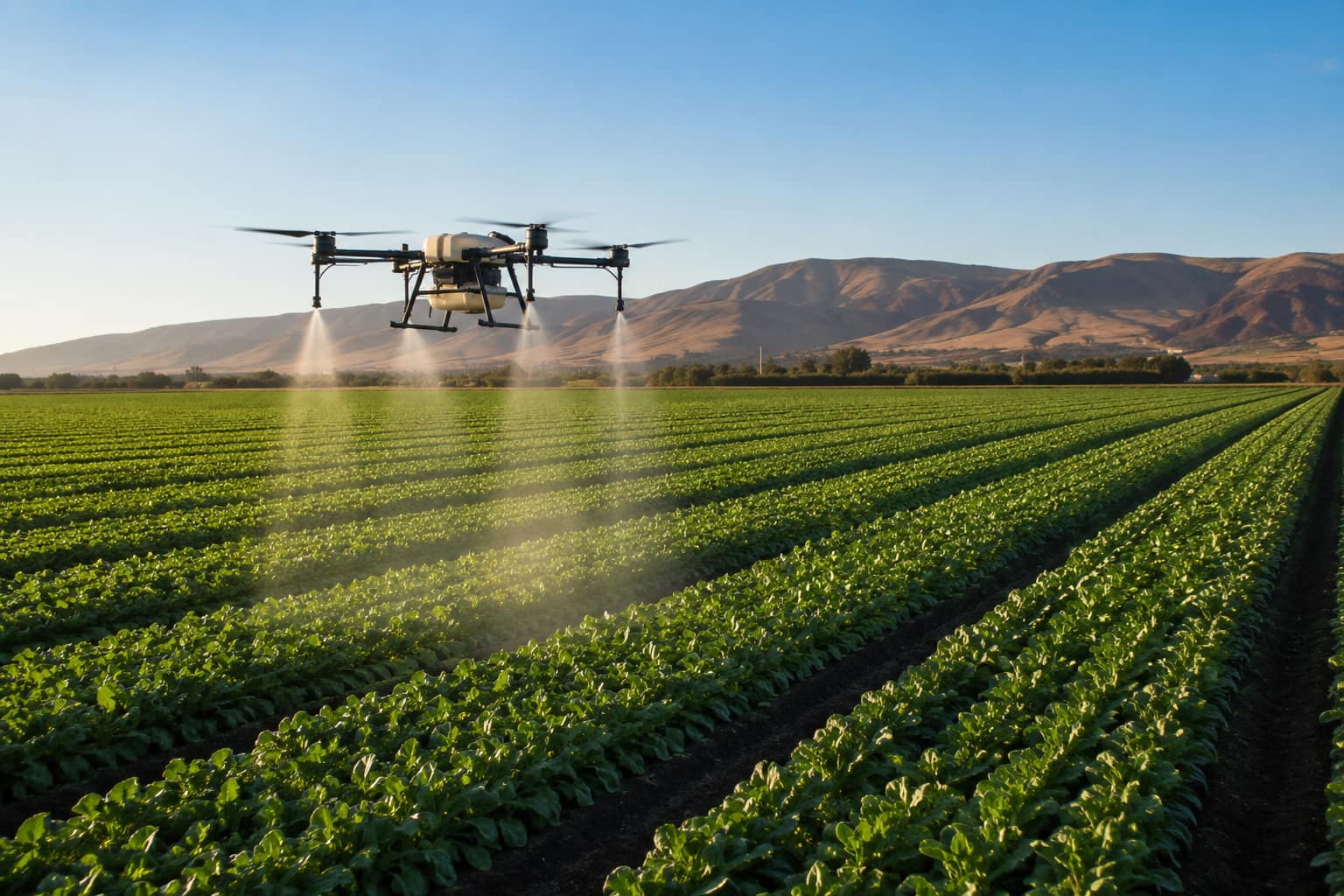
What agricultural drone services actually do, what they cost per acre in California, the FAA and DPR licenses a legitimate operator must hold, and how to hire one.
 Industry News
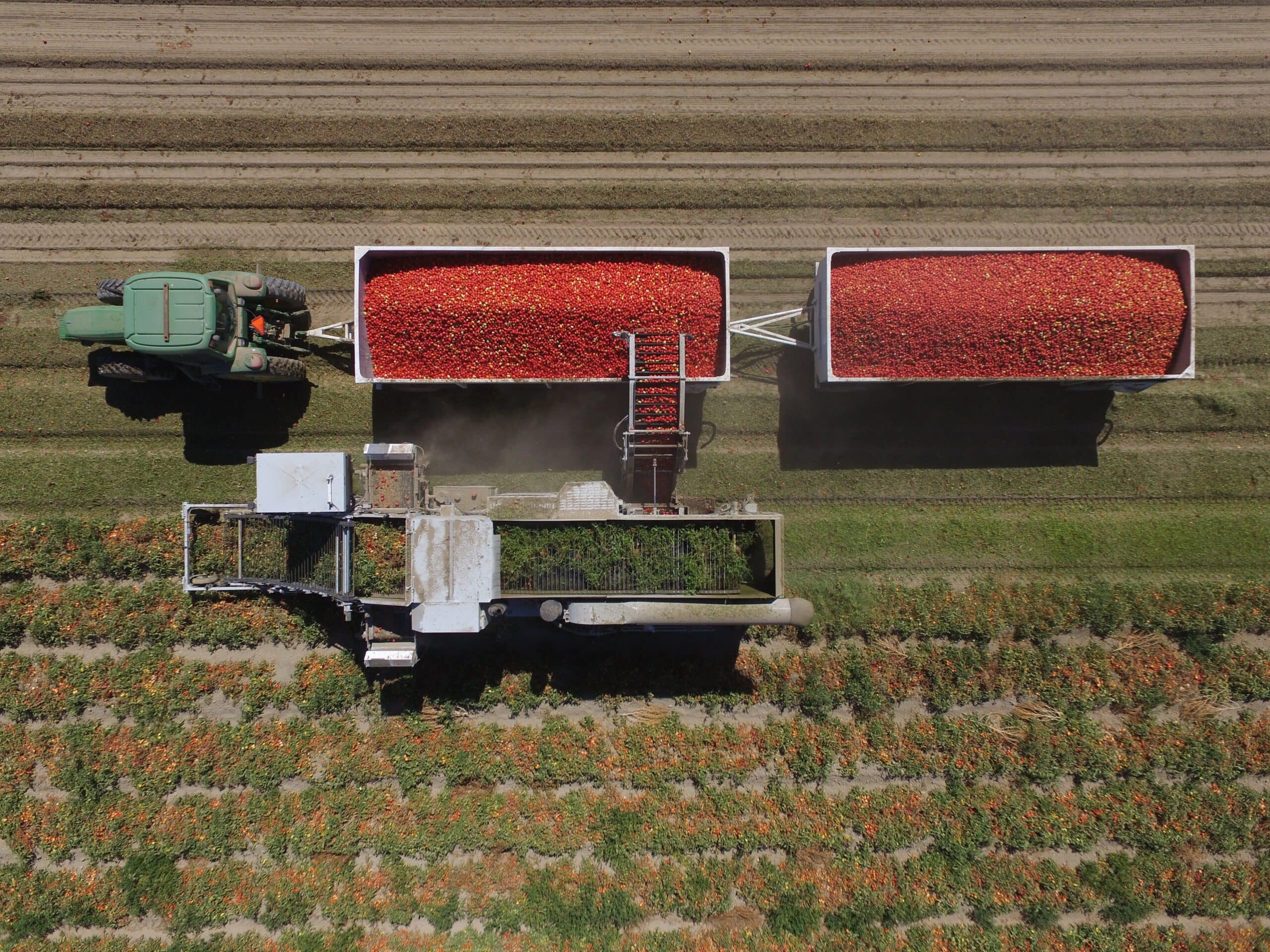
California's processing tomato harvest is underway. We break down the latest crop forecast, contract pricing, market demand, harvest conditions, and the biggest issues growers are watching this season.
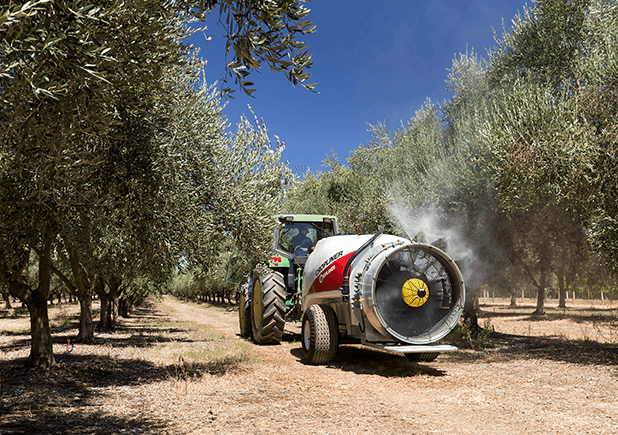
Orchard spraying services protect crops from pests, diseases, and weeds by applying targeted treatments with precision equipment, ensuring healthy trees and optimal yields while using eco-friendly and sustainable practices.
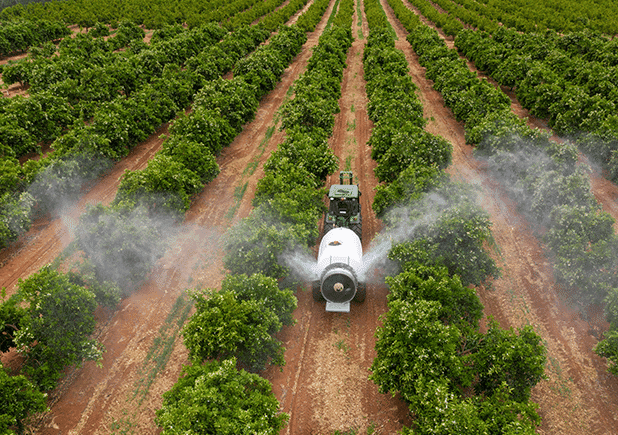
Professional orchard fumigation services to manage soil-borne pests and support healthy orchard establishment.
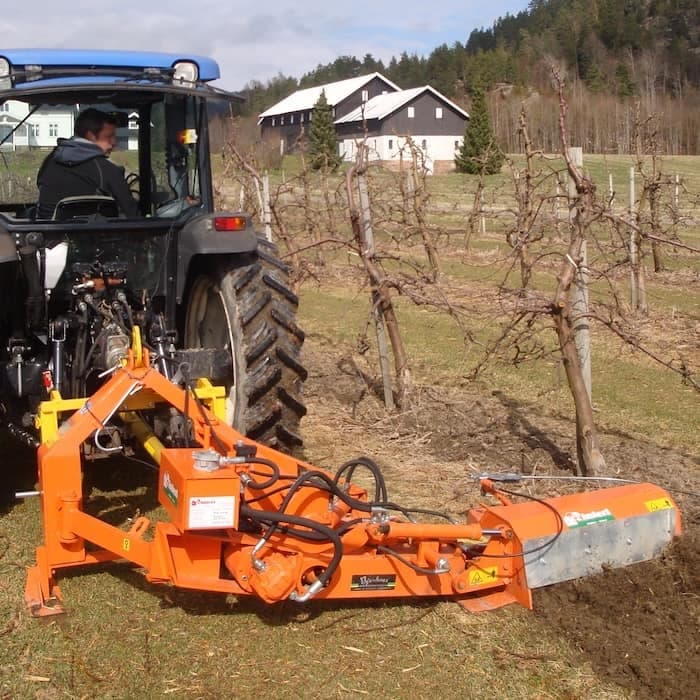
Orchard weed management services provide comprehensive control and prevention of weeds using integrated methods like herbicide application, mulching, and soil health enhancement to ensure healthy crop growth and long-term productivity.
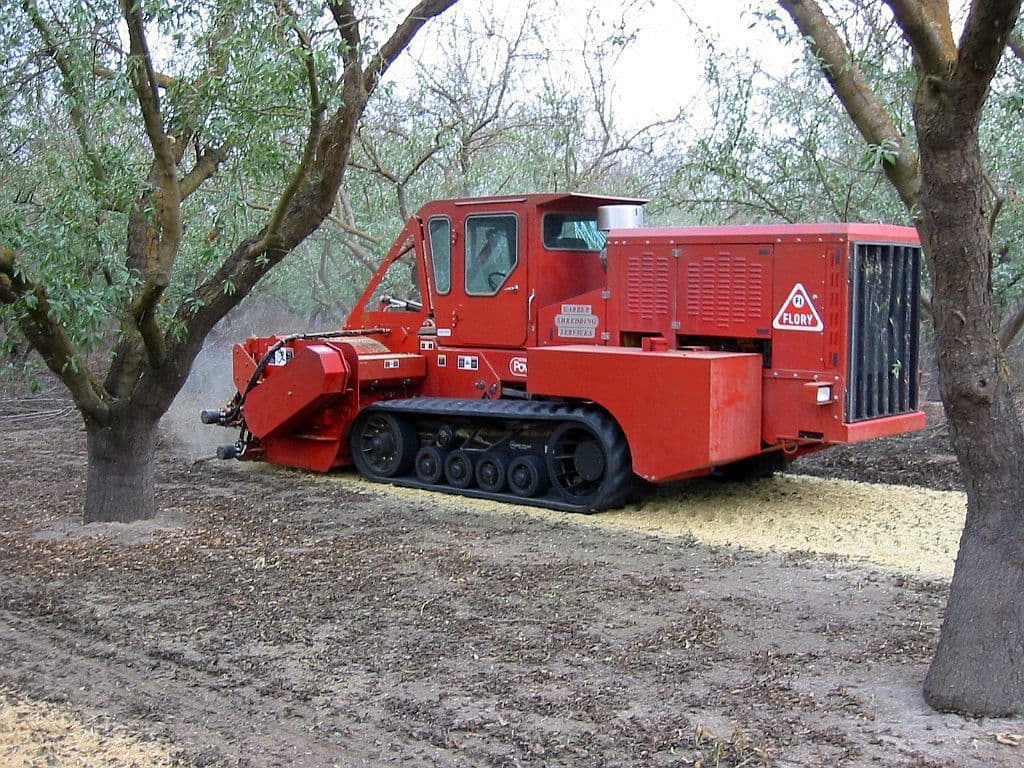
Orchard shredding services efficiently reduce orchard debris by shredding branches, leaves, and organic materials, promoting a clean environment and improving soil health with eco-friendly and sustainable practices.
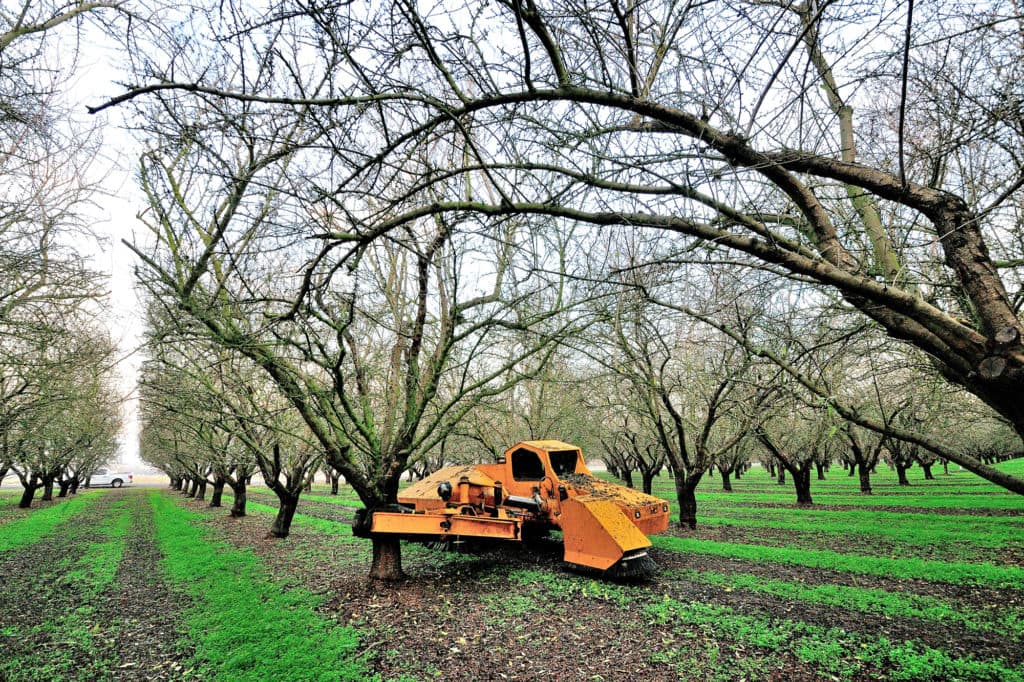
Mummy shaking services remove leftover nuts from almond and walnut trees after harvest to reduce pest pressure and support orchard health.
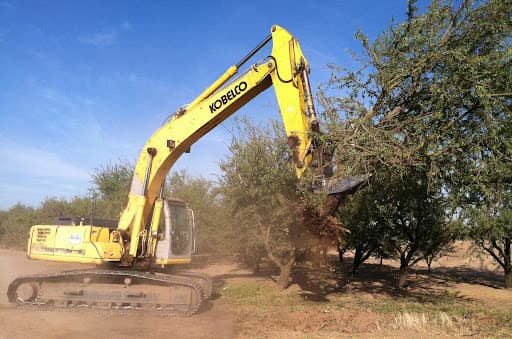
Orchard removal services efficiently clear land for new planting or development by removing trees, stumps, and debris, using specialized equipment to ensure minimal soil disruption and optimal preparation for future projects.
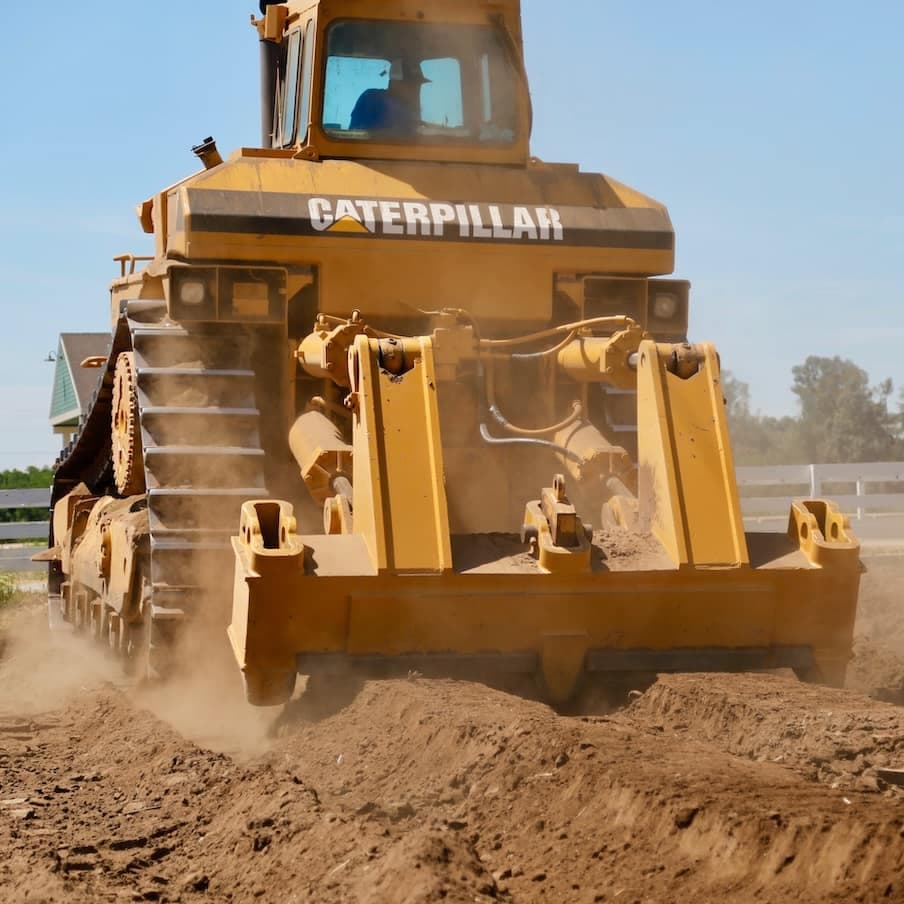
Orchard ripping services improve soil structure, promote root growth, and enhance water infiltration by breaking up compacted soil layers, with custom depths and specialized techniques to optimize soil conditions for healthier tree growth.
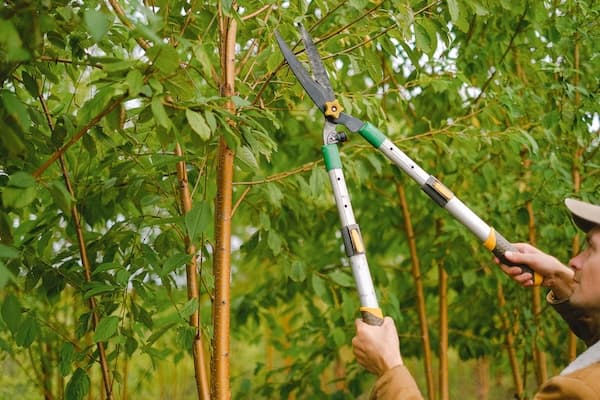
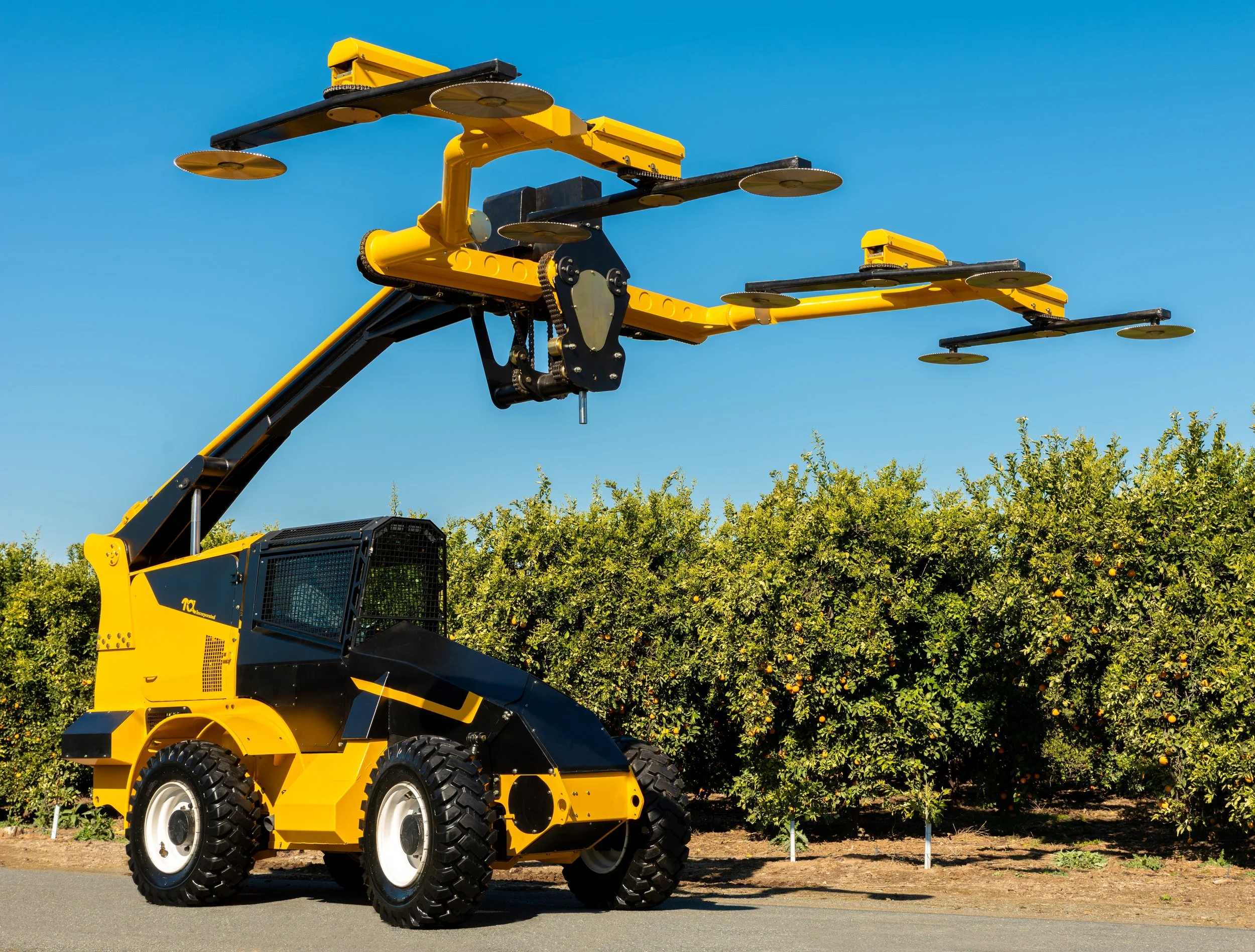
Expert orchard pruning services enhance tree health, improve fruit quality, and maximize yields by removing dead or overcrowded branches and optimizing canopy structure.
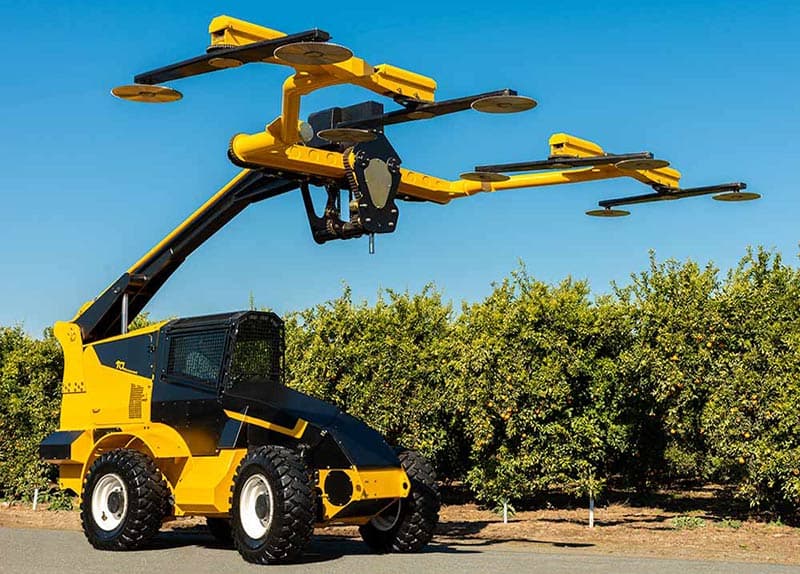
Orchard topping services help manage tree height, improve sunlight exposure, enhance air circulation, and boost fruit production using precision cutting and specialized equipment.
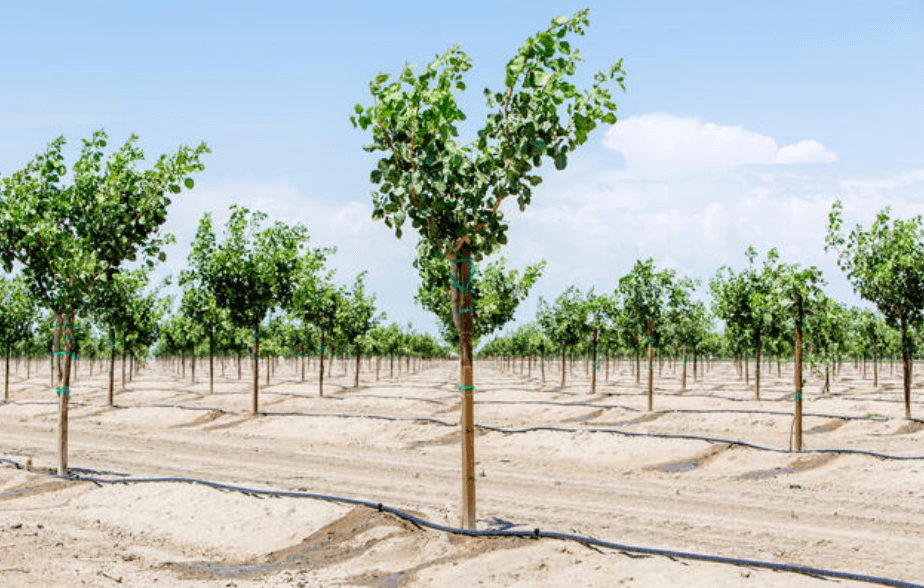
Expert orchard planting services ensure proper site preparation, tree spacing, and irrigation setup for a healthy and productive orchard.
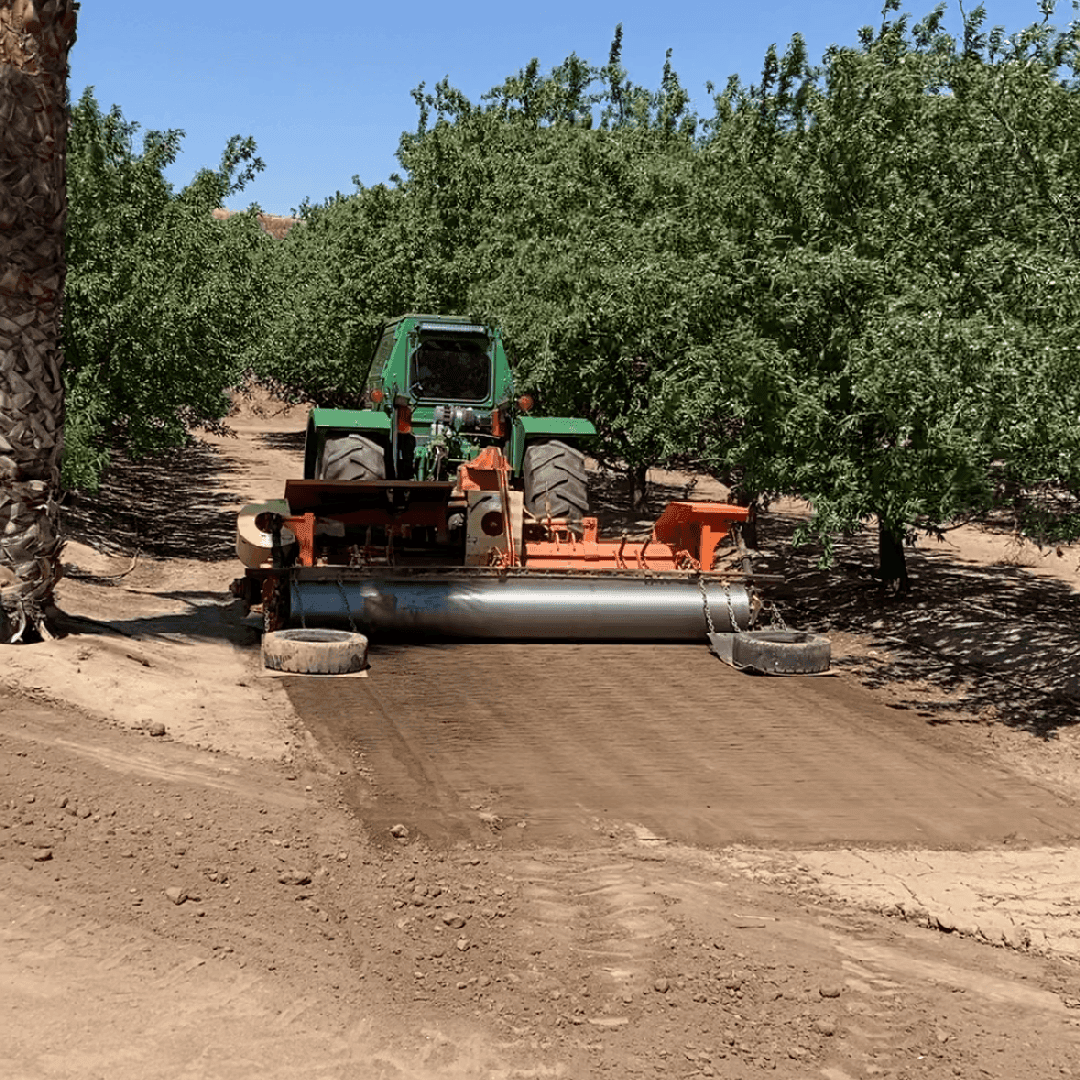
Orchard floor management services to maintain clean, level, and accessible orchard floors year-round.
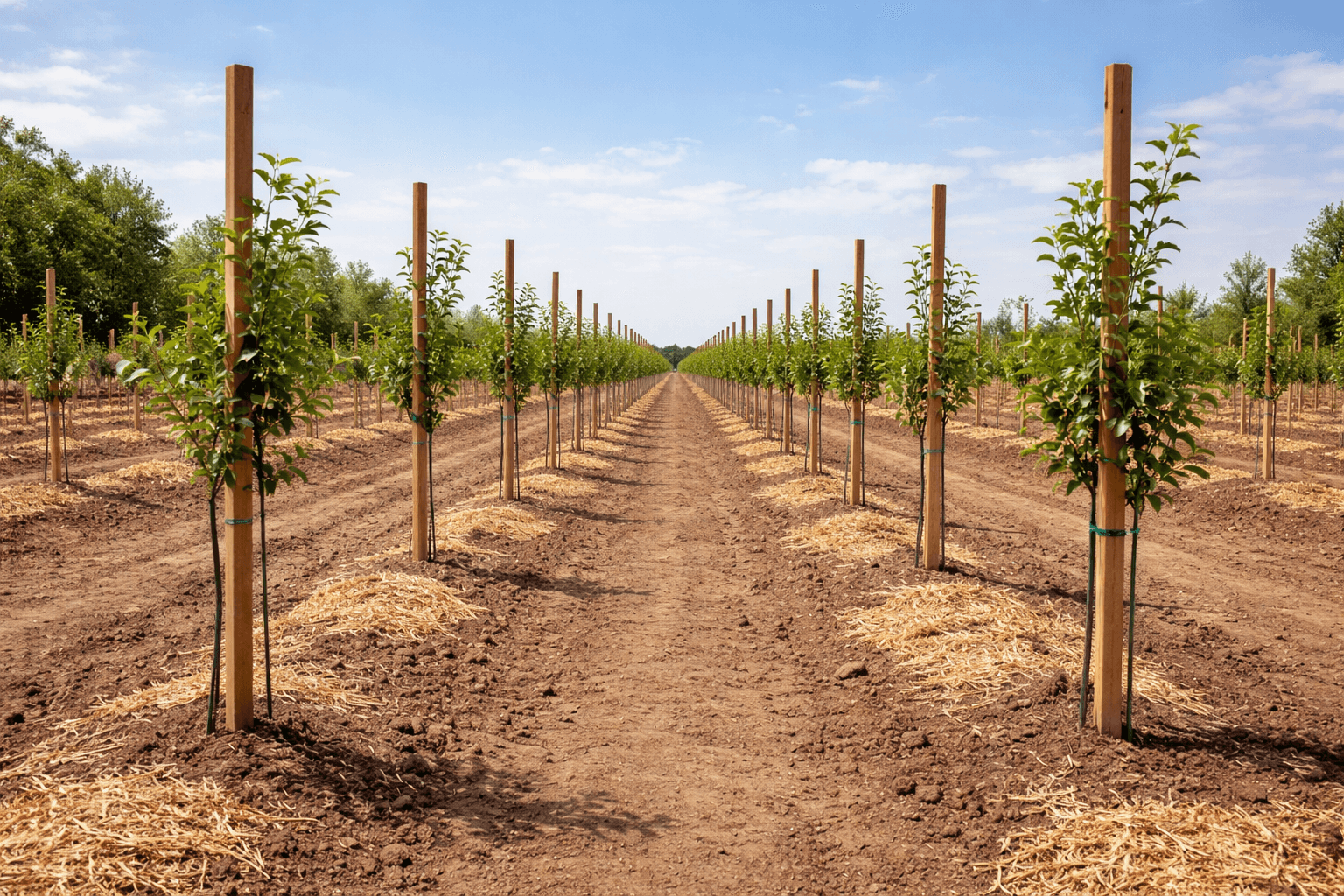
Orchard staking services to support young trees, promote straight growth, and reduce wind damage.
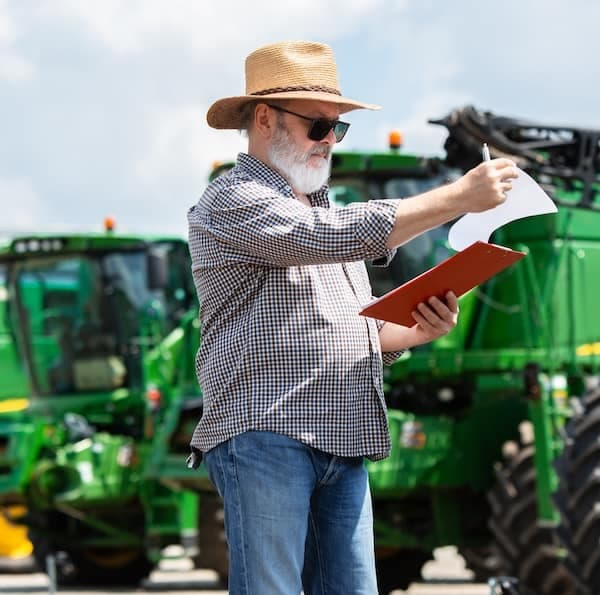
Orchard consulting services provide expert advice on soil management, crop care, pest control, irrigation, and sustainable practices to optimize orchard productivity, health, and long-term success.
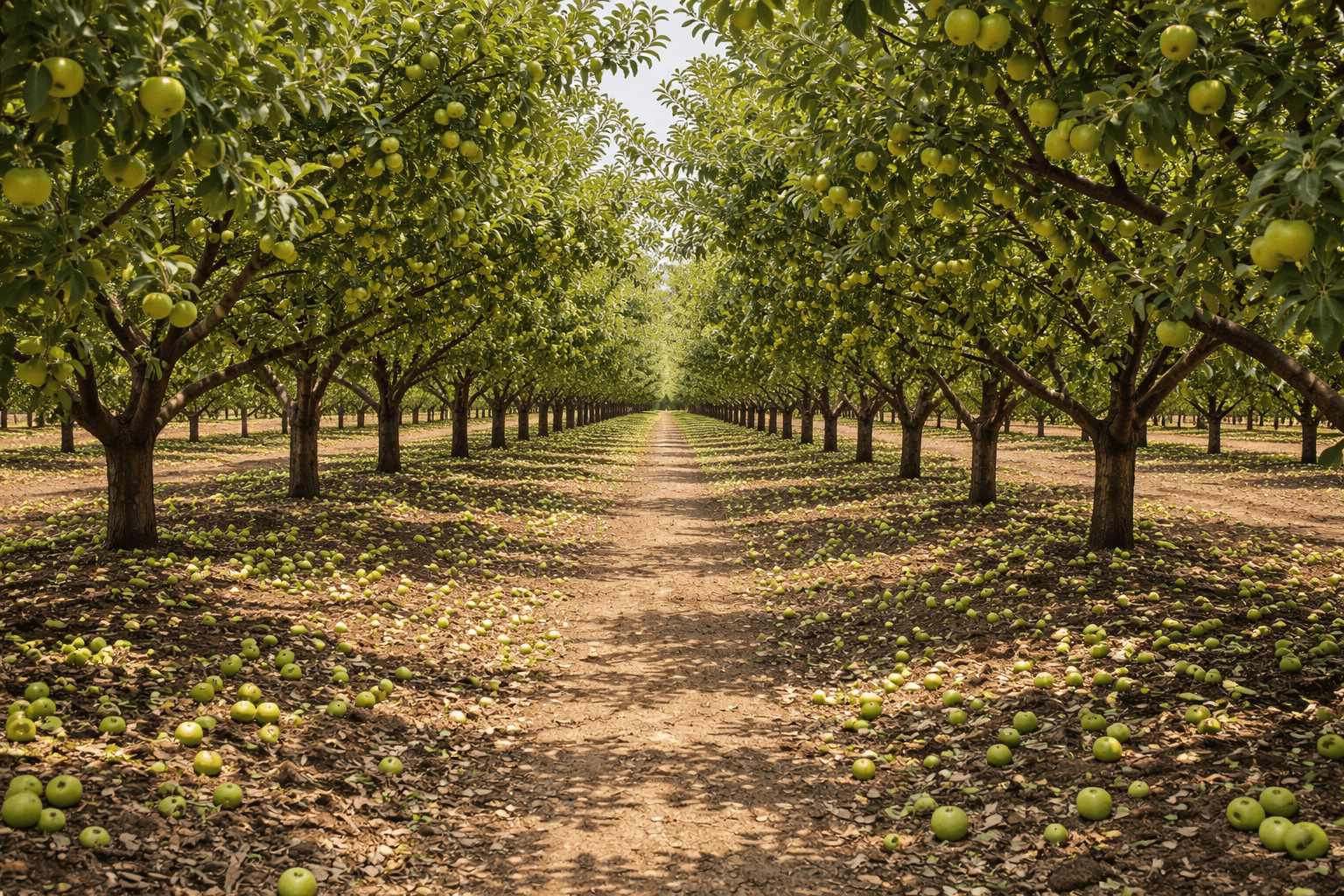
Orchard thinning services to manage crop load, improve fruit quality, and support tree health.
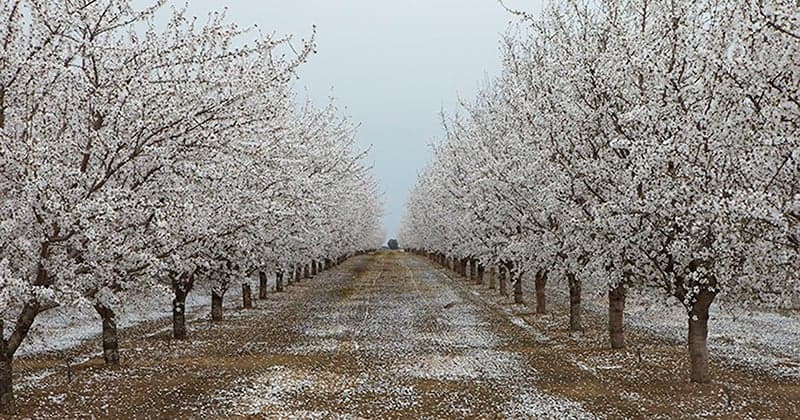
Orchard frost protection services to help protect trees and crops during cold weather events.