Licensed operators only
Every drone provider lists the FAA Part 107, Part 137, and state applicator credentials the work requires, so you never book an unlicensed application.
browse ag drone services on agnomy
Region
Willamette Valley
USDA zone
8b
Services
4
Providers
1
Find ag drone services in McMinnville, OR for precision spraying, crop scouting, and aerial mapping.
Refine your search
Search the full catalog or pivot by crop. Every path lands on the same vetted providers.
The full catalog
Matches
4 results
Filter by location, distance, crop, and price. Tap a card to view the storefront and request a quote.
By crop served
12 crops
Providers offering ag drone services specialize in the crops below. Tap a crop to find the right team.
Why Agnomy
Every drone provider lists the FAA Part 107, Part 137, and state applicator credentials the work requires, so you never book an unlicensed application.
See who is available near your fields and lock a slot before the dormant, bloom, or hull-split window closes.
Compare per-acre quotes and minimum-acreage floors up front, with chemical cost kept separate so you see the real application price.
Book spraying, NDVI and multispectral imaging, or field mapping from the same local providers, matched to your crop and canopy.
Explore the category
Browse related work under AgTech to find the providers, services, and crops that fit your operation.
More in AgTech
“Ag drone services cover three distinct jobs, and the most common money mistake growers make is letting an operator blur them together”
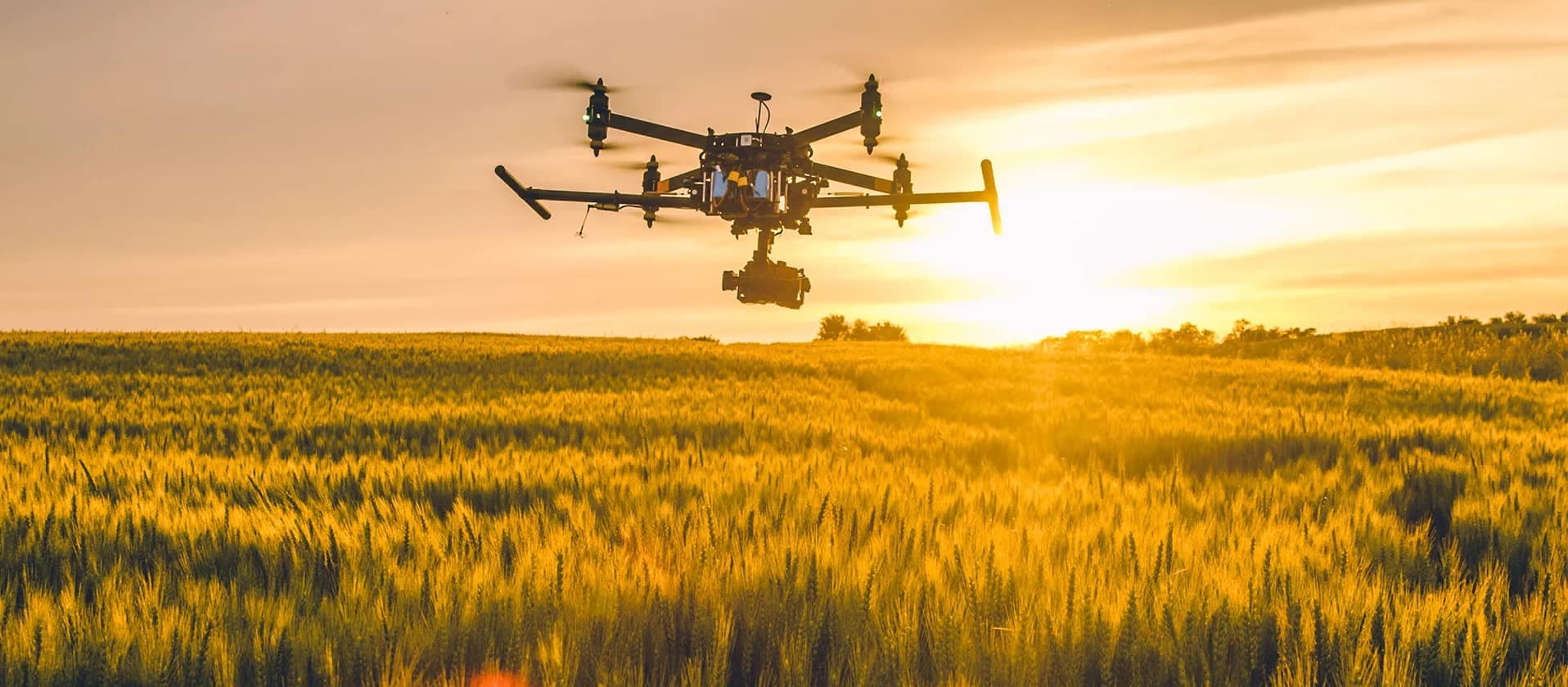
Ag drone services cover three distinct jobs, and the most common money mistake growers make is letting an operator blur them together. Spray application puts liquid on the crop (herbicide, fungicide, foliar feed). Imaging and mapping produces data (multispectral, NDVI, thermal) with no product applied. Inspection and counting is a fast set of eyes for stand counts, tree counts, and post-storm checks. Each is priced differently, licensed differently, and worth booking for a different reason.
Drones earn their keep when timing and access beat brute force. A spray drone flies when the ground is too wet for a rig, when the canopy is too tall or dense to drive, and when a block has to be covered inside a tight weather window a ground crew would miss. It applies at low volume with tight droplet control, so drift and off-target loss drop against a broadcast pass. For steep, terraced, or oddly shaped ground a tractor cannot reach cleanly, a drone is often the only precise option.
What it costs. In specialty crops (orchards, vineyards, vegetables), contract drone spraying typically runs $18 to $40 per acre, with the chemical supplied by the grower. Commodity row crops run cheaper. Complex work (multispectral analysis, prescription spraying, small or awkward blocks) sits at the top of that range or above. Most operators set a minimum-acreage floor, so a small parcel pays a premium per acre. Imaging-only flights are usually billed per acre or per hour and land well below spray rates.
Licensing is not optional. Every legitimate commercial operator holds an FAA Part 107 remote pilot certificate. Anyone dispensing chemicals also needs an FAA Part 137 agricultural aircraft operator certificate, and most ag spray drones cross the 55-pound line, which pulls in a Section 44807 exemption. On top of the federal rules, most states require their own pesticide-applicator license to spray, so confirm the operator holds the right state credentials before any product goes on.
By crop. Almond and walnut growers use drones for dormant and hull-split sprays where ground access is limited, and for vigor maps across the block. Vineyards lean on them for targeted fungicide in tight rows and canopy imaging that guides thinning and irrigation. Tomatoes, rice, and leafy vegetables use fast foliar passes and NDVI scouting that flags problem zones before they spread. In every case the deliverable is the point: a treated block, a map you can act on, or a count you can trust.
Frequently asked
What growers ask before they book ag drone services on Agnomy.
For specialty crops like orchards, vineyards, and vegetables, contract drone spraying generally runs $18 to $40 per acre, with the grower supplying the chemical. Commodity row crops are cheaper. Advanced work (prescription spraying, multispectral analysis) and small or awkward blocks sit at the top of the range or above, and most operators apply a minimum-acreage floor.
Federal rules apply everywhere: FAA Part 107 for any commercial flight, and FAA Part 137 (plus a Section 44807 exemption for drones over 55 pounds) for dispensing chemicals. Most states also require a pesticide-applicator license to spray, so confirm the specific credentials required in your state. Imaging and scouting flights need Part 107 only.
When the ground is too wet to drive, the canopy is too tall or dense for a rig, the block is steep, terraced, or small, or the spray window is too tight for a ground crew. Drones apply at low volume with tight droplet control, which cuts drift and off-target loss. For very large flat acreage on a loose timeline, a ground rig or manned aircraft can still be cheaper per acre.
Yes, and orchards and vineyards are where drones shine. They reach tall or dense canopy, tight rows, and terraced ground that ground equipment struggles with, and they fly on days the orchard floor is too wet to drive. Confirm the operator has sprayed your specific crop and canopy type before booking.
On most jobs the grower supplies the product and the operator supplies the aircraft, the labor, and the licensed application. Per-acre quotes almost always exclude chemical cost. Confirm who holds the applicator license under which the material is applied, since that responsibility stays with the licensed applicator.
It depends on the aircraft, tank size, swath, and how far the mixing station sits from the field, but a modern ag drone commonly covers roughly 40 to 100 or more acres of specialty crop per day per aircraft. Operators running multiple drones or swappable batteries and tanks cover more. Ask for a realistic daily rate for your block size when you request a quote.
Spraying applies product to the crop and requires Part 137 plus a state applicator license. Imaging and mapping (multispectral, NDVI, thermal) applies nothing and produces data you act on: stand counts, vigor variability, irrigation and stress diagnosis. Imaging needs only Part 107, is cheaper, and is often the first drone service a grower books.
Modern ag drones apply at low volume with controlled droplet size and follow the field boundary and terrain closely, which reduces drift versus a broadcast ground or aerial pass. Accuracy still depends on wind, nozzle setup, and pilot skill, so a licensed, experienced operator matters. State drift rules and product label requirements apply the same as any application.
Ready when you are
Connect with verified providers and request quotes in minutes.
Ag Drone Services in McMinnville
From the blog
Field notes, seasonal guides, and grower interviews — straight from the team.
 Industry News
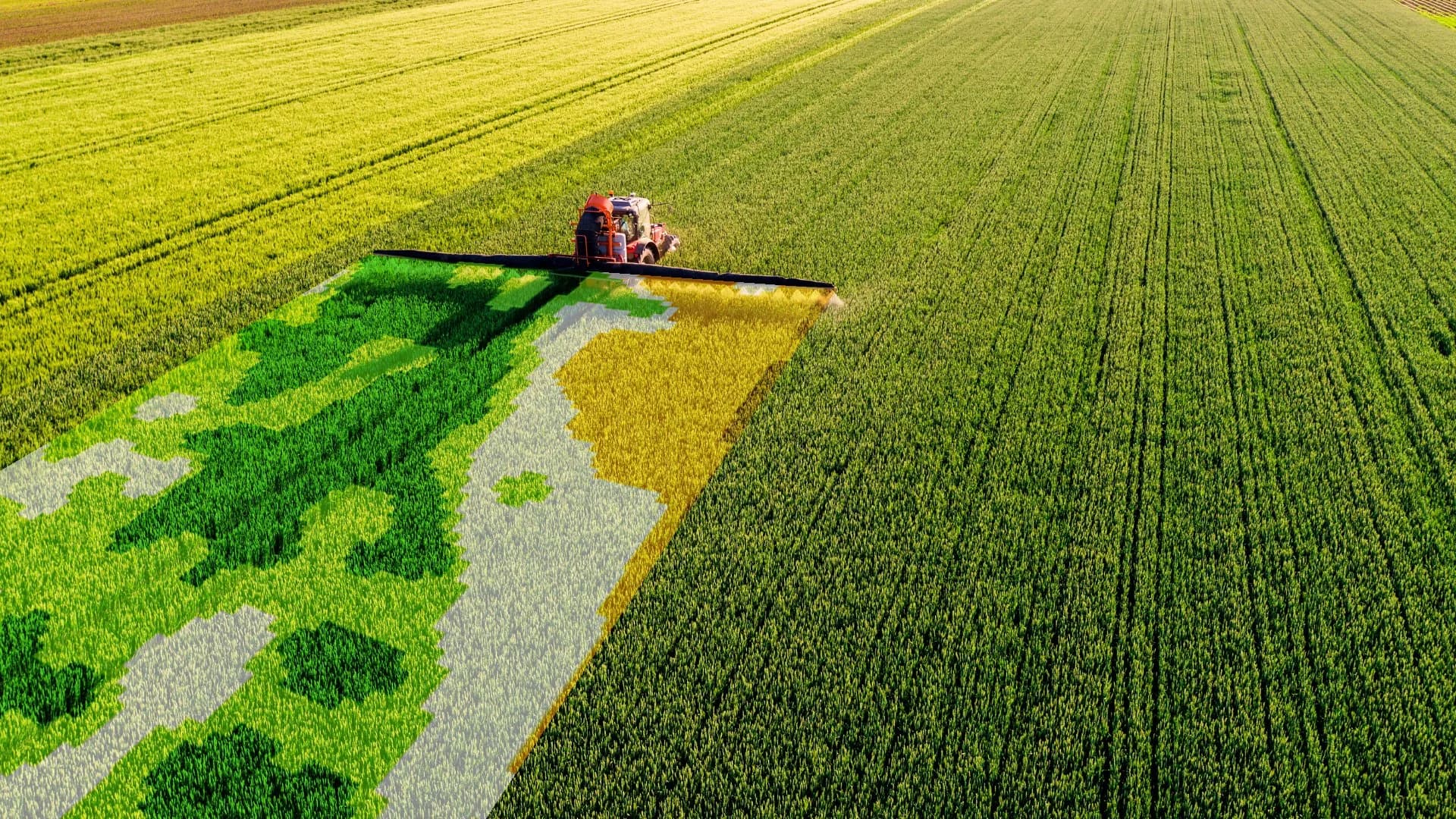
You don't have to own a farm to build a business in agriculture. Drones, robotics, precision irrigation, autonomous equipment, and other AgTech are creating a new generation of agricultural service businesses that bring specialized equipment and expertise directly to farmers.
 Industry News
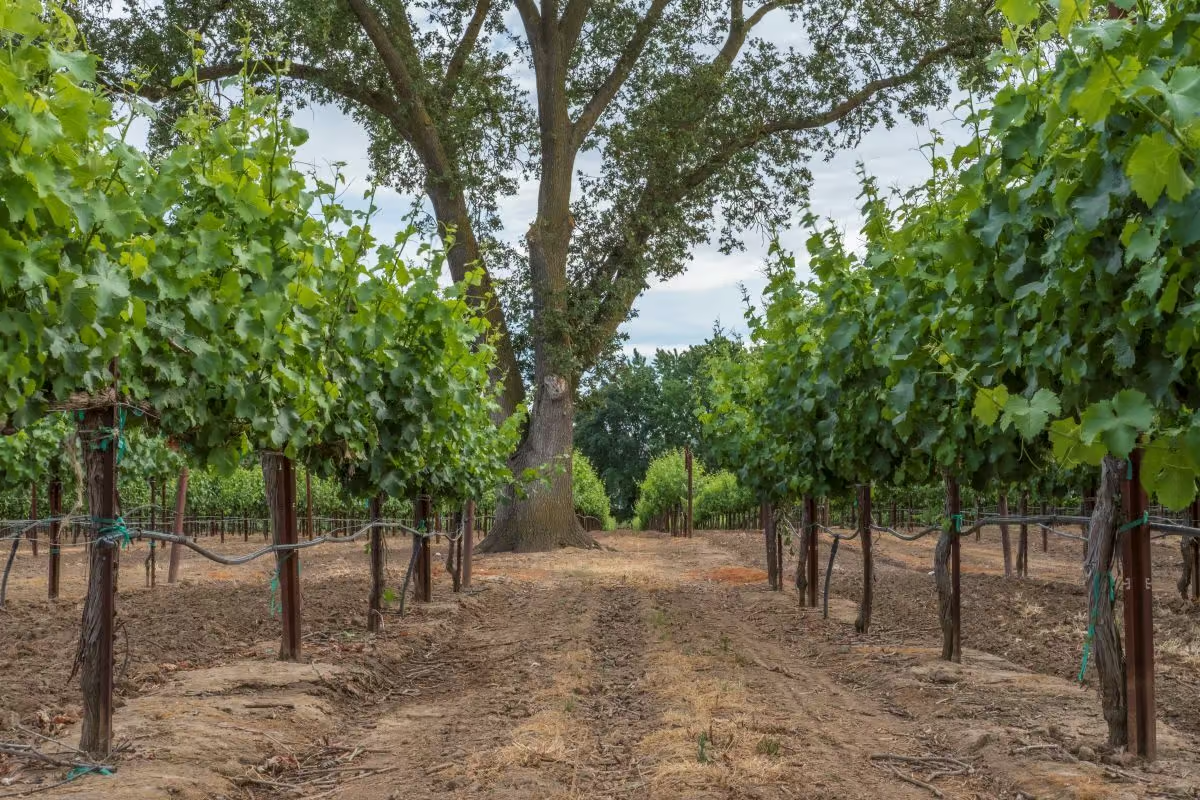
California's wine grape industry is going through a major correction as weak demand, excess inventory, rising costs, and fewer contracts push growers to remove vineyards. We look at the latest California and Lodi numbers, available vineyard removal assistance, and what growers should consider next.
 Industry News
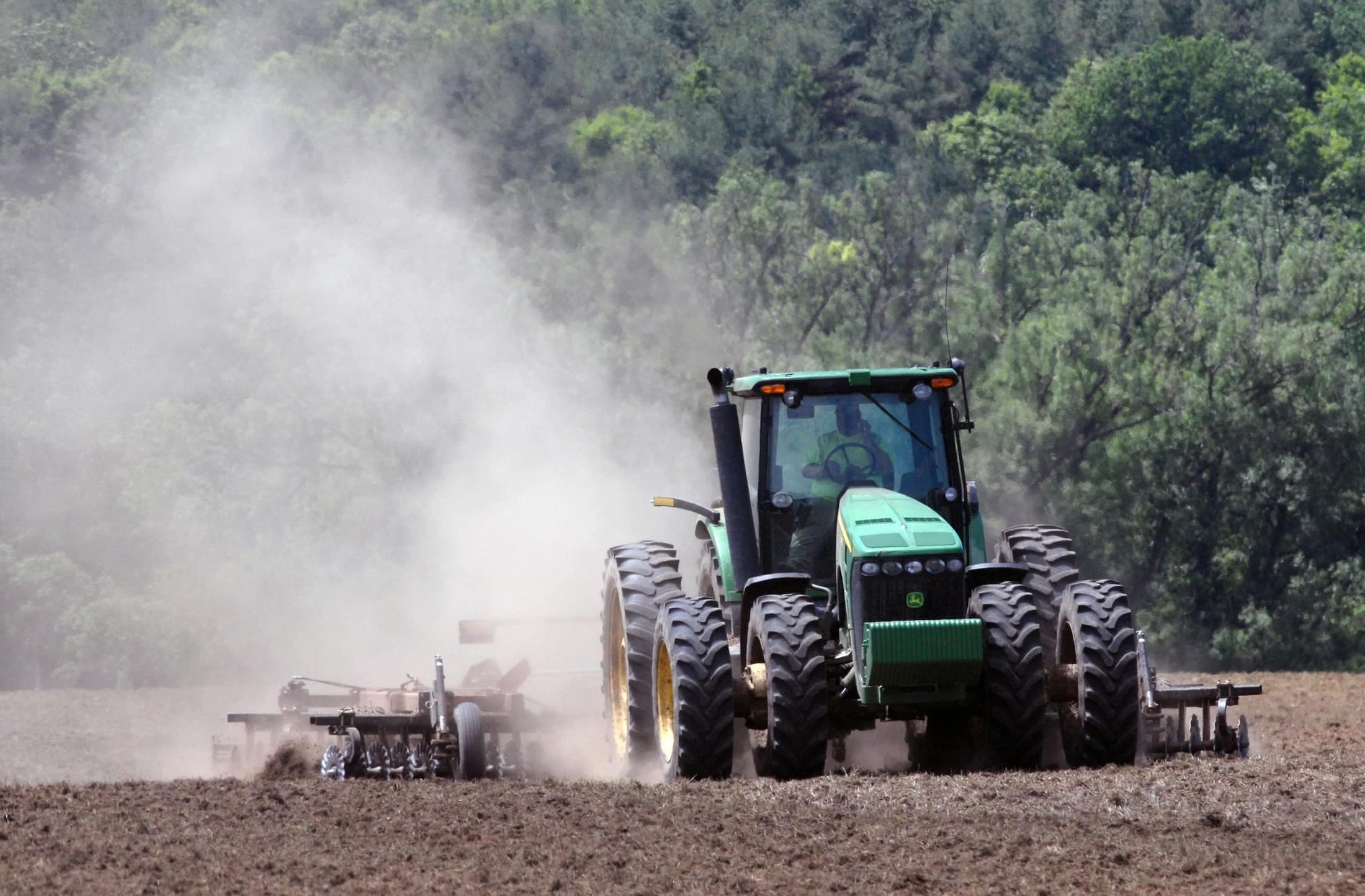
Rising equipment costs, tight labor, specialized technology, and narrow operating windows are changing how farms get work done. More growers are turning to agricultural service providers for equipment, labor, technology, and expertise when they need it.
Showing 4 of 4 services with a provider within 50 mi of McMinnville.
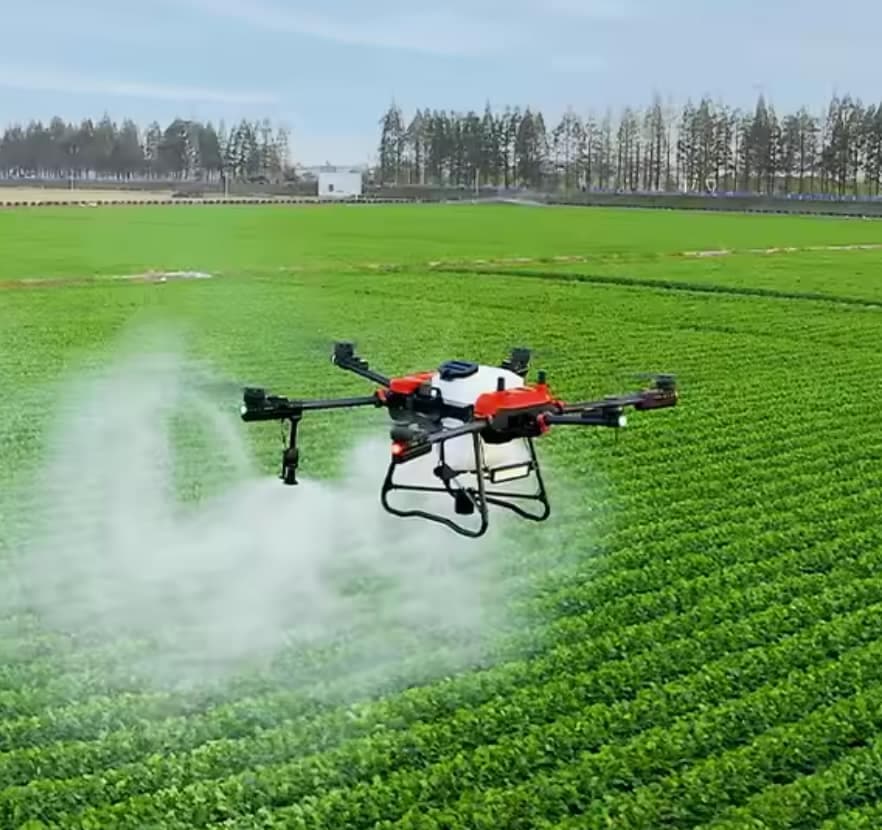
Drone fertilizer application provides precise, efficient nutrient distribution, improving crop health, reducing waste, and enhancing overall farm productivity.
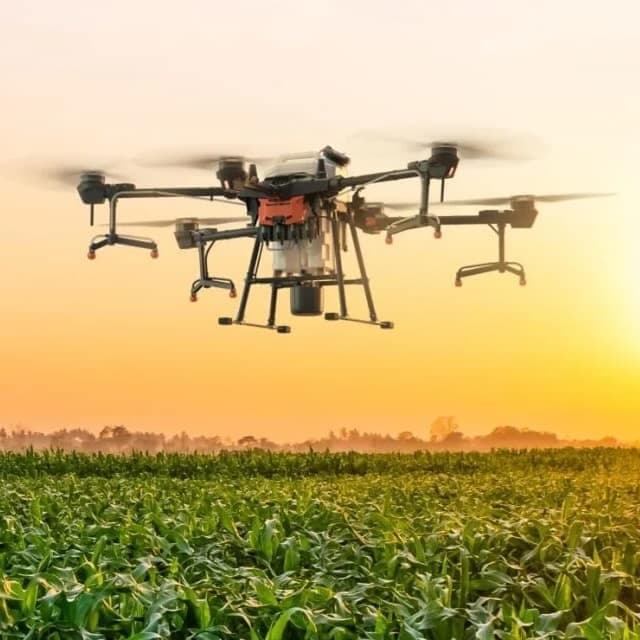
Drone pesticide application provides precise, efficient, and environmentally friendly crop protection by reducing chemical waste, minimizing labor costs, and ensuring optimal coverage.
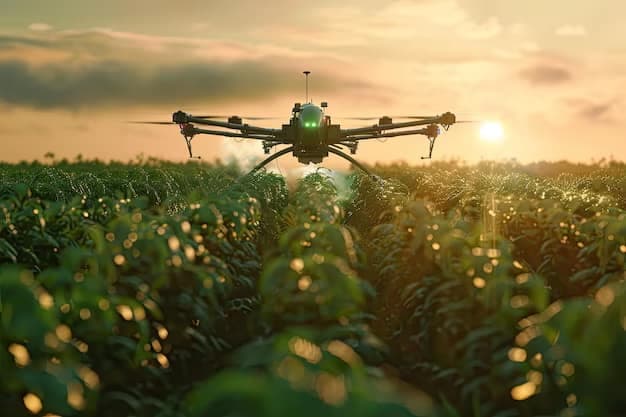
Drone nutrient services provide precise and efficient aerial application of essential nutrients, optimizing crop health, reducing waste, and promoting sustainable farming practices.
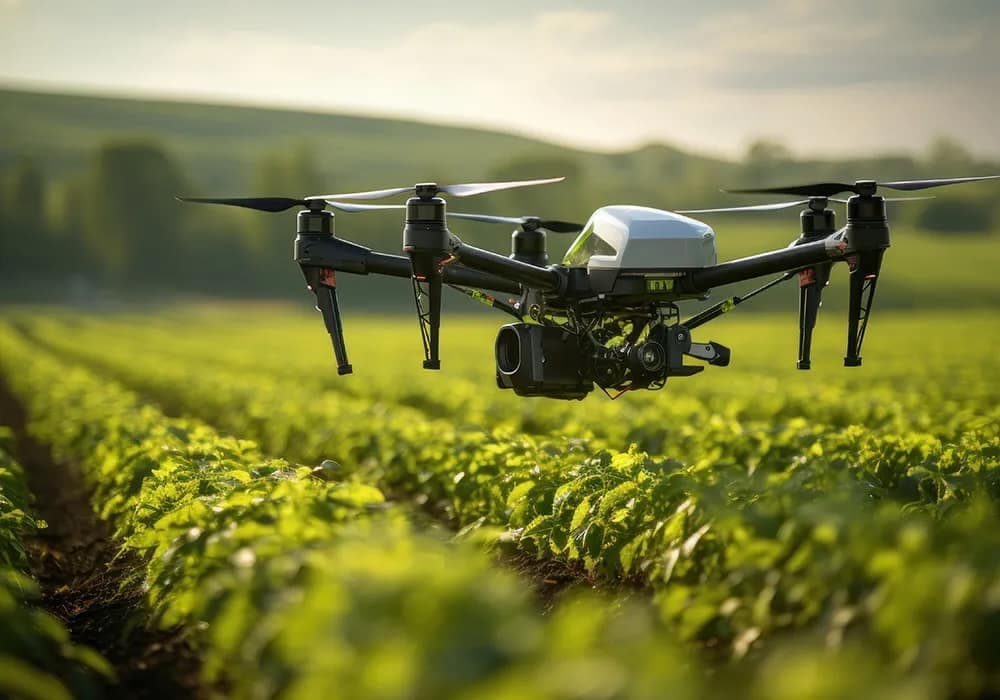
Drone seeding services provide a precise and efficient method for planting crops, cover crops, and restoring vegetation, reducing labor costs and reaching difficult terrain with advanced aerial technology.