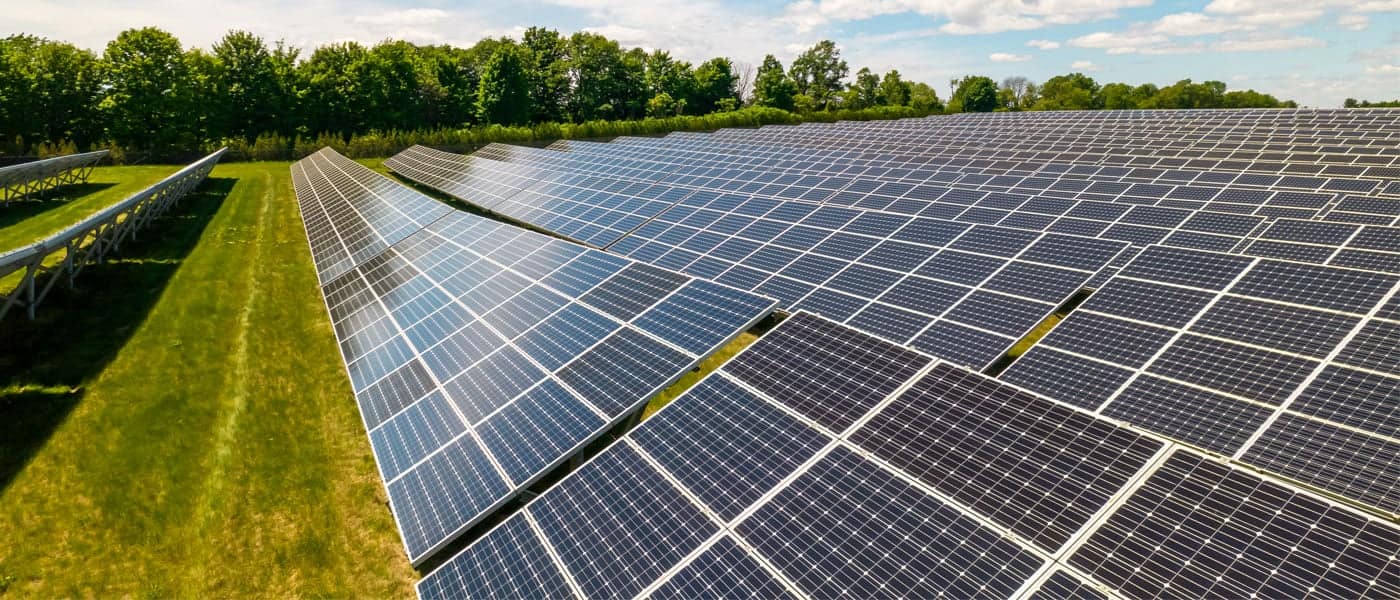

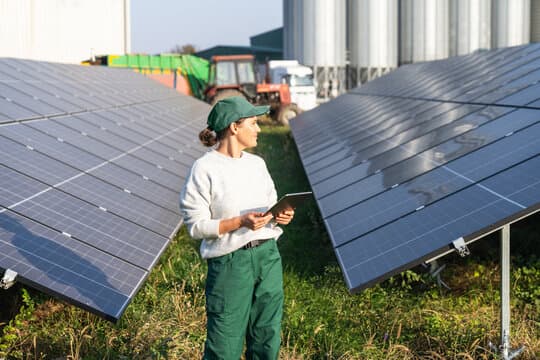
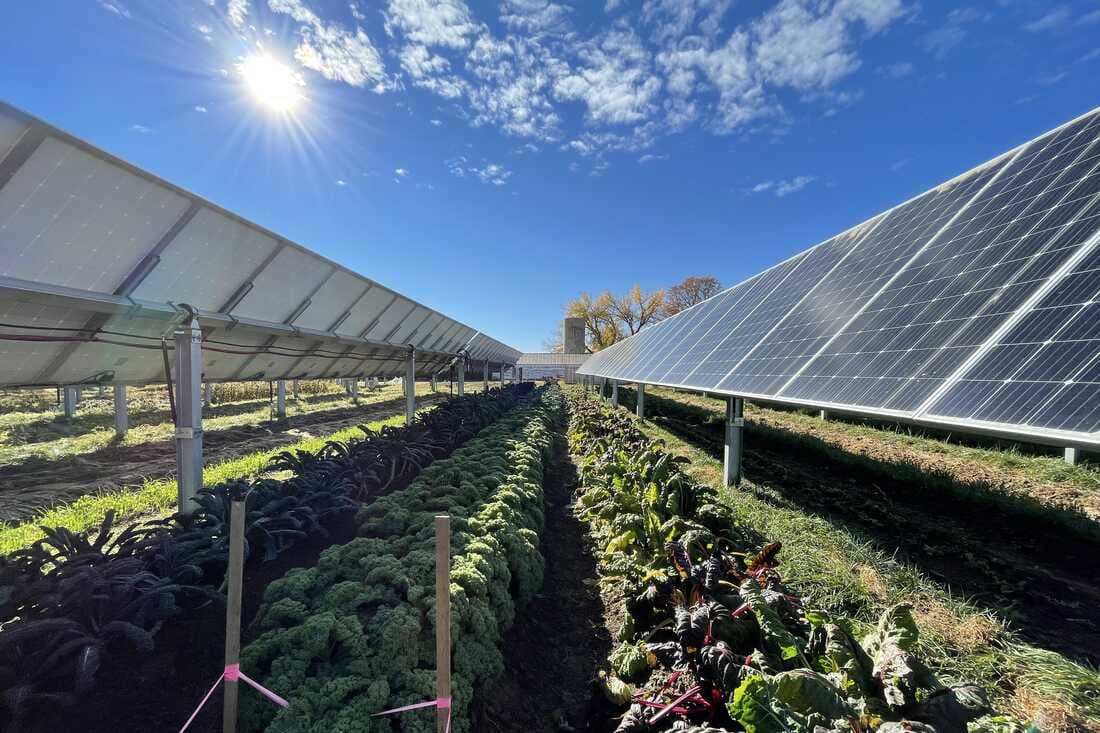
Solar power systems to power various aspects of agricultural operations, providing a sustainable and eco-friendly alternative to traditional energy sources. This technology involves the installation of solar panels or photovoltaic (PV) systems on farms to generate electricity for a range of applications.
-
Solar Panels Installation:
- Solar panels are strategically installed on agricultural properties, typically on open fields, rooftops, or unused spaces.
- The installation process involves mounting solar panels in a way that maximizes exposure to sunlight, optimizing energy capture throughout the day.
-
Energy Generation:
- Solar panels convert sunlight into electricity through the photovoltaic effect, where sunlight excites electrons in the panels' semiconductor materials.
- The generated electricity is either used immediately or stored for later use, depending on the system's design and the farm's energy needs.
-
Irrigation Systems:
- Solar power is commonly utilized to operate irrigation systems, providing a sustainable and cost-effective solution for watering crops.
- Solar-powered pumps can lift water from wells or reservoirs to irrigate fields, supporting crop growth without relying on grid electricity.
-
Electric Fencing:
- Solar energy can power electric fencing systems to protect crops from wildlife and unauthorized access.
- Solar-powered electric fences are an environmentally friendly alternative that eliminates the need for traditional grid electricity or fuel-powered generators.
-
Off-Grid Solutions:
- In remote agricultural locations or areas with unreliable access to the electrical grid, solar provides an off-grid solution.
- Farms can operate independently, relying on solar power to meet their energy needs without being tied to traditional utility services.
-
Farm Buildings and Operations:
- Solar energy can power lighting, heating, and ventilation systems in farm buildings, enhancing energy efficiency and reducing operational costs.
- Solar-powered lighting in outdoor spaces can also improve safety during nighttime activities.
-
Environmental Sustainability:
- Solar for agricultural use aligns with environmental sustainability goals, reducing the carbon footprint associated with traditional energy sources.
- The adoption of solar energy contributes to a cleaner and greener agricultural sector.
-
Government Incentives:
- Many governments offer incentives, subsidies, or tax credits to encourage farmers to adopt solar technology.
- These incentives can make the initial investment in solar installations more financially viable for agricultural businesses.
-
Long-Term Cost Savings:
- While there is an initial investment in solar installations, the long-term benefits include reduced energy costs and potential revenue from excess energy generation.
- Solar systems often have a long lifespan and require minimal maintenance, contributing to overall cost savings.
Solar for agricultural use not only provides a reliable and sustainable energy source for farming operations but also contributes to a more environmentally conscious and economically viable approach to agriculture. As technology advances and solar solutions become more accessible, their integration into agricultural practices continues to grow, offering a brighter and cleaner future for the farming industry.